MSI Gaming GF63 9SCXR-627XIT Thin RAM upgrade specifications

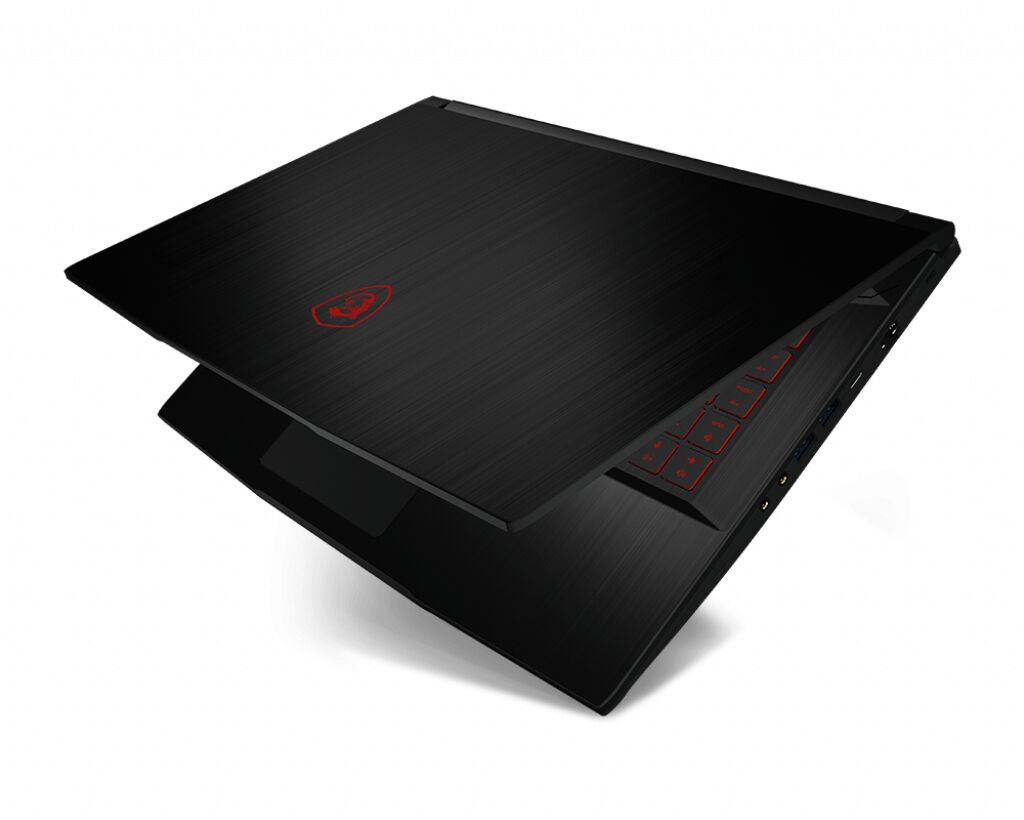

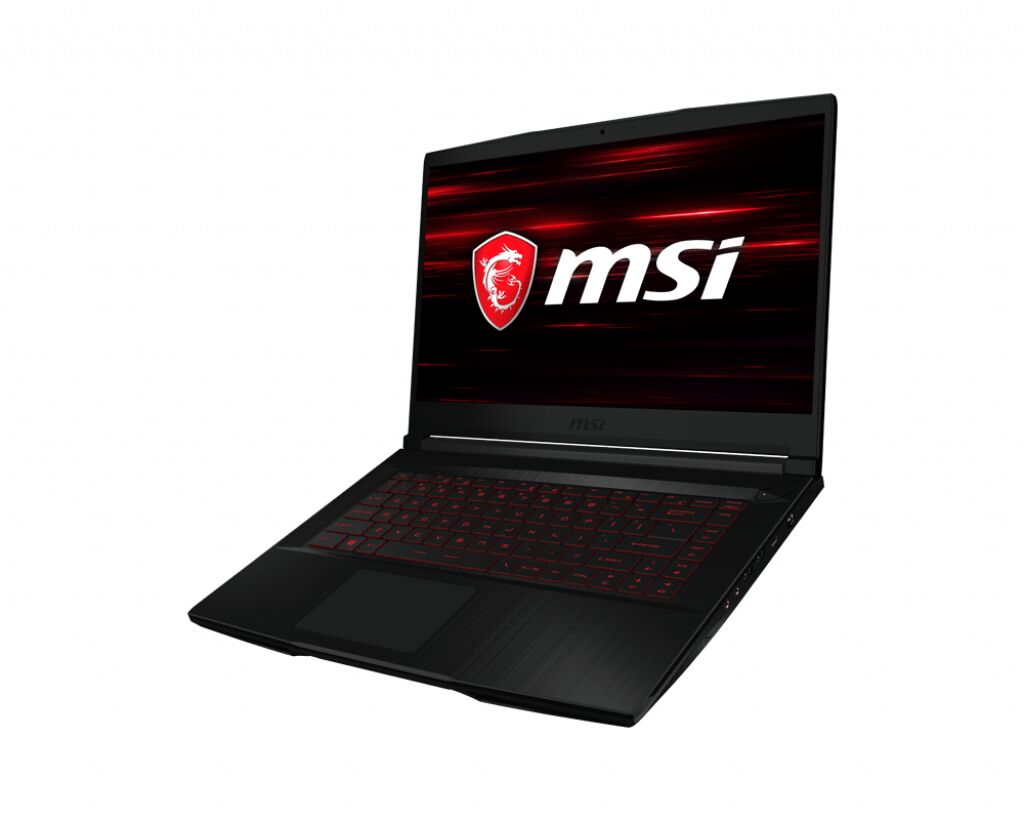
MSI GF63 9SCXR-627XIT Thin gaming laptop supports DDR4-SDRAM memory upgrade specifications. The system features 2x SO-DIMM slots with maximum RAM capacity of 64 GB. Memory modules operate at 2666 MHz frequency. Compatible upgrades utilize SO-DIMM form factor. Current configuration and available slots enable users to expand total memory capacity by installing additional DDR4 modules in empty upgrade slots.
Memory Upgrade Specifications
| Specification | Value |
|---|---|
| Memory slots | 2x SO-DIMM |
| Form factor | SO-DIMM |
| Memory type | DDR4-SDRAM |
| Frequency | 2666 MHz |
| Maximum RAM | 64 GB |
| Voltage | 1.2V |
| Number of pins | 260-pin |
| Interface | PC4 |
| PC Speed Rating | PC4-2666 (PC4-21328) |
| Bandwidth | 21.3 GB/s |
| Laptop Release date | 24 June 2020 |
Additional Notes
- DDR4-SDRAM at 2666 MHz operates below contemporary gaming standards, creating a 400 MHz performance gap versus DDR4-3066 modules. This frequency ceiling restricts sustained frame rates in CPU-intensive titles and limits data throughput to the graphics subsystem during complex rendering operations.
- The MSI GF63 9SCXR-627XIT Thin's 2 SO-DIMM slot configuration permits maximum expansion to 64 GB, but both slots must be populated simultaneously to achieve this capacity. Single-slot upgrades are limited to 32 GB per module, effectively capping practical expansion to that threshold without replacement of existing memory.
- SO-DIMM geometry mandates laptop-specific memory modules; desktop DDR4 DIMM form factor components will not physically insert into the available slots, eliminating cross-platform component reuse from other system classes.
- Operating at 2666 MHz, the memory subsystem cannot be safely overclocked via BIOS adjustment without voiding manufacturer warranty, as gaming laptops lack hardware safeguards against thermal runaway in memory modules. Frequency increases beyond rated specifications risk sudden system failure and data corruption.
- Bandwidth limitation at 2666 MHz (approximately 21 GB/s per channel) becomes the primary bottleneck when paired with modern discrete GPUs, as graphics memory interconnects operate at speeds exceeding 256 GB/s. This disparity forces the CPU to wait for system memory cycles during high-throughput gaming workloads.
- Installation of matched pair DDR4 modules maintains dual-channel architecture, which doubles effective bandwidth versus single-channel configurations. Mismatched module speeds will downclock both modules to the lowest rated frequency, negating upgrade benefits if pairing with existing 2666 MHz memory.