MSI Gaming GF63 9SCX-067IT Thin RAM upgrade specifications
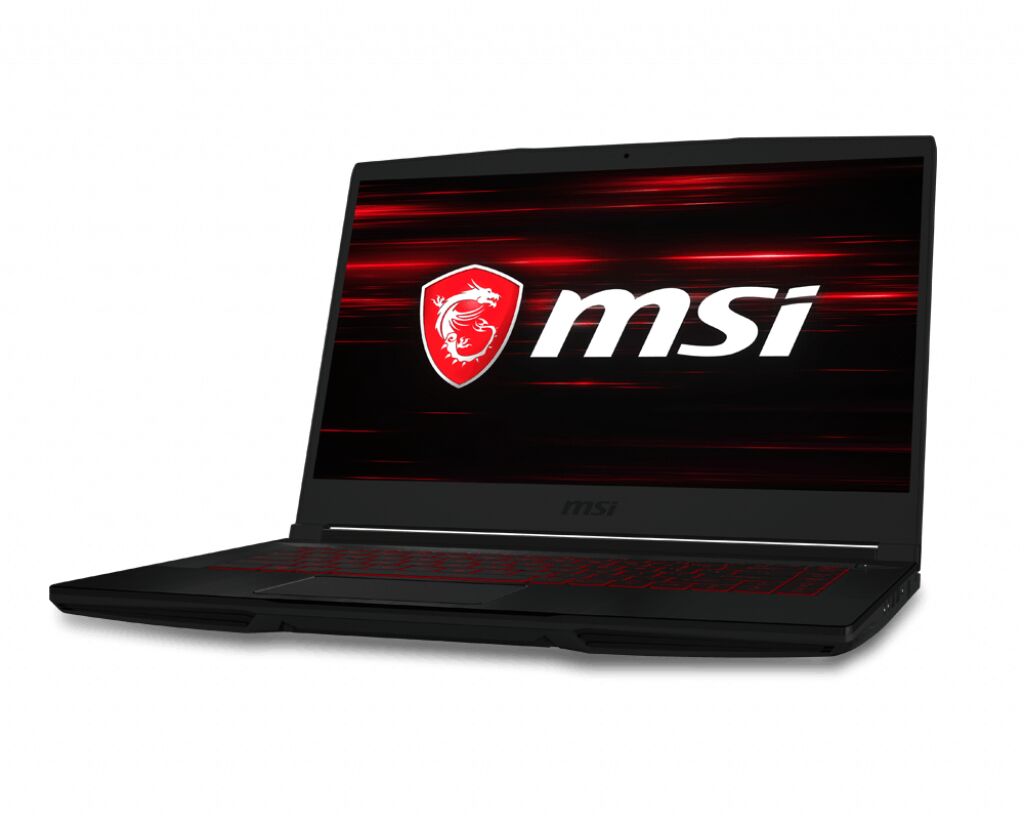
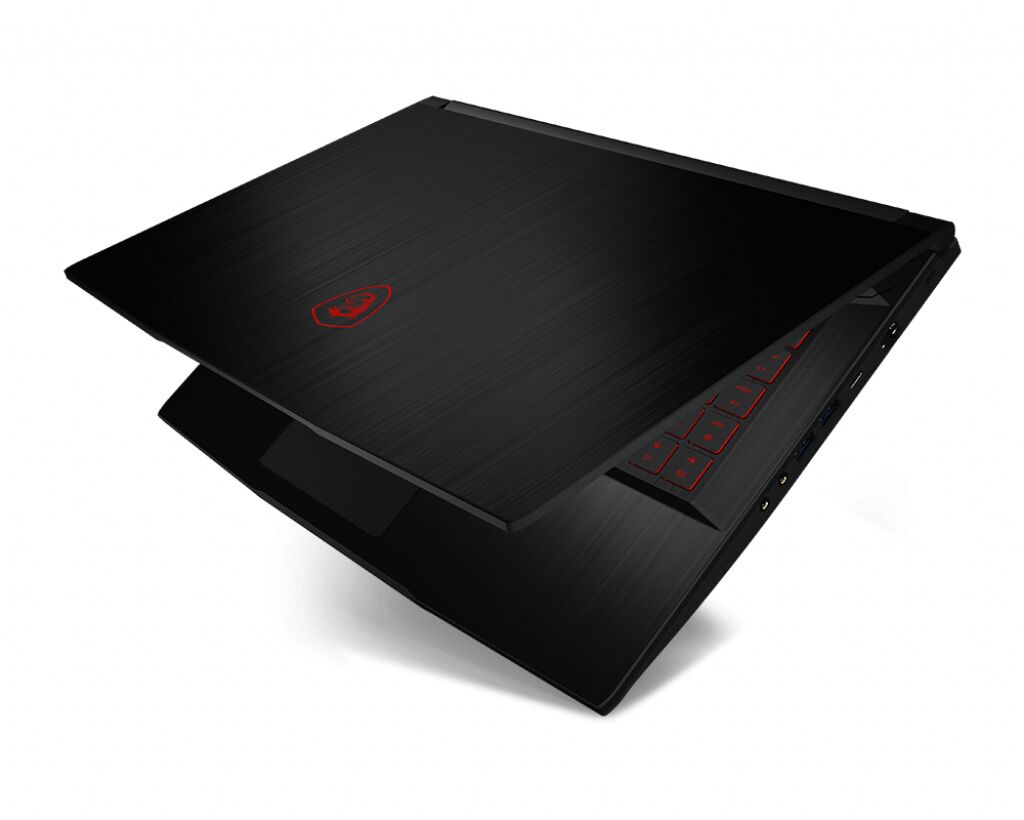
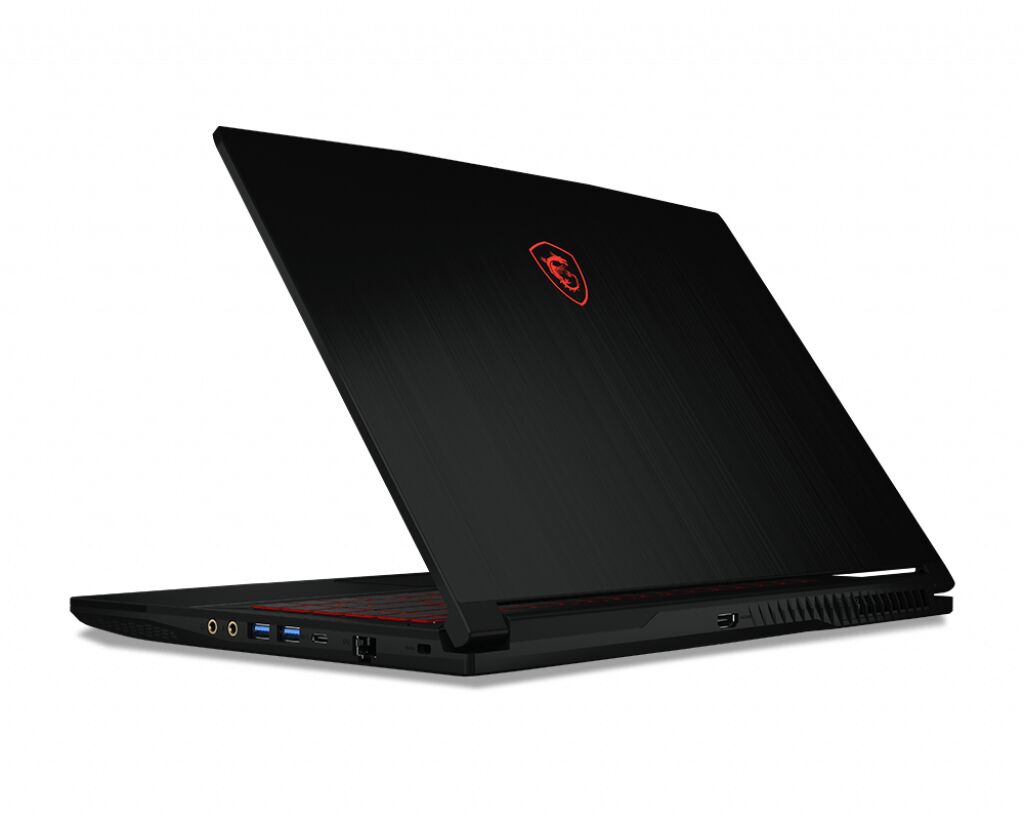
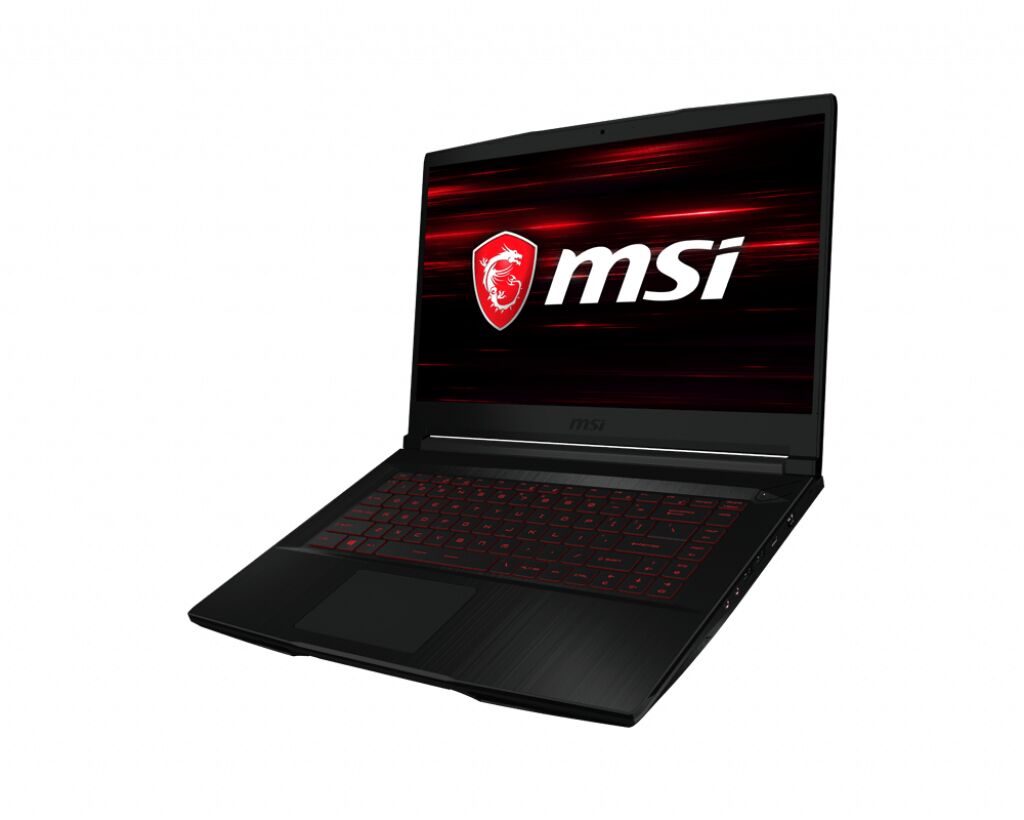
MSI GF63 9SCX-067IT Thin gaming laptop features DDR4-SDRAM memory upgrade capabilities with 2x SO-DIMM slots supporting maximum capacity of 64 GB. RAM specifications include 2666 MHz frequency operation. Compatible memory upgrades utilize SO-DIMM form factor. Current specifications and maximum RAM capacity enable compatible DDR4 memory modules for system expansion and enhanced performance.
Memory Upgrade Specifications
| Specification | Value |
|---|---|
| Memory slots | 2x SO-DIMM |
| Form factor | SO-DIMM |
| Memory type | DDR4-SDRAM |
| Frequency | 2666 MHz |
| Maximum RAM | 64 GB |
| Voltage | 1.2V |
| Number of pins | 260-pin |
| Interface | PC4 |
| PC Speed Rating | PC4-2666 (PC4-21328) |
| Bandwidth | 21.3 GB/s |
| Laptop Release date | 16 April 2020 |
Additional Notes
- The MSI GF63 9SCX-067IT Thin supports DDR4 modules at 2666 MHz, which is below contemporary DDR4 standards of 3200 MHz or higher. RAM operating at this frequency will not benefit from faster modules, as the controller locks performance to this ceiling regardless of module specifications.
- Two SO-DIMM slots create a single upgrade constraint: one slot is typically occupied by factory-installed memory. Adding a second module requires matching the existing module's speed, latency, and manufacturer characteristics to avoid stability degradation or dual-channel operation failure.
- The 64 GB maximum capacity indicates the BIOS recognizes 32 GB per slot as the practical upper limit. Upgrading beyond 32 GB in either slot may result in partial capacity detection or system instability depending on BIOS revision.
- SO-DIMM form factor requires laptop-compatible modules; desktop DIMM or RDIMM variants are physically incompatible and will not seat in the available slots.
- The 2666 MHz specification reflects 9th-generation Intel processor architecture limitations. Replacement with newer DDR4 modules rated for 3200 MHz or higher will operate at the downclocked 2666 MHz speed, making premium-priced faster memory an inefficient investment for this system.
- Mismatched memory configurations (different capacities, speeds, or brands between slots) may trigger JEDEC compatibility mode, reducing both modules to the lowest common denominator settings and preventing optimal dual-channel bandwidth delivery.