MSI Gaming GF63 9SCSR-432CA Thin RAM upgrade specifications

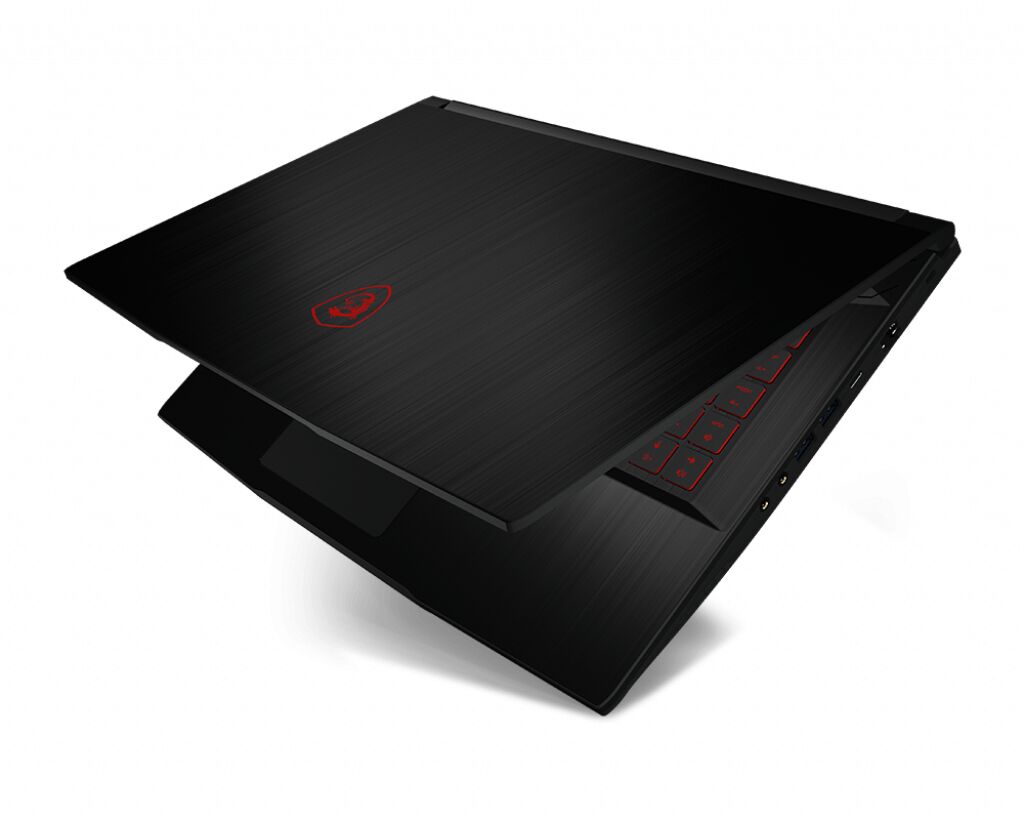


MSI GF63 9SCSR-432CA Thin gaming laptop features two SO-DIMM memory slots supporting DDR4-SDRAM upgrade specifications. Maximum memory capacity reaches 64 GB total, with compatible modules operating at 2666 MHz frequency. Current RAM upgrade configuration allows replacement or expansion of existing memory modules in the dedicated SO-DIMM slots. MSI GF63 series specifications support DDR4 memory technology for enhanced system performance and multitasking capabilities.
Memory Upgrade Specifications
| Specification | Value |
|---|---|
| Memory slots | 2x SO-DIMM |
| Form factor | SO-DIMM |
| Memory type | DDR4-SDRAM |
| Frequency | 2666 MHz |
| Maximum RAM | 64 GB |
| Voltage | 1.2V |
| Number of pins | 260-pin |
| Interface | PC4 |
| PC Speed Rating | PC4-2666 (PC4-21328) |
| Bandwidth | 21.3 GB/s |
| Laptop Release date | 15 June 2020 |
Additional Notes
- Dual channel architecture requires matching module pairs to achieve full memory bandwidth and reduce CPU latency during intensive tasks.
- The integrated 9th Gen Intel processor architecture on the MSI GF63 9SCSR-432CA Thin enforces a hardware ceiling for memory frequency beyond which higher speed modules clock down automatically.
- Installing 32 GB modules in both slots fills the total chipset addressable space and prevents further physical memory expansion.
- Non parity modules are required as the SODIMM slots do not support ECC error correction for data integrity.
- Physical height limitations within the chassis require standard height SODIMM modules to avoid contact with the internal heat pipes or base plate.
- Upgrading memory requires the removal of the factory seal on the bottom chassis which may impact warranty terms depending on regional service center policies.
- Mixing modules with different CAS latencies forces the system to default to the slowest timing profile available to maintain stability.
- Thermal throttling of the nearby GPU may transfer ambient heat to the memory modules during prolonged loads since the internal space is shared.