MSI Gaming GF63 9SCSR-411MX Thin RAM upgrade specifications

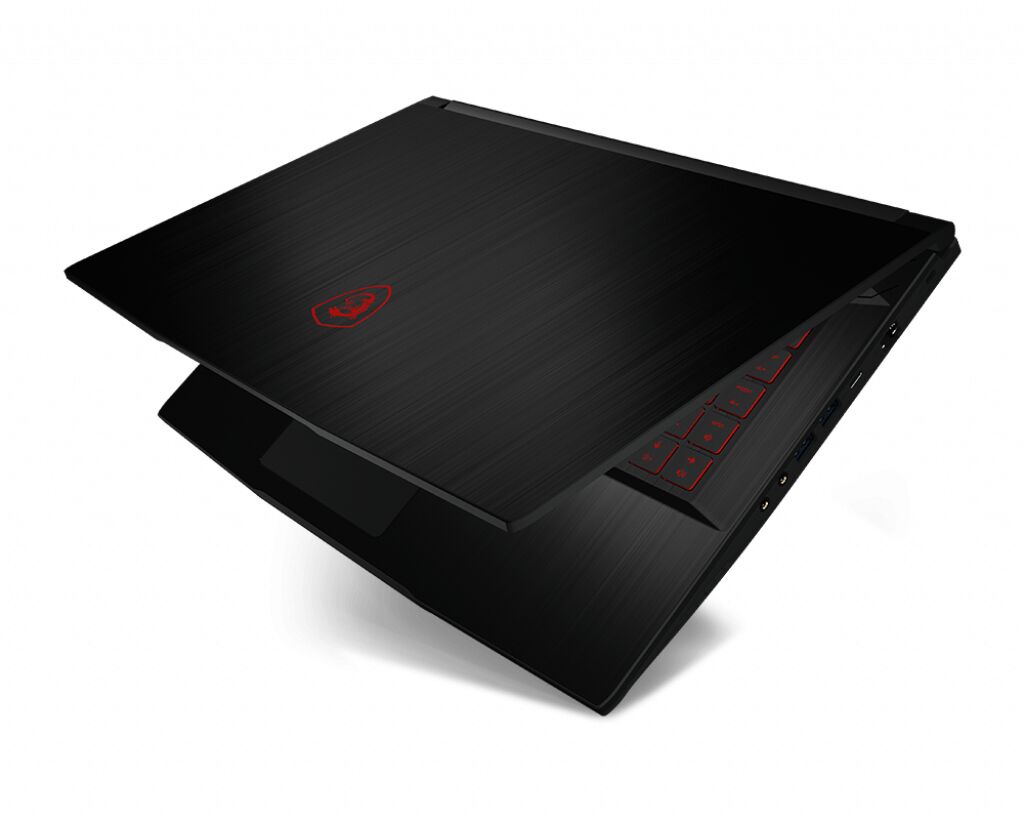

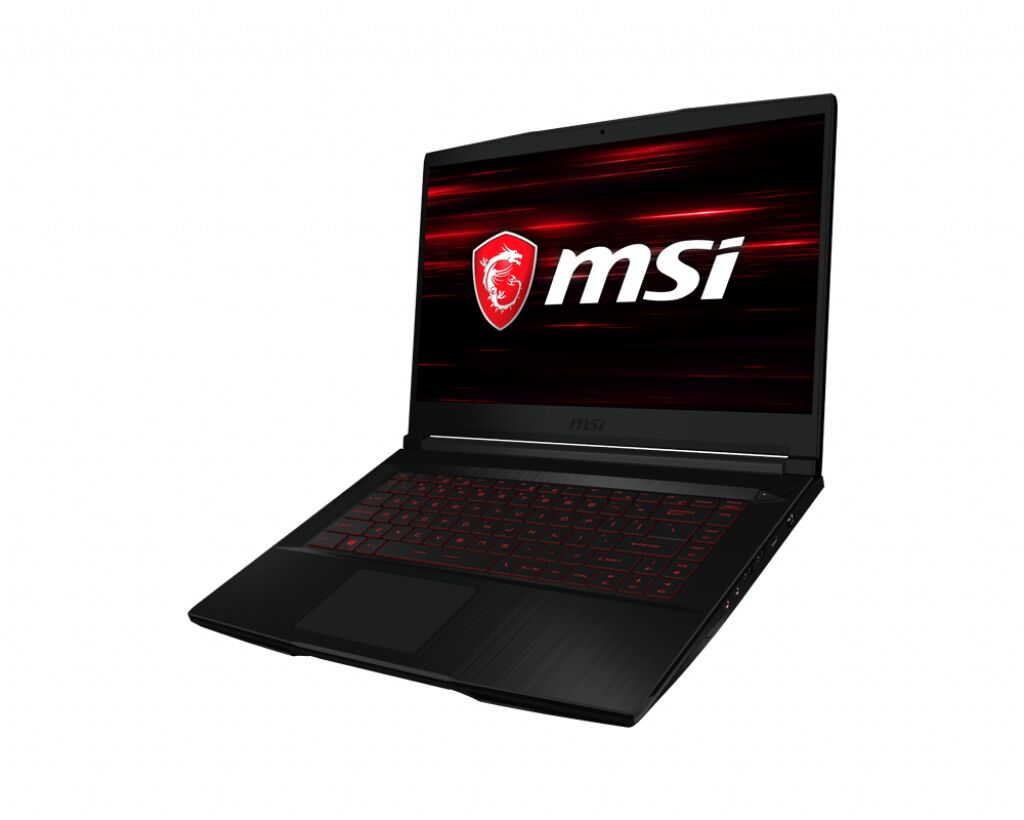
MSI GF63 9SCSR-411MX Thin Gaming series laptop supports DDR4-SDRAM memory upgrades through 2x SO-DIMM slots. Maximum memory capacity reaches 64 GB when fully populated. Compatible RAM operates at 2666 MHz frequency. Upgrade specifications indicate SO-DIMM form factor modules are required for this laptop model. Memory slots allow for dual-channel configuration to optimize performance. Current upgrade capacity supports memory expansion from factory baseline to maximum 64 GB specifications.
Memory Upgrade Specifications
| Specification | Value |
|---|---|
| Memory slots | 2x SO-DIMM |
| Form factor | SO-DIMM |
| Memory type | DDR4-SDRAM |
| Frequency | 2666 MHz |
| Maximum RAM | 64 GB |
| Voltage | 1.2V |
| Number of pins | 260-pin |
| Interface | PC4 |
| PC Speed Rating | PC4-2666 (PC4-21328) |
| Bandwidth | 21.3 GB/s |
| Laptop Release date | 07 August 2020 |
Additional Notes
- The DDR4-2666 specification indicates this MSI GF63 9SCSR-411MX Thin operates on a 9th generation Intel platform, which creates a dependency on matching module specifications to avoid system underclocking or instability during mixed configurations.
- Both SO-DIMM slots must remain accessible without motherboard removal, though the bottom panel design may require complete disassembly rather than a dedicated memory access door, extending replacement time beyond simple upgrades.
- The 64 GB ceiling requires 32 GB modules in dual-channel configuration, but 9th generation chipsets may exhibit compatibility limitations with certain high-density module architectures despite theoretical support.
- Mixing modules with different ranks or IC configurations, even at identical 2666 MHz ratings, forces the memory controller to operate at the lowest common timing denominator, potentially degrading bandwidth below single-rank baseline performance.
- JEDEC-standard DDR4-2666 operates at 1.2V, but XMP-enabled modules designed for higher frequencies will downclock without voltage adjustment conflicts, whereas forcing higher speeds through manual overclocking voids thermal compliance margins in this chassis design.
- Single-channel population halves memory bandwidth to approximately 21 GB/s, creating measurable frame pacing issues in GPU-bound scenarios where the GTX 1650 Ti requires consistent texture streaming from system memory.
- The 2666 MHz native frequency provides no headroom for factory overclocking on HM370 chipset variants, limiting performance tuning exclusively to timing optimization within thermal constraints.
- Warranty preservation requires non-destructive access to memory slots, but certain regional configurations seal the bottom panel with warranty-indicating tape that necessitates documentation before removal.
- Module height restrictions in thin gaming chassis designs typically cap components at 30mm including heat spreaders, eliminating compatibility with enthusiast-grade modules featuring extended cooling assemblies.