MSI Gaming GF63 9SC-662 Thin RAM upgrade specifications

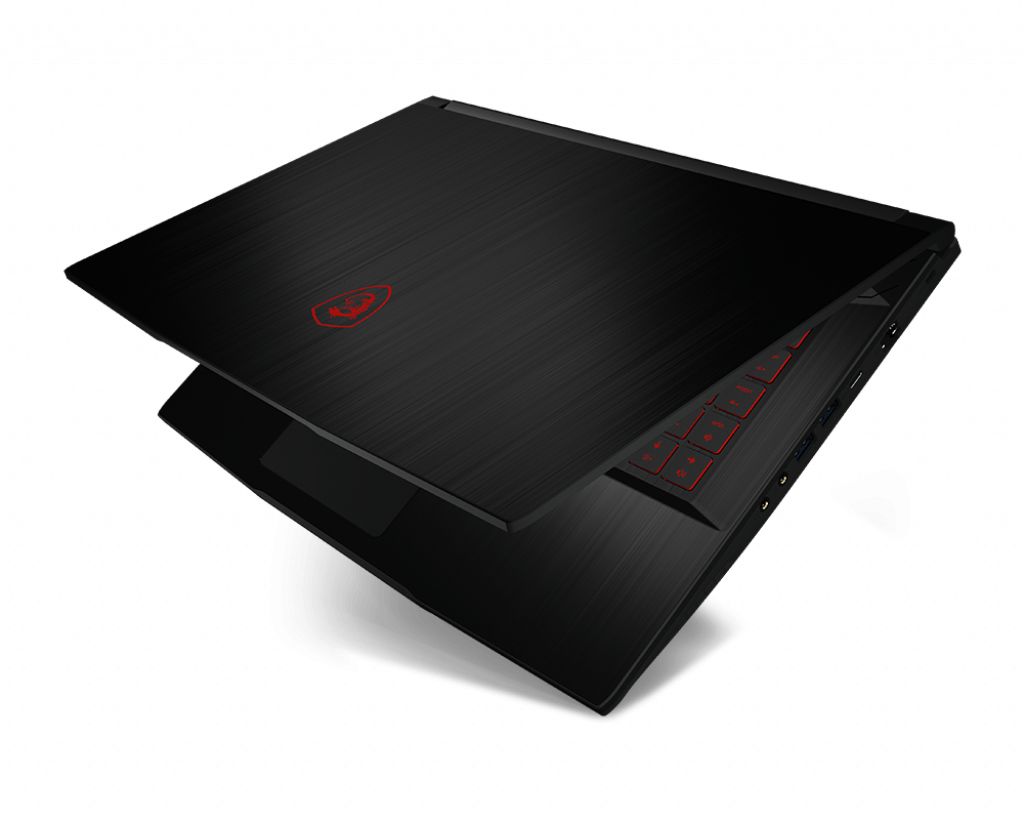

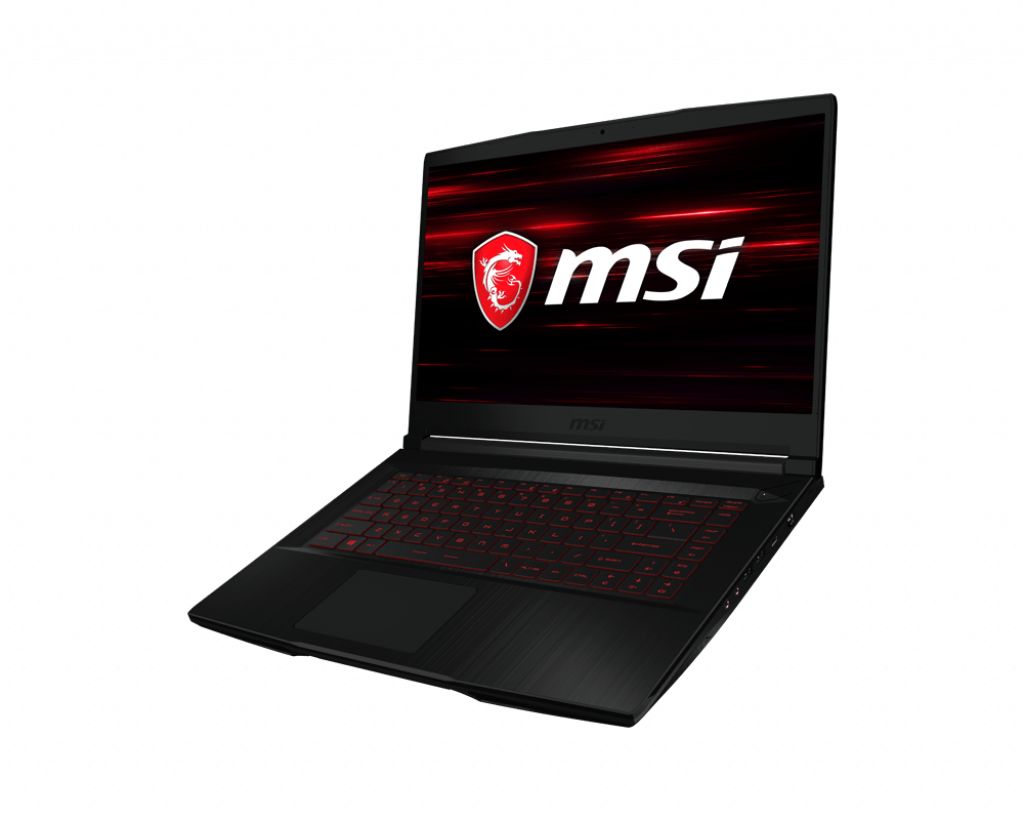
The MSI GF63 9SC-662 Thin Gaming series laptop features DDR4-SDRAM memory architecture with dual SO-DIMM upgrade slots. Maximum memory capacity reaches 64 GB total, with compatible modules operating at 2666 MHz frequency. RAM upgrade specifications indicate two expandable slots allowing configuration of high-capacity memory modules for enhanced multitasking performance in the GF Gaming family.
Memory Upgrade Specifications
| Specification | Value |
|---|---|
| Memory slots | 2x SO-DIMM |
| Form factor | SO-DIMM |
| Memory type | DDR4-SDRAM |
| Frequency | 2666 MHz |
| Maximum RAM | 64 GB |
| Voltage | 1.2V |
| Number of pins | 260-pin |
| Interface | PC4 |
| PC Speed Rating | PC4-2666 (PC4-21328) |
| Bandwidth | 21.3 GB/s |
| Laptop Release date | 13 August 2019 |
Additional Notes
- The 2666 MHz frequency specification represents the maximum validated speed rather than a minimum requirement, meaning slower DDR4 modules will function but operate at their native lower frequency.
- Both memory slots must accommodate standard 260-pin SO-DIMM modules, as the 9th generation Intel platform in the MSI GF63 9SC-662 Thin does not support older 204-pin DDR3 form factors.
- Installing a single module instead of a matched pair will disable dual-channel memory architecture, reducing memory bandwidth by approximately 50% and creating performance bottlenecks in graphics-intensive applications.
- The 64 GB maximum capacity indicates chipset support for 32 GB individual modules, though such high-density configurations may require specific BIOS versions to ensure stability.
- Memory operating voltage is fixed at 1.2V for standard DDR4, meaning low-voltage DDR4L modules will function but without power consumption advantages in this configuration.
- Accessing the memory slots on most GF63 Thin variants requires complete bottom panel removal rather than a dedicated service door, introducing risk to other components during installation.
- Mixing modules with different CAS latencies will force all memory to operate at the slower timing specification, potentially degrading performance even when frequency ratings match.
- Third-party memory installations typically preserve warranty coverage under most regional consumer protection laws, though physical installation damage remains the user's responsibility.
- ECC (Error-Correcting Code) memory modules are electrically incompatible with this consumer-grade mobile platform and will prevent system POST.
- Memory speeds exceeding 2666 MHz, such as 3200 MHz modules, will be automatically downclocked to 2666 MHz by the system firmware with no performance benefit.