MSI Gaming GF63 THIN 10SC-859AU RAM upgrade specifications
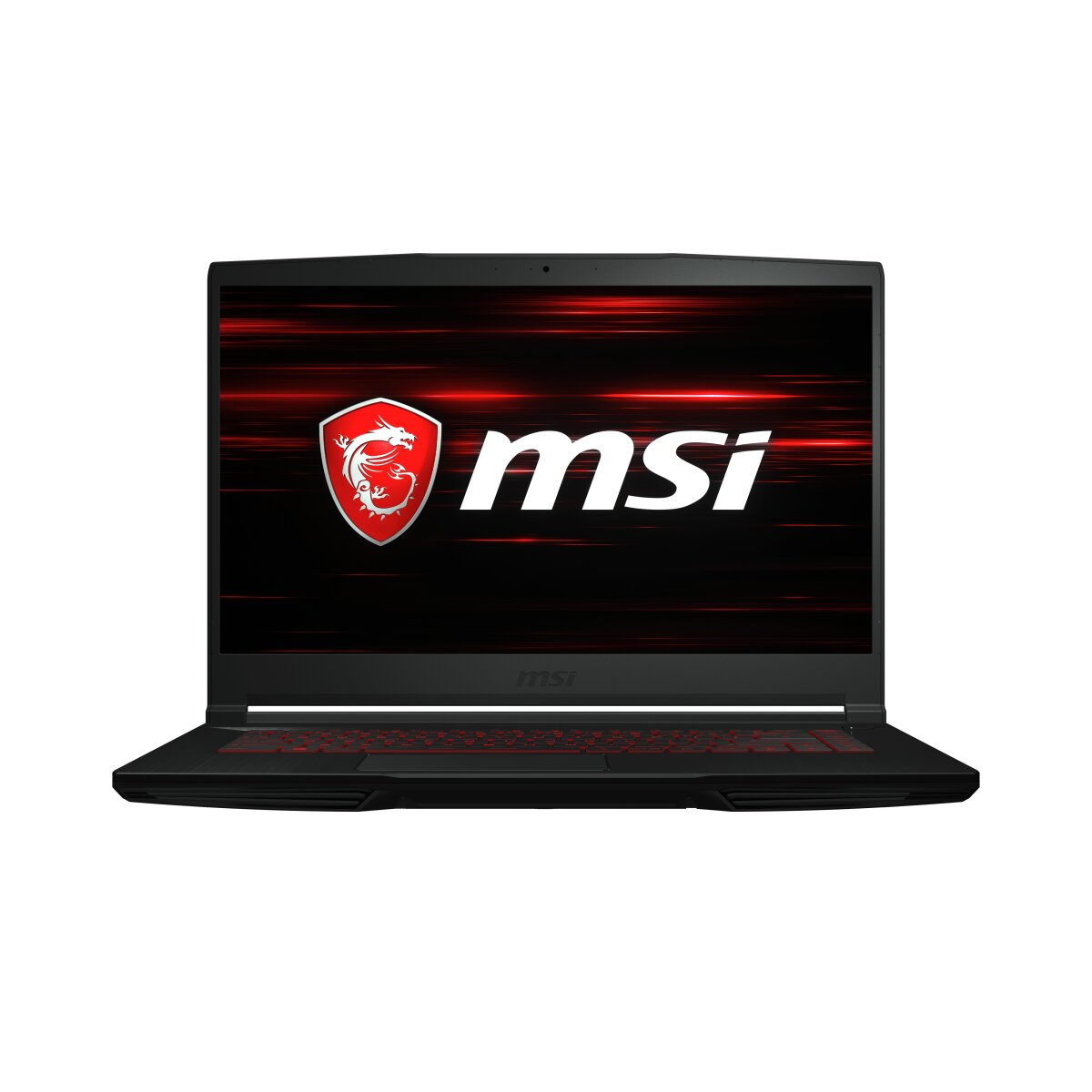
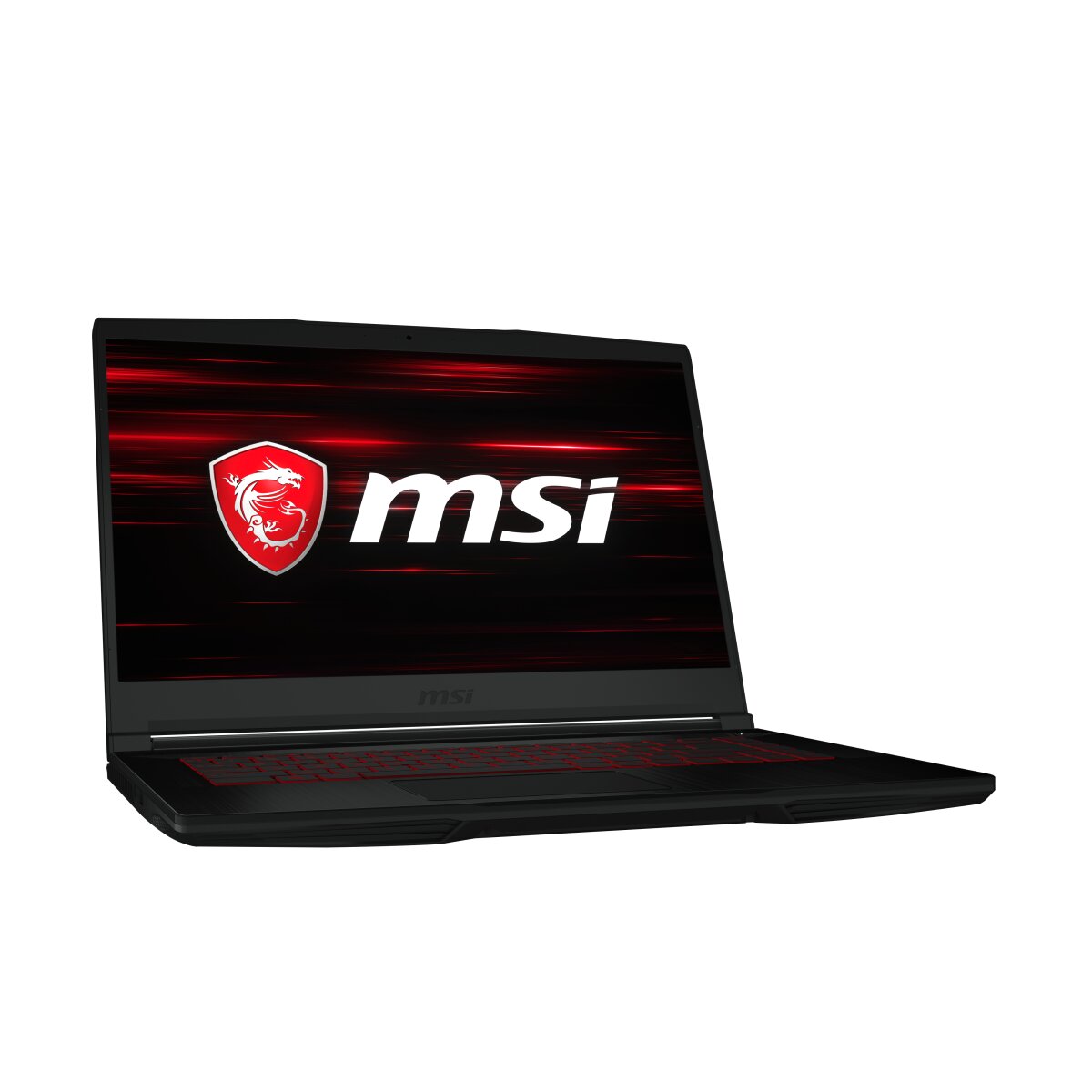
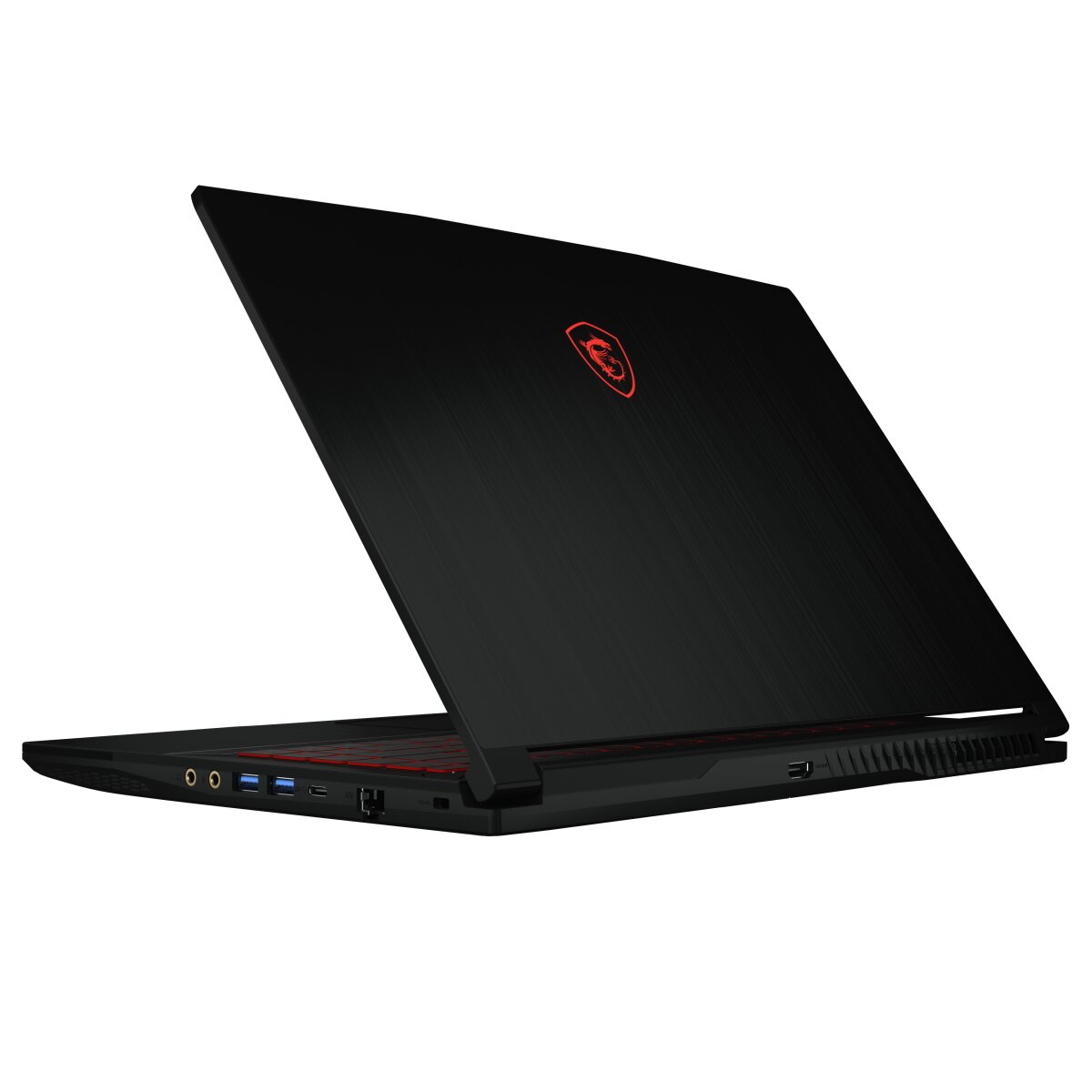
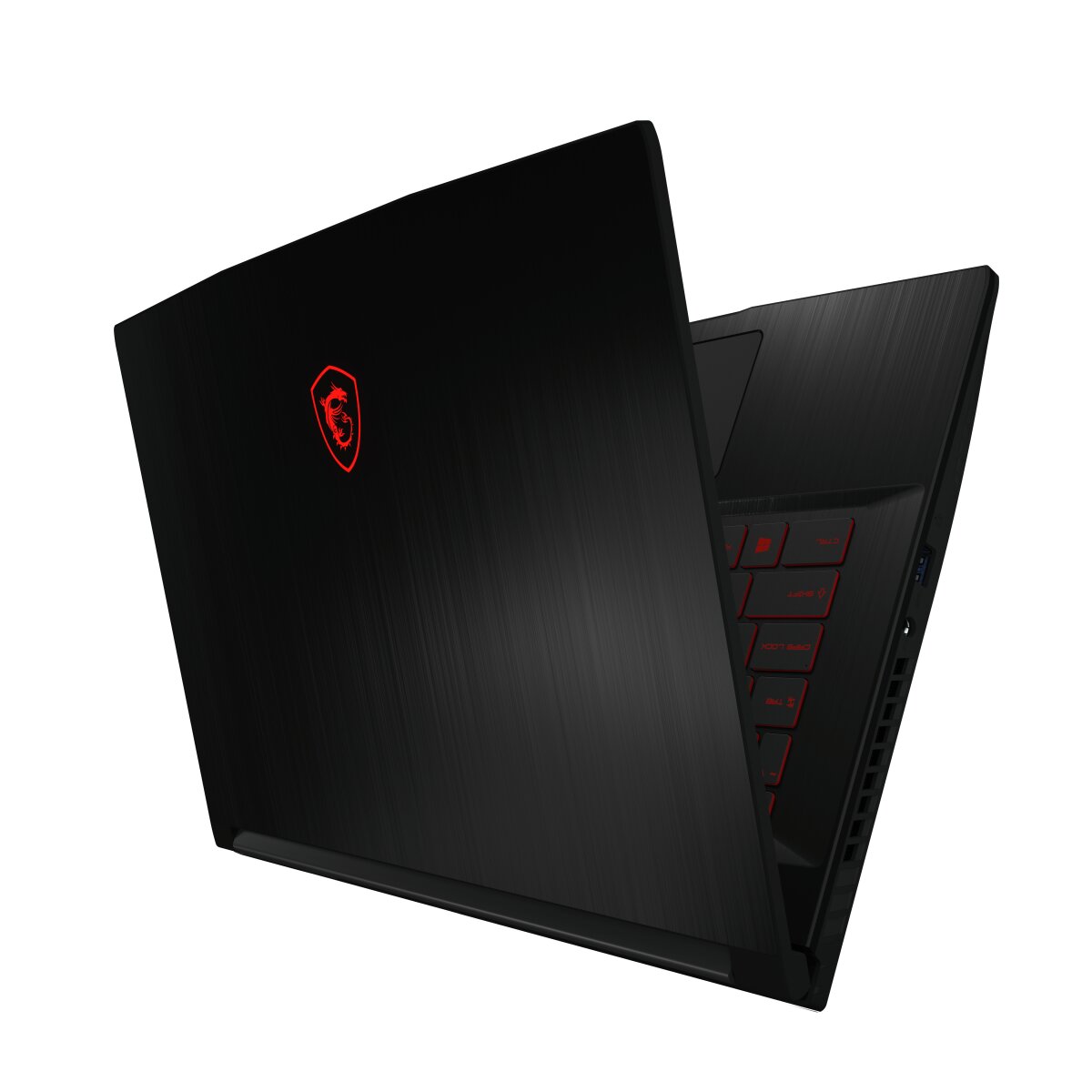
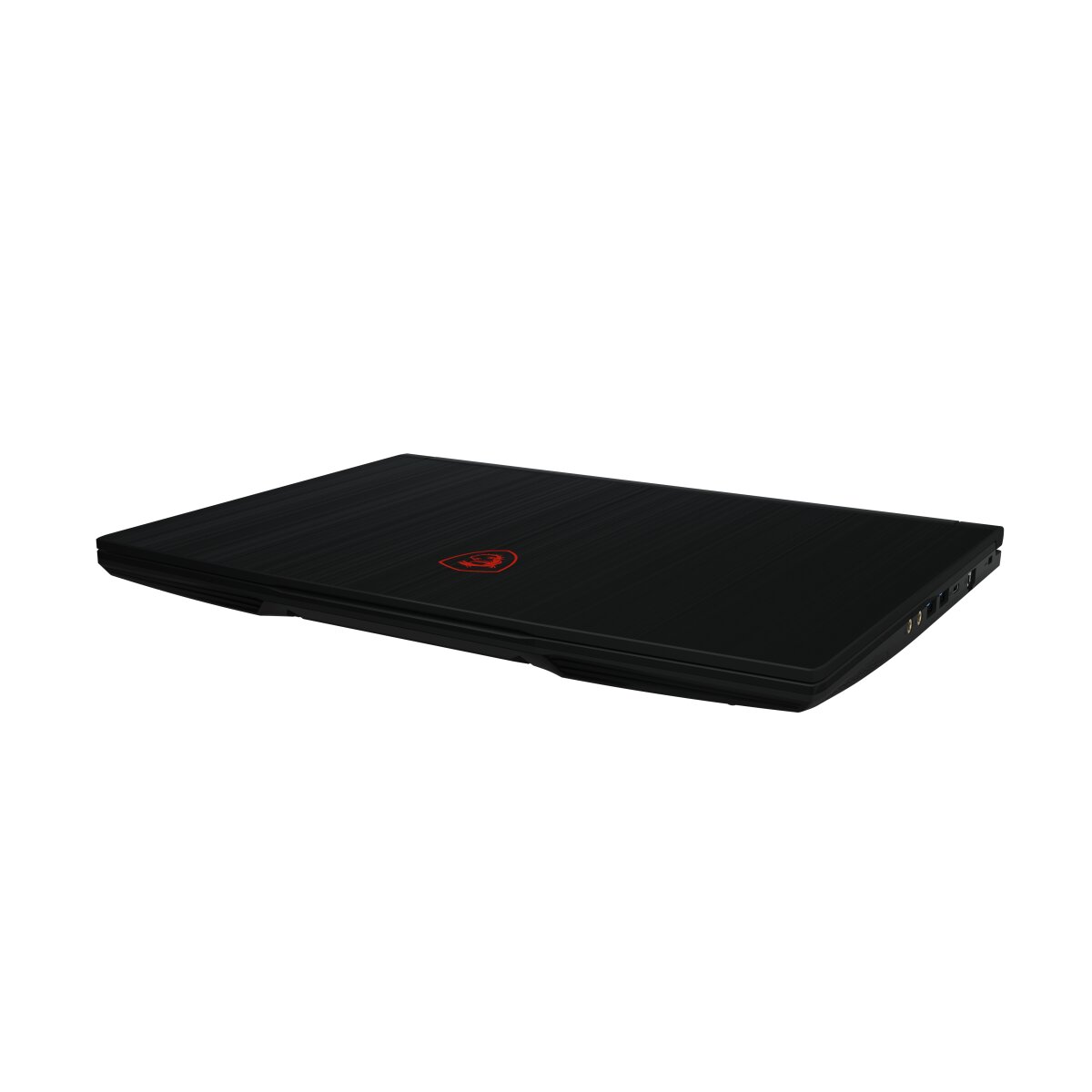
MSI GF63 THIN 10SC-859AU gaming laptop memory upgrade specifications include two SO-DIMM slots supporting DDR4-SDRAM memory modules. Maximum compatible RAM capacity reaches 64 GB total. Memory modules operate at 3200 MHz frequency. Upgrade slots accept standard SO-DIMM form factor memory. Specifications enable configuration of the GF63 THIN 10SC-859AU with enhanced memory capacity for improved multitasking and application performance.
Memory Upgrade Specifications
| Specification | Value |
|---|---|
| Memory slots | 2x SO-DIMM |
| Form factor | SO-DIMM |
| Memory type | DDR4-SDRAM |
| Frequency | 3200 MHz |
| Maximum RAM | 64 GB |
| Voltage | 1.2V |
| Number of pins | 260-pin |
| Interface | PC4 |
| PC Speed Rating | PC4-3200 (PC4-25600) |
| Bandwidth | 25.6 GB/s |
| Laptop Release date | 16 September 2022 |
Additional Notes
- The MSI GF63 THIN 10SC-859AU contains 2 SO-DIMM slots with a combined ceiling of 64 GB, requiring matched pair installation for dual-channel operation. Single-module upgrades will force single-channel bandwidth, reducing memory throughput by approximately 50 percent and degrading gaming frame rates and multitasking responsiveness.
- DDR4-3200 MHz compatibility means aftermarket modules must adhere to this speed specification. Mixing faster DDR4 variants (3600 MHz, 4000 MHz) will downclock to 3200 MHz, negating performance gains and potentially causing stability issues if non-standard timings are used.
- SO-DIMM form factor is proprietary to laptop chassis design. Desktop DDR4 UDIMM modules are physically incompatible and cannot be installed. Replacement modules must be specifically rated for notebook systems.
- The 64 GB maximum capacity threshold indicates a 32 GB module ceiling per slot. Single 32 GB SO-DIMM modules exist but are less common than 16 GB variants, affecting availability, lead times, and pricing in the secondhand market.
- Warranty retention during RAM installation depends on manufacturer policy. Self-service memory upgrades typically remain covered under hardware warranty, but disassembly documentation should be verified beforehand to avoid voiding thermal or component guarantees.
- Memory latency and voltage specifications for third-party modules require verification against factory-standard timings. Non-matched modules may require BIOS adjustment to prevent boot failures or thermal throttling from memory controller stress.