MSI Gaming GF63 Thin 10SCSR-1244FR RAM upgrade specifications
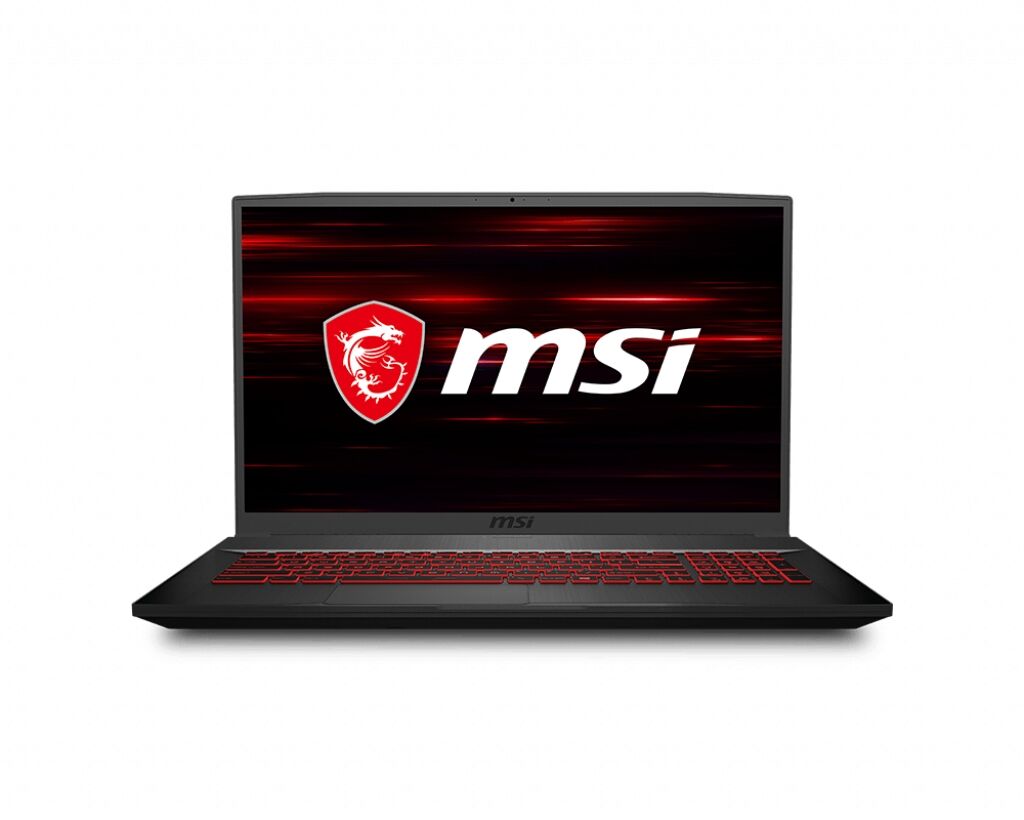
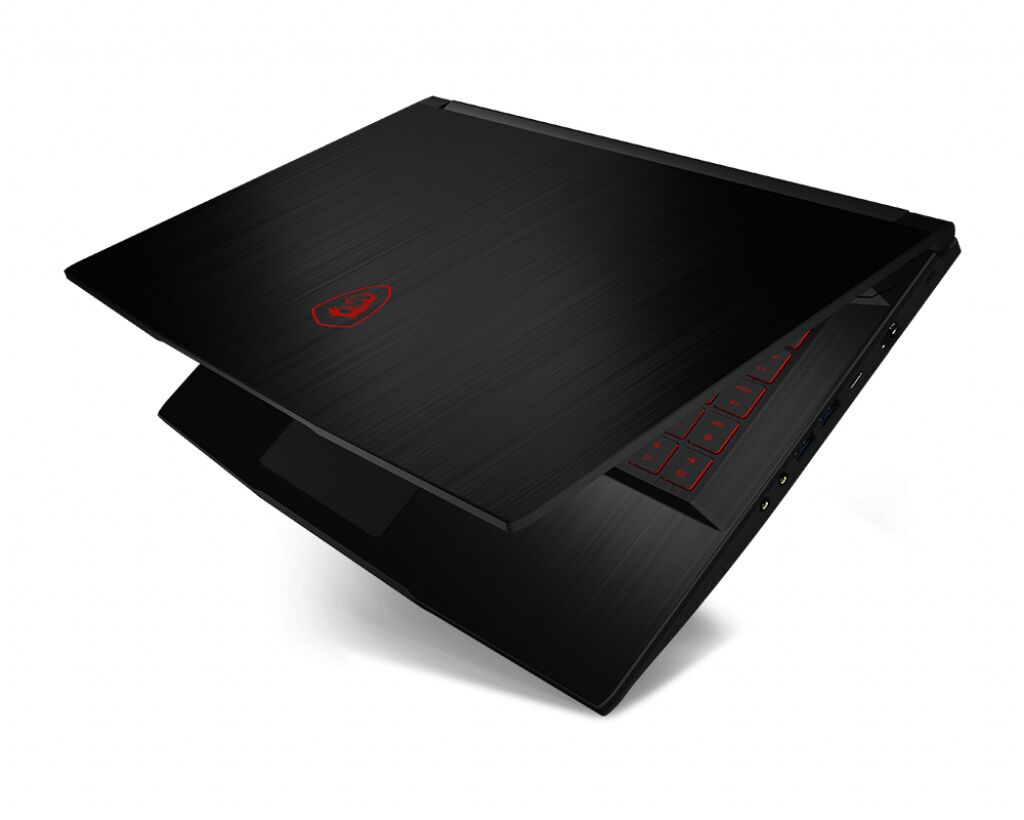
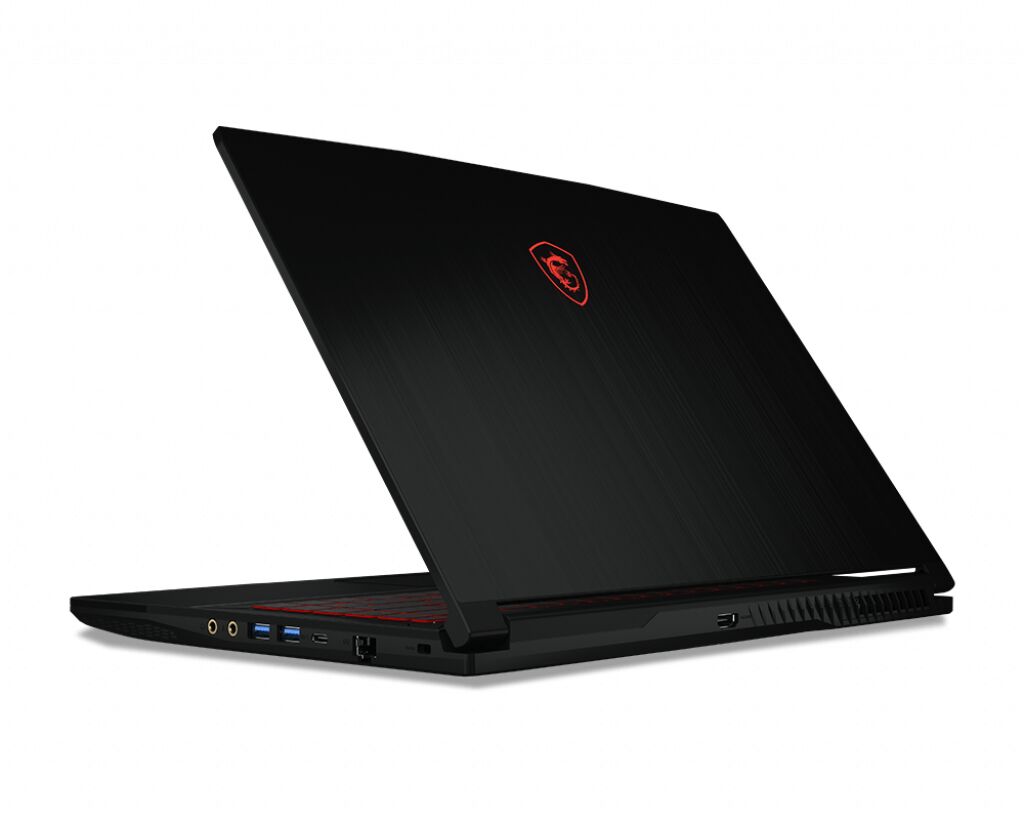
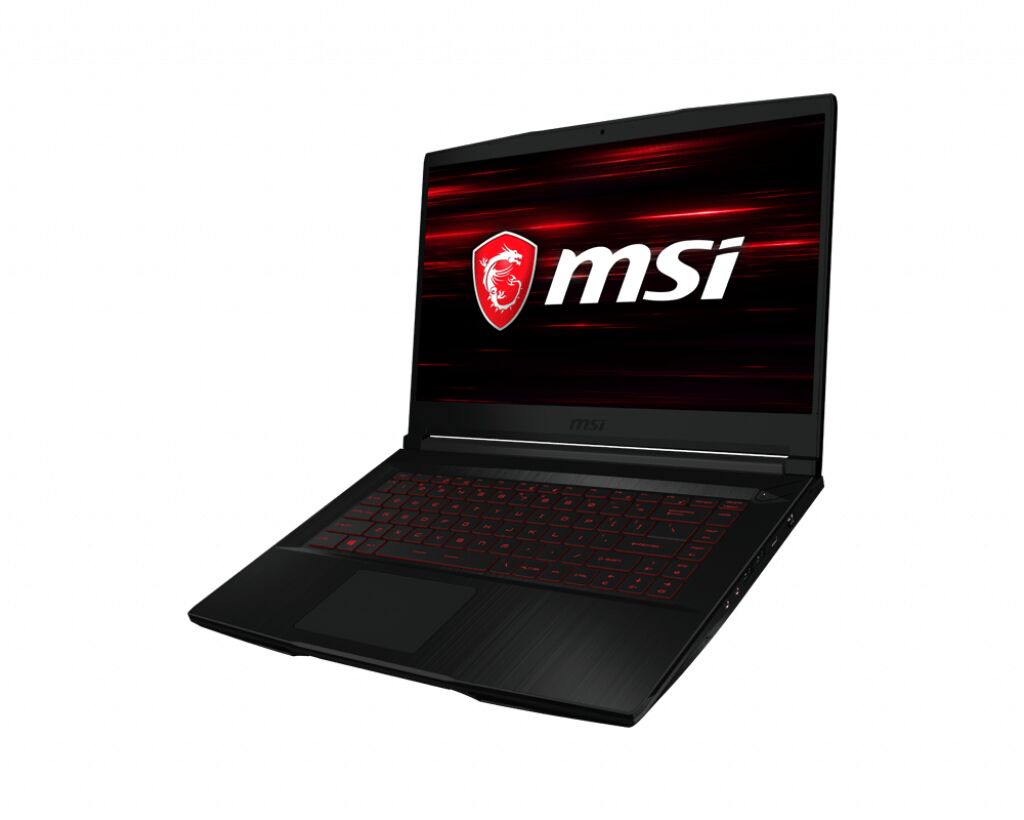
The MSI GF63 Thin 10SCSR-1244FR gaming laptop features DDR4-SDRAM memory upgrade specifications with two SO-DIMM slots supporting maximum capacity of 64 GB. The memory operates at 2666 MHz frequency. Compatible RAM upgrades utilize the SO-DIMM form factor. Specifications indicate the GF series gaming model accommodates dual-channel memory configuration for enhanced performance. Current memory slots accept standard DDR4 modules, enabling users to upgrade from factory-installed capacity up to the 64 GB maximum supported by the MSI GF63 Thin platform.
Memory Upgrade Specifications
| Specification | Value |
|---|---|
| Memory slots | 2x SO-DIMM |
| Form factor | SO-DIMM |
| Memory type | DDR4-SDRAM |
| Frequency | 2666 MHz |
| Maximum RAM | 64 GB |
| Voltage | 1.2V |
| Number of pins | 260-pin |
| Interface | PC4 |
| PC Speed Rating | PC4-2666 (PC4-21328) |
| Bandwidth | 21.3 GB/s |
| Laptop Release date | 07 February 2021 |
Additional Notes
- Dual channel architecture requires matching memory modules to reach peak data transfer rates and prevent memory controller latency.
- The processor architecture in the MSI GF63 Thin 10SCSR-1244FR acts as a hardware ceiling for memory speed even if modules with higher rated frequencies are installed.
- Reaching the 64 GB capacity necessitates the replacement of both factory modules since no vacant slots exist for expansion.
- Internal access for memory replacement involves the removal of the bottom chassis cover which typically requires breaking a factory seal.
- Integrated graphics performance scales directly with total available system memory and the presence of two active memory channels.
- High density 32 GB sticks must adhere to the 260 pin physical standard to ensure signal integrity and proper seating within the socket.
- Power consumption increases slightly when utilizing both available slots but provides the necessary bandwidth for modern gaming workloads.