MSI Gaming GF63 Thin 10SCXR-685FR RAM upgrade specifications
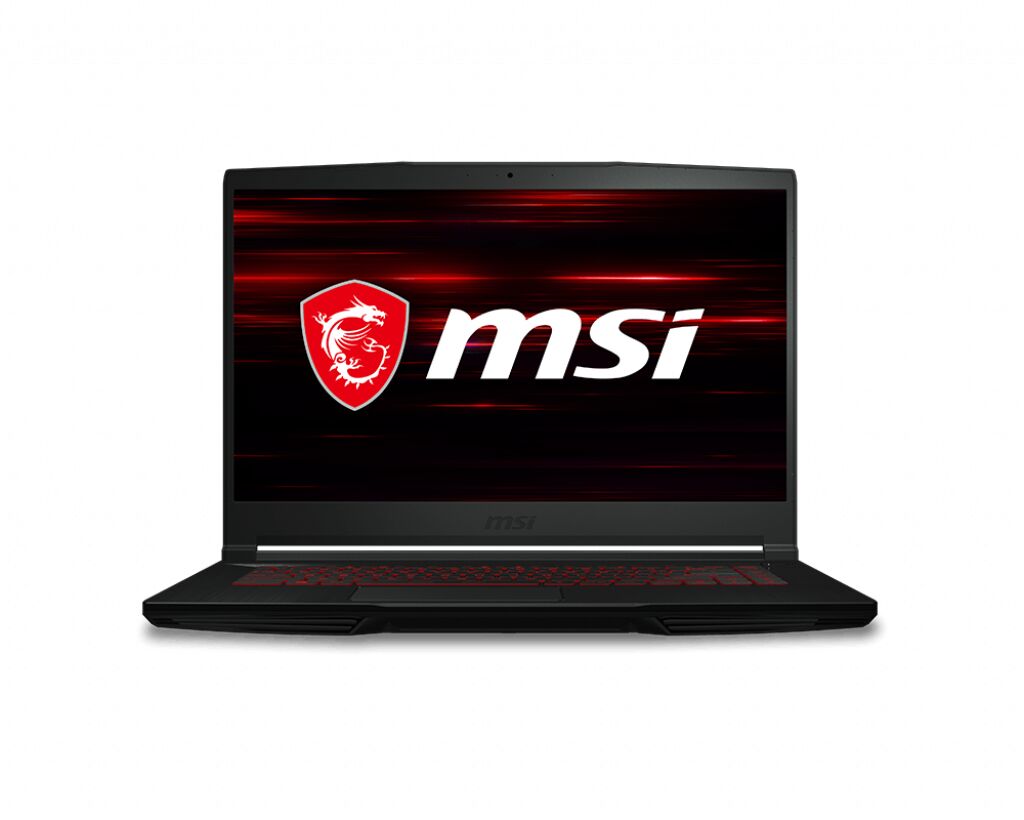
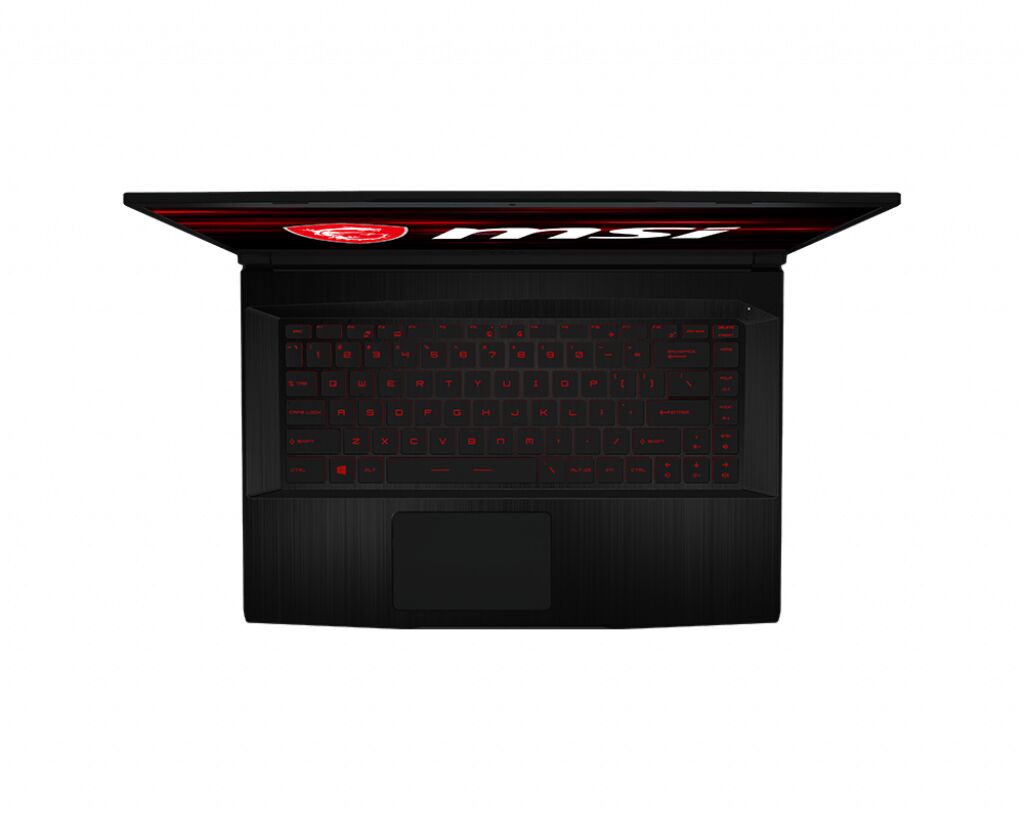
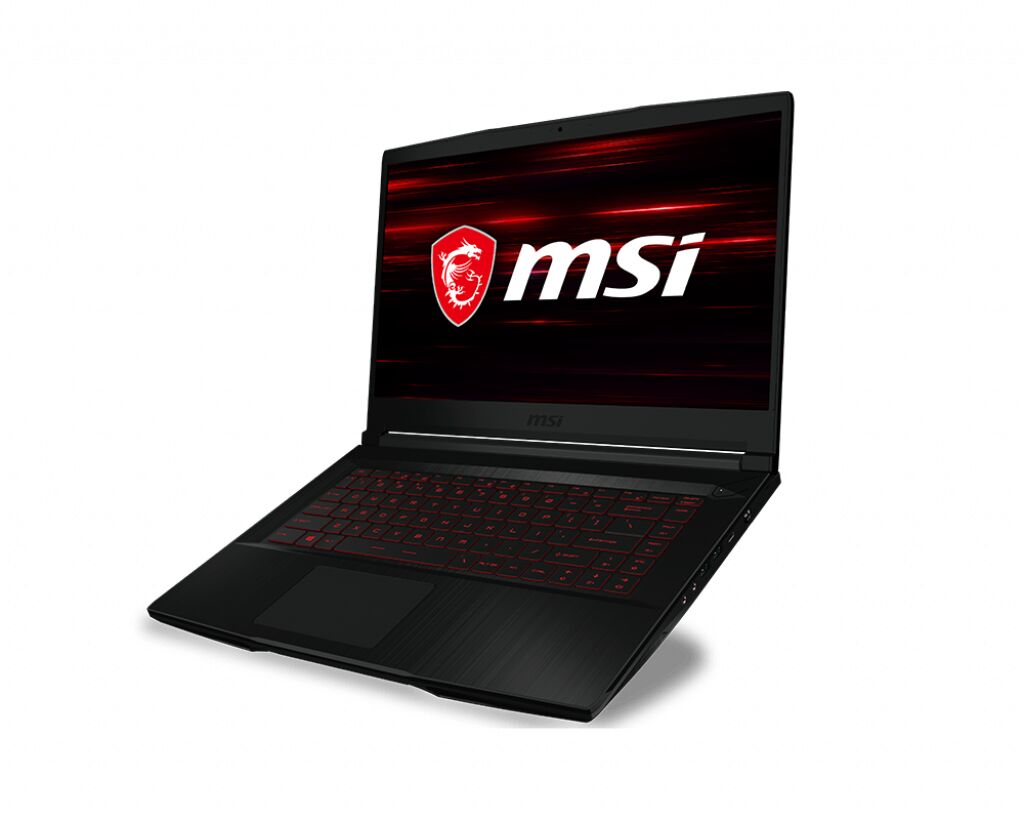
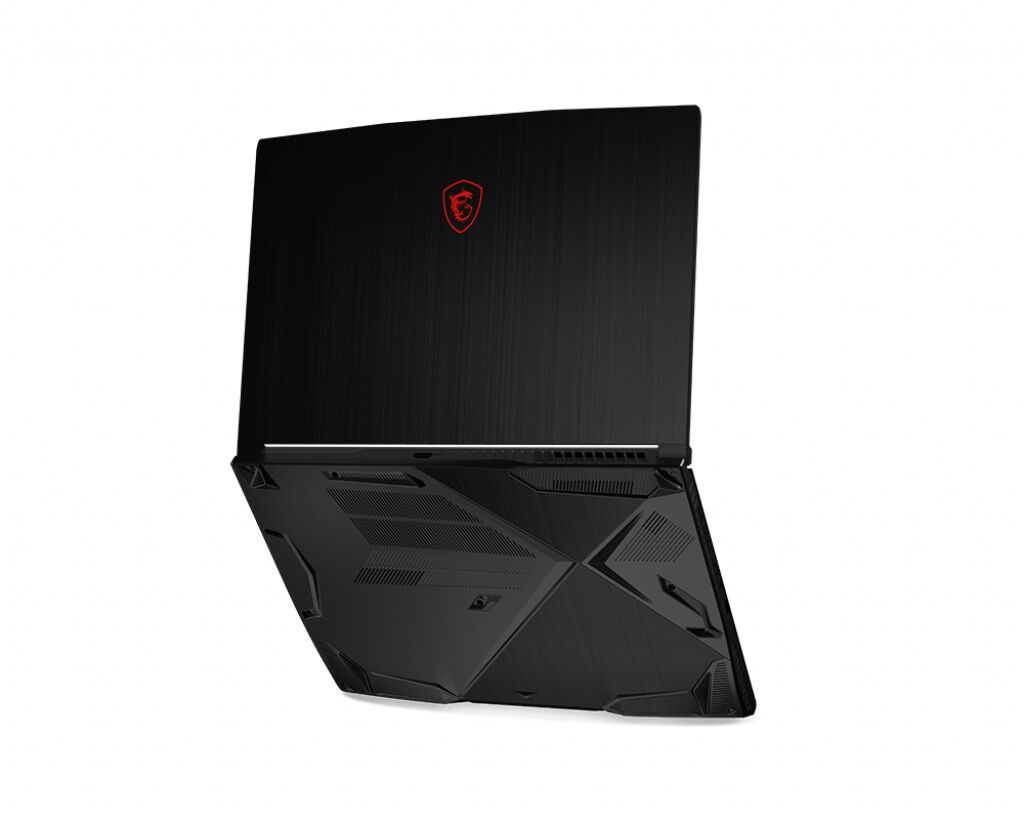

The MSI GF63 Thin 10SCXR-685FR gaming laptop features DDR4-SDRAM memory upgrade specifications. The system includes 2x SO-DIMM slots compatible with DDR4 modules operating at 2666 MHz frequency. Maximum RAM capacity reaches 64 GB total when both slots are populated with compatible memory modules. SO-DIMM form factor specifications apply to all compatible upgrade options for this GF series model.
Memory Upgrade Specifications
| Specification | Value |
|---|---|
| Memory slots | 2x SO-DIMM |
| Form factor | SO-DIMM |
| Memory type | DDR4-SDRAM |
| Frequency | 2666 MHz |
| Maximum RAM | 64 GB |
| Voltage | 1.2V |
| Number of pins | 260-pin |
| Interface | PC4 |
| PC Speed Rating | PC4-2666 (PC4-21328) |
| Bandwidth | 21.3 GB/s |
| Laptop Release date | 19 December 2020 |
Additional Notes
- The DDR4-2666 specification limits bandwidth to 21.3 GB/s per channel, which may constrain GPU performance in VRAM-intensive gaming scenarios where the discrete graphics card relies on system memory for texture streaming.
- The 2 SO-DIMM configuration requires matched pairs for dual-channel operation, meaning single-stick upgrades will halve memory bandwidth until a second module is installed.
- The 64 GB maximum capacity on this MSI GF63 Thin 10SCXR-685FR indicates chipset support for 32 GB modules, though such high-density SO-DIMMs typically carry voltage requirements that warrant verification against the motherboard's power delivery specifications before purchase.
- DDR4-2666 represents JEDEC standard timing rather than XMP profiles, ensuring compatibility but preventing overclocking headroom found in higher-binned modules rated for 3200 MHz or beyond.
- The SO-DIMM form factor restricts physical access to modules beneath the bottom panel, requiring complete disassembly of the lower chassis for installation and potentially voiding warranty seals on certain regional variants.
- Mixing modules with different CAS latencies across the 2 slots will force both to operate at the slower timing, degrading performance even when frequency ratings match at 2666 MHz.
- The absence of ECC support in this consumer-grade memory configuration means no error correction capability exists for mission-critical applications requiring data integrity validation.
- Thermal constraints in the thin chassis design may throttle sustained memory-intensive workloads if ambient ventilation proves insufficient, particularly when both slots are populated with maximum-density modules generating cumulative heat.