MSI Gaming GF63 Thin 10SCXR-687XFR RAM upgrade specifications
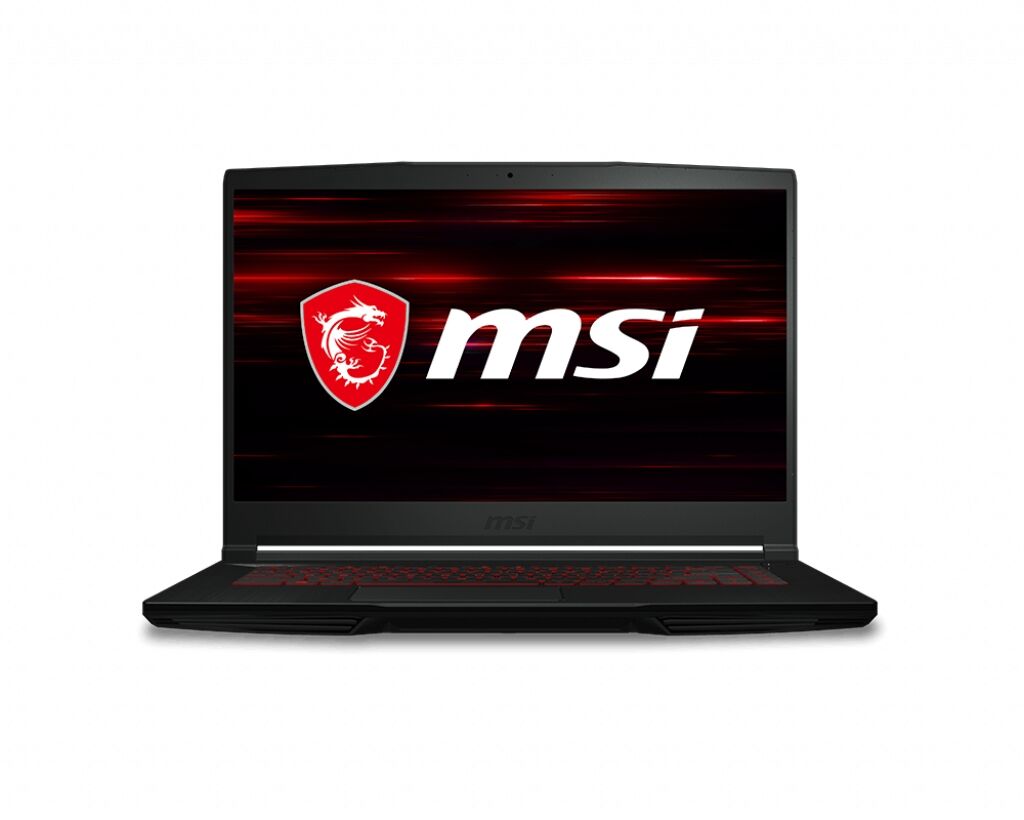
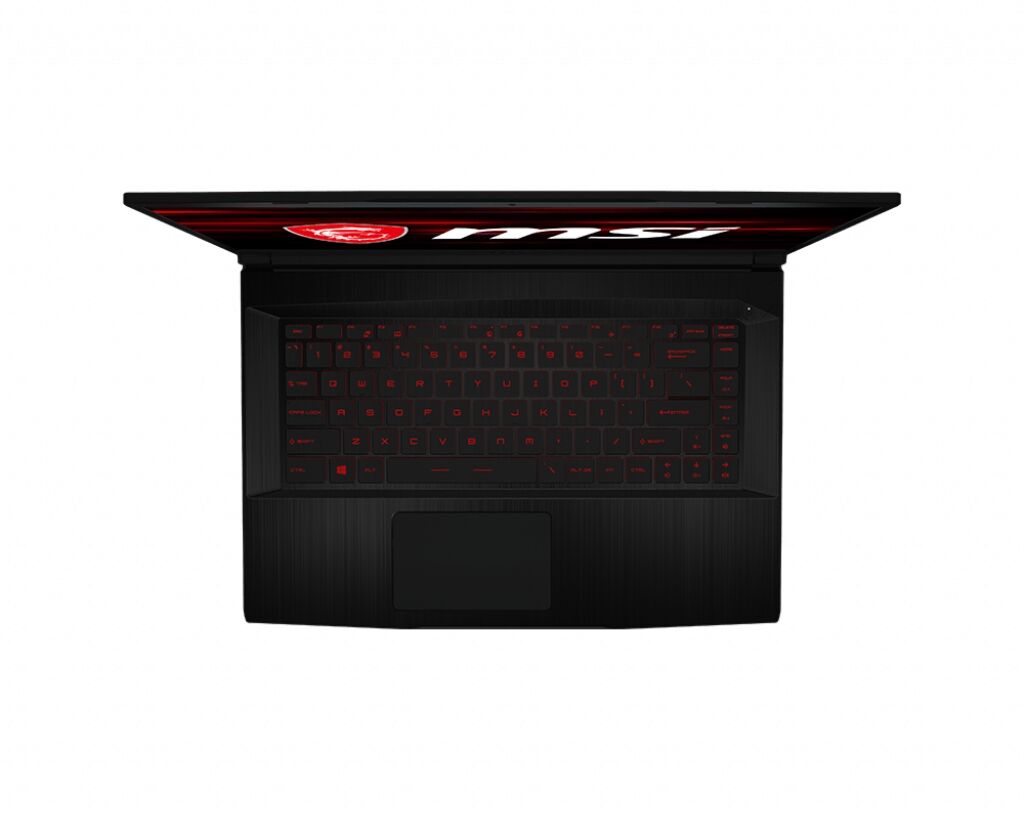
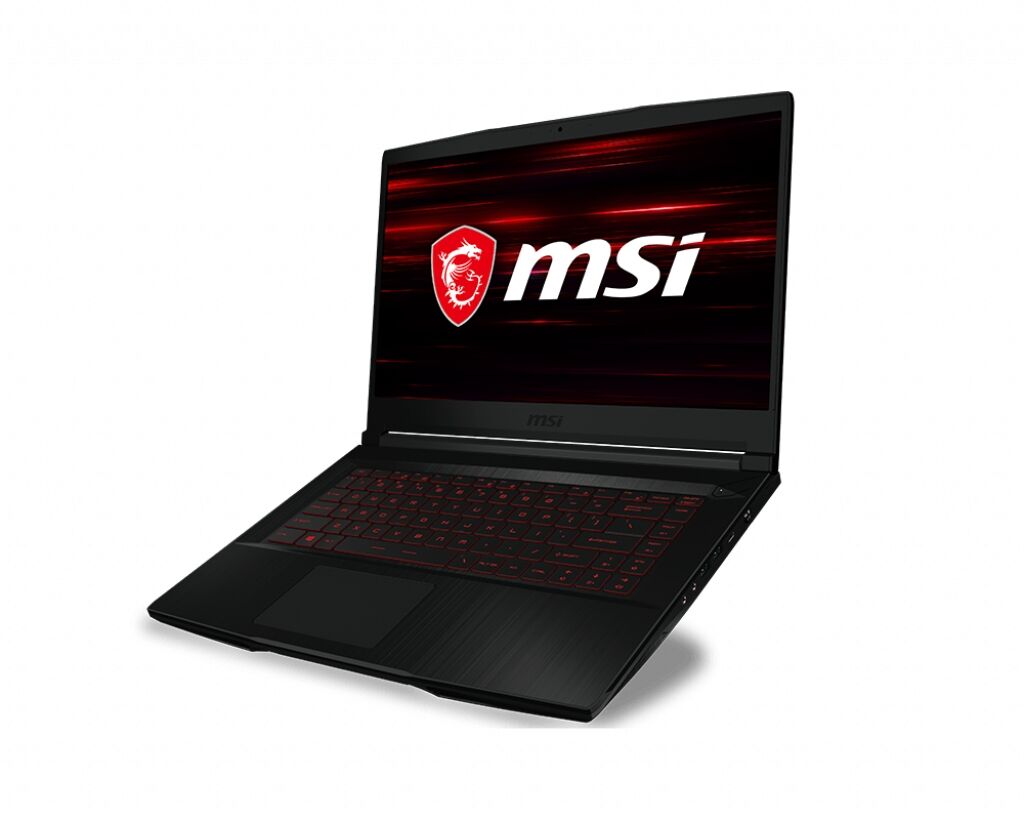
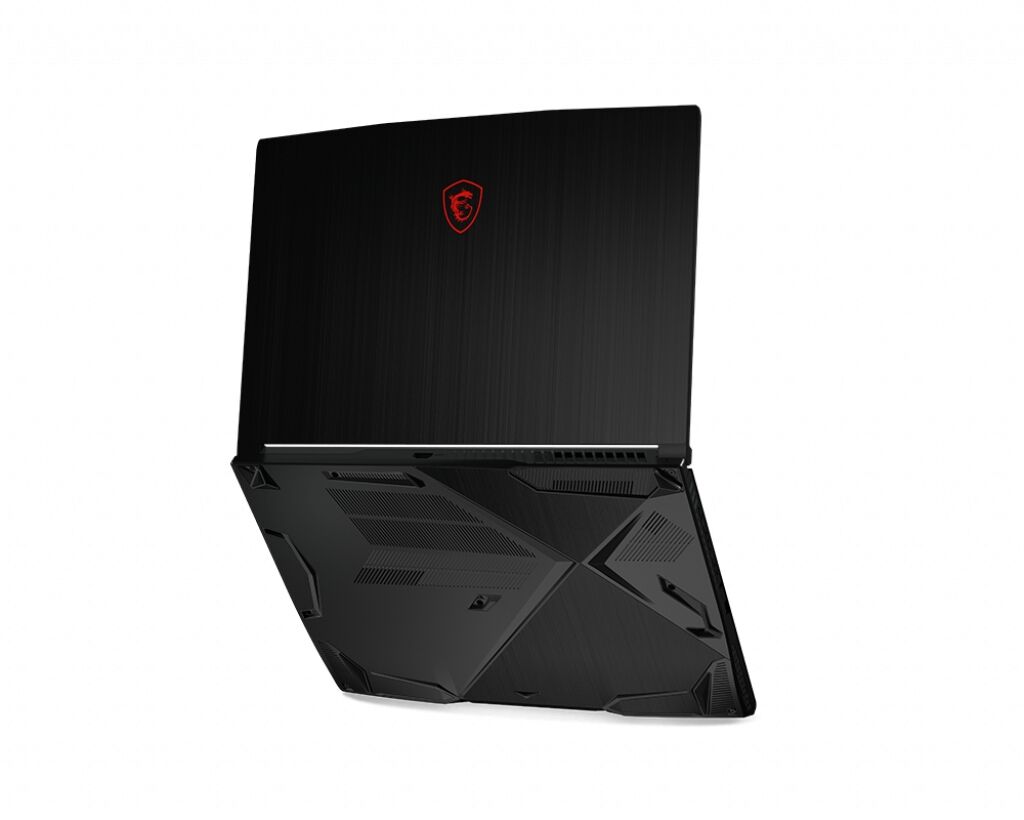
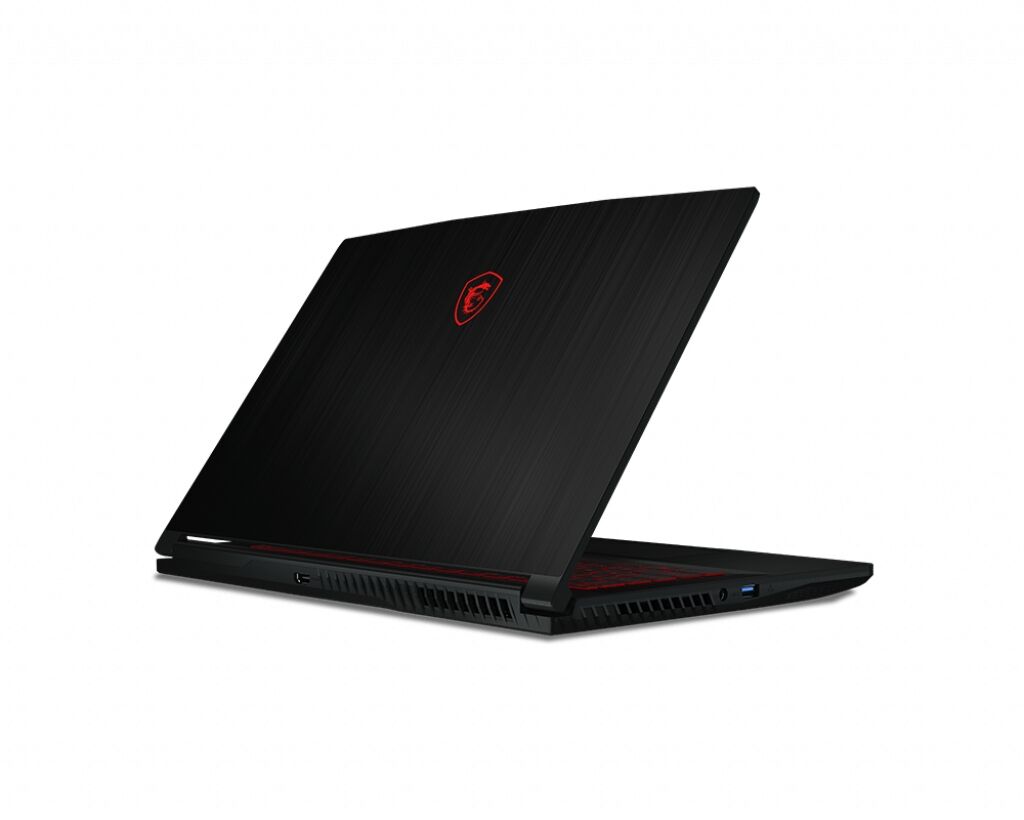
The MSI GF63 Thin 10SCXR-687XFR gaming laptop features DDR4-SDRAM memory upgrade specifications with 2x SO-DIMM slots supporting maximum capacity of 64 GB. Compatible memory modules operate at 2666 MHz frequency. The GF series gaming model accepts SO-DIMM form factor memory upgrades for expanded RAM capacity. Specifications indicate dual memory slots available for compatible DDR4 upgrades on this MSI gaming laptop.
Memory Upgrade Specifications
| Specification | Value |
|---|---|
| Memory slots | 2x SO-DIMM |
| Form factor | SO-DIMM |
| Memory type | DDR4-SDRAM |
| Frequency | 2666 MHz |
| Maximum RAM | 64 GB |
| Voltage | 1.2V |
| Number of pins | 260-pin |
| Interface | PC4 |
| PC Speed Rating | PC4-2666 (PC4-21328) |
| Bandwidth | 21.3 GB/s |
| Laptop Release date | 22 November 2020 |
Additional Notes
- The MSI GF63 Thin 10SCXR-687XFR contains 2 SO-DIMM slots, meaning both slots must be populated to achieve rated memory bandwidth; a single module configuration will operate in single-channel mode and reduce memory throughput by approximately 50 percent relative to dual-channel operation.
- DDR4-2666 MHz frequency represents a conservative specification typical of 10th-generation Intel mobile processors; newer DDR4-3200 MHz modules will function but will downclock to 2666 MHz, negating any performance advantage from higher-speed memory.
- The 64 GB maximum capacity ceiling indicates firmware-level address limitations; exceeding this threshold via mixed-capacity modules (e.g., 32 GB + 32 GB) will not expand usable memory beyond the stated maximum.
- SO-DIMM form factor requires laptop-specific memory modules; standard desktop DDR4 DIMM sticks are physically incompatible and cannot be force-fitted due to notch key differences.
- Upgrading beyond factory configuration requires removing the system's bottom panel; this action typically does not void warranty coverage under standard consumer protection terms, provided thermal paste seals and security screws remain undisturbed.
- Memory speed is constrained by the host processor's integrated memory controller, not the SO-DIMM module specifications; CPU-level memory request arbitration will not exceed 2666 MHz regardless of installed module capabilities.
- Dual-slot architecture prevents single-module maximum-capacity upgrades; achieving 64 GB capacity requires 2x 32 GB modules, necessitating complete replacement of any existing memory sticks rather than additive expansion.