MSI Gaming GF65 10SER-1223CA Thin RAM upgrade specifications
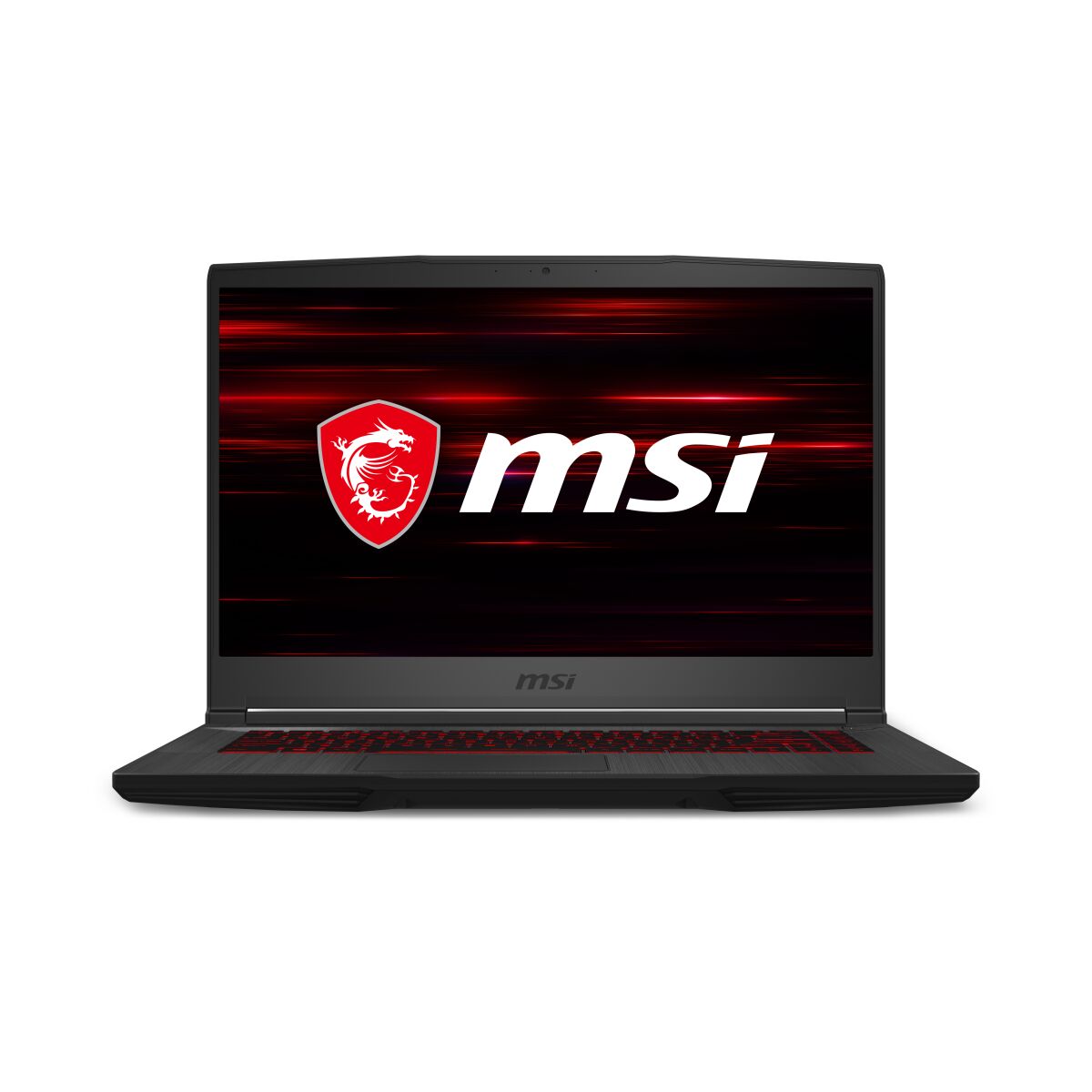
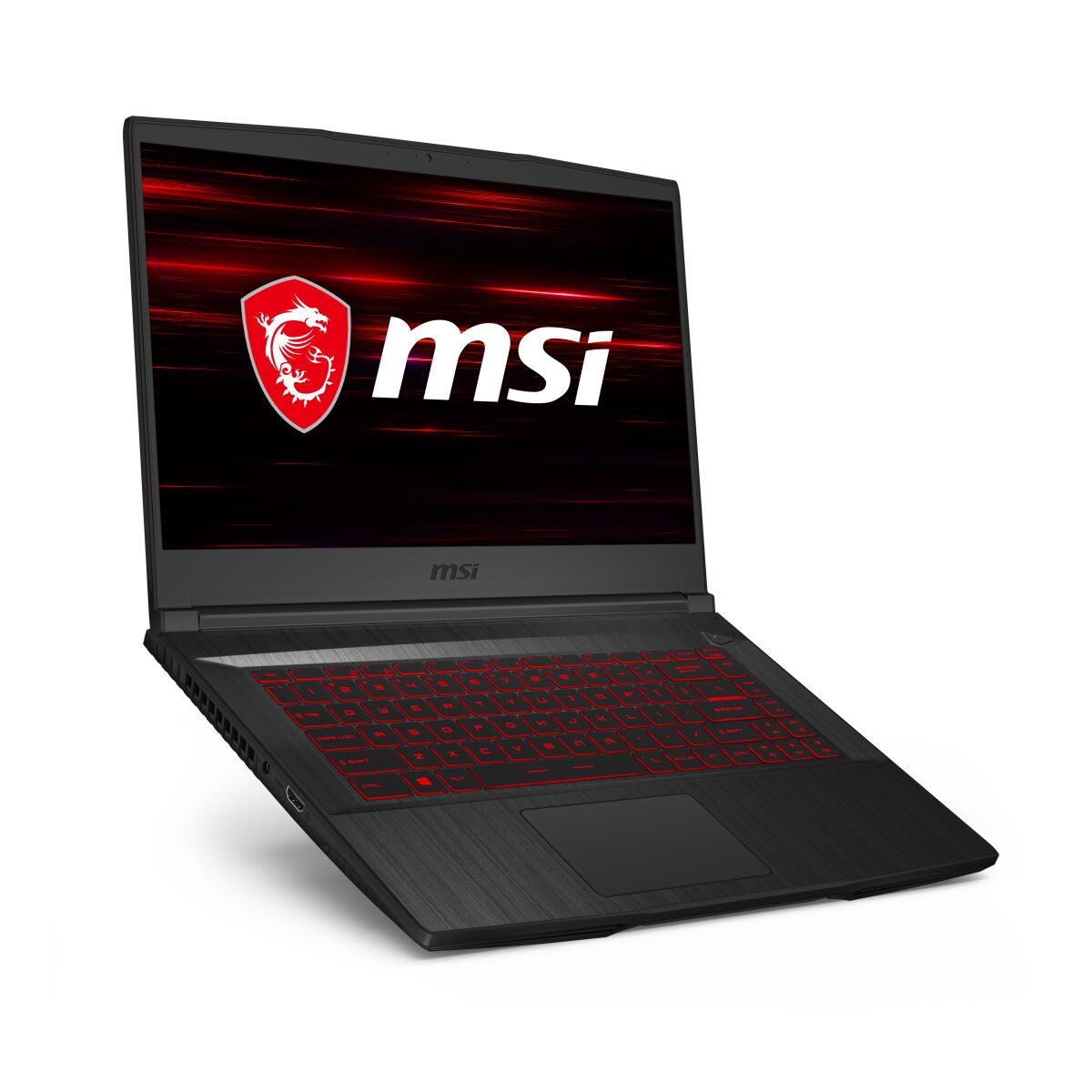

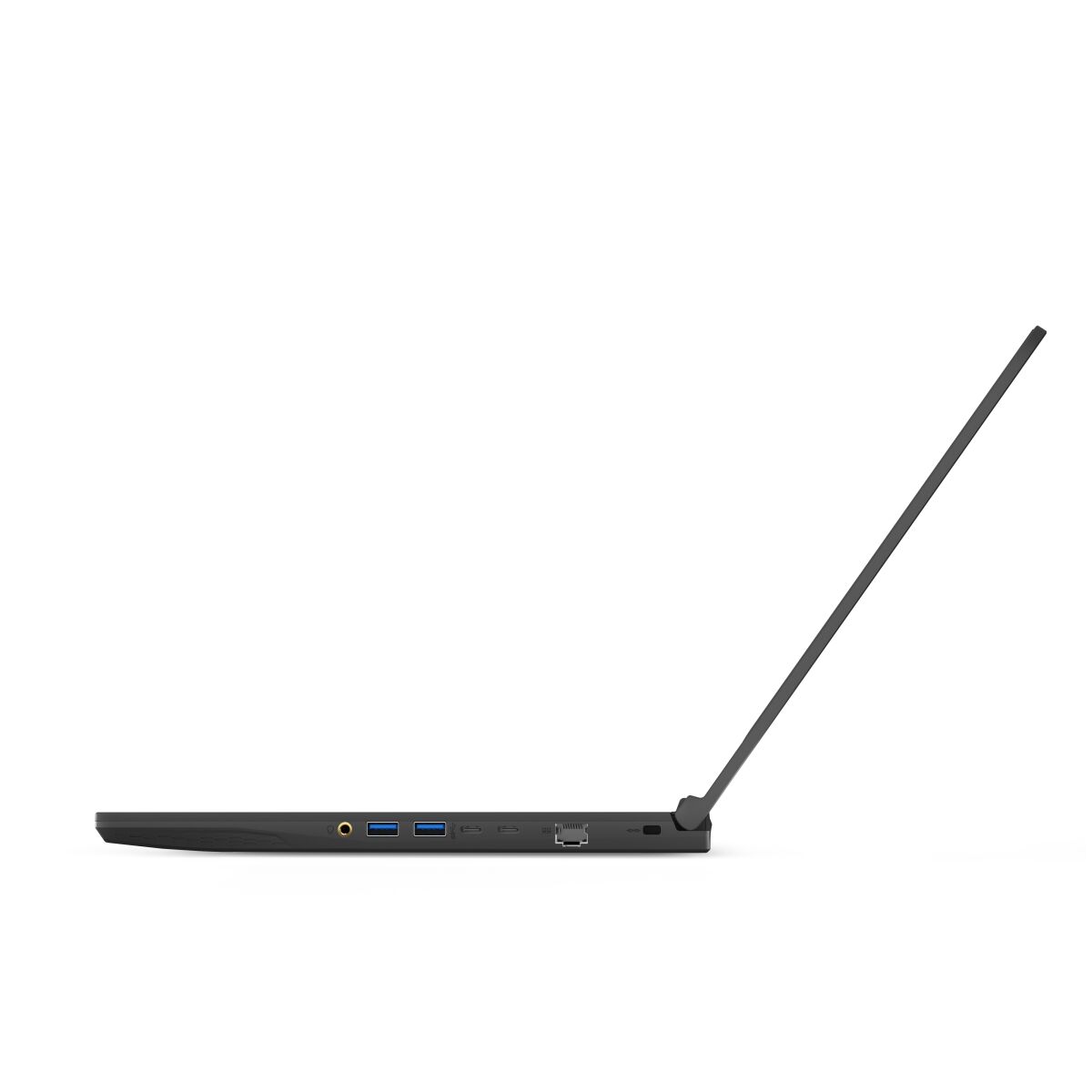
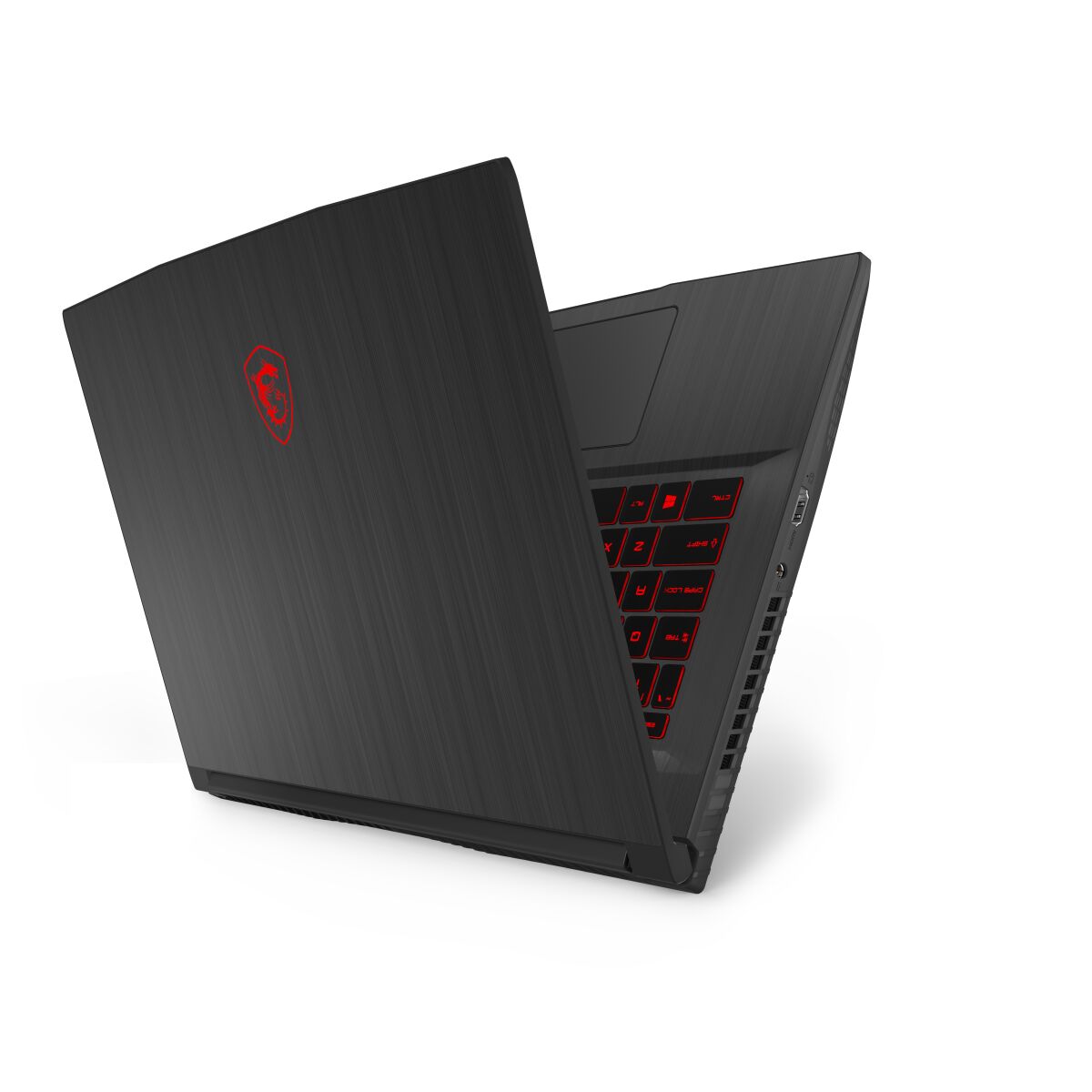
MSI GF65 10SER-1223CA Thin Gaming laptop features DDR4-SDRAM memory upgrade specifications with two SO-DIMM slots supporting maximum capacity of 64 GB total. Compatible memory modules operate at 3200 MHz frequency. Existing memory configurations can be expanded by replacing or adding DDR4 SO-DIMM modules within the available slots. Upgrade specifications indicate the laptop supports standard DDR4 SDRAM technology with SO-DIMM form factor, enabling memory expansion up to the maximum supported capacity for enhanced multitasking and performance.
Memory Upgrade Specifications
| Specification | Value |
|---|---|
| Memory slots | 2x SO-DIMM |
| Form factor | SO-DIMM |
| Memory type | DDR4-SDRAM |
| Frequency | 3200 MHz |
| Maximum RAM | 64 GB |
| Voltage | 1.2V |
| Number of pins | 260-pin |
| Interface | PC4 |
| PC Speed Rating | PC4-3200 (PC4-25600) |
| Bandwidth | 25.6 GB/s |
| Laptop Release date | 31 March 2021 |
Additional Notes
- The MSI GF65 10SER-1223CA Thin uses SO-DIMM slots, which are laptop-specific form factors incompatible with desktop DDR4 modules. Replacement memory must match this physical specification exactly.
- DDR4-3200 operates at a standardized JEDEC frequency, reducing the risk of stability issues during upgrade. Modules rated above 3200 MHz will downclock to this native speed unless XMP profiles are manually enabled in BIOS.
- Dual-channel configuration across 2 slots means installing mismatched capacities or speeds will force both modules to operate at the lowest common denominator, negating performance gains from higher-capacity or faster single upgrades.
- The 64 GB maximum capacity ceiling indicates this platform uses a 16-bit memory bus architecture typical of mobile processors from the 10th generation Intel lineup. Exceeding this limit requires hardware replacement rather than software workarounds.
- Factory-installed memory often operates at lower latency timings than third-party modules. Mixing OEM and aftermarket SO-DIMMs may introduce latency asymmetries that degrade multithreaded workload performance, particularly in gaming scenarios where frame consistency depends on uniform memory access patterns.
- SO-DIMM slots on gaming laptops typically lack thermal management features present in desktop platforms. High-capacity modules (32 GB per slot) generate measurable thermal output, potentially affecting sustained performance in extended gaming sessions if airflow obstruction occurs around the memory area.
- Warranty terms on MSI gaming laptops frequently void coverage if non-approved memory causes system instability. Purchasing modules from the manufacturer's approved vendor list mitigates liability disputes during RMA claims.