MSI Gaming GF65 10SER-1228XIT Thin RAM upgrade specifications
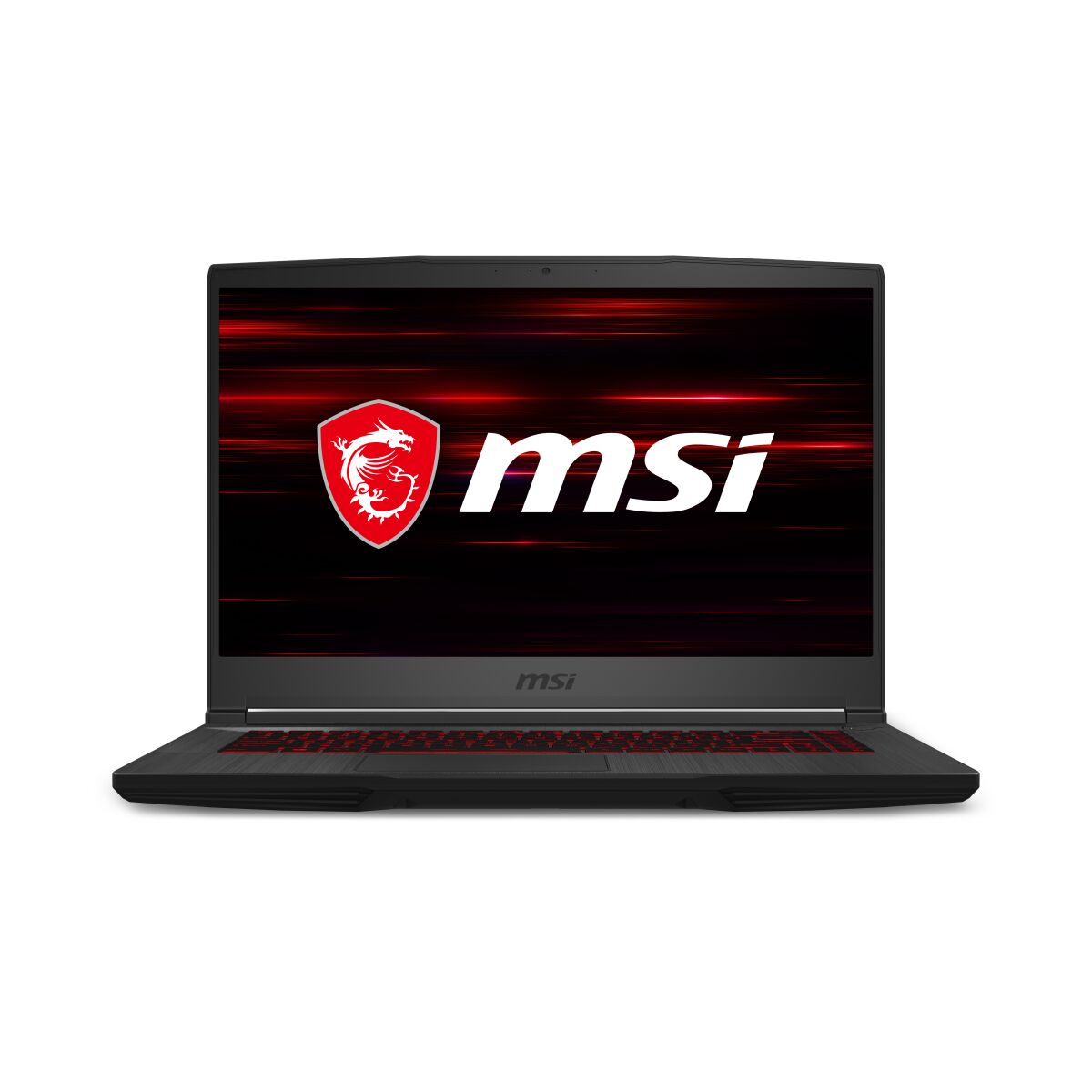
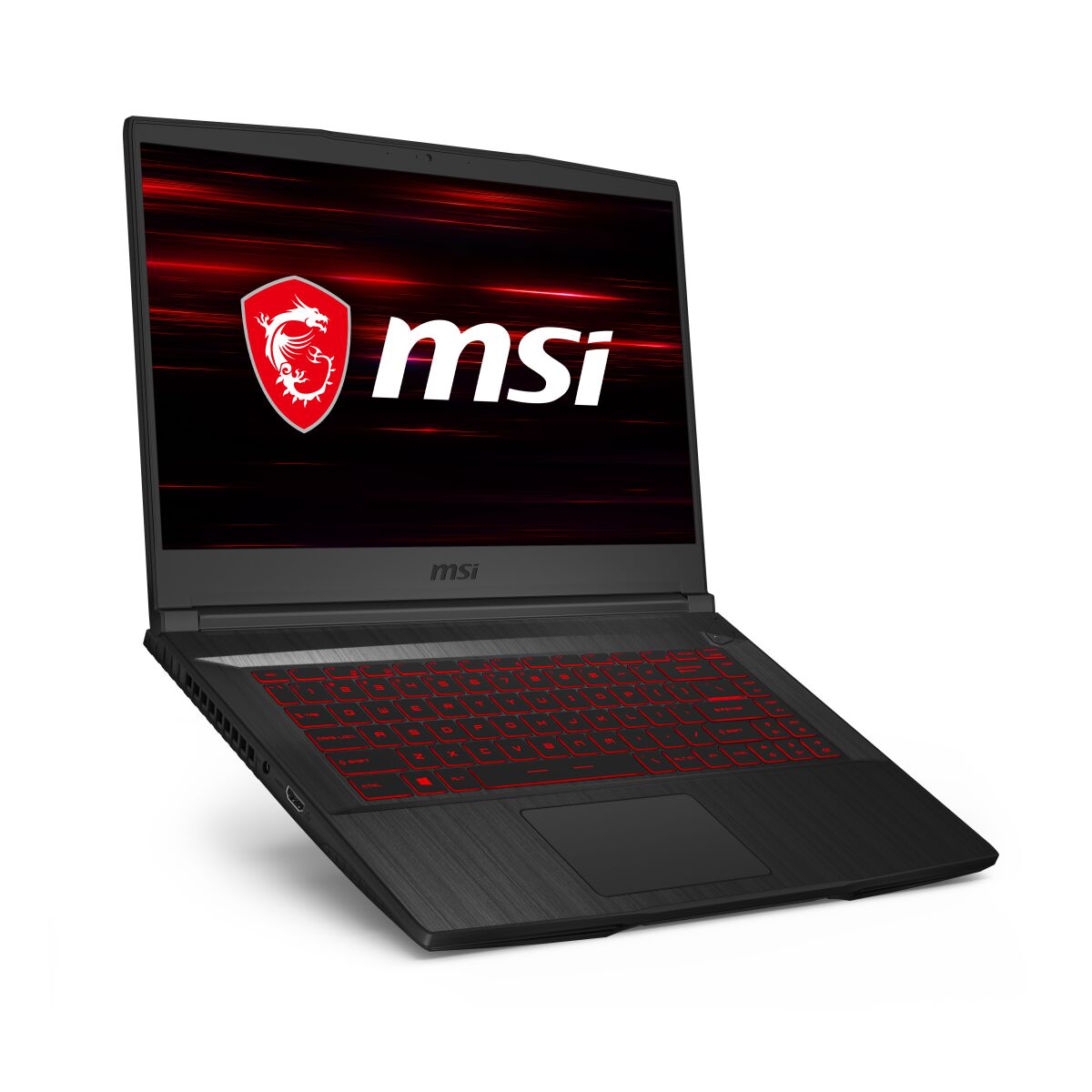
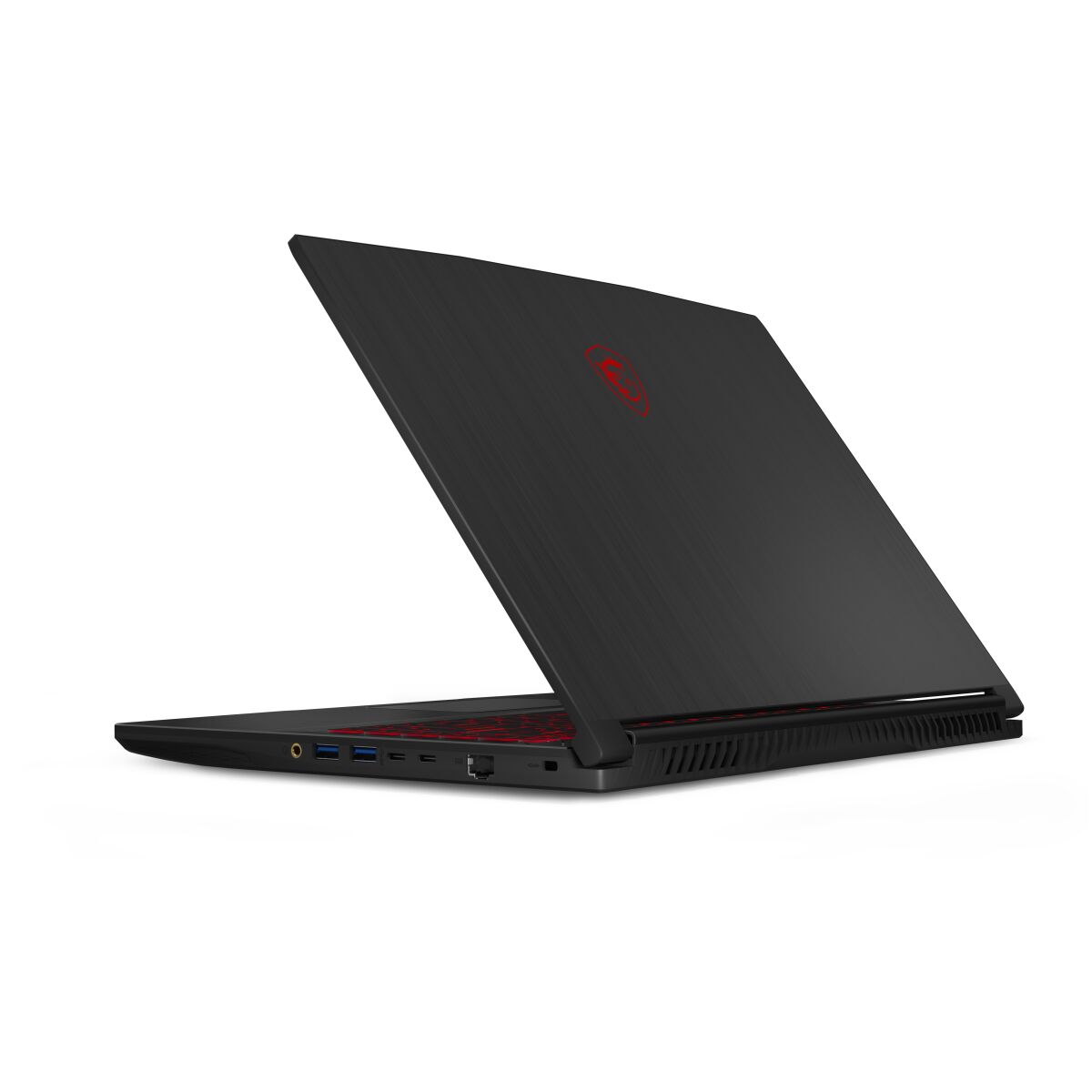
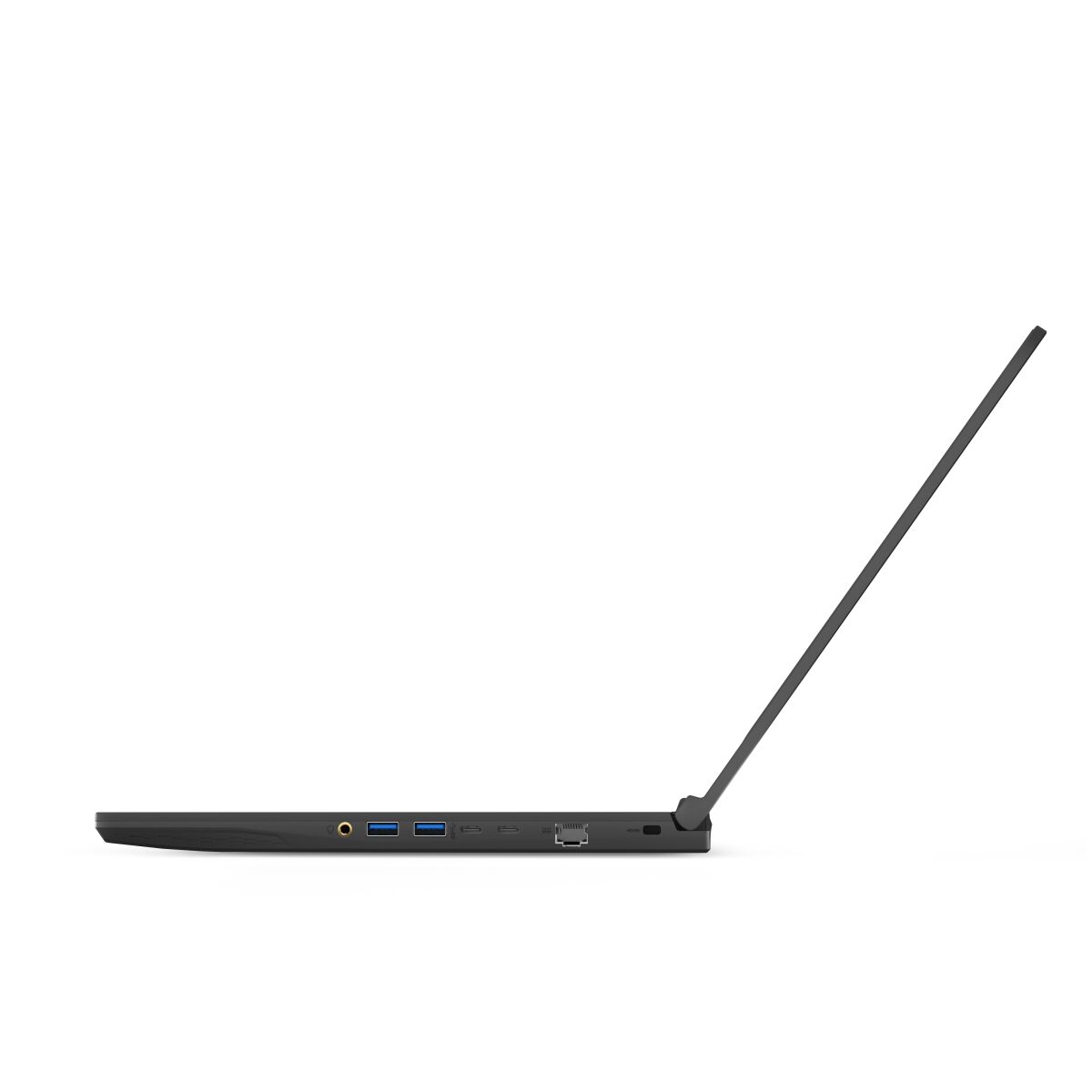
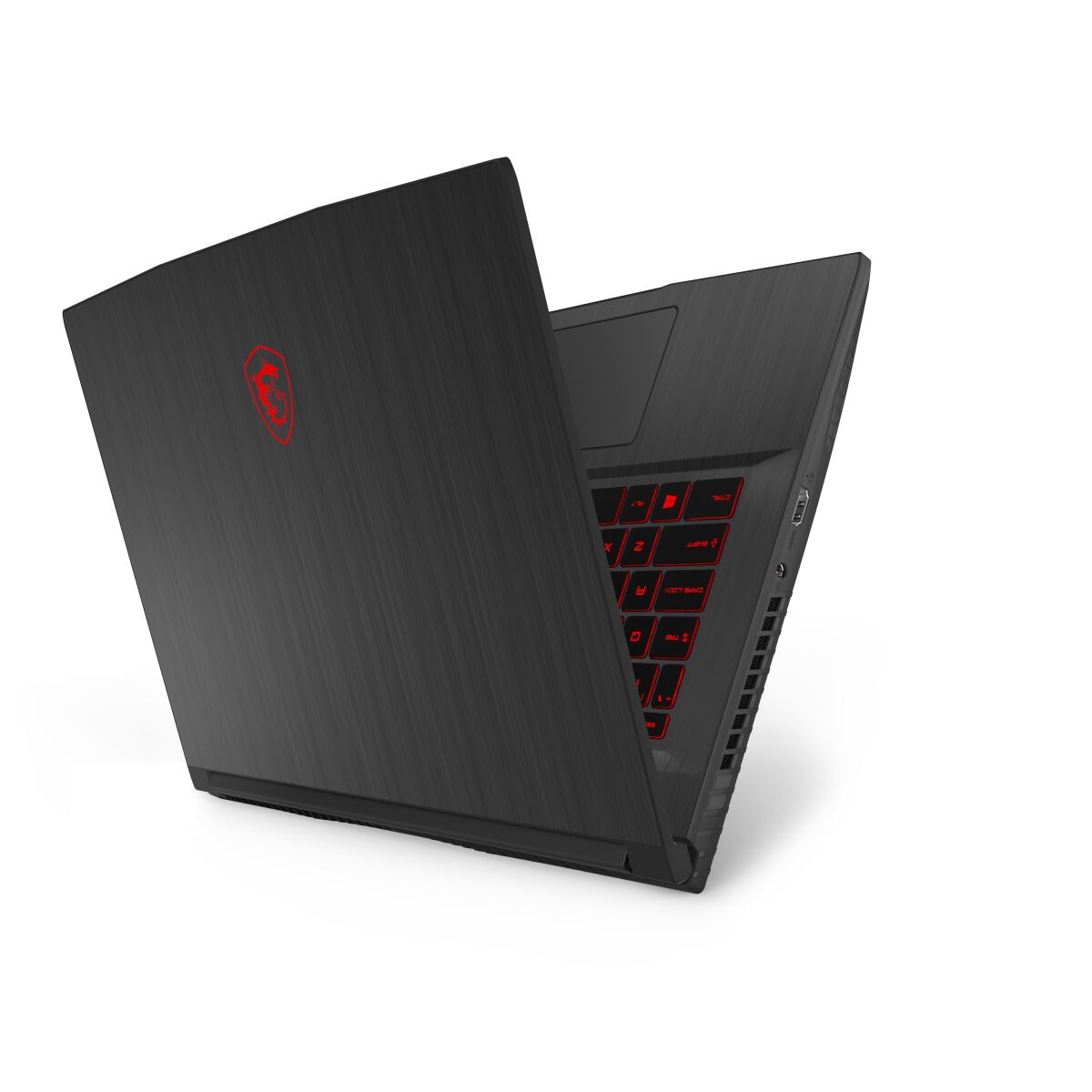
MSI GF65 10SER-1228XIT Thin gaming laptop features DDR4-SDRAM memory upgrade specifications with two SO-DIMM slots supporting maximum capacity of 64 GB RAM. Compatible memory operates at 3200 MHz frequency. Upgrade specifications enable memory expansion through dual slot configuration, allowing users to achieve up to 64 GB total capacity. SO-DIMM form factor specifications define compatible memory modules for this gaming series model. DDR4-SDRAM technology provides standard memory specifications for performance optimization.
Memory Upgrade Specifications
| Specification | Value |
|---|---|
| Memory slots | 2x SO-DIMM |
| Form factor | SO-DIMM |
| Memory type | DDR4-SDRAM |
| Frequency | 3200 MHz |
| Maximum RAM | 64 GB |
| Voltage | 1.2V |
| Number of pins | 260-pin |
| Interface | PC4 |
| PC Speed Rating | PC4-3200 (PC4-25600) |
| Bandwidth | 25.6 GB/s |
| Laptop Release date | 16 January 2021 |
Additional Notes
- The MSI GF65 10SER-1228XIT Thin uses laptop-grade SO-DIMM slots rather than desktop UDIMM form factor, restricting replacement modules to compact 260-pin configurations and eliminating compatibility with standard desktop RAM.
- DDR4-3200 operation depends on BIOS firmware support for Intel 10th generation processors; systems shipped with older BIOS versions may downclock to 2666 MHz or 2400 MHz until firmware is updated, reducing effective memory bandwidth by 15 to 25 percent.
- The 2-slot architecture with 64 GB maximum capacity indicates each SO-DIMM slot supports 32 GB modules; single-slot upgrades cannot exceed this per-module threshold, requiring matched pair replacement to achieve the full 64 GB configuration.
- SO-DIMM modules generate higher heat density than equivalent desktop DIMMs due to physical compaction; inadequate heatspreaders or thermal paste degradation on existing modules can trigger throttling during sustained gaming loads.
- Upgrading from factory configuration to 64 GB requires replacing both original modules simultaneously; retaining a single OEM module creates potential timing asymmetry issues if the replacement module uses different latency or voltage profiles, even at identical frequency ratings.
- Third-party RAM upgrades on this gaming platform void manufacturer warranty coverage for memory-related failures unless the upgrade is documented as compatible through MSI's official memory qualification list; installation performed outside authorized service channels provides no recourse for defects.
- The 3200 MHz specification requires Jedec profile compliance; overclocked or binned "gaming" RAM modules marketed above 3200 MHz will downclock to 3200 MHz on this platform and cannot be recovered to advertised speeds without risking system stability.