MSI Gaming GF65 10SER-690 Thin RAM upgrade specifications
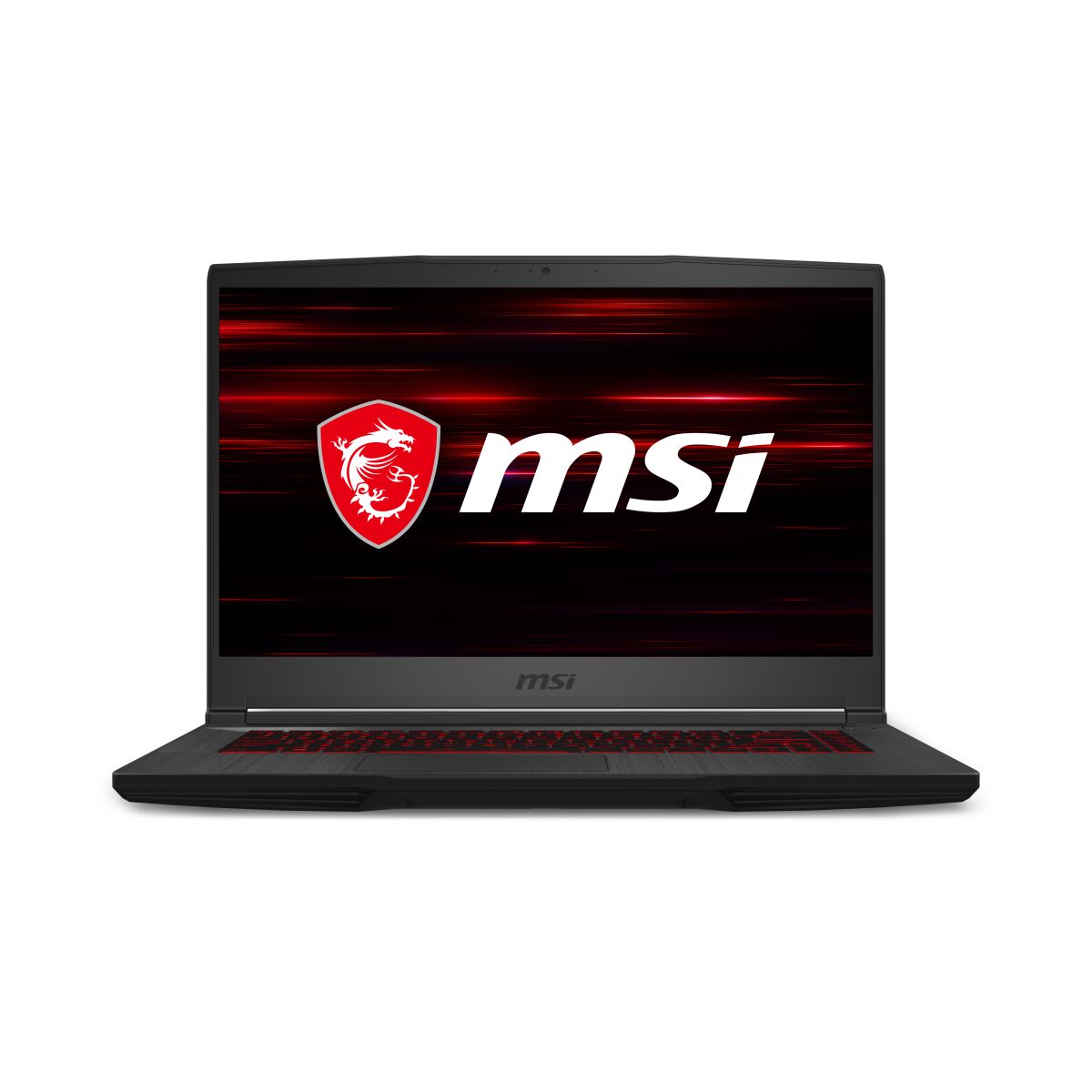
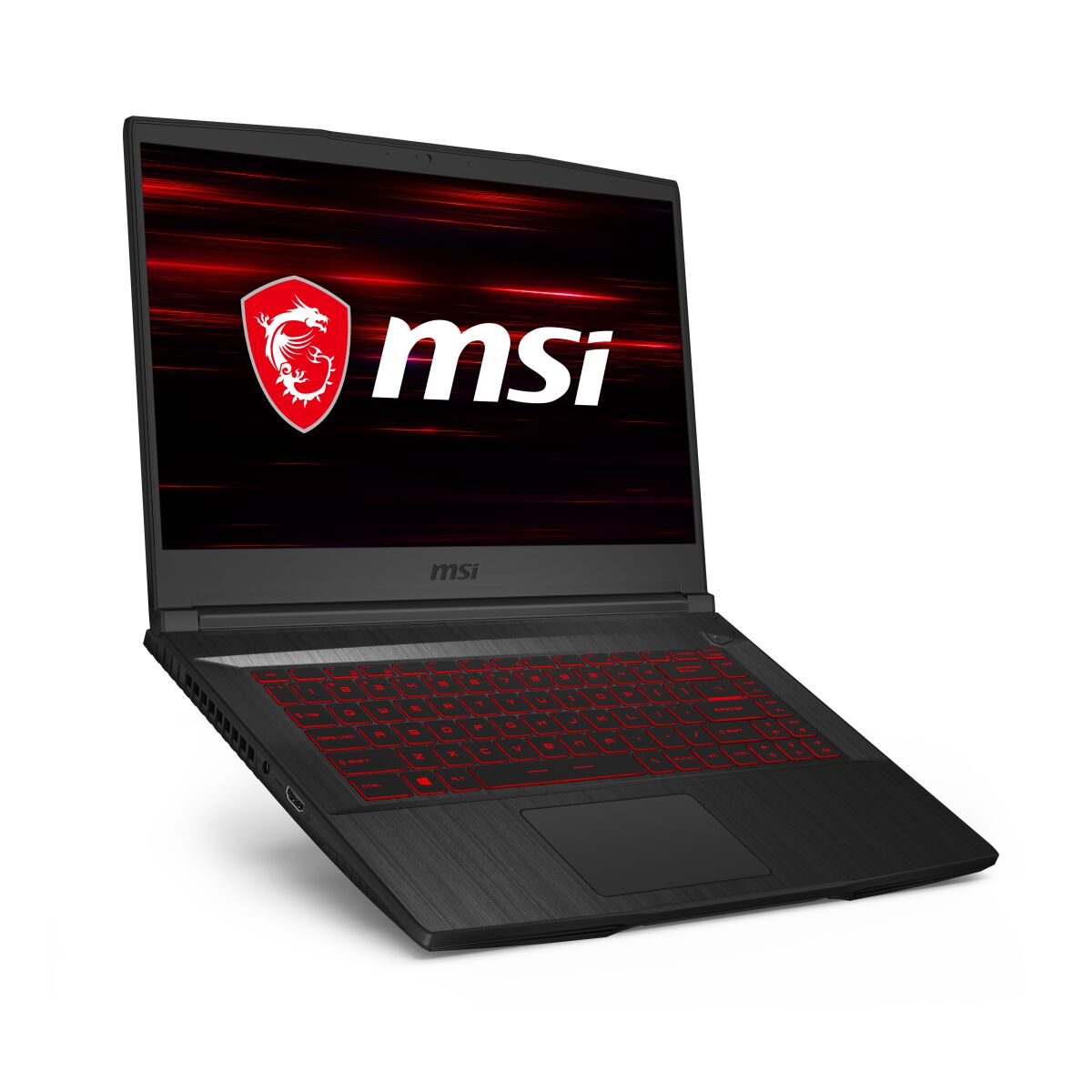
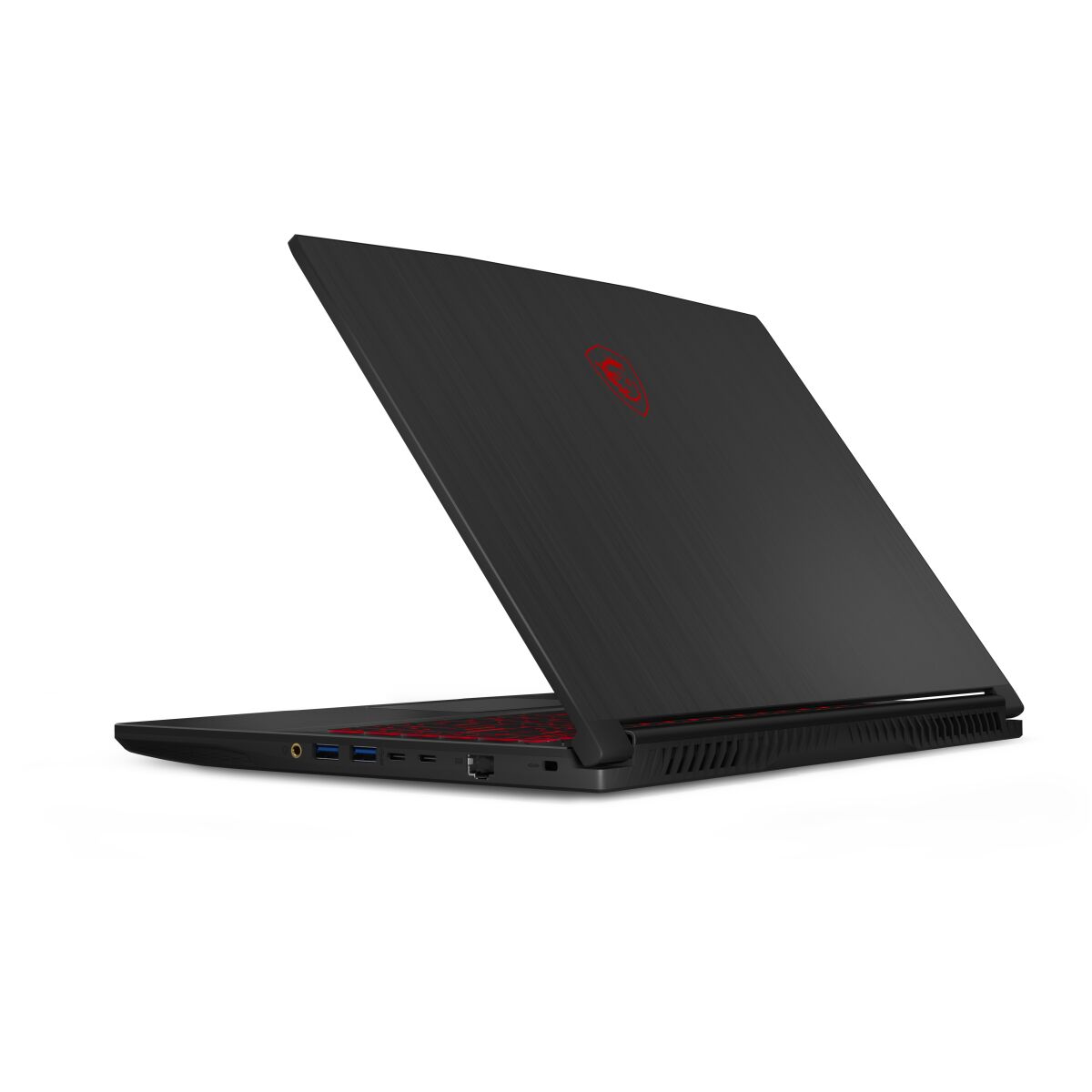
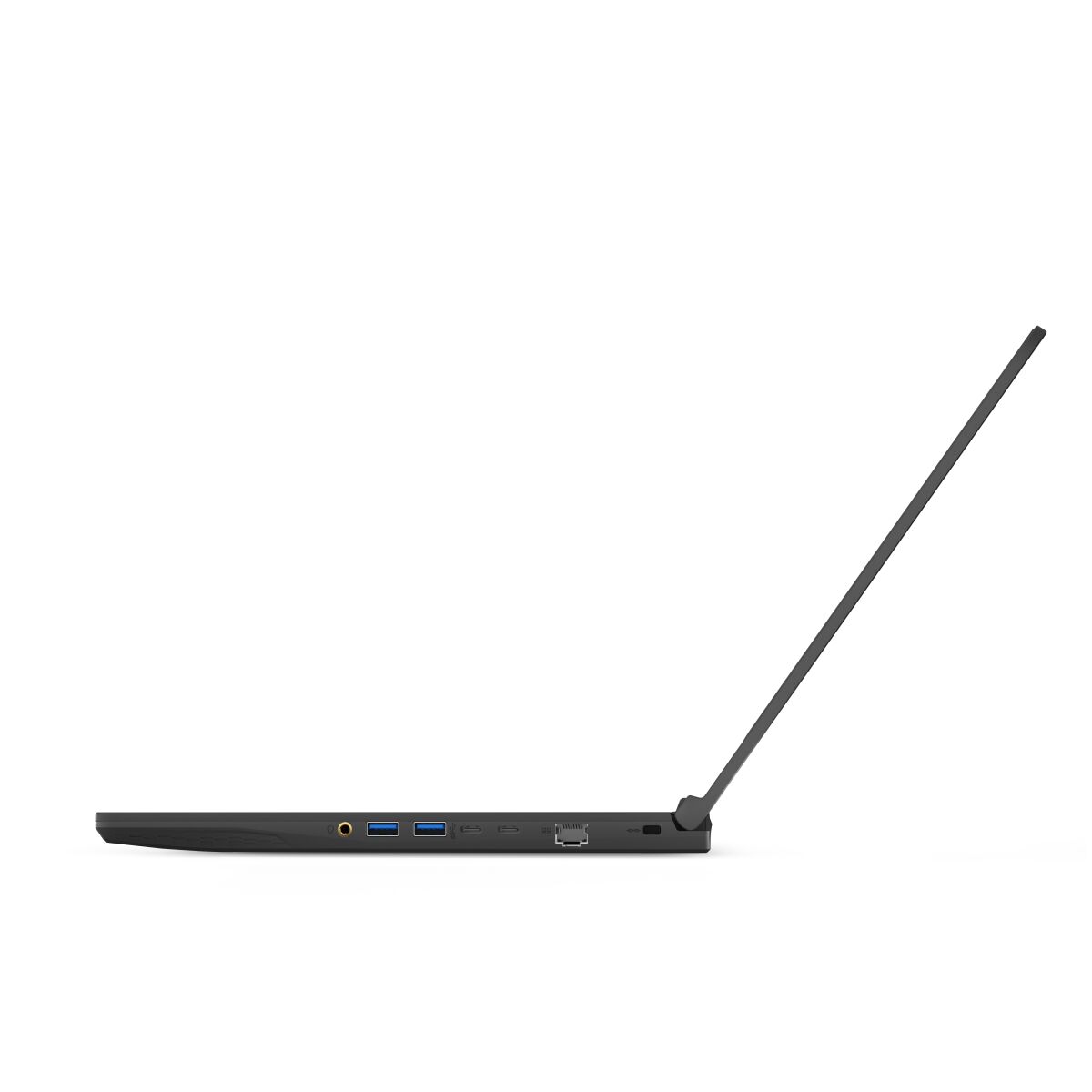
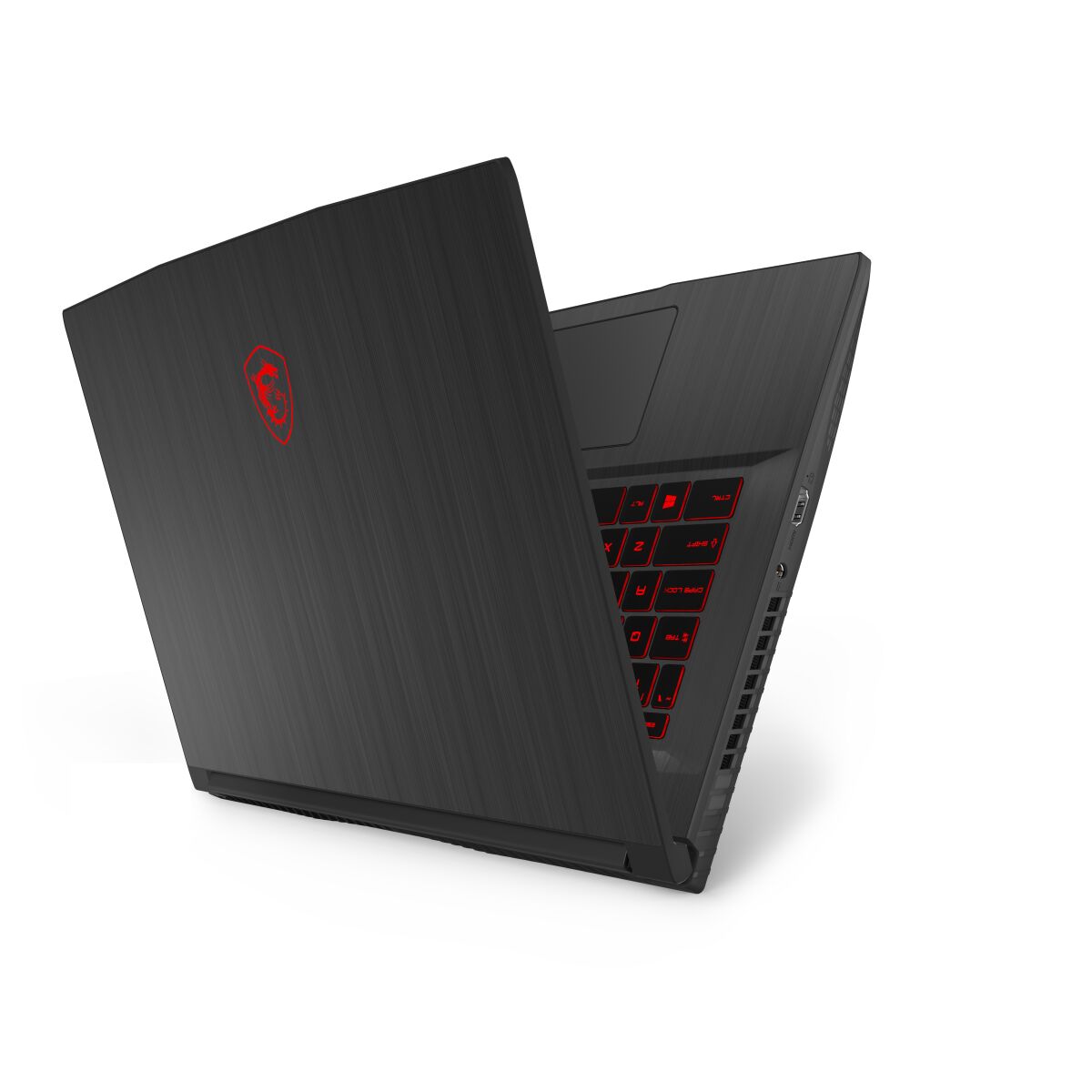
The MSI GF65 10SER-690 Thin gaming laptop features DDR4-SDRAM memory with 2x SO-DIMM slots supporting maximum capacity of 64 GB. Upgrade specifications indicate SO-DIMM form factor compatibility at 2666 MHz frequency. Compatible memory modules accommodate dual-channel configuration for enhanced system performance. Maximum RAM capacity reaches 64 GB when dual slots are fully populated with appropriate DDR4 modules. Specifications confirm standard laptop memory upgrade path for GF Series gaming systems.
Memory Upgrade Specifications
| Specification | Value |
|---|---|
| Memory slots | 2x SO-DIMM |
| Form factor | SO-DIMM |
| Memory type | DDR4-SDRAM |
| Frequency | 2666 MHz |
| Maximum RAM | 64 GB |
| Voltage | 1.2V |
| Number of pins | 260-pin |
| Interface | PC4 |
| PC Speed Rating | PC4-2666 (PC4-21328) |
| Bandwidth | 21.3 GB/s |
| Laptop Release date | 26 September 2020 |
Additional Notes
- The MSI GF65 10SER-690 Thin uses SO-DIMM modules, which are laptop-specific form factors incompatible with desktop DDR4 DIMMs despite matching electrical standards.
- Native frequency of 2666 MHz indicates the 10th-generation Intel processor (Comet Lake) runs memory at JEDEC baseline speeds; higher-frequency modules will operate at 2666 MHz unless BIOS overclocking is enabled, negating any performance benefit from premium kits.
- Dual-slot configuration with 64 GB maximum capacity means each slot supports 32 GB modules; purchasing matched pairs ensures dual-channel operation and optimal bandwidth for gaming workloads.
- Physical access typically requires keyboard removal and possible thermal pad manipulation on gaming-class thin laptops; installation complexity exceeds consumer-grade consumer devices and carries risk of damaging peripheral components.
- DDR4-SDRAM at 2666 MHz produces approximately 42.6 GB/s peak bandwidth per channel; GPU-heavy gaming titles may experience latency bottlenecks if system memory cannot sustain concurrent CPU and discrete graphics memory requests.
- Warranty implications: consumer upgrades to memory slots are generally covered under manufacturer terms for MSI gaming systems, but thermal paste disturbance during disassembly may void coverage if thermal performance subsequently degrades.
- Upgrading beyond 16 GB provides marginal gains for gaming at standard display refresh rates; the benefit emerges only in CPU-bound scenarios like streaming, content creation, or 144+ Hz competitive titles requiring sustained multi-threaded workloads.