MSI Gaming GF65 9SD-023 Thin RAM upgrade specifications
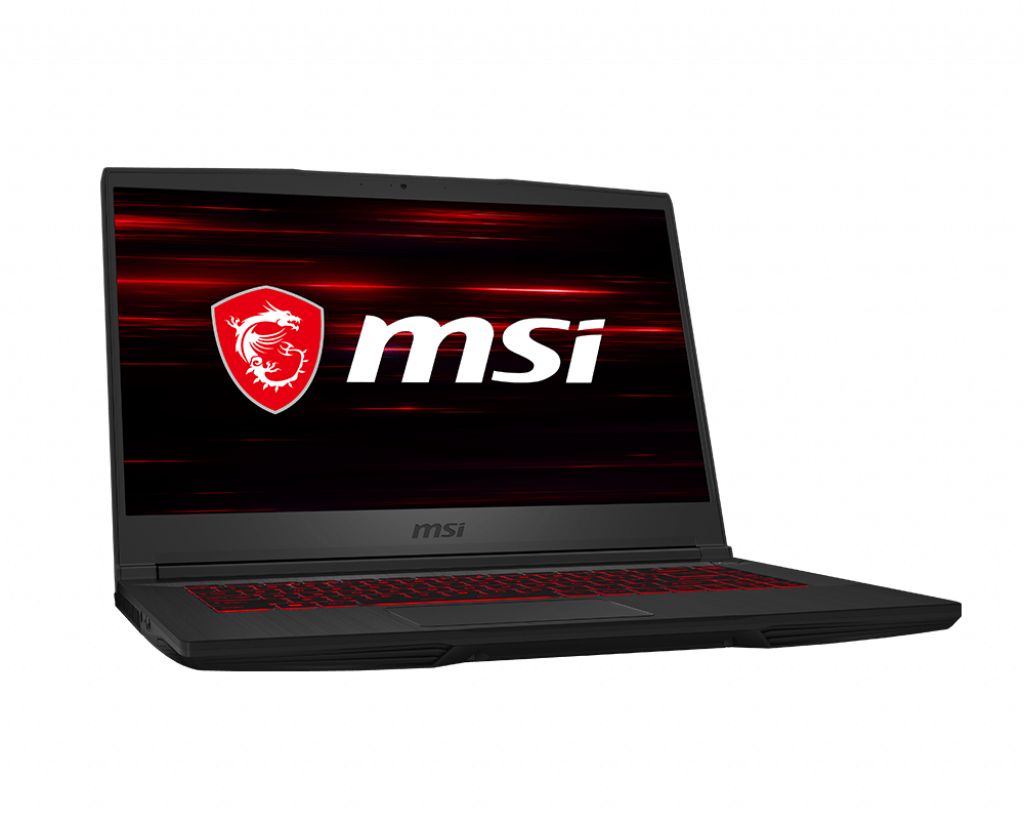
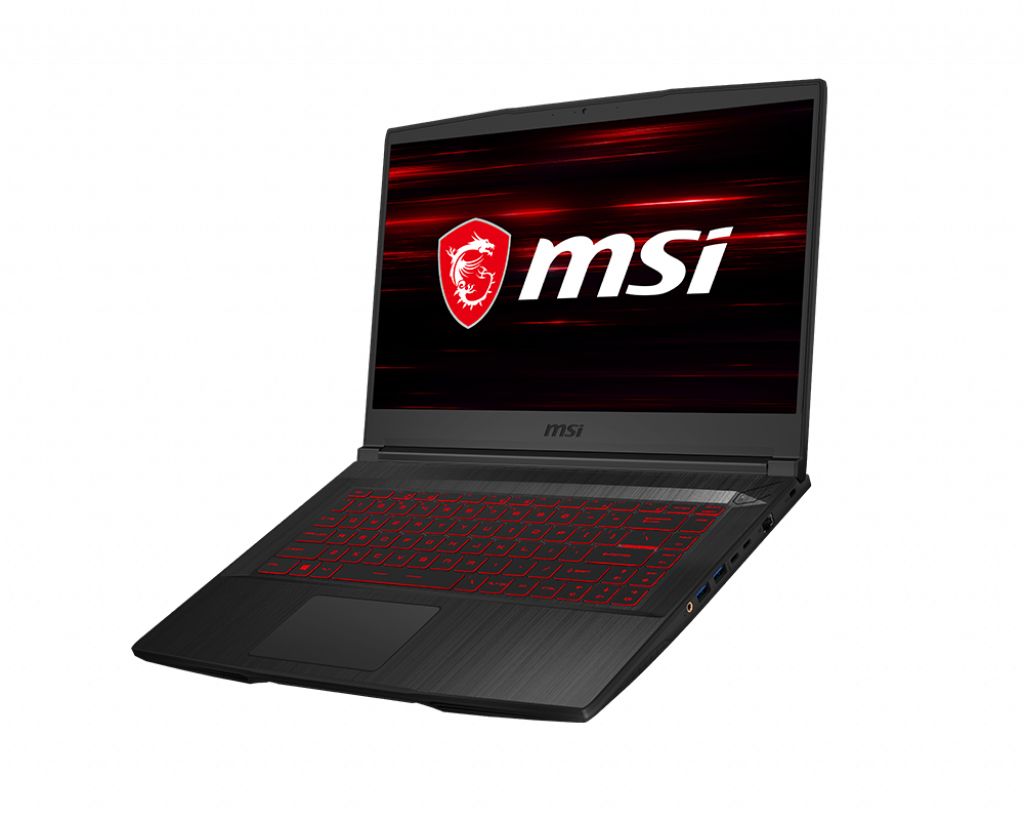

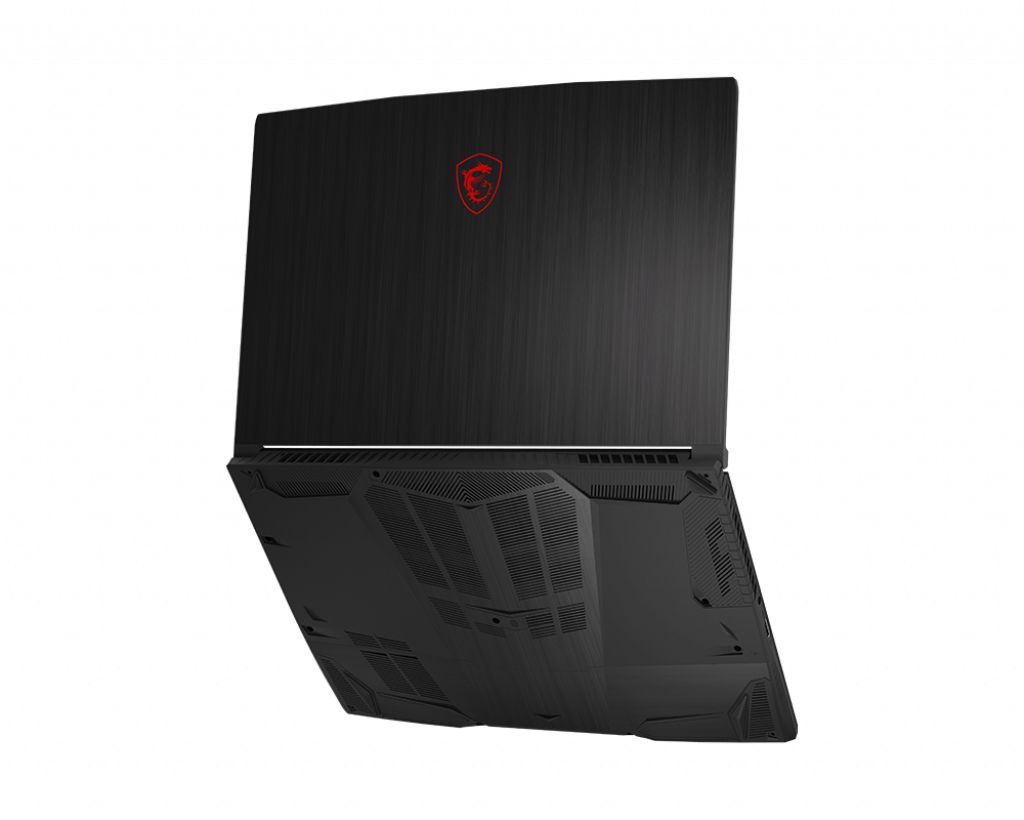
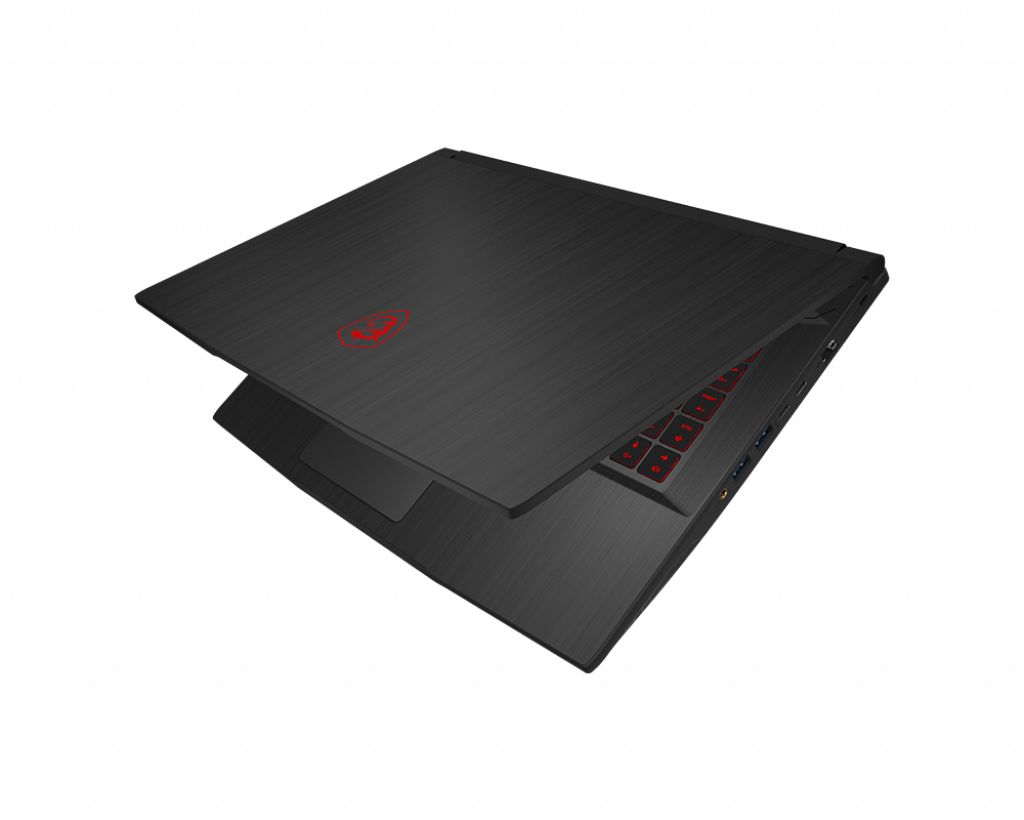
The MSI GF65 9SD-023 Thin Gaming series laptop features DDR4-SDRAM memory upgrade specifications with two SO-DIMM slots available for capacity expansion. Compatible RAM modules operate at 2666 MHz frequency with maximum supported memory capacity of 64 GB total. Memory upgrades utilize the SO-DIMM form factor, standard for this Gaming GF series model. Specifications indicate dual-slot architecture enabling modular memory configuration and replacement of existing modules for enhanced system performance.
Memory Upgrade Specifications
| Specification | Value |
|---|---|
| Memory slots | 2x SO-DIMM |
| Form factor | SO-DIMM |
| Memory type | DDR4-SDRAM |
| Frequency | 2666 MHz |
| Maximum RAM | 64 GB |
| Voltage | 1.2V |
| Number of pins | 260-pin |
| Interface | PC4 |
| PC Speed Rating | PC4-2666 (PC4-21328) |
| Bandwidth | 21.3 GB/s |
| Laptop Release date | 15 November 2019 |
Additional Notes
- The MSI GF65 9SD-023 Thin accommodates only SO-DIMM modules, which are laptop-specific form factors incompatible with standard desktop DDR4 memory. Desktop UDIMM modules will not physically fit the 2 slots.
- Native frequency support at 2666 MHz creates a bandwidth ceiling of approximately 42.6 GB/s per channel. Modules rated above 3000 MHz will downclock to native specifications, eliminating performance gains from higher-speed memory purchases.
- Both memory slots must contain matching pairs for dual-channel operation. Asymmetrical configurations (differing capacities or speeds) reduce throughput to single-channel bandwidth and increase latency variance during gaming workloads.
- The 64 GB capacity ceiling (32 GB per slot maximum) reflects 9th-generation processor architecture limitations. Modules exceeding 32 GB per stick will not be recognized or will trigger boot errors.
- SO-DIMM upgrades require motherboard compartment access beneath the keyboard assembly. Replacement voids warranties if non-authorized disassembly occurs; factory service documentation should be consulted before opening internal chassis sections.
- DDR4-2666 memory paired with 9th-generation mobile processors does not support JEDEC speeds above 2933 MHz without BIOS involvement. Overclocking memory on this platform risks system stability without documented timing modifications.