MSI Gaming GF65 9SD-069CN Thin RAM upgrade specifications
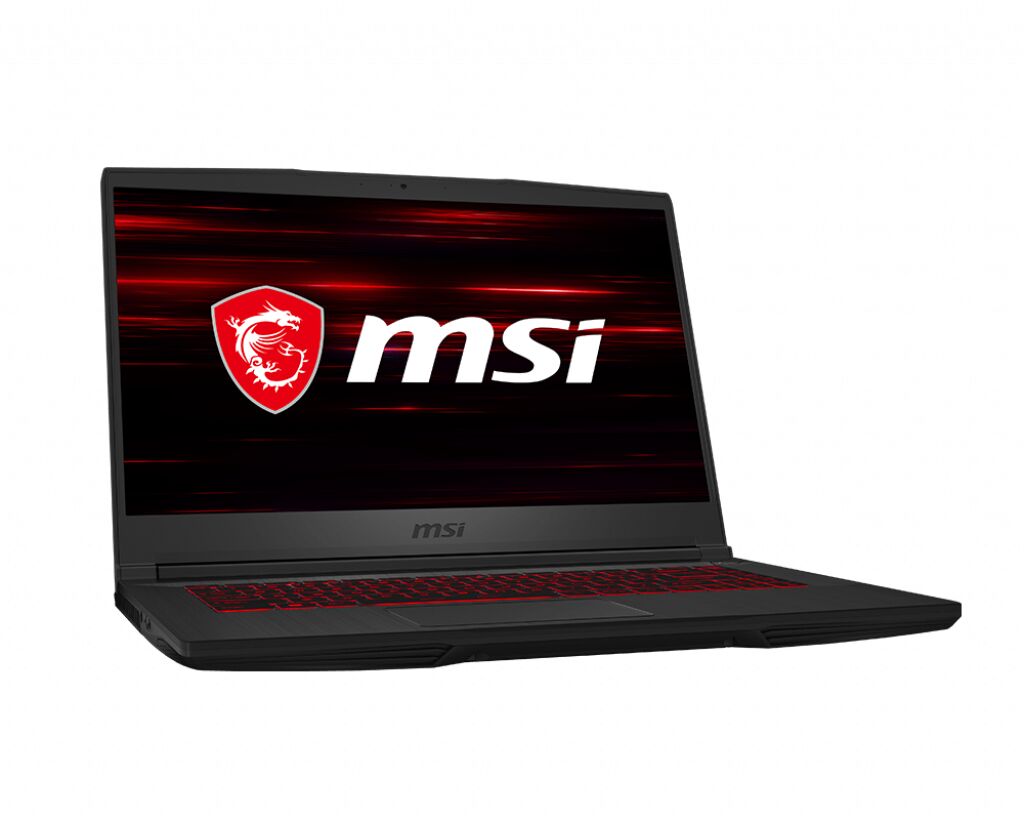


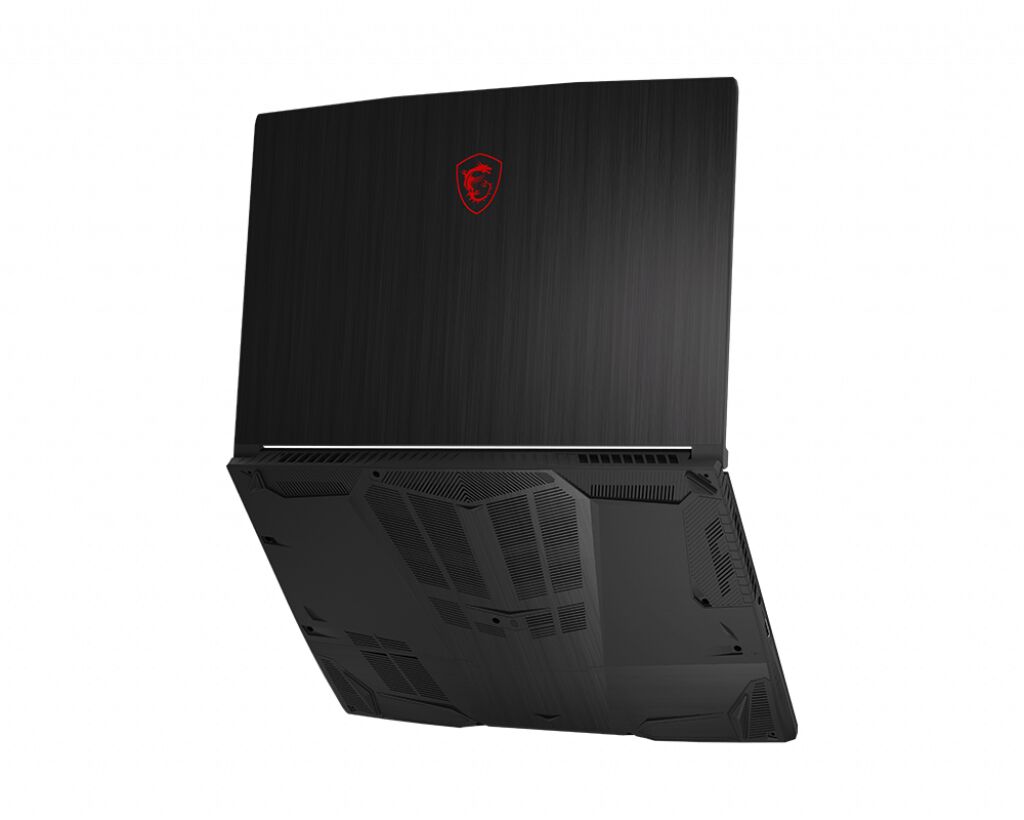
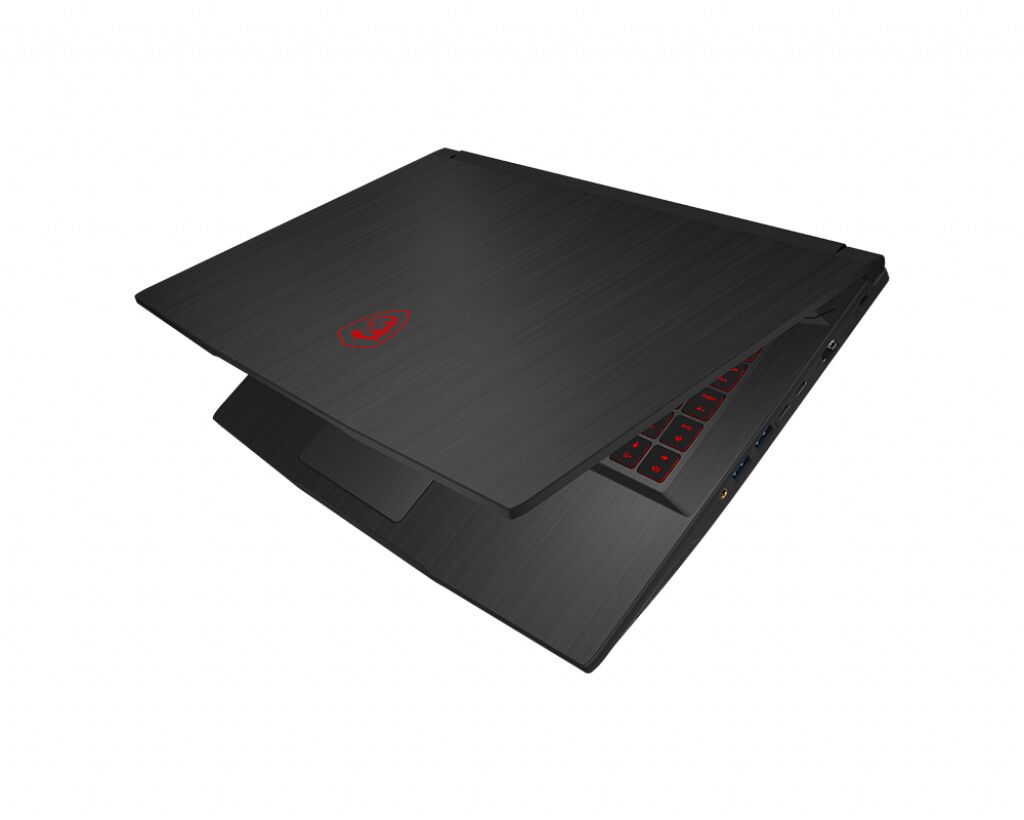
The MSI GF65 9SD-069CN Thin Gaming series laptop features DDR4-SDRAM memory upgrade specifications with two SO-DIMM slots supporting a maximum capacity of 64 GB total RAM. Memory modules operate at 2666 MHz frequency. Upgrade slots accommodate standard SO-DIMM form factor memory modules, providing compatibility with DDR4 specifications. Maximum memory configuration allows installation of dual 32 GB modules for complete capacity expansion in the Gaming GF series platform.
Memory Upgrade Specifications
| Specification | Value |
|---|---|
| Memory slots | 2x SO-DIMM |
| Form factor | SO-DIMM |
| Memory type | DDR4-SDRAM |
| Frequency | 2666 MHz |
| Maximum RAM | 64 GB |
| Voltage | 1.2V |
| Number of pins | 260-pin |
| Interface | PC4 |
| PC Speed Rating | PC4-2666 (PC4-21328) |
| Bandwidth | 21.3 GB/s |
| Laptop Release date | 16 June 2020 |
Additional Notes
- The MSI GF65 9SD-069CN Thin supports dual-channel memory architecture through its 2 SO-DIMM slots, enabling theoretical bandwidth of up to 42.6 GB/s when populated with matched pairs at the specified frequency.
- Memory modules exceeding 2666 MHz will downclock to match the system's maximum supported frequency, making higher-speed kits unnecessary from a performance standpoint.
- The 64 GB maximum capacity requires 32 GB modules in both slots, which may face compatibility issues with older BIOS versions that initially supported lower density configurations.
- Single-channel operation results from populating only one slot, reducing memory bandwidth by approximately 50 percent and potentially creating bottlenecks in GPU-intensive gaming scenarios.
- Non-matching module capacities or timings between slots may force the system to run at the lowest common specifications, degrading overall memory performance.
- The SO-DIMM form factor limits heat dissipation compared to desktop DIMM modules, making high-density configurations more susceptible to thermal throttling during sustained memory-intensive workloads.
- Voltage specifications for DDR4 SO-DIMM typically default to 1.2V, with modules rated above this threshold potentially requiring BIOS support for XMP profiles that may not be available on this platform.
- Access to memory slots on thin-profile gaming laptops often requires complete bottom panel removal, voiding seals that manufacturers use to track warranty-affecting disassembly.
- ECC memory modules are incompatible with consumer gaming platforms despite physical SO-DIMM compatibility, as the chipset lacks error-correction functionality.
- Rank configuration affects maximum capacity support, with dual-rank modules potentially hitting chipset limitations before reaching the stated 64 GB maximum on certain production batches.