MSI Gaming GF65 9SD-089XIT Thin RAM upgrade specifications
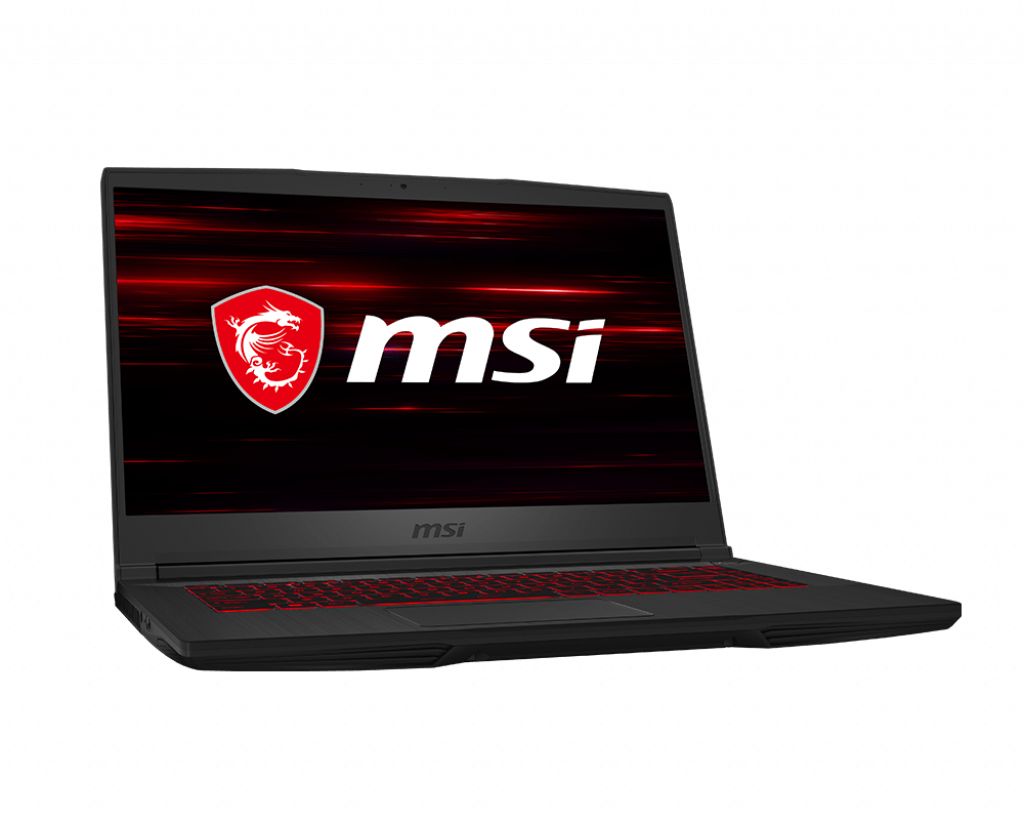
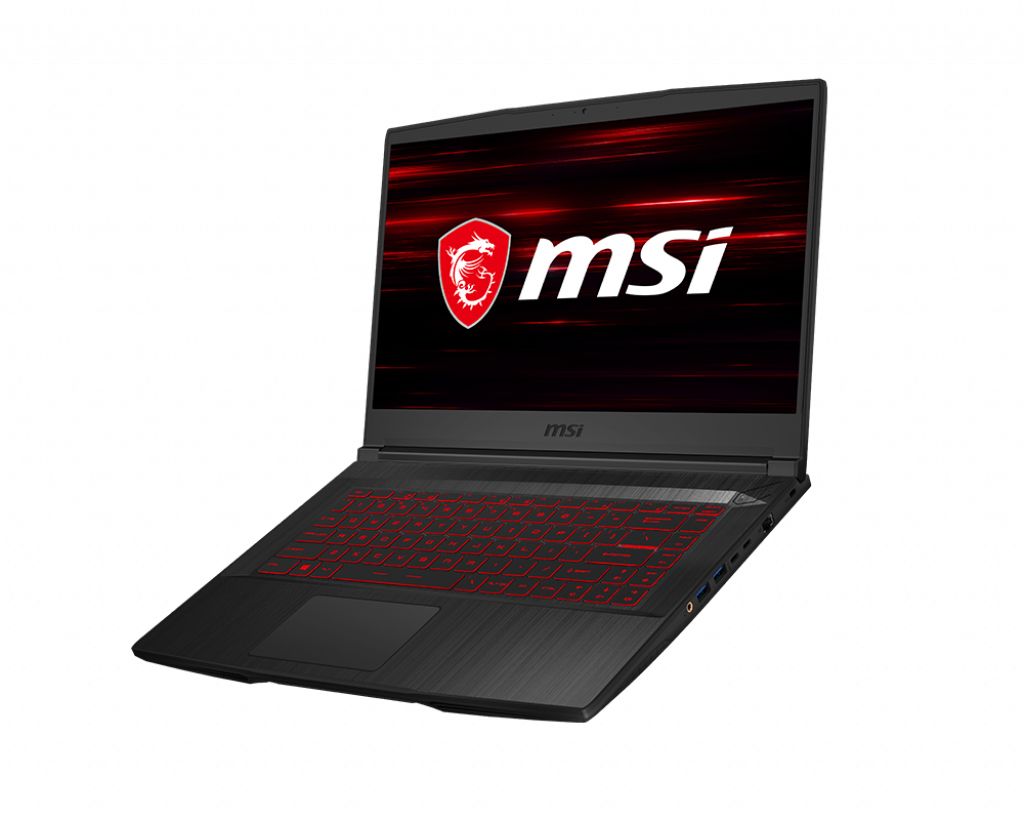

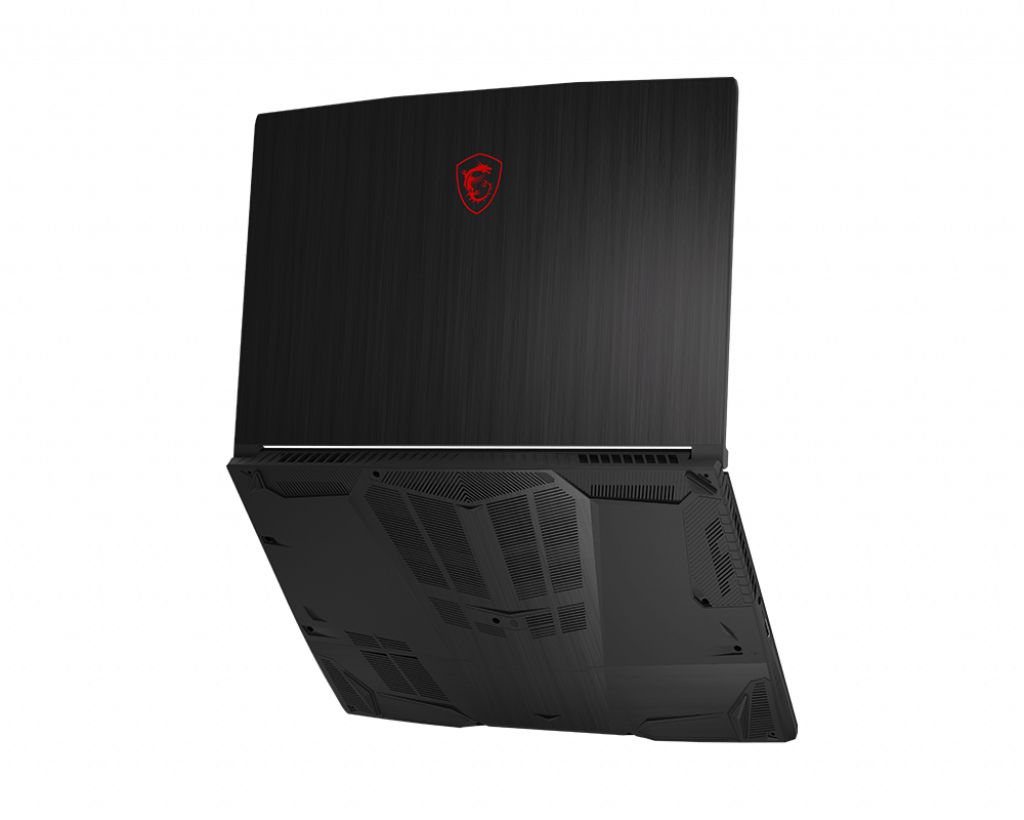
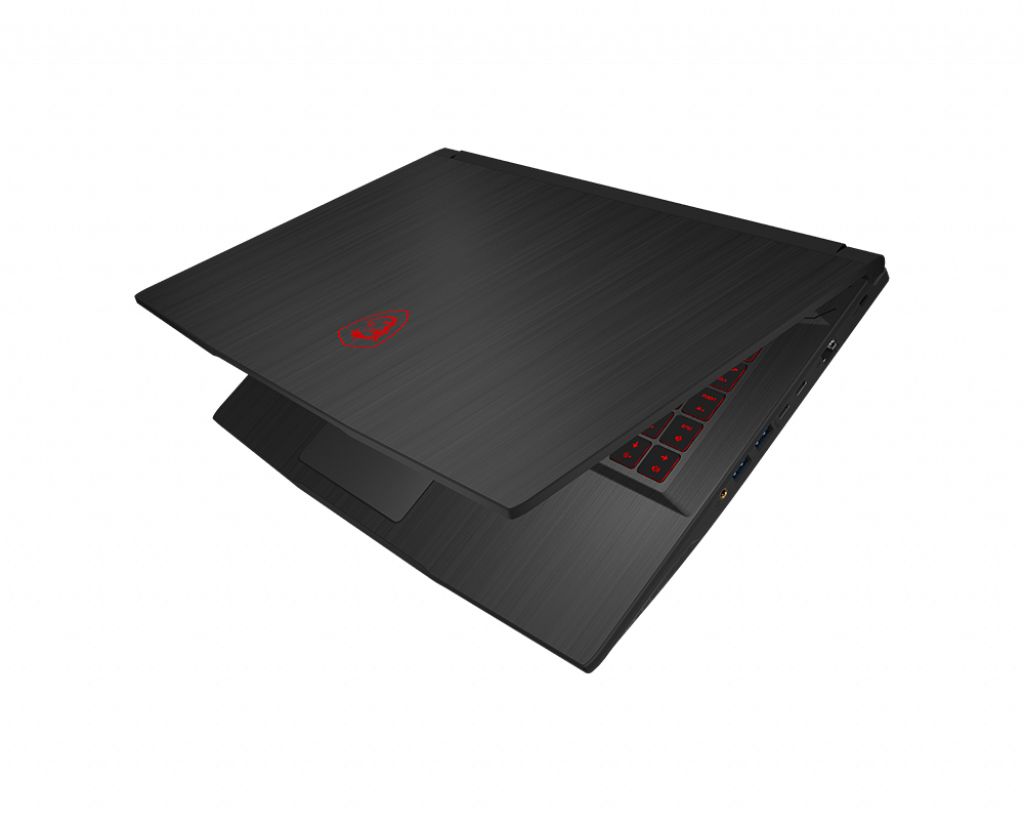
The MSI GF65 9SD-089XIT Thin gaming laptop contains two SO-DIMM slots for DDR4-SDRAM memory upgrades. The system supports a maximum RAM capacity of 64 GB total, with compatible memory modules operating at 2666 MHz frequency. Current upgrade specifications indicate the Gaming GF series model accommodates DDR4 SO-DIMM form factor upgrades, allowing users to expand memory capacity by replacing or supplementing existing modules within the two available slots. Maximum supported specifications reach 64 GB when both memory slots are fully populated with compatible DDR4-SDRAM components.
Memory Upgrade Specifications
| Specification | Value |
|---|---|
| Memory slots | 2x SO-DIMM |
| Form factor | SO-DIMM |
| Memory type | DDR4-SDRAM |
| Frequency | 2666 MHz |
| Maximum RAM | 64 GB |
| Voltage | 1.2V |
| Number of pins | 260-pin |
| Interface | PC4 |
| PC Speed Rating | PC4-2666 (PC4-21328) |
| Bandwidth | 21.3 GB/s |
| Laptop Release date | 08 January 2020 |
Additional Notes
- The MSI GF65 9SD-089XIT Thin contains 2 SO-DIMM slots with a 64 GB ceiling, meaning each slot accepts a maximum 32 GB module. Asymmetric configurations (mixing 8 GB + 32 GB modules, for example) function but operate both channels in single-channel mode, halving memory bandwidth throughput.
- DDR4-2666 MHz specification indicates the system runs memory at JEDEC standard frequencies. Aftermarket DDR4-3000 or DDR4-3200 modules install physically but downclock to 2666 MHz; no performance gain occurs, and BIOS overclocking of memory frequency is not typically available on this gaming notebook platform.
- SO-DIMM form factor requires low-profile modules. Standard UDIMM sticks (desktop form factor) do not fit the slot mechanically. Height clearance above the SO-DIMM slots may restrict installation of heatspreader variants; passive modules are safer for unobstructed fitment.
- Populating both slots with matched capacity and timing modules preserves dual-channel operation, doubling memory bandwidth versus single-slot configurations. Mismatched speed grades force the system to operate at the lower frequency specification, typically 2666 MHz.
- Warranty compliance requires using only DDR4 modules within the 2666 MHz specification window. Installing ECC or registered (buffered) memory variants causes system instability or failure to boot; consumer-grade unbuffered modules are the only warranty-safe choice.
- The 2 slot limit prevents staged multi-module expansion. Users cannot add a third or fourth module later; maximum capacity (64 GB total) requires replacing both original modules simultaneously with larger-capacity units.