MSI Gaming GF65 9SD-252 Thin RAM upgrade specifications
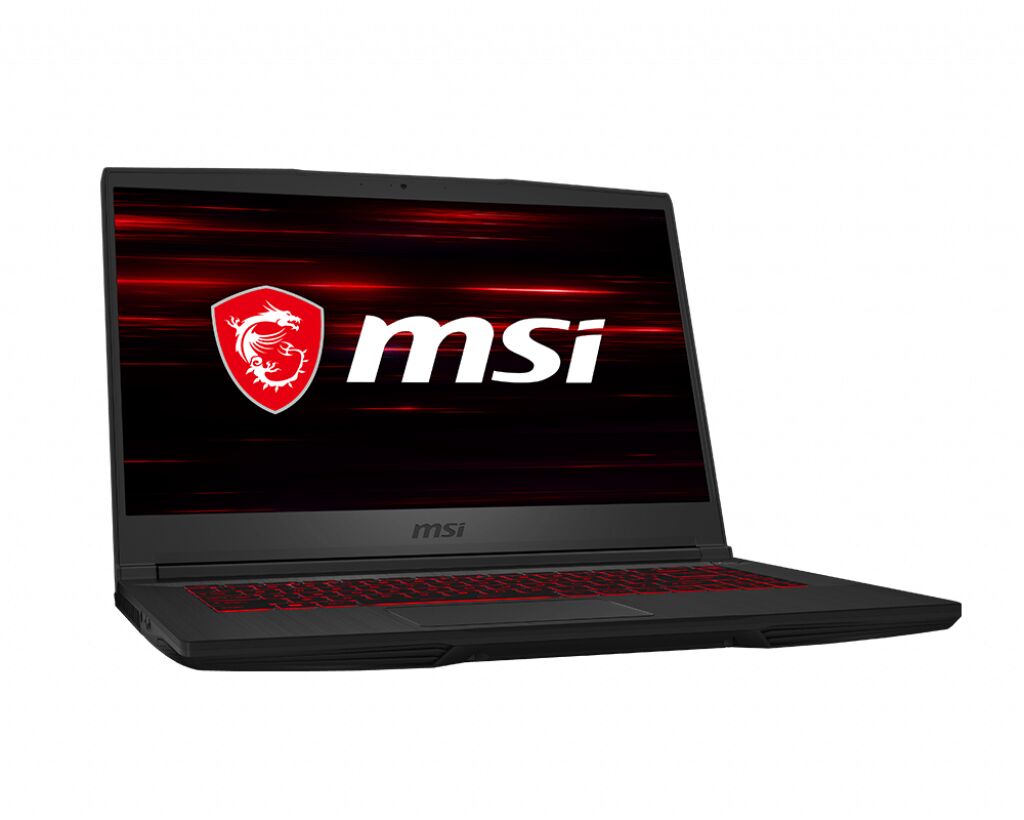
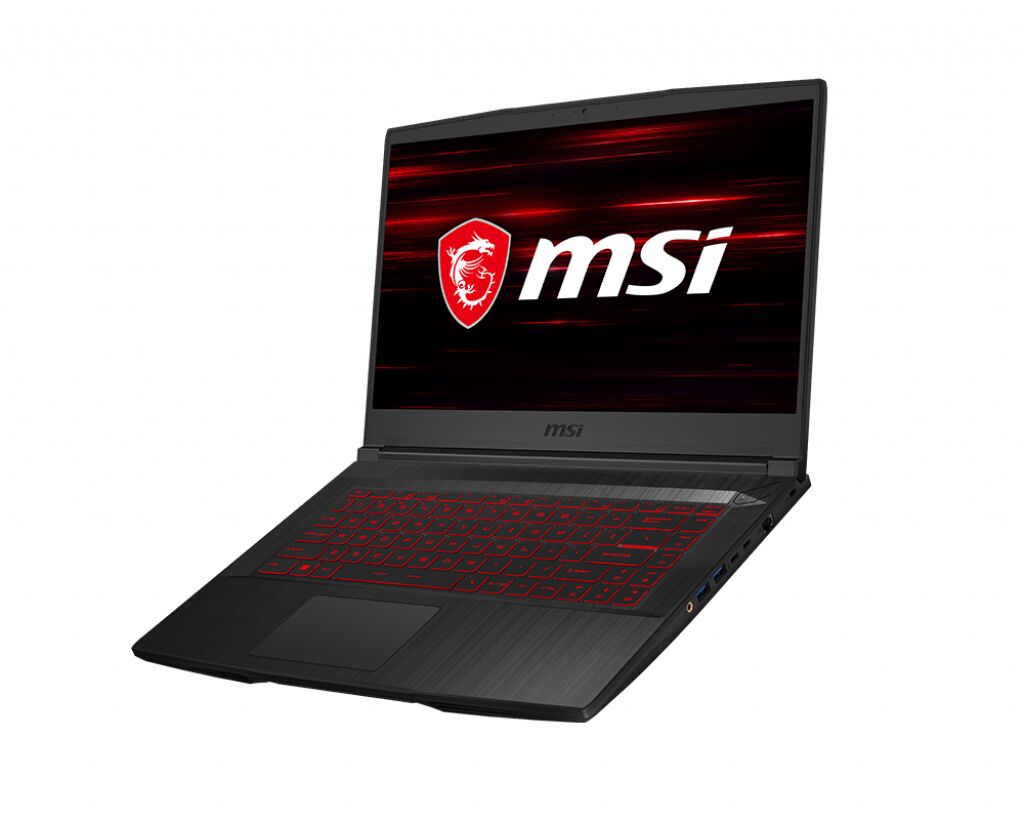

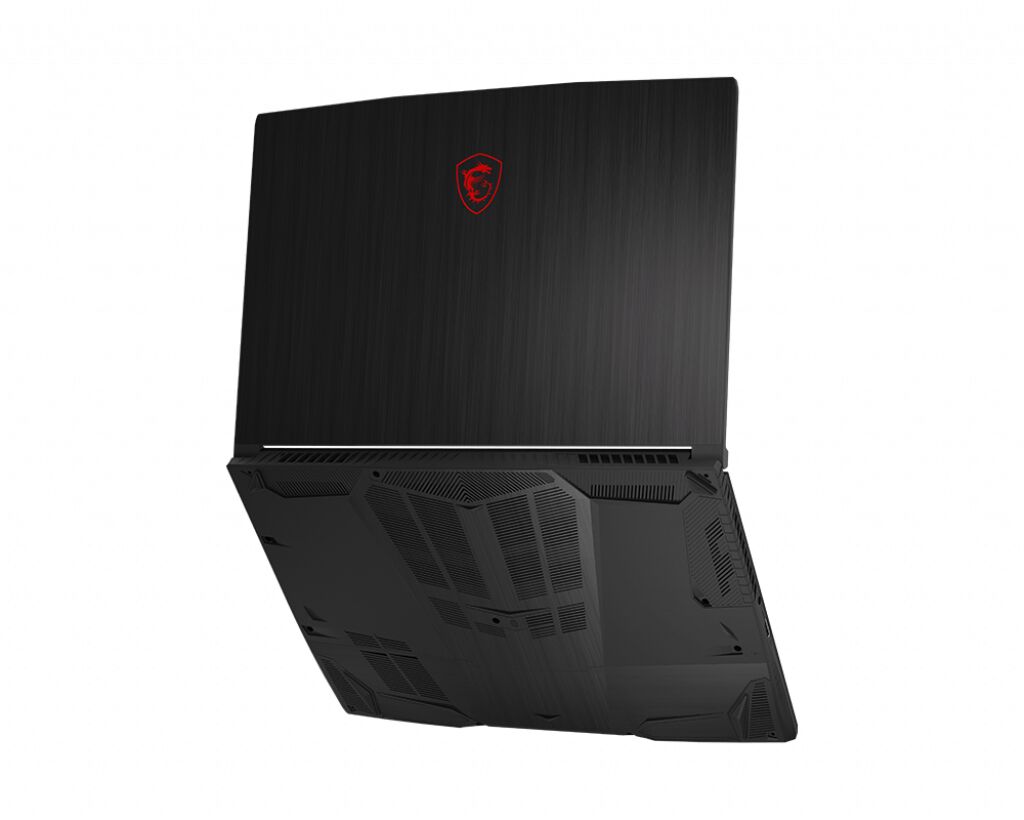
MSI GF65 9SD-252 Thin gaming laptop features two SO-DIMM memory slots supporting DDR4-SDRAM specifications. The upgrade specifications indicate maximum RAM capacity of 64 GB with compatible memory operating at 2666 MHz frequency. MSI GF Gaming series GF65 model supports DDR4 memory modules in SO-DIMM form factor, enabling users to expand installed RAM through compatible upgrade modules. Specifications confirm 2x SO-DIMM slots available for memory expansion on GF65 9SD-252 Thin configuration.
Memory Upgrade Specifications
| Specification | Value |
|---|---|
| Memory slots | 2x SO-DIMM |
| Form factor | SO-DIMM |
| Memory type | DDR4-SDRAM |
| Frequency | 2666 MHz |
| Maximum RAM | 64 GB |
| Voltage | 1.2V |
| Number of pins | 260-pin |
| Interface | PC4 |
| PC Speed Rating | PC4-2666 (PC4-21328) |
| Bandwidth | 21.3 GB/s |
| Laptop Release date | 19 November 2019 |
Additional Notes
- The MSI GF65 9SD-252 Thin supports dual-channel memory architecture through its 2 SO-DIMM configuration, enabling bandwidth doubling when matched modules operate simultaneously.
- DDR4-2666 represents JEDEC standard timing rather than XMP profiles, meaning modules with higher advertised speeds will automatically downclock to 2666 MHz without performance loss.
- The 64 GB maximum capacity indicates chipset-level support for high-density modules, allowing 32 GB SO-DIMMs despite many competing systems from the same generation capping at 32 GB total.
- SO-DIMM installation requires accessing the bottom panel, where static discharge precautions become mandatory as gaming laptops typically lack tool-free memory compartments.
- Mixing different capacity modules remains functional but may disable dual-channel mode for the capacity exceeding the smaller module, creating asymmetric bandwidth allocation.
- Single-channel operation through one populated slot reduces memory bandwidth by approximately 50%, creating observable bottlenecks in GPU-intensive workloads where integrated graphics share system memory.
- Non-standard voltage modules rated above 1.2V risk compatibility issues, as laptop memory controllers enforce stricter power limits compared to desktop platforms.
- The memory frequency ceiling prevents utilizing faster DDR4-3200 modules at their rated speed, making premium-priced high-frequency kits economically inefficient for this configuration.
- Warranty preservation typically requires avoiding complete disassembly, meaning upgrades should only involve removing panels explicitly designed for user-accessible components.
- Heat dissipation constraints in thin gaming chassis favor modules without tall heat spreaders, as clearance between SO-DIMM slots and the bottom cover measures tighter than desktop standards.