MSI Gaming GF65 9SD-836 Thin RAM upgrade specifications
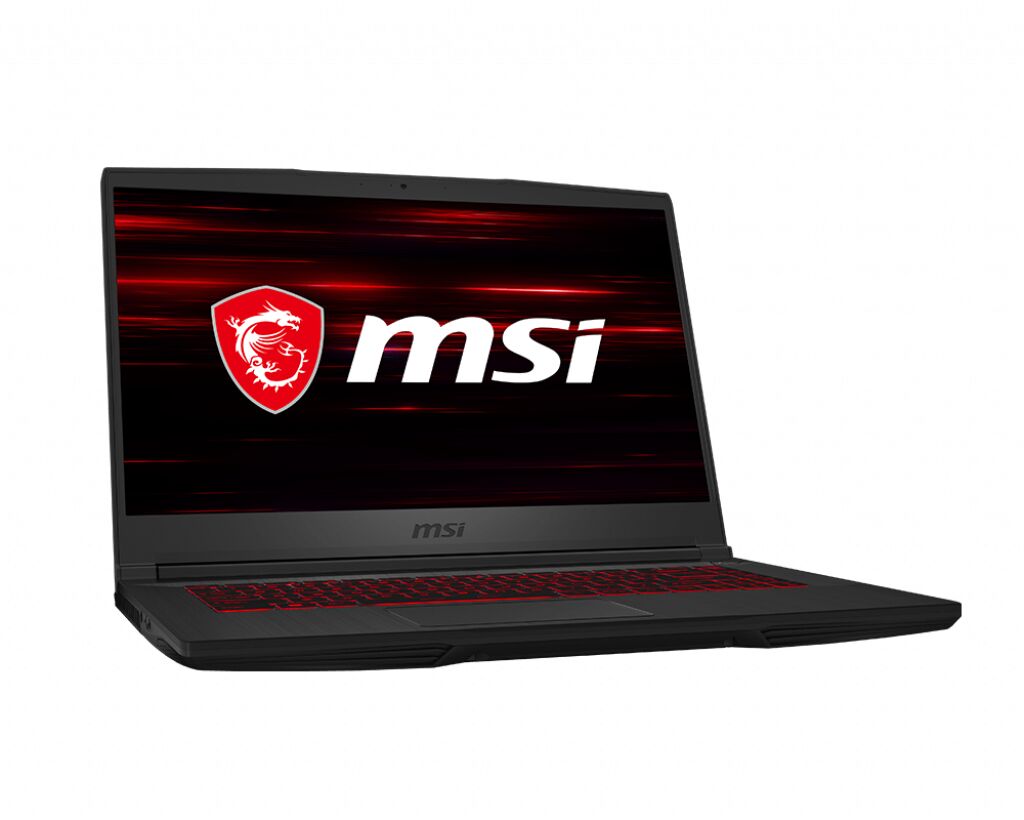
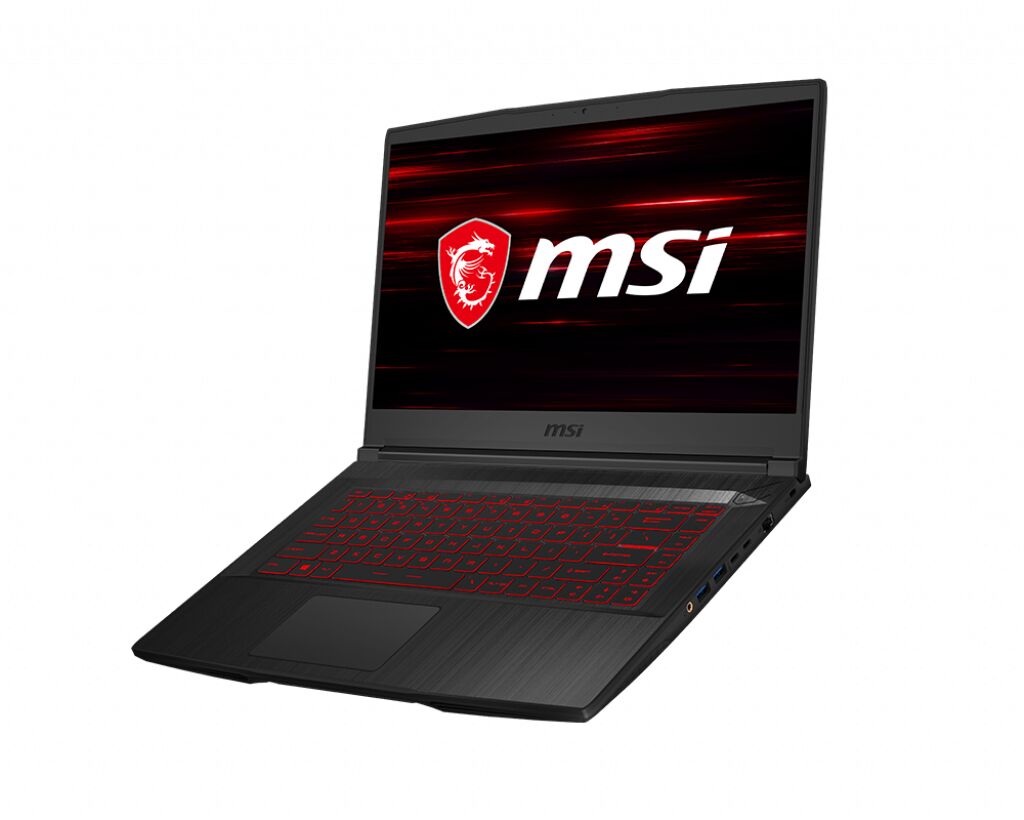

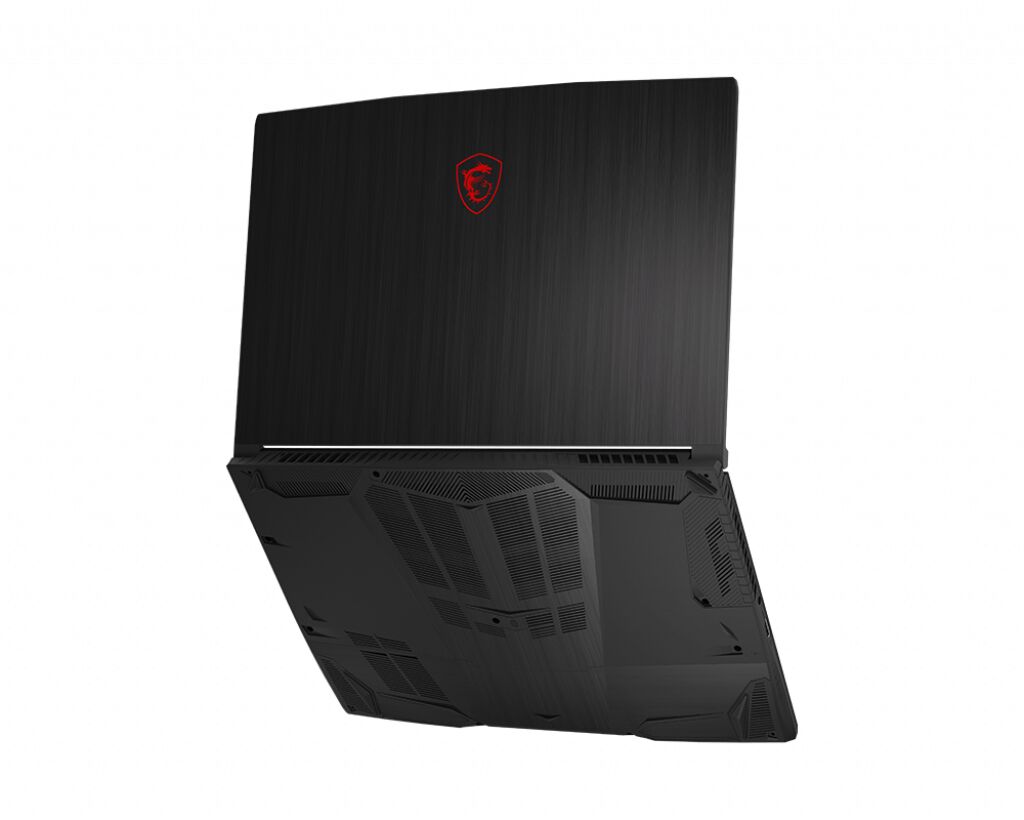
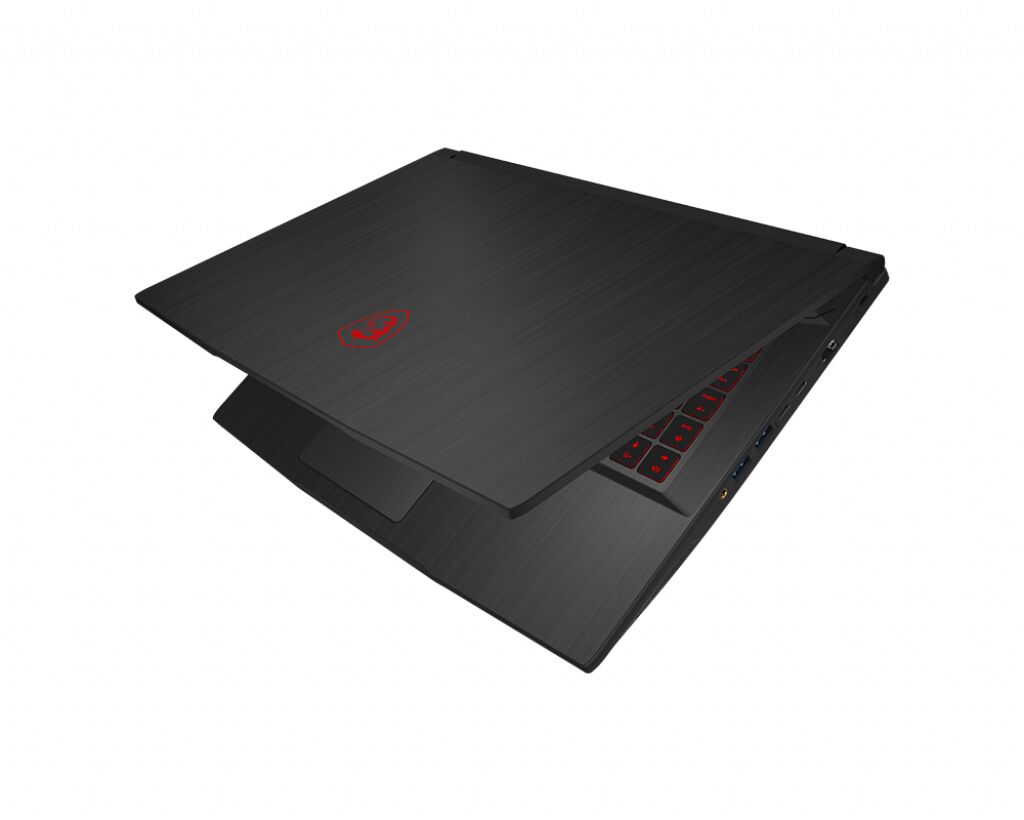
The MSI GF65 9SD-836 Thin gaming laptop features DDR4-SDRAM memory upgrade specifications. The device contains 2x SO-DIMM slots for memory expansion, supporting a maximum RAM capacity of 64 GB. Compatible memory modules operate at 2666 MHz frequency and utilize the SO-DIMM form factor. Upgrade slots accommodate standard DDR4 memory configurations, enabling users to expand system memory according to specifications and compatibility requirements.
Memory Upgrade Specifications
| Specification | Value |
|---|---|
| Memory slots | 2x SO-DIMM |
| Form factor | SO-DIMM |
| Memory type | DDR4-SDRAM |
| Frequency | 2666 MHz |
| Maximum RAM | 64 GB |
| Voltage | 1.2V |
| Number of pins | 260-pin |
| Interface | PC4 |
| PC Speed Rating | PC4-2666 (PC4-21328) |
| Bandwidth | 21.3 GB/s |
| Laptop Release date | 31 August 2020 |
Additional Notes
- The MSI GF65 9SD-836 Thin requires laptop-specific SO-DIMM modules rather than desktop DIMM memory, which are physically incompatible due to different pin counts and physical dimensions.
- The 2666 MHz frequency limitation stems from the Intel 9th generation mobile chipset's memory controller specifications, meaning faster modules will automatically downclock to this speed.
- Both memory slots must operate in dual-channel configuration to avoid halving the available memory bandwidth from 42.6 GB/s to 21.3 GB/s per channel.
- Installing mismatched module capacities or speeds across the 2 slots may force single-channel operation or default to the slower module's frequency.
- The 64 GB maximum capacity requires two 32 GB SO-DIMM modules, which must be dual-rank DDR4 configuration to function within the chipset's addressing limitations.
- Memory voltage must remain at the standard 1.2V specification, as low-voltage or overclocking profiles may cause instability with mobile platform power management.
- Accessing the SO-DIMM slots typically requires bottom panel removal, which may involve breaking warranty seals depending on regional regulations and warranty terms.
- The memory controller does not support ECC modules, making standard non-ECC DDR4 SO-DIMM the only compatible option for capacity upgrades.
- Mixing different memory brands or IC configurations can introduce subtle timing incompatibilities that prevent POST or cause intermittent stability issues.
- The JEDEC standard DDR4-2666 specification ensures compatibility, while XMP profiles designed for desktop platforms will not activate on this mobile chipset.