MSI Gaming GF65 Thin 10UE-041XFR RAM upgrade specifications
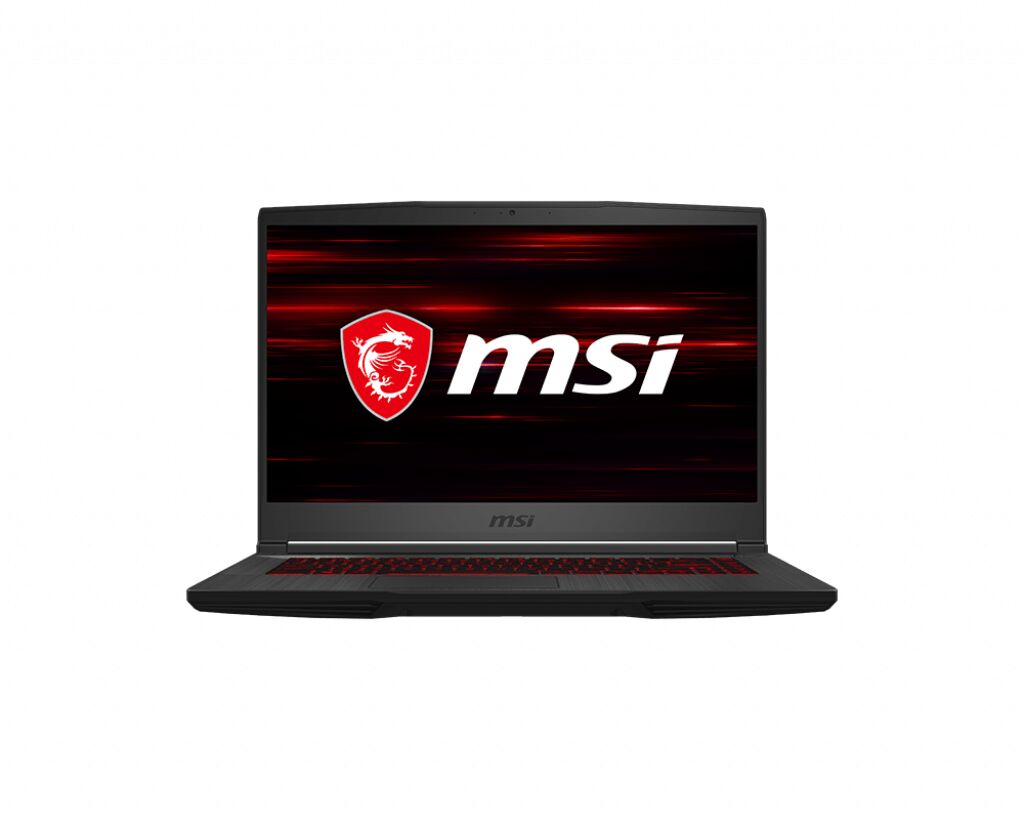
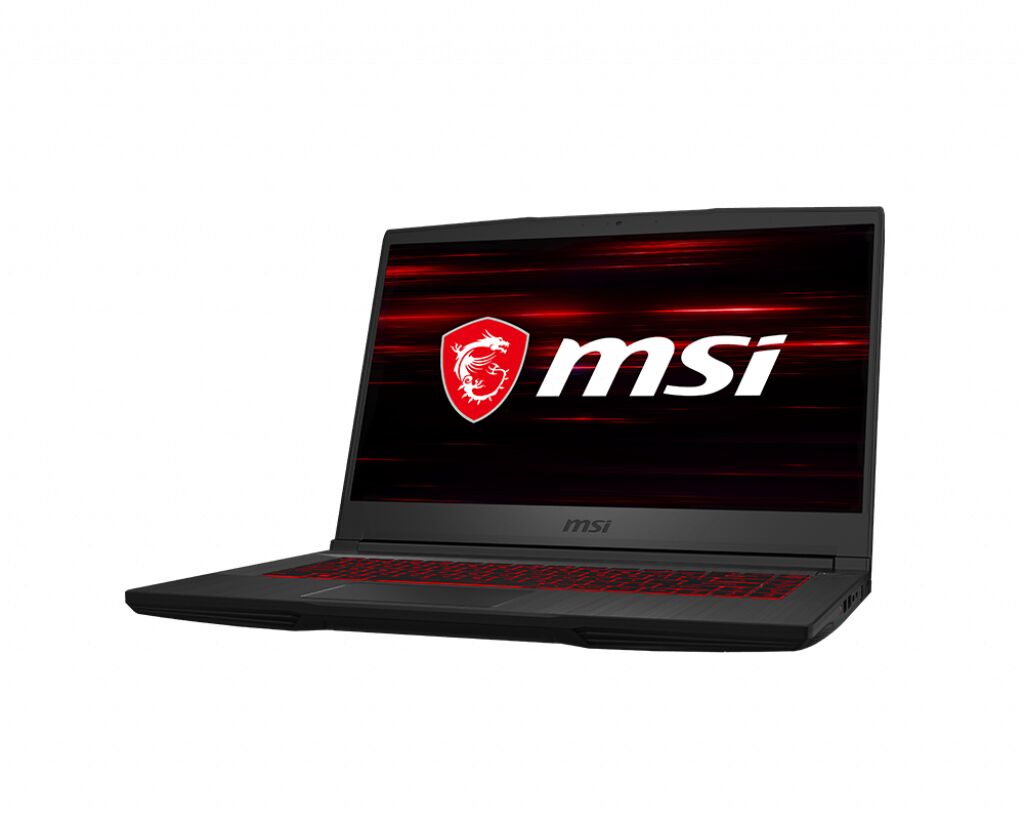
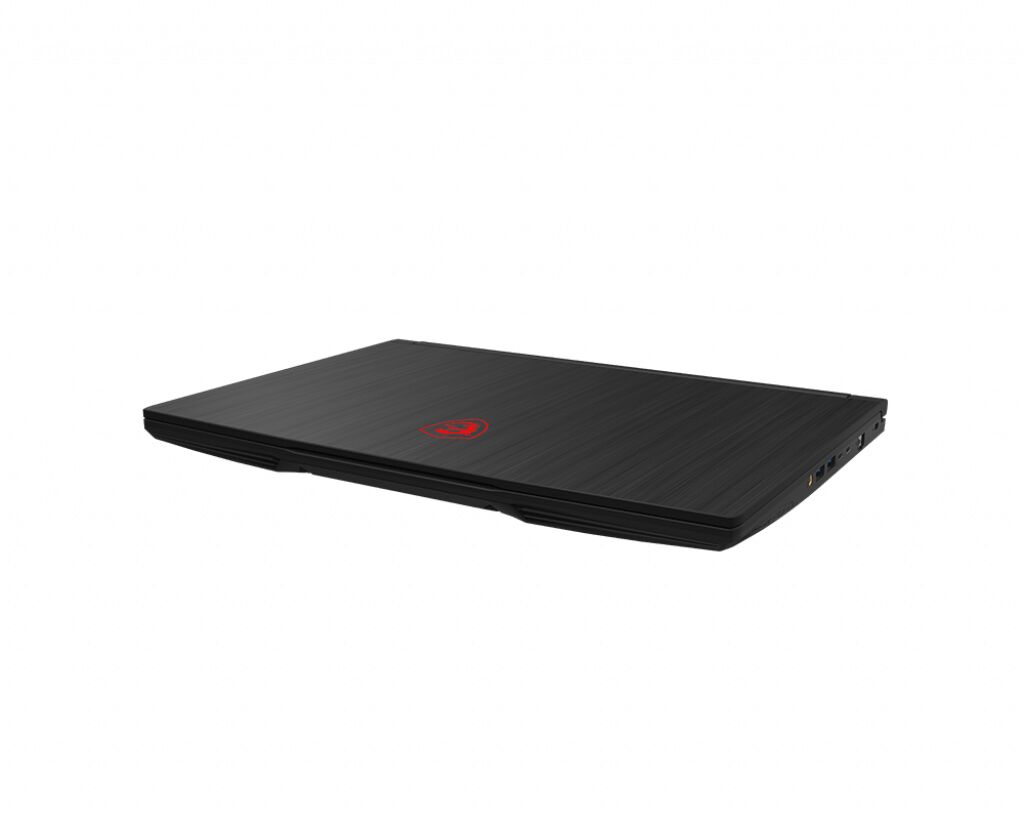
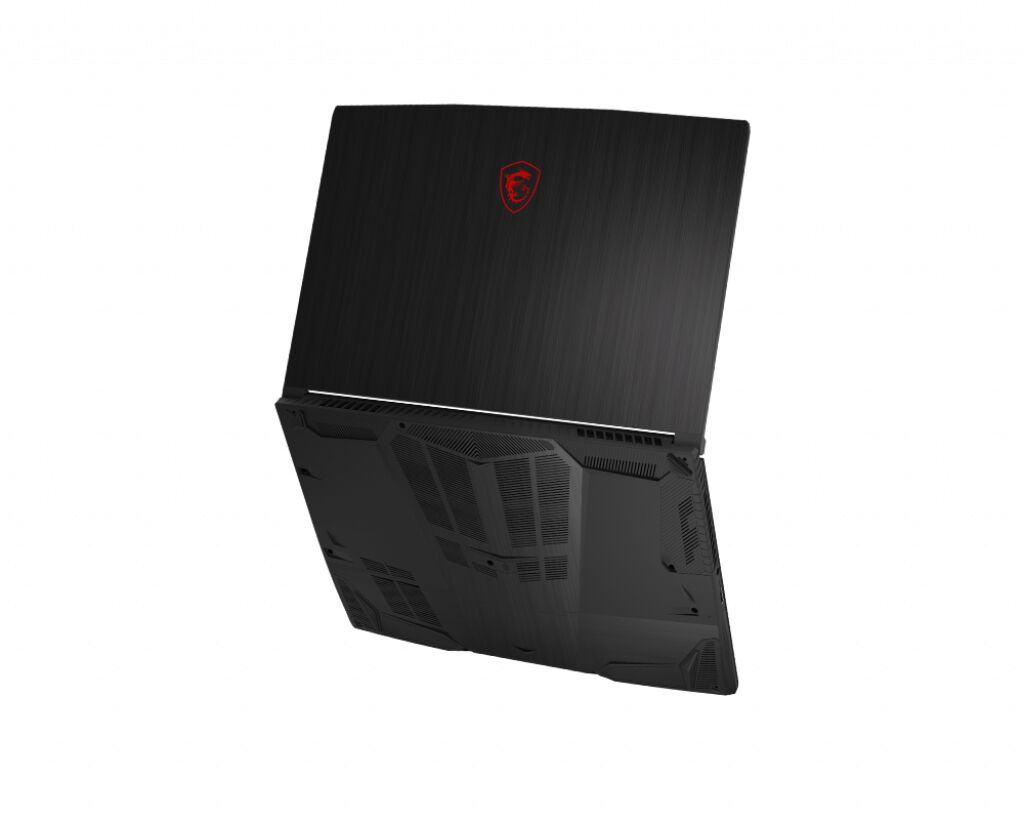
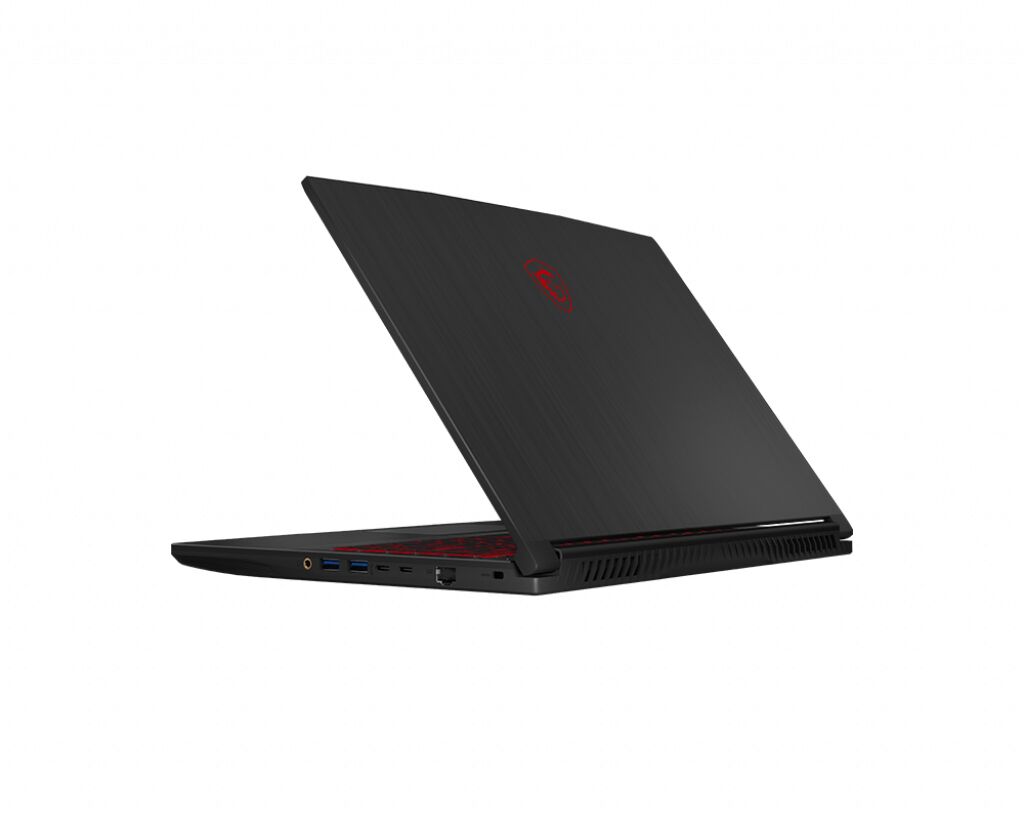
The MSI GF65 Thin 10UE-041XFR Gaming series laptop features DDR4-SDRAM memory specifications supporting up to 64 GB maximum capacity. The system includes 2x SO-DIMM slots for RAM upgrade configurations. Compatible memory modules operate at 3200 MHz frequency. Specifications indicate DDR4 SO-DIMM form factor compatibility for upgrade installations on the MSI GF65 Thin 10UE-041XFR model.
Memory Upgrade Specifications
| Specification | Value |
|---|---|
| Memory slots | 2x SO-DIMM |
| Form factor | SO-DIMM |
| Memory type | DDR4-SDRAM |
| Frequency | 3200 MHz |
| Maximum RAM | 64 GB |
| Voltage | 1.2V |
| Number of pins | 260-pin |
| Interface | PC4 |
| PC Speed Rating | PC4-3200 (PC4-25600) |
| Bandwidth | 25.6 GB/s |
| Laptop Release date | 01 January 2021 |
Additional Notes
- The MSI GF65 Thin 10UE-041XFR relies on dual-channel architecture, meaning performance scales optimally when both SO-DIMM slots contain identical capacity and timing modules.
- The 3200 MHz specification reflects JEDEC standards for DDR4, though actual operating frequency may default to 2933 MHz or 2666 MHz unless XMP/DOCP profiles are enabled in BIOS.
- Intel 10th generation mobile platforms typically support JEDEC DDR4-2933 natively, requiring motherboard and BIOS support to reach the advertised 3200 MHz without stability issues.
- Installing a single module triggers single-channel mode, reducing memory bandwidth by approximately 50 percent compared to matched pairs, directly impacting integrated graphics performance and CPU-intensive workloads.
- The 64 GB ceiling requires 2 modules of 32 GB each, a configuration that may encounter compatibility limitations with older DDR4 SO-DIMM stock using 8 Gbit density chips instead of 16 Gbit.
- Mixing modules with different CAS latencies forces all installed memory to operate at the slowest common timing, potentially negating speed advantages of premium kits.
- SO-DIMM installation in thin chassis designs often requires complete bottom panel removal, with potential warranty seal placement near access points.
- Voltage compatibility matters: while DDR4 SO-DIMMs standardize at 1.2V, some overclocking-oriented modules specify 1.35V or higher, risking thermal throttling in compact gaming laptop cooling systems.
- ECC SO-DIMM modules physically fit the slot specification but remain incompatible with consumer mobile chipsets, rendering error-correcting memory non-functional despite successful POST.
- Rank configuration affects capacity scaling: dual-rank modules provide slight performance improvements in bandwidth-sensitive applications compared to single-rank equivalents at identical frequencies.