MSI Gaming GF65 Thin 9SD-696XFR RAM upgrade specifications
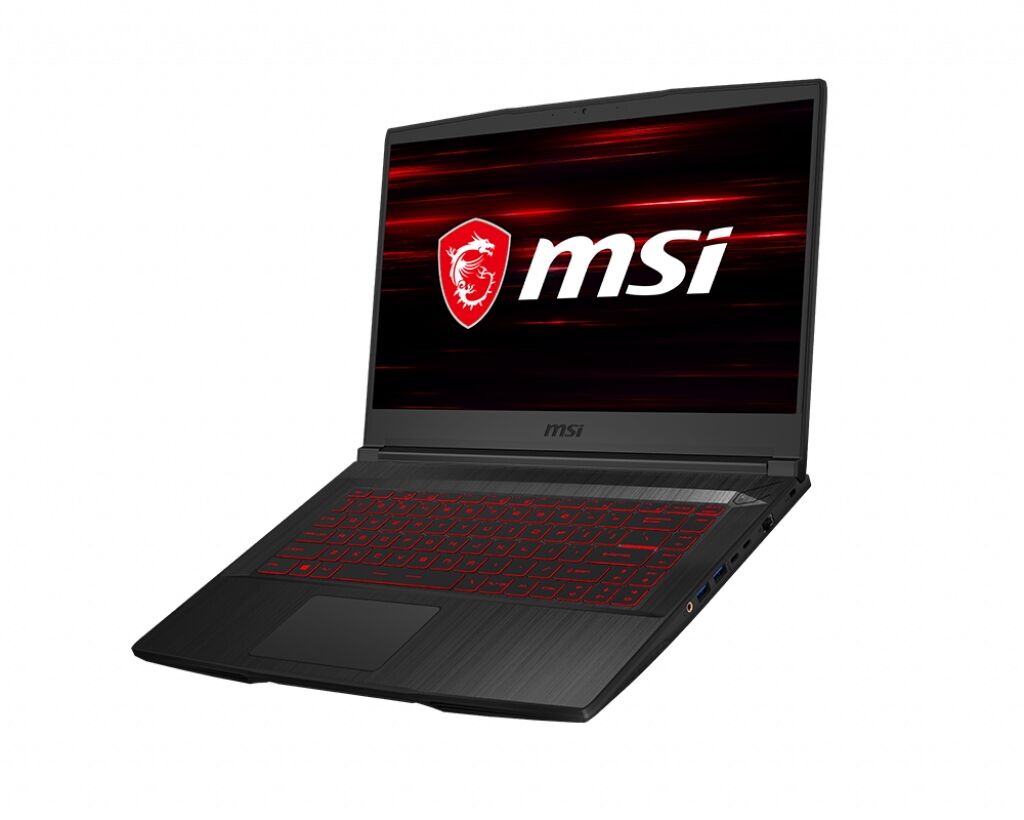
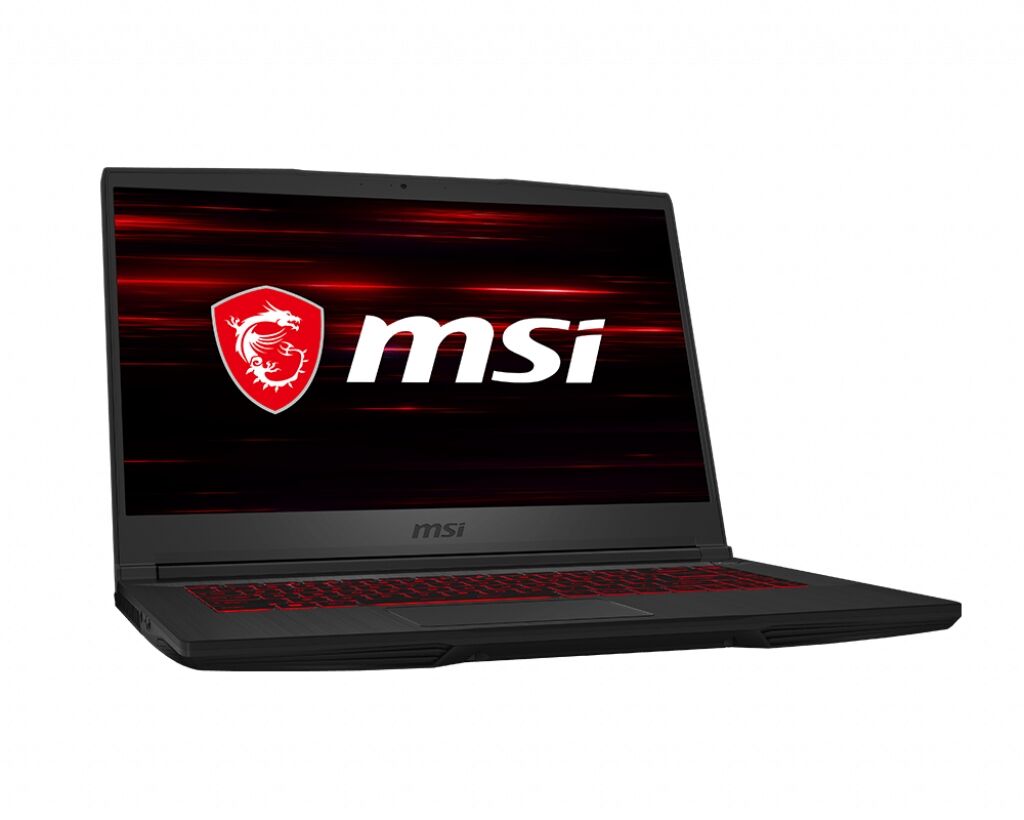
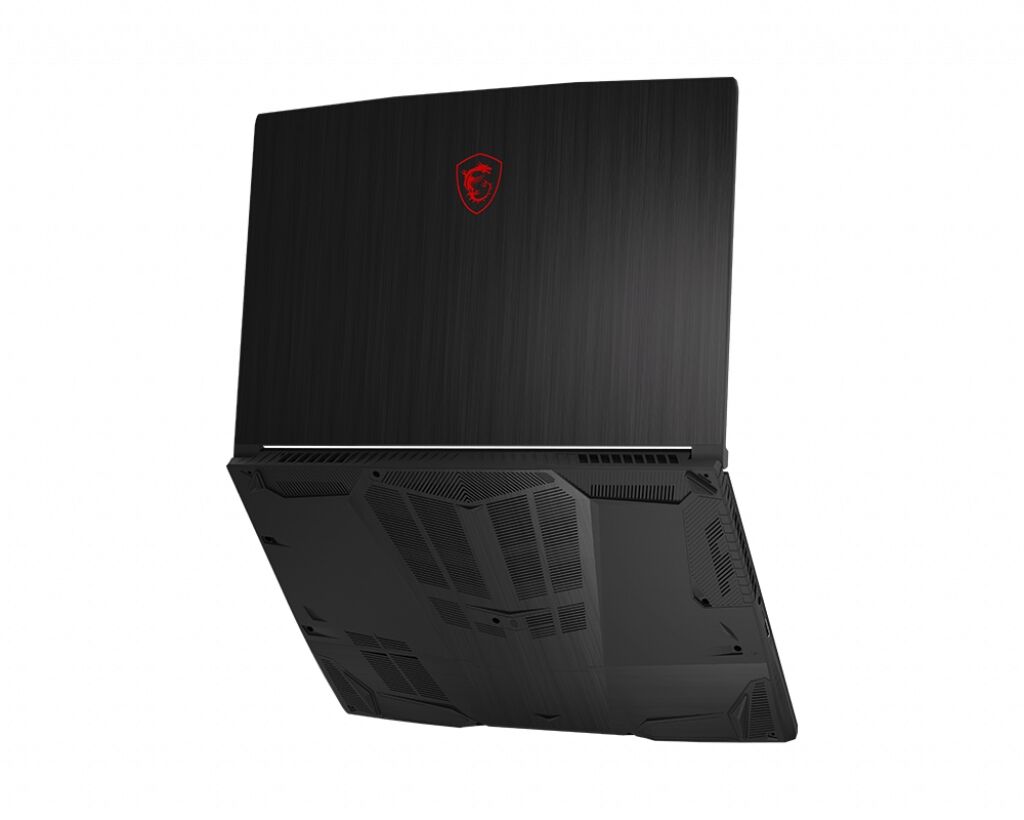
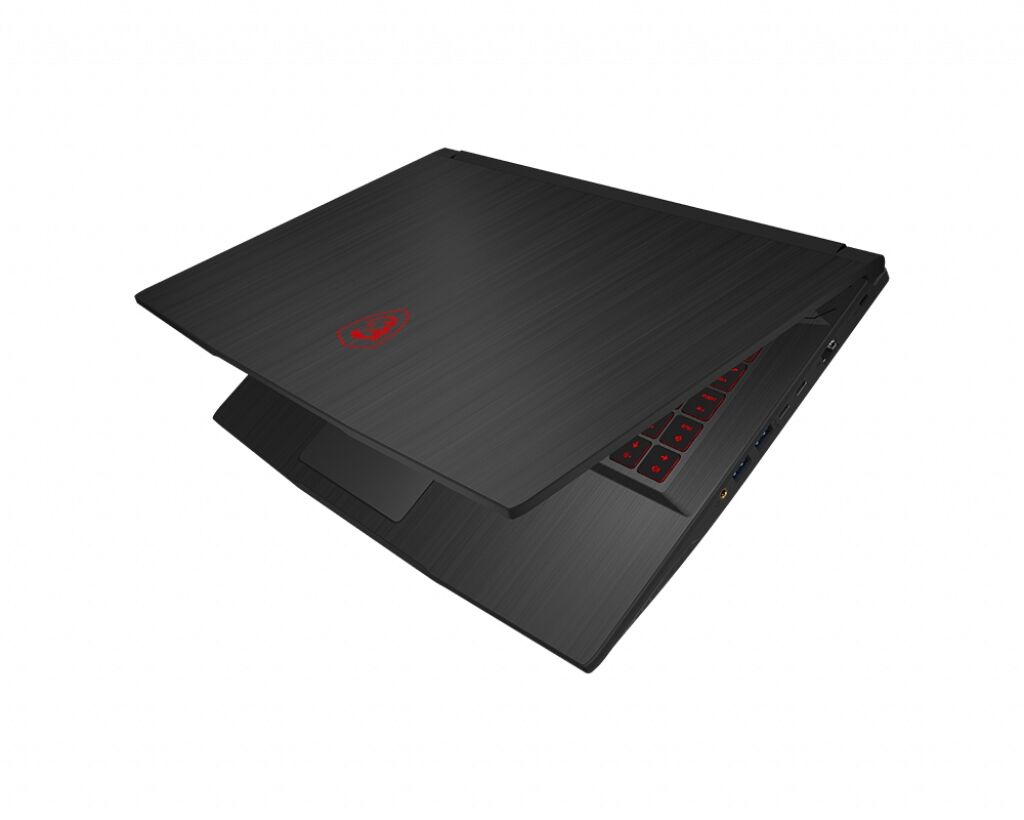
The MSI GF65 Thin 9SD-696XFR gaming laptop features DDR4-SDRAM memory upgrade specifications with two SO-DIMM slots supporting a maximum RAM capacity of 64 GB. The memory operates at 2666 MHz frequency. Upgrade compatibility extends to DDR4 modules in SO-DIMM form factor. The GF series gaming model accommodates memory expansion through accessible dual slots, enabling configurations from baseline capacity to 64 GB maximum specifications for enhanced system performance.
Memory Upgrade Specifications
| Specification | Value |
|---|---|
| Memory slots | 2x SO-DIMM |
| Form factor | SO-DIMM |
| Memory type | DDR4-SDRAM |
| Frequency | 2666 MHz |
| Maximum RAM | 64 GB |
| Voltage | 1.2V |
| Number of pins | 260-pin |
| Interface | PC4 |
| PC Speed Rating | PC4-2666 (PC4-21328) |
| Bandwidth | 21.3 GB/s |
| Laptop Release date | 13 October 2020 |
Additional Notes
- The 2666 MHz frequency represents the maximum officially supported speed by the chipset, meaning higher frequency modules will automatically downclock to this specification.
- The 2x SO-DIMM configuration requires matched pairs to enable dual-channel operation, which doubles memory bandwidth compared to single-module installations.
- The 64 GB ceiling restricts individual module capacity to 32 GB per slot, requiring this specific density for maximum configuration.
- DDR4 SO-DIMM modules are physically incompatible with DDR3 or DDR5 slots due to different notch positions, preventing incorrect installation.
- The MSI GF65 Thin 9SD-696XFR uses a non-soldered memory architecture, allowing full replacement without motherboard-level repair skills.
- Mixing modules with different frequencies will force all installed memory to operate at the slowest module's speed.
- Accessing memory slots typically requires bottom panel removal, which may void warranty seals depending on regional consumer protection laws.
- Single-rank versus dual-rank module architecture affects memory interleaving performance, though both types maintain compatibility.
- The SO-DIMM 260-pin standard measures 69.6 mm in length, distinguishing it from desktop DIMM modules which are physically too large for laptop chassis.
- Operating voltage for DDR4 SO-DIMM standardizes at 1.2V, reducing thermal output compared to DDR3's 1.5V requirement.
- Asymmetric configurations such as 8 GB plus 16 GB modules will function but may disable Flex Mode optimizations on certain memory controllers.
- CAS latency variations between modules are automatically resolved by the system adopting the higher latency timing.