MSI Gaming GF66 11UE-044 Katana RAM upgrade specifications

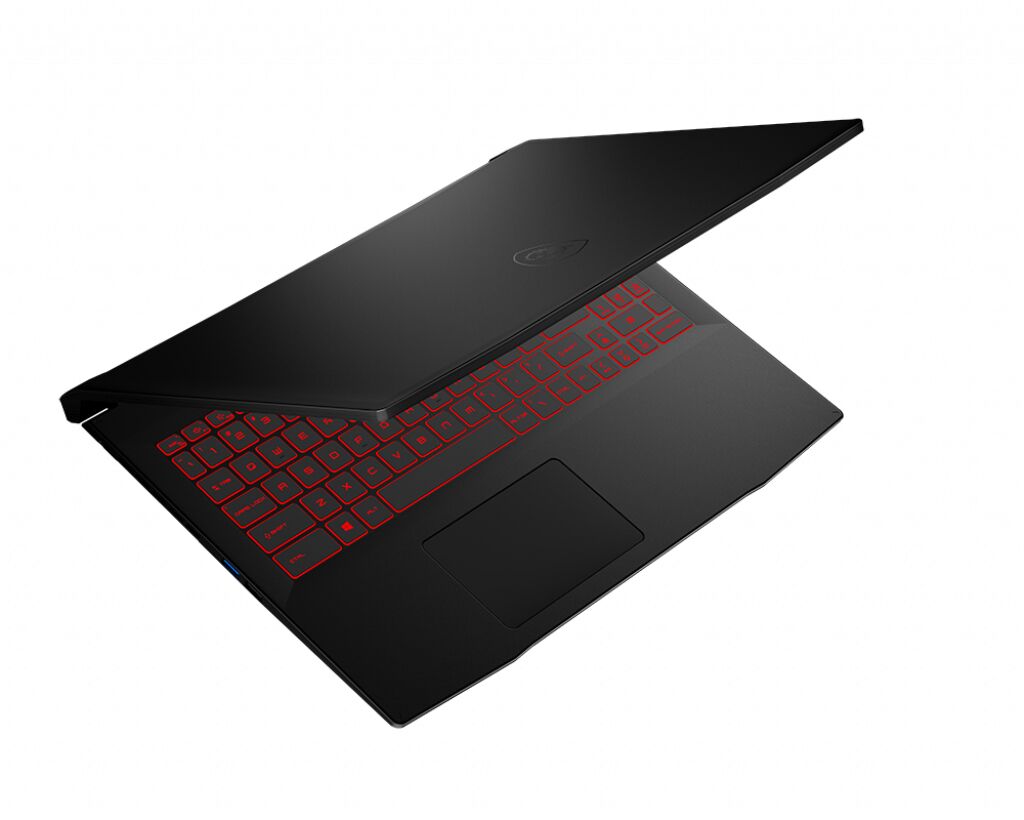

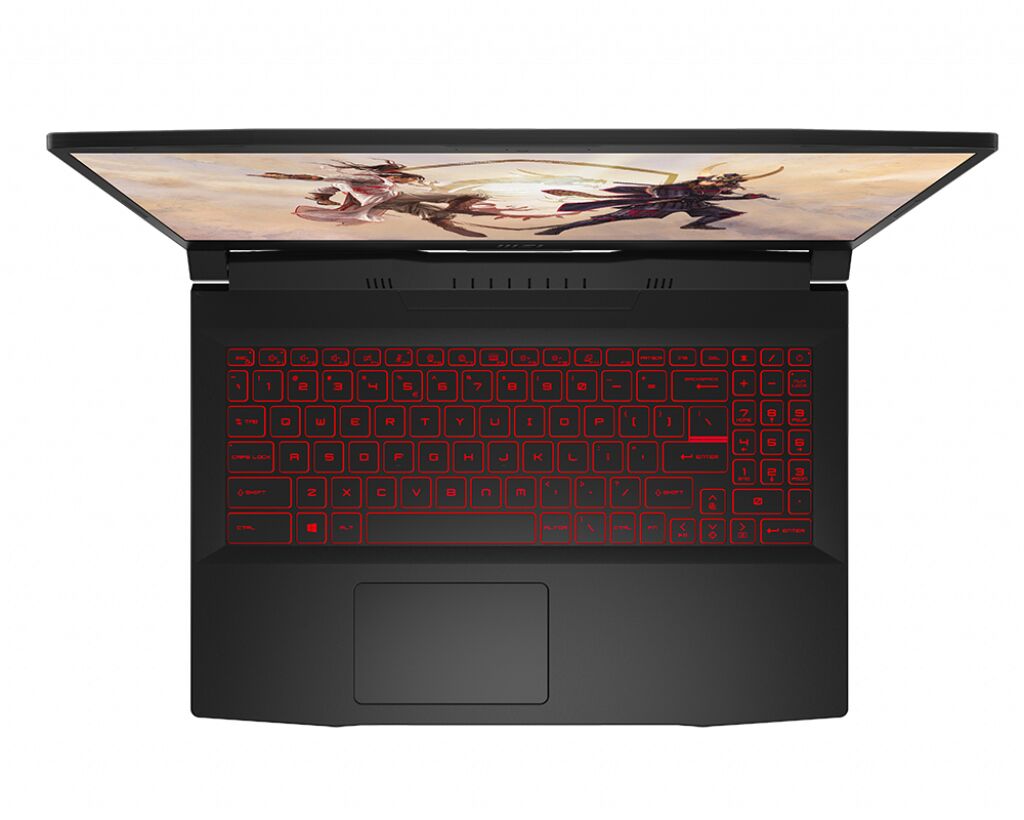
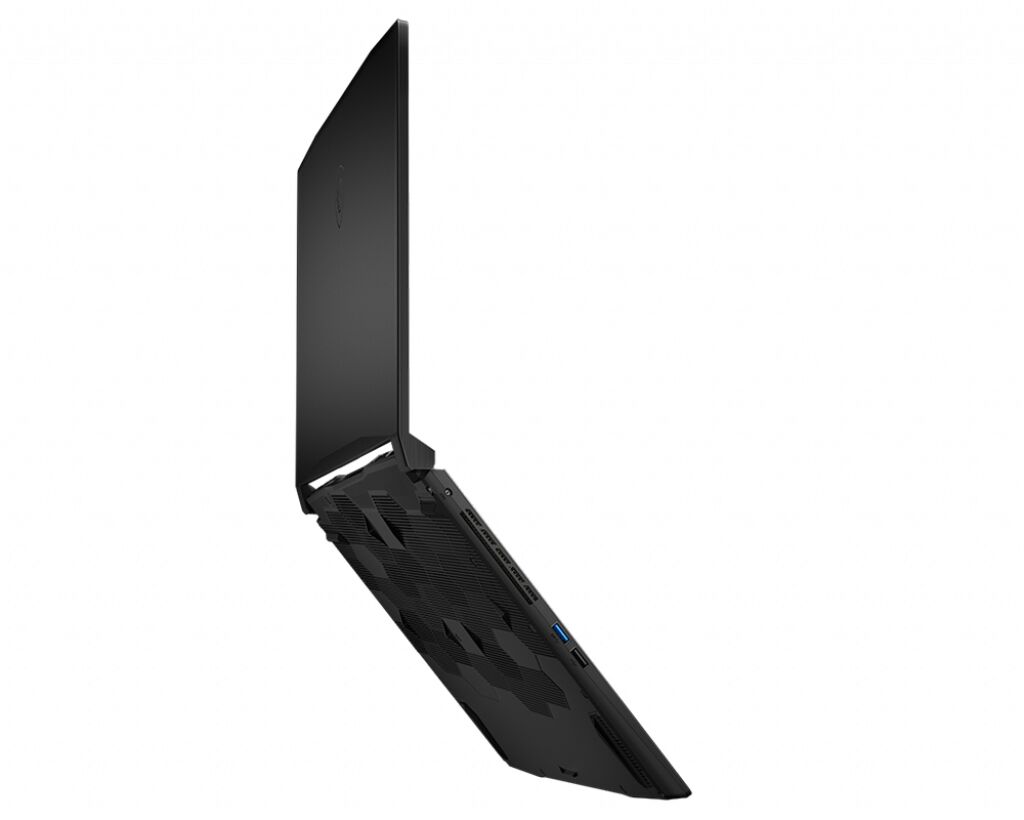
MSI GF66 11UE-044 Katana gaming laptop supports DDR4-SDRAM memory upgrades via two SO-DIMM slots. The system accommodates a maximum RAM capacity of 64 GB total, with compatible memory specifications at 3200 MHz frequency. This laptop's memory upgrade configuration enables users to expand storage capacity by replacing or adding DDR4 modules to the available slots, supporting enhanced multitasking and performance capabilities for gaming and professional applications.
Memory Upgrade Specifications
| Specification | Value |
|---|---|
| Memory slots | 2x SO-DIMM |
| Form factor | SO-DIMM |
| Memory type | DDR4-SDRAM |
| Frequency | 3200 MHz |
| Maximum RAM | 64 GB |
| Voltage | 1.2V |
| Number of pins | 260-pin |
| Interface | PC4 |
| PC Speed Rating | PC4-3200 (PC4-25600) |
| Bandwidth | 25.6 GB/s |
| Laptop Release date | 25 June 2021 |
Additional Notes
- The MSI GF66 11UE-044 Katana contains 2 SO-DIMM slots operating at 3200 MHz, which establishes a hard ceiling of 64 GB total capacity. Exceeding this threshold through third-party modules will not function, as the firmware does not support higher densities per slot.
- DDR4-3200 specification indicates memory bandwidth of approximately 51.2 GB/s per channel. This bandwidth matches the design envelope of 11th generation Intel processors but creates potential latency constraints when paired with high-refresh gaming displays, as sustained GPU-to-VRAM transfers may encounter minor stalls under extreme multithreading scenarios.
- SO-DIMM form factor requires removal of bottom panel access, then extraction via angled slot levers. Replacement modules must clear internal clearance margins; standard height SO-DIMMs exceed clearance limits if laptop lid is sealed during installation, mandating panel removal for safe insertion.
- Single-module configurations default to single-channel memory architecture, halving effective bandwidth to 25.6 GB/s. Upgrading from factory configuration to dual-channel operation through matched 32 GB modules doubles throughput and recovers 5-10% frame rates in bandwidth-limited gaming titles.
- Non-ECC DDR4-SDRAM modules lack error correction, making data integrity dependent on system stability rather than active fault detection. Recovery from corruption requires OS-level diagnostics; thermal stress on the GPU may correlate with memory errors if thermal paste degradation occurs beyond 18 months of operation.