MSI Gaming GF66 11UE-293BE Katana RAM upgrade specifications


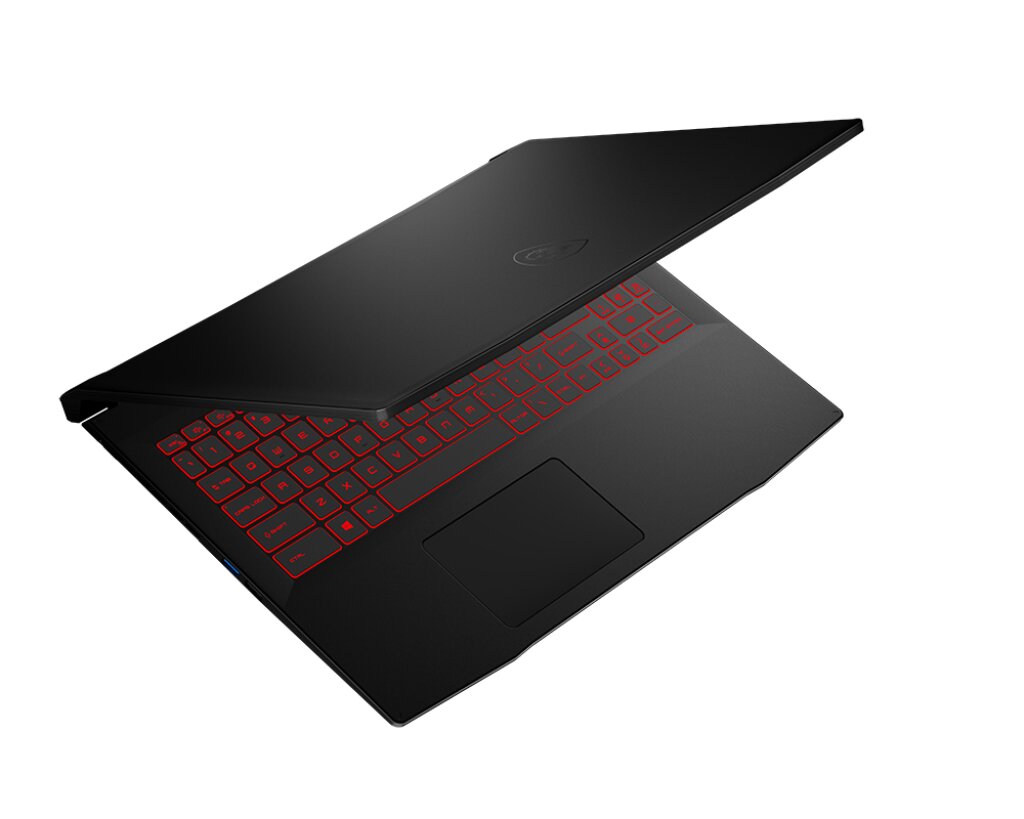
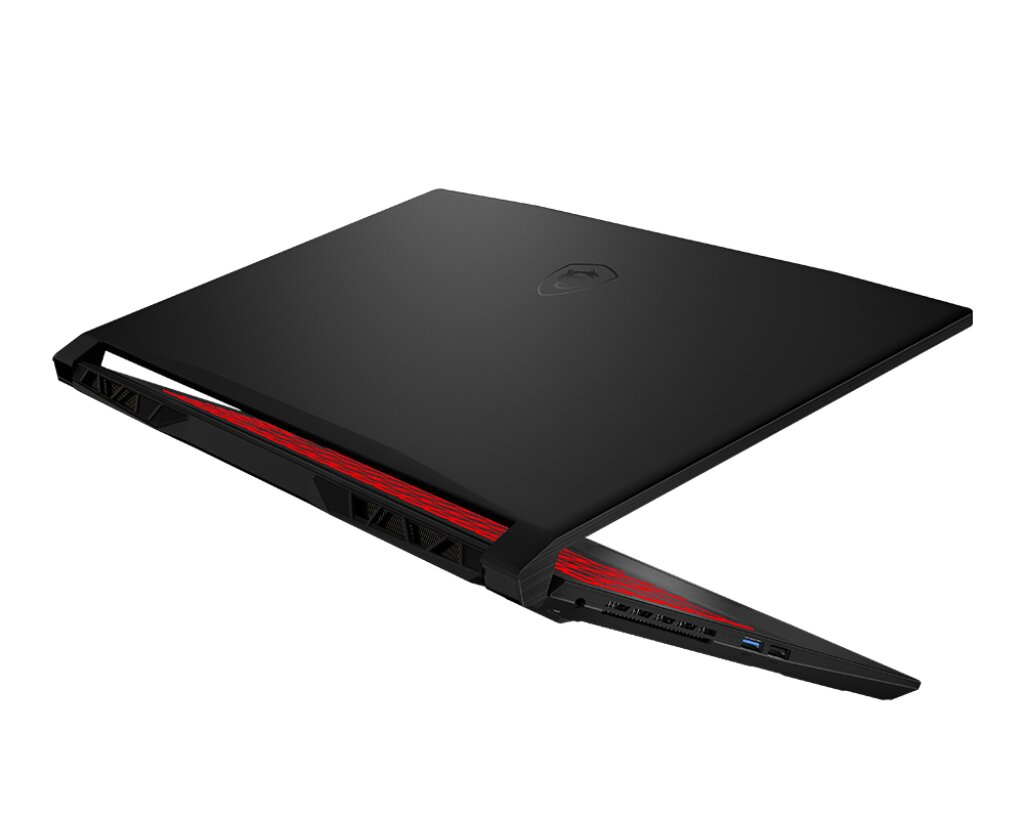
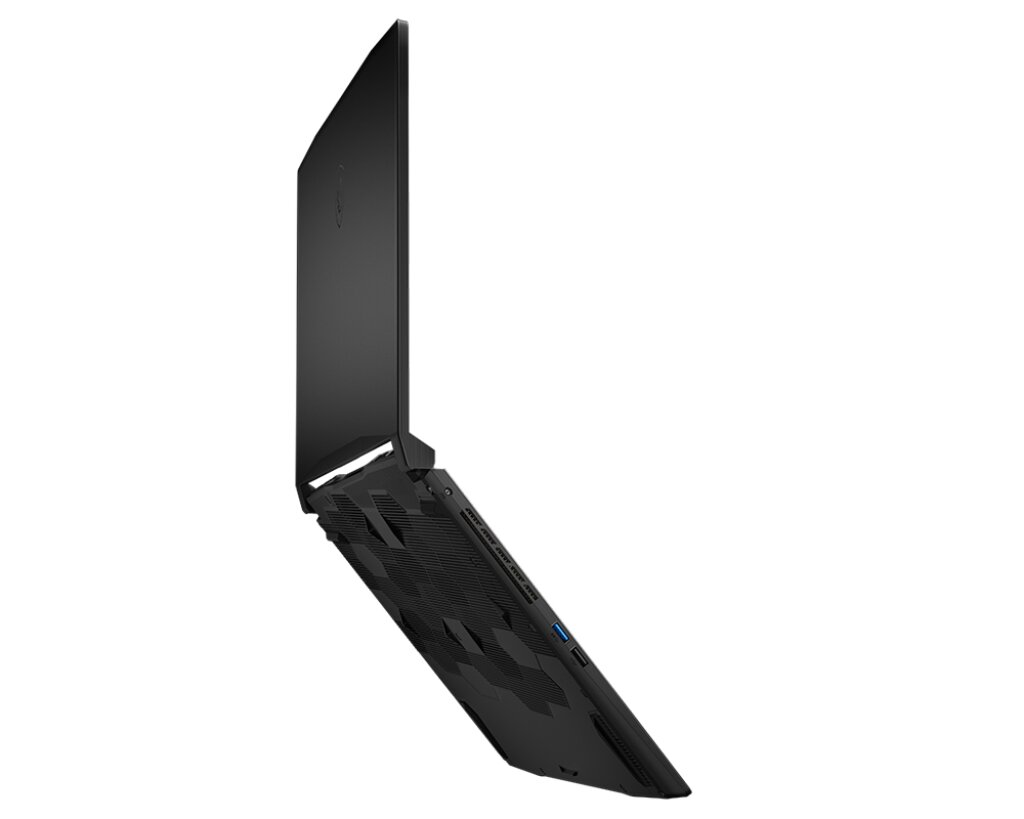
MSI GF66 11UE-293BE Katana gaming laptop features DDR4-SDRAM memory with two SO-DIMM slots supporting maximum capacity of 64 GB. The upgrade specifications indicate compatible DDR4 modules operating at 3200 MHz frequency. The Katana series supports memory expansion through dual SO-DIMM slot configuration, allowing users to upgrade existing RAM modules or install additional capacity up to the maximum supported specifications.
Memory Upgrade Specifications
| Specification | Value |
|---|---|
| Memory slots | 2x SO-DIMM |
| Form factor | SO-DIMM |
| Memory type | DDR4-SDRAM |
| Frequency | 3200 MHz |
| Maximum RAM | 64 GB |
| Voltage | 1.2V |
| Number of pins | 260-pin |
| Interface | PC4 |
| PC Speed Rating | PC4-3200 (PC4-25600) |
| Bandwidth | 25.6 GB/s |
| Laptop Release date | 31 March 2022 |
Additional Notes
- The 2 SO-DIMM slots operate in dual-channel mode, which means memory bandwidth doubles when both slots contain matched capacity modules compared to single-module configurations.
- DDR4-3200 modules paired with 11th-generation Intel processors in the MSI GF66 11UE-293BE Katana achieve native memory speed support without requiring BIOS overclocking, ensuring stability within stock specifications.
- SO-DIMM form factor restricts upgrade options to laptop-specific memory modules; desktop DDR4 DIMM sticks remain physically incompatible with the connector mechanism and socket dimensions.
- The 64 GB maximum capacity ceiling requires both slots filled with 32 GB modules; single 32 GB modules leave half the bandwidth potential unused due to the dual-channel architecture.
- Upgrading from factory memory to higher-capacity modules typically remains within standard manufacturer warranty terms, provided no physical damage occurs during installation and original modules are retained.
- Mixing memory modules of different capacities (for example, 8 GB plus 16 GB) forces the system to operate using the smaller module's capacity in both slots, resulting in effective capacity reduction and wasted channel bandwidth.
- Memory latency timing specifications depend on module vendor and revision; higher-speed aftermarket DDR4 modules beyond 3200 MHz may require manual timing adjustments in BIOS, falling outside default compatibility guarantees.