MSI Gaming GF66 11UE-491XPL Katana RAM upgrade specifications

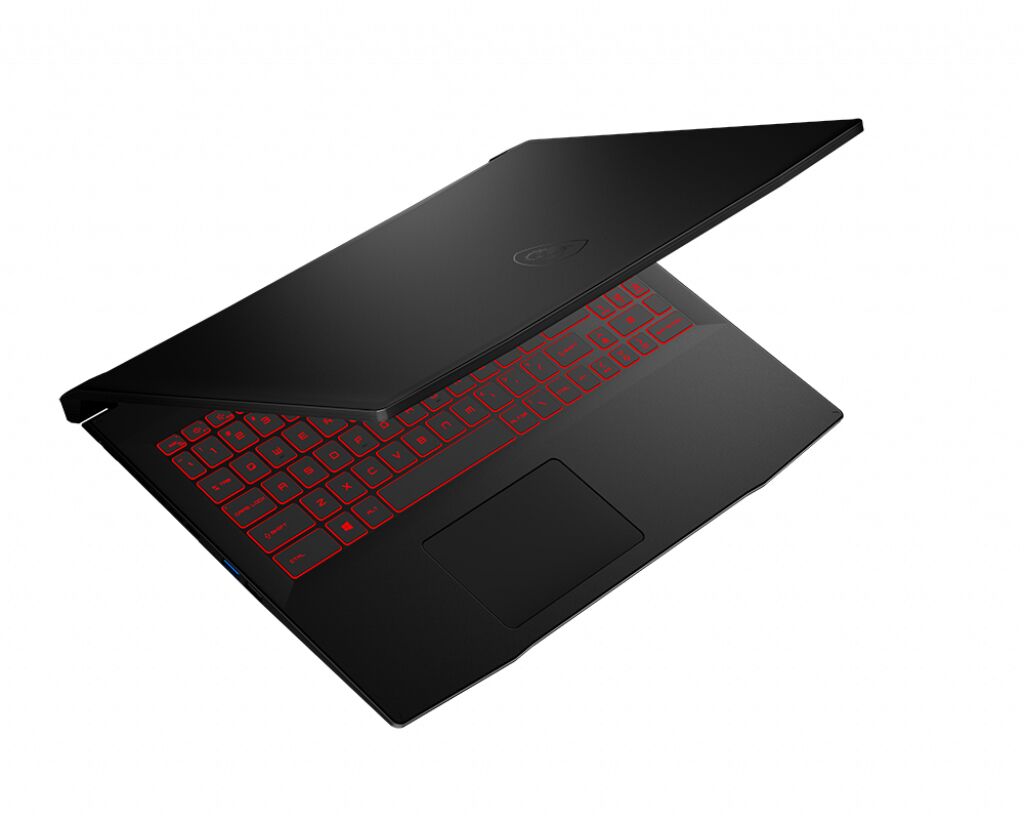

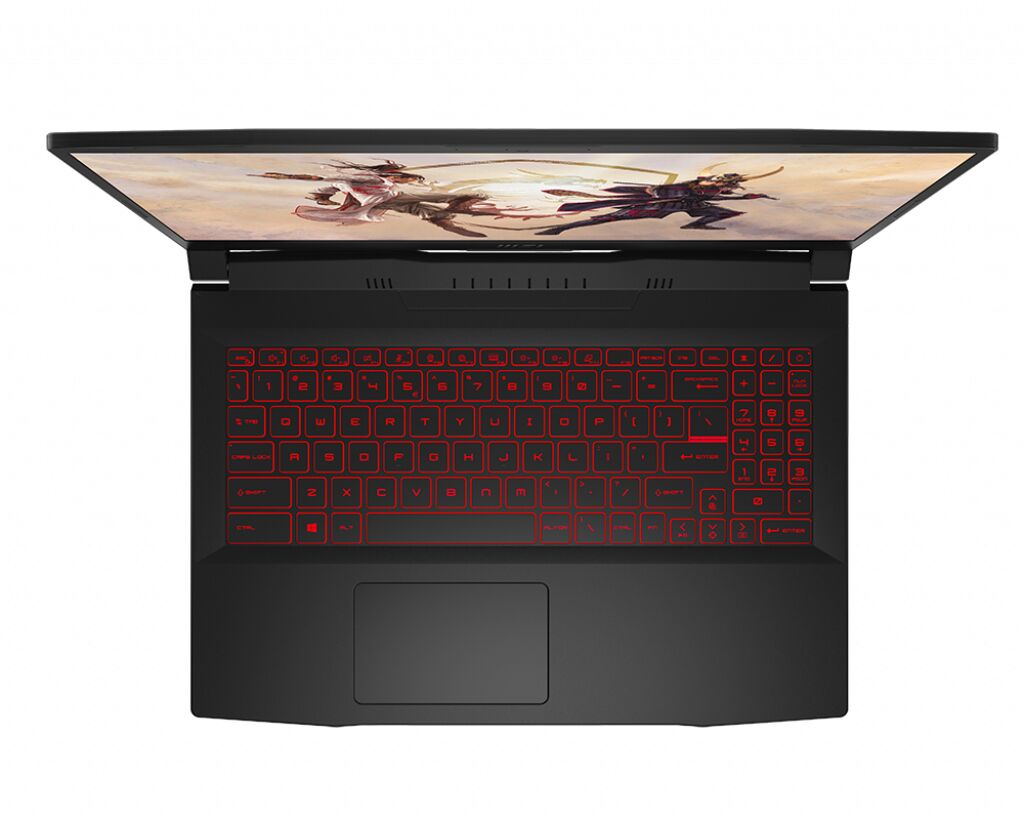
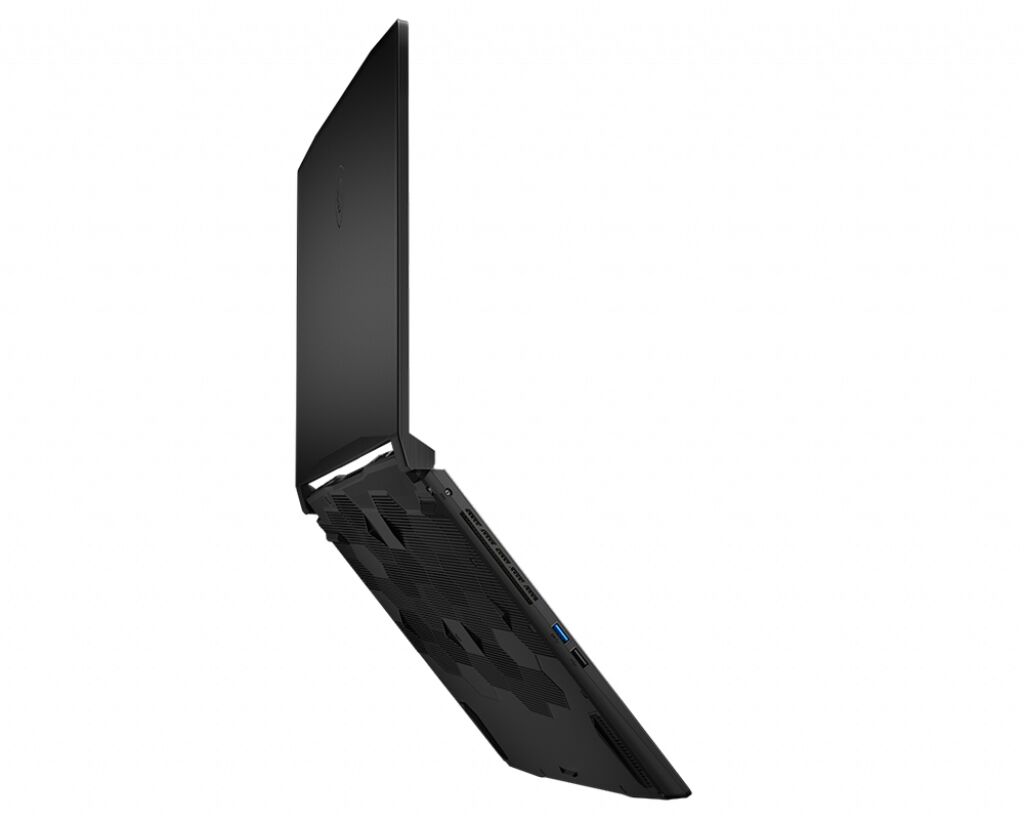
The MSI GF66 11UE-491XPL Katana gaming laptop features DDR4-SDRAM memory upgrade specifications with two SO-DIMM slots. Maximum RAM capacity reaches 64 GB, supporting DDR4 modules operating at 3200 MHz frequency. Compatible memory upgrades utilize SO-DIMM form factor specifications for the GF series Katana model. The gaming family laptop supports dual-slot memory expansion for enhanced performance configurations.
Memory Upgrade Specifications
| Specification | Value |
|---|---|
| Memory slots | 2x SO-DIMM |
| Form factor | SO-DIMM |
| Memory type | DDR4-SDRAM |
| Frequency | 3200 MHz |
| Maximum RAM | 64 GB |
| Voltage | 1.2V |
| Number of pins | 260-pin |
| Interface | PC4 |
| PC Speed Rating | PC4-3200 (PC4-25600) |
| Bandwidth | 25.6 GB/s |
| Laptop Release date | 15 February 2022 |
Additional Notes
- The MSI GF66 11UE-491XPL Katana accepts only standard 260-pin SO-DIMM modules, which excludes desktop-oriented UDIMM or registered memory types regardless of their electrical specifications.
- Both memory slots operate in dual-channel mode when populated with matched capacity modules, delivering 51.2 GB/s theoretical bandwidth compared to 25.6 GB/s when using a single module.
- The 64 GB maximum capacity requires 2 modules of 32 GB each, as single 64 GB SO-DIMM modules exceed current DDR4 technology limitations for laptop form factors.
- Installing modules rated below 3200 MHz will function but forces the entire memory subsystem to downclock to the slower module's rated speed, creating a bandwidth bottleneck for integrated graphics operations.
- The 11th generation Intel platform controller hub limits effective speeds to JEDEC standard profiles unless XMP support exists in the BIOS implementation, which typically remains unavailable in mobile gaming configurations.
- Memory replacement requires bottom panel removal, which may void manufacturer warranties if security seals are broken or if the service manual designates RAM slots as non-user-serviceable components.
- Mixing different latency timings between slots can cause POST failures or force both modules to operate at the slower timing specification, reducing effective throughput even when frequencies match.
- The DDR4 voltage standard of 1.2V prevents compatibility with DDR3L or DDR5 modules despite physical SO-DIMM keying similarities, as voltage mismatches trigger memory controller protection circuits.
- Thermal constraints in the chassis design may throttle CPU and GPU performance before RAM temperatures become limiting factors, making heat spreader selection cosmetic rather than functional.