MSI Gaming GF66 11UE-628AU Katana RAM upgrade specifications

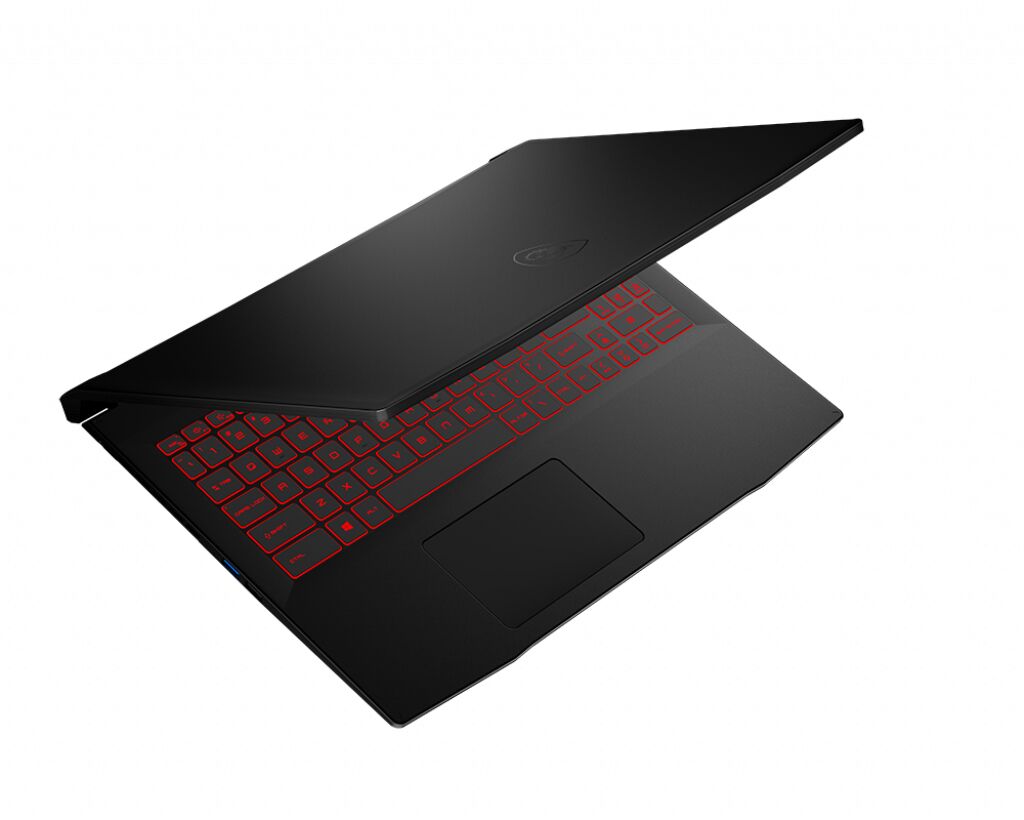

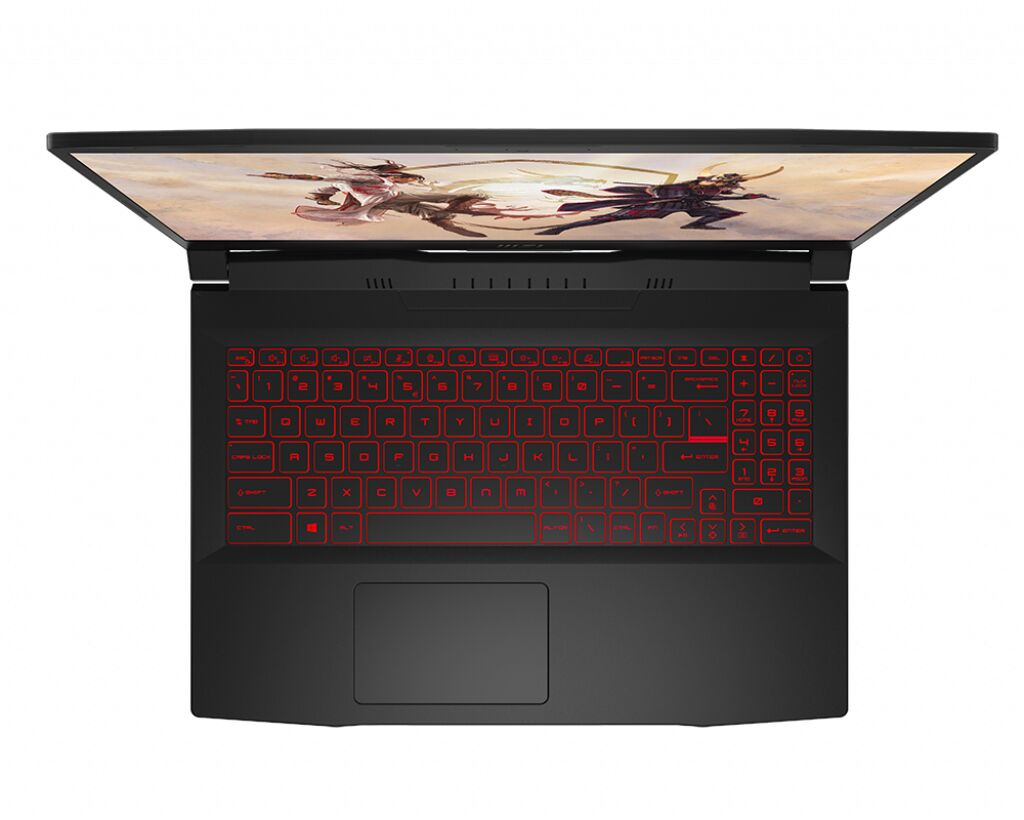
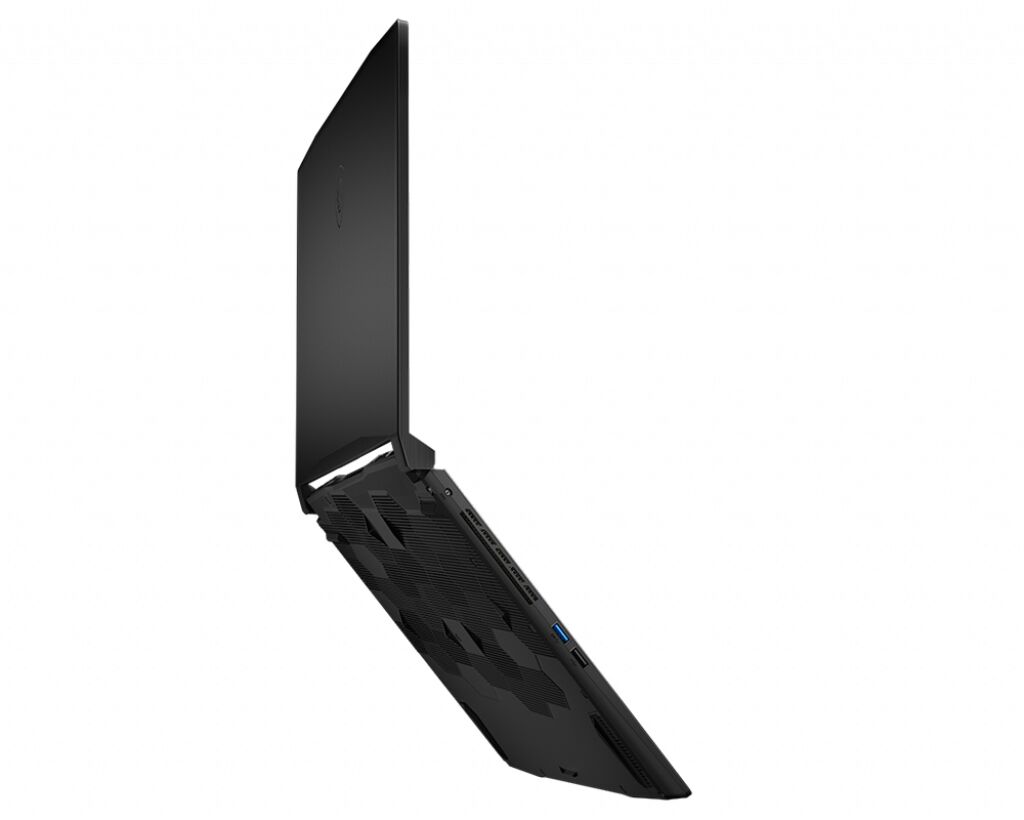
The MSI GF66 11UE-628AU Katana gaming laptop contains two SO-DIMM memory slots supporting DDR4-SDRAM upgrades. Maximum RAM capacity reaches 64 GB total. Compatible memory specifications include 3200 MHz frequency modules. The upgrade configuration permits installation of higher-capacity memory modules in both slots to achieve maximum supported capacity. Current memory upgrade options provide flexibility for enhanced multitasking and performance. Specifications indicate DDR4 memory technology compatibility for GF series Katana models.
Memory Upgrade Specifications
| Specification | Value |
|---|---|
| Memory slots | 2x SO-DIMM |
| Form factor | SO-DIMM |
| Memory type | DDR4-SDRAM |
| Frequency | 3200 MHz |
| Maximum RAM | 64 GB |
| Voltage | 1.2V |
| Number of pins | 260-pin |
| Interface | PC4 |
| PC Speed Rating | PC4-3200 (PC4-25600) |
| Bandwidth | 25.6 GB/s |
| Laptop Release date | 29 April 2022 |
Additional Notes
- The MSI GF66 11UE-628AU Katana platform architecture supports dual-channel memory operation through its 2 SO-DIMM slots, enabling doubled theoretical bandwidth compared to single-channel configurations when matching modules are installed.
- DDR4-3200 represents the native speed ceiling for this chipset generation, meaning modules rated beyond 3200 MHz will downclock to this frequency regardless of their rated specifications.
- The 64 GB maximum capacity requires 2x32 GB modules, which necessitates verifying motherboard BIOS support for high-density chips before purchase to avoid compatibility failures.
- SO-DIMM modules measure 67.6 mm compared to standard DIMM at 133.35 mm, making desktop memory physically incompatible despite identical voltage and protocol specifications.
- Mixing modules with different densities or speeds typically forces the system to operate all modules at the lowest common frequency and timing specifications.
- Access to memory slots in gaming chassis often requires bottom panel removal and potential void of seal-protected warranty areas depending on regional consumer protection laws.
- DDR4-3200 operates at 1.2 volts standard, while lower-frequency DDR4 variants may default to 1.2 volts or 1.35 volts, creating potential stability issues if mixed within the same configuration.
- The dual-slot limitation means capacity expansion beyond 32 GB total requires replacing both existing modules rather than adding to empty slots.
- CAS latency ratings impact real-world performance despite identical frequency specifications, with CL22 modules exhibiting approximately 10 nanoseconds higher latency than CL16 at 3200 MHz.
- Non-ECC unbuffered memory is the standard requirement for consumer gaming platforms, as ECC or registered modules introduce incompatibility with mobile chipset memory controllers.