MSI Gaming GF66 11UG-071XFR Katana RAM upgrade specifications

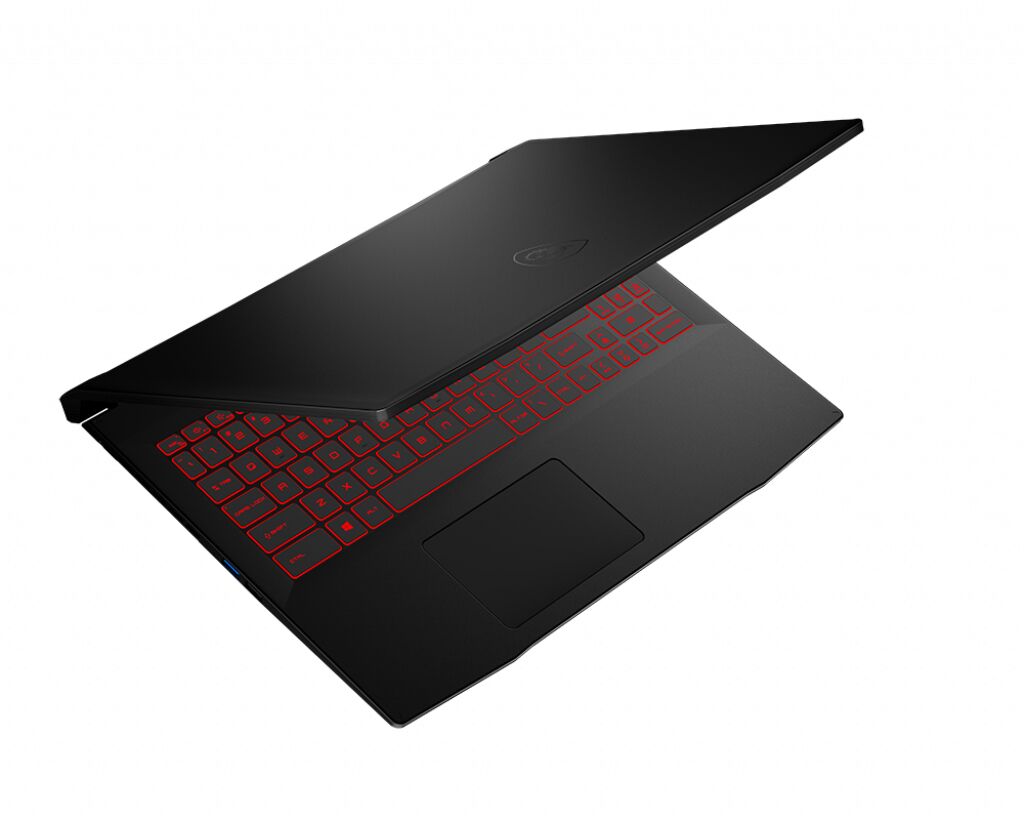

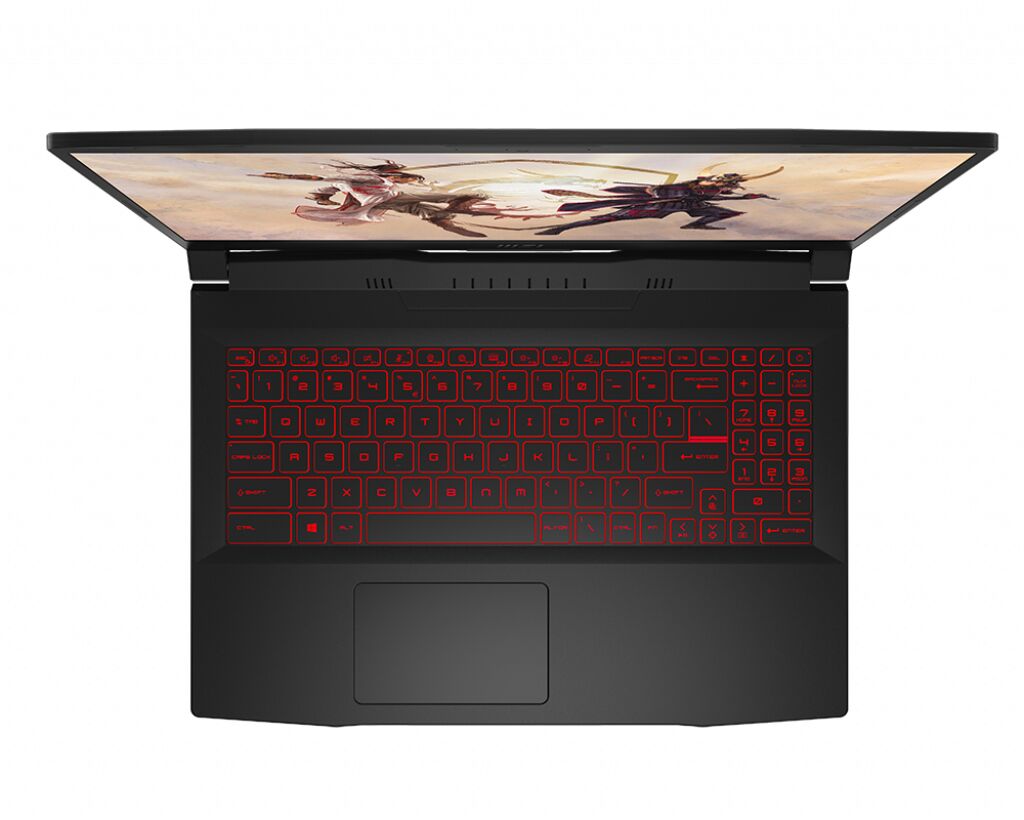
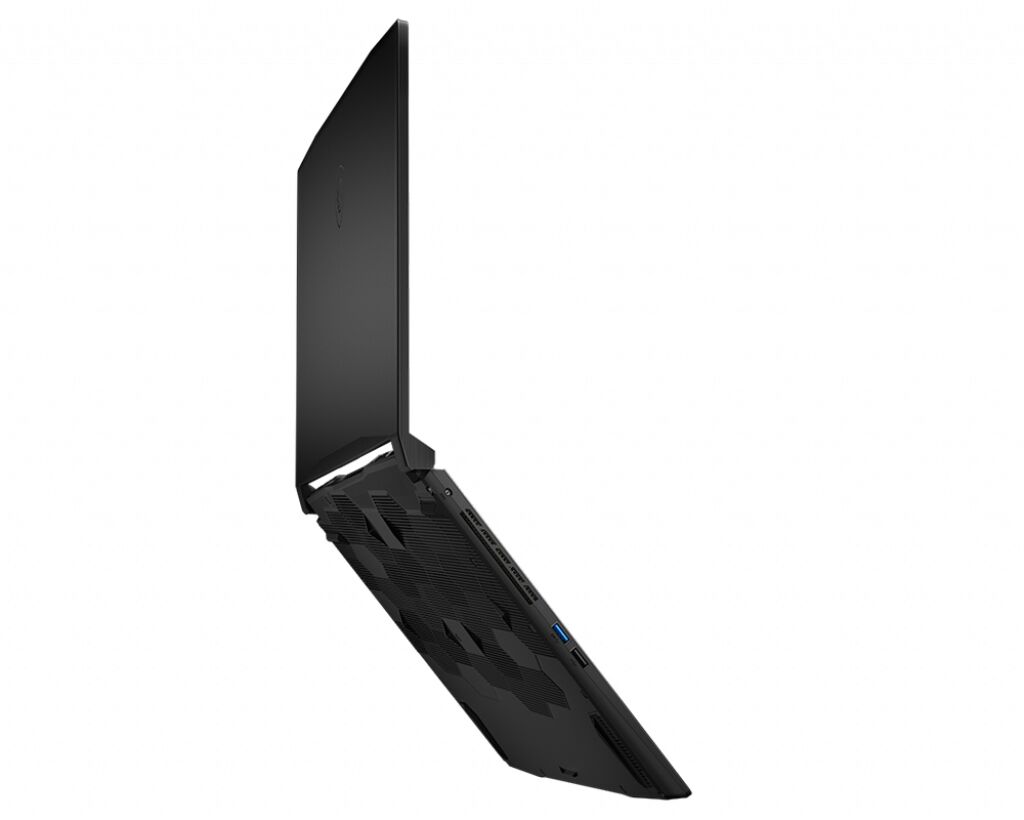
The MSI GF66 11UG-071XFR Katana gaming laptop features DDR4-SDRAM memory upgrade specifications with two SO-DIMM slots supporting maximum capacity of 64 GB. Compatible memory operates at 3200 MHz frequency. Upgrade slots accommodate SO-DIMM form factor modules. The GF series Katana model supports DDR4 memory technology for enhanced system performance and multitasking capabilities in gaming applications.
Memory Upgrade Specifications
| Specification | Value |
|---|---|
| Memory slots | 2x SO-DIMM |
| Form factor | SO-DIMM |
| Memory type | DDR4-SDRAM |
| Frequency | 3200 MHz |
| Maximum RAM | 64 GB |
| Voltage | 1.2V |
| Number of pins | 260-pin |
| Interface | PC4 |
| PC Speed Rating | PC4-3200 (PC4-25600) |
| Bandwidth | 25.6 GB/s |
| Laptop Release date | 26 May 2021 |
Additional Notes
- Dual channel architecture requires matching memory module densities across both available slots to eliminate single channel bandwidth bottlenecks during intensive gaming or rendering tasks.
- The 64 GB threshold represents the architectural limit of the internal memory controller, meaning any modules exceeding 32 GB per slot will result in a failure to post or system instability.
- Upgrading memory on the MSI GF66 11UG-071XFR Katana necessitates the removal of the entire bottom chassis plate, which may involve piercing a factory seal sticker depending on regional warranty policies.
- Installing modules with speeds exceeding 3200 MHz will result in an automatic downclock to the maximum supported frequency of the 11th Gen Intel chipset.
- The physical height of the SO-DIMM slots restricts upgrades to standard height modules, preventing the use of memory equipped with bulky aftermarket heat spreaders due to chassis clearance limitations.
- Populating both slots with identical low latency modules reduces memory controller overhead and improves frame time consistency in CPU bound applications.
- System stability is contingent on using 1.2V JEDEC compliant hardware as the BIOS typically lacks the voltage adjustment hooks required for high voltage XMP profiles.