MSI Gaming GF66 11UE-859XES Katana RAM upgrade specifications
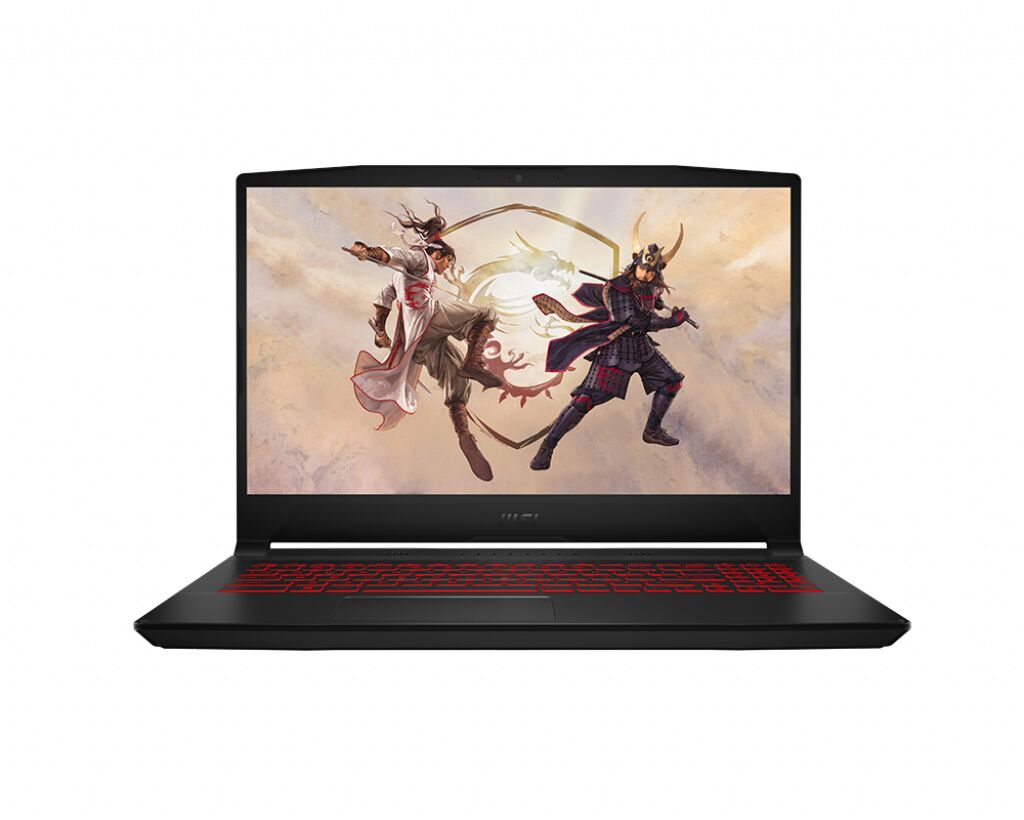
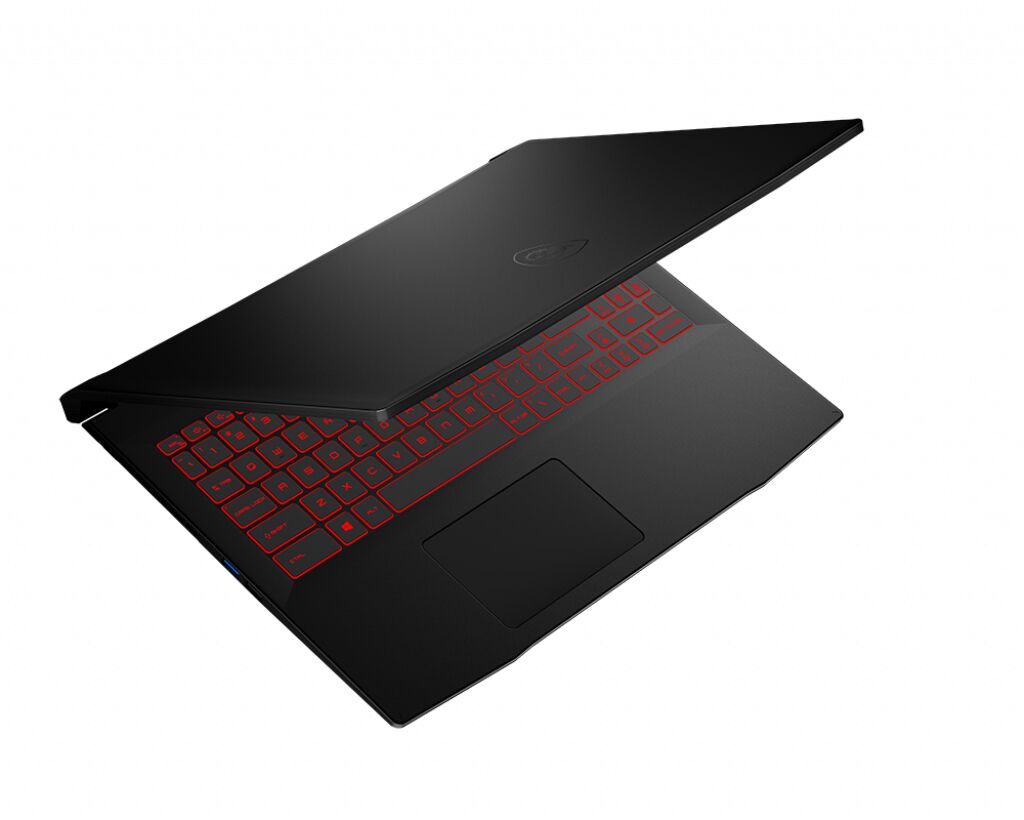
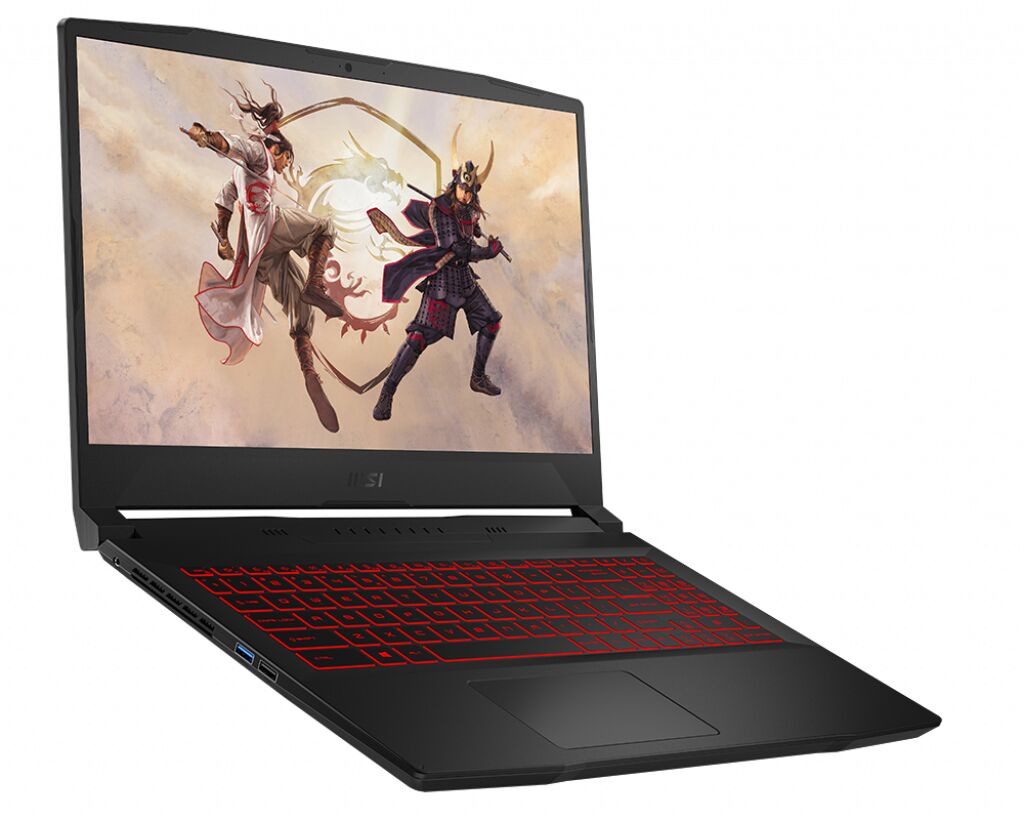
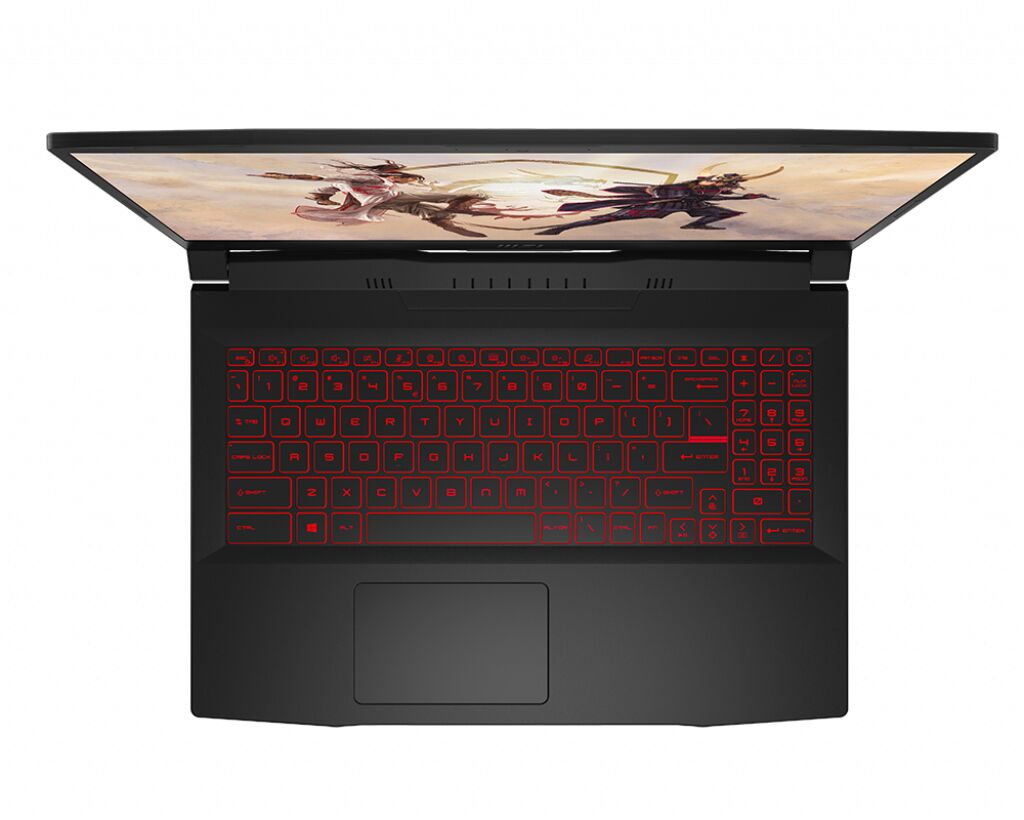
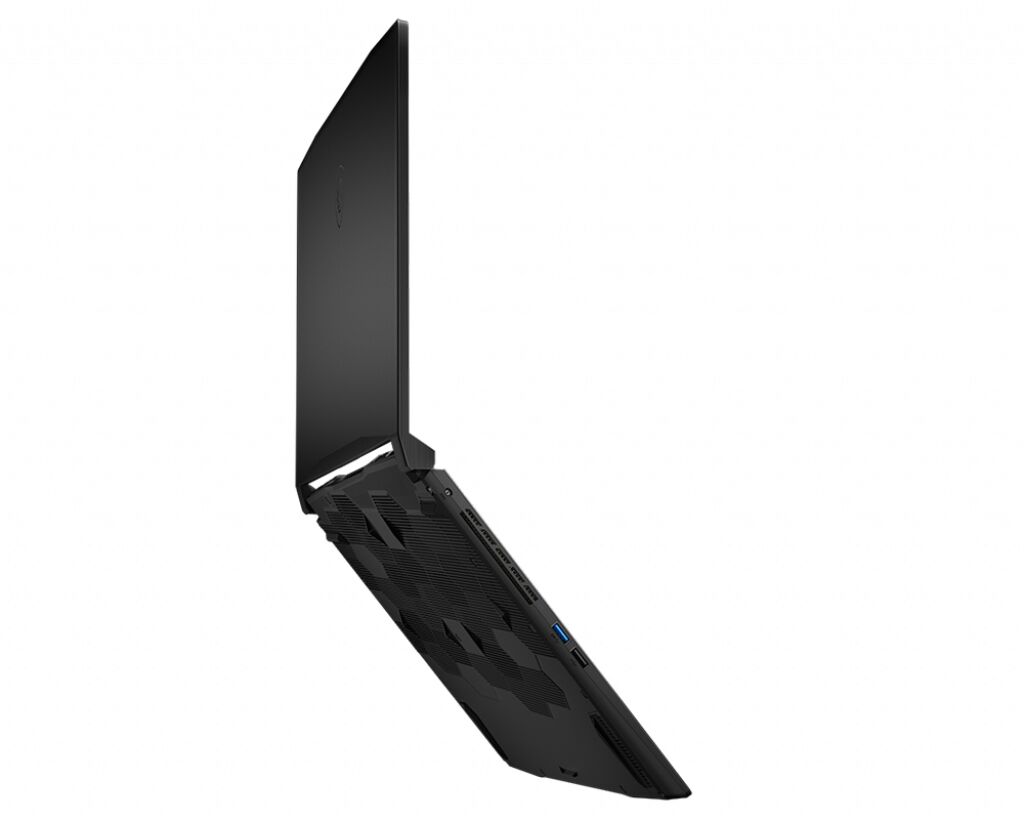
The MSI GF66 11UE-859XES Katana Gaming series laptop features DDR4-SDRAM memory upgrade specifications. The system contains 2x SO-DIMM memory slots supporting maximum capacity of 64 GB RAM. Compatible memory modules operate at 3200 MHz frequency with SO-DIMM form factor. Specifications enable memory upgrades for enhanced system performance on the GF66 11UE-859XES Katana model.
Memory Upgrade Specifications
| Specification | Value |
|---|---|
| Memory slots | 2x SO-DIMM |
| Form factor | SO-DIMM |
| Memory type | DDR4-SDRAM |
| Frequency | 3200 MHz |
| Maximum RAM | 64 GB |
| Voltage | 1.2V |
| Number of pins | 260-pin |
| Interface | PC4 |
| PC Speed Rating | PC4-3200 (PC4-25600) |
| Bandwidth | 25.6 GB/s |
| Laptop Release date | 13 May 2022 |
Additional Notes
- The MSI GF66 11UE-859XES Katana utilizes standard 260-pin SO-DIMM modules rather than soldered memory, allowing RAM replacement without motherboard-level repairs.
- DDR4-3200 represents the maximum officially supported speed on 11th generation Intel platforms, meaning higher frequency modules will downclock to 3200 MHz regardless of their rated specifications.
- The 64 GB maximum capacity requires 2 modules of 32 GB each, which may present compatibility challenges as dual-rank 32 GB SO-DIMMs can cause instability with certain chipset revisions.
- Mixing memory modules with different densities or ranks across the 2 slots will force the system to operate in single-channel mode, halving available memory bandwidth.
- Access to SO-DIMM slots on gaming chassis typically requires complete bottom panel removal rather than a dedicated service door, increasing installation time and risk of cable disconnection.
- Non-XMP standard DDR4 modules rated at 2666 MHz or 2933 MHz will function but underutilize the platform's bandwidth capabilities, potentially creating GPU performance bottlenecks in VRAM-intensive workloads.
- Operating dual-channel configuration at 3200 MHz provides 51.2 GB/s theoretical bandwidth, which becomes critical when integrated graphics shares system memory during hybrid GPU switching.
- Thermal considerations mandate low-profile SO-DIMM heat spreaders in compact gaming laptops, as standard desktop-height heat spreaders may interfere with keyboard assembly clearance.
- Voltage specifications must remain at standard 1.2V for DDR4, as higher voltage "performance" modules designed for overclocking are incompatible with laptop power delivery systems.
- The absence of ECC support in consumer gaming platforms means error-correcting modules will function only in non-ECC mode, offering no reliability advantage over standard unbuffered memory.