MSI Gaming GF66 11UE-835 Katana RAM upgrade specifications




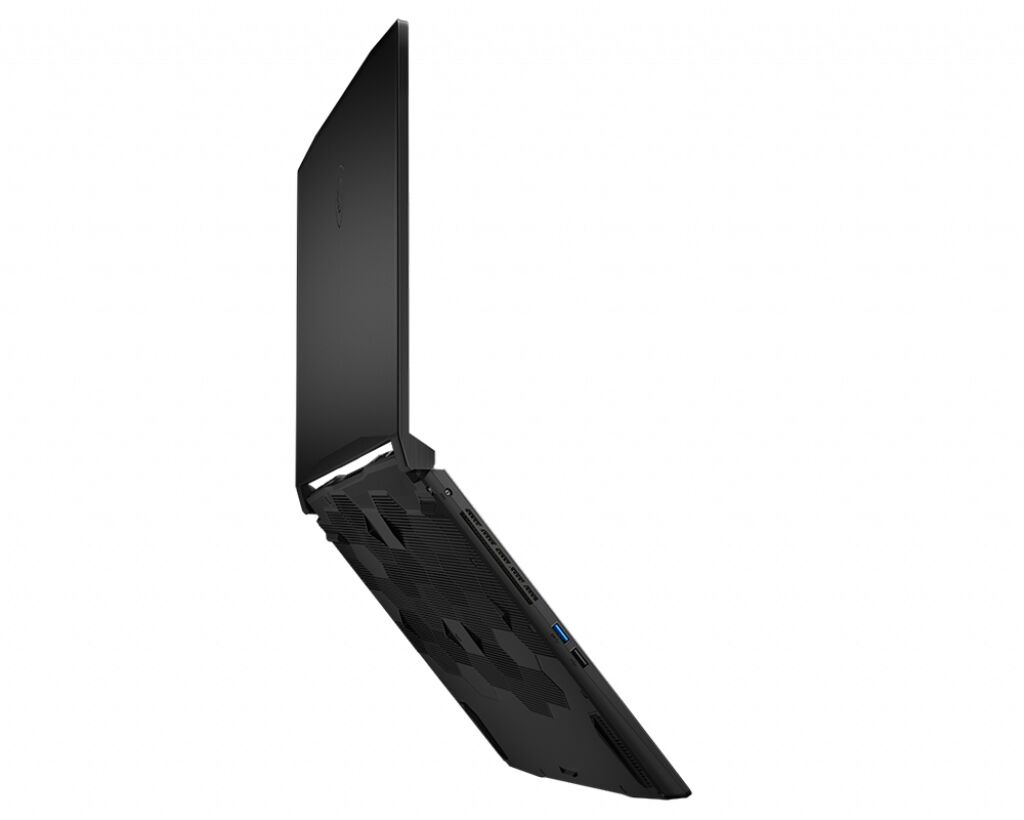
MSI GF66 11UE-835 Katana Gaming laptop features DDR4-SDRAM memory upgrade capability. The system includes 2x SO-DIMM slots supporting maximum RAM capacity of 64 GB. Compatible memory operates at 3200 MHz frequency with SO-DIMM form factor. Specifications enable memory expansion to achieve maximum 64 GB total capacity through compatible DDR4 modules. RAM upgrade slots accommodate standard SO-DIMM memory modules meeting specifications for MSI GF66 11UE-835 Katana Gaming series.
Memory Upgrade Specifications
| Specification | Value |
|---|---|
| Memory slots | 2x SO-DIMM |
| Form factor | SO-DIMM |
| Memory type | DDR4-SDRAM |
| Frequency | 3200 MHz |
| Maximum RAM | 64 GB |
| Voltage | 1.2V |
| Number of pins | 260-pin |
| Interface | PC4 |
| PC Speed Rating | PC4-3200 (PC4-25600) |
| Bandwidth | 25.6 GB/s |
| Laptop Release date | 28 January 2022 |
Additional Notes
- The absence of soldered memory on the MSI GF66 11UE-835 Katana motherboard facilitates a full replacement of both factory modules to achieve a symmetrical dual channel configuration.
- Operating 2 matching modules is necessary to saturate the integrated memory controller bandwidth and prevent CPU performance bottlenecks during high frame rate execution.
- Adhering to the 64 GB threshold prevents system instability or failure to boot caused by the BIOS addressing limits of the 11th Gen architecture.
- Upgrading with modules exceeding 3200 MHz results in automatic downclocking to the maximum supported system bus speed regardless of the memory XMP profile.
- The SO-DIMM form factor requires 260 pin modules designed for tight clearance within the thin chassis profile to avoid contact with the bottom panel.
- Dual slot availability allows for a staggered upgrade path where a single high capacity module can be added initially while sacrificing dual channel interleaving efficiency.
- Installing high density memory kits reduces reliance on the Windows page file and extends the operational lifespan of the primary solid state drive by minimizing write cycles.