MSI Gaming GF66 11UE-810 Katana RAM upgrade specifications
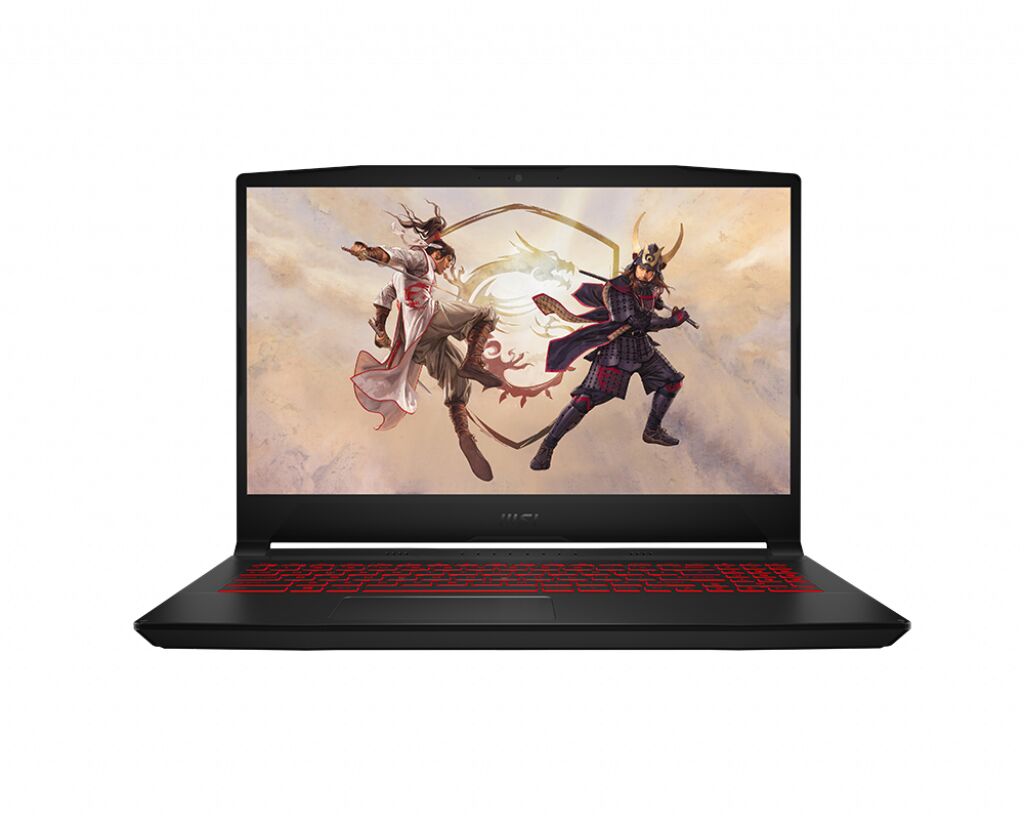
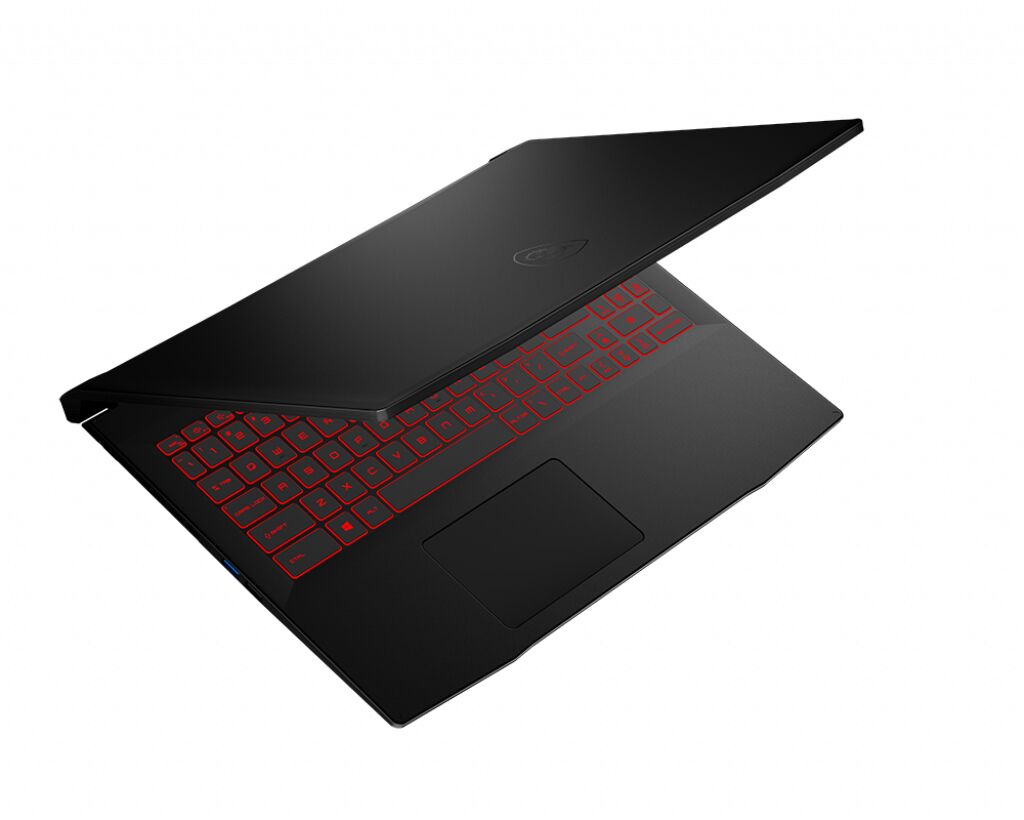
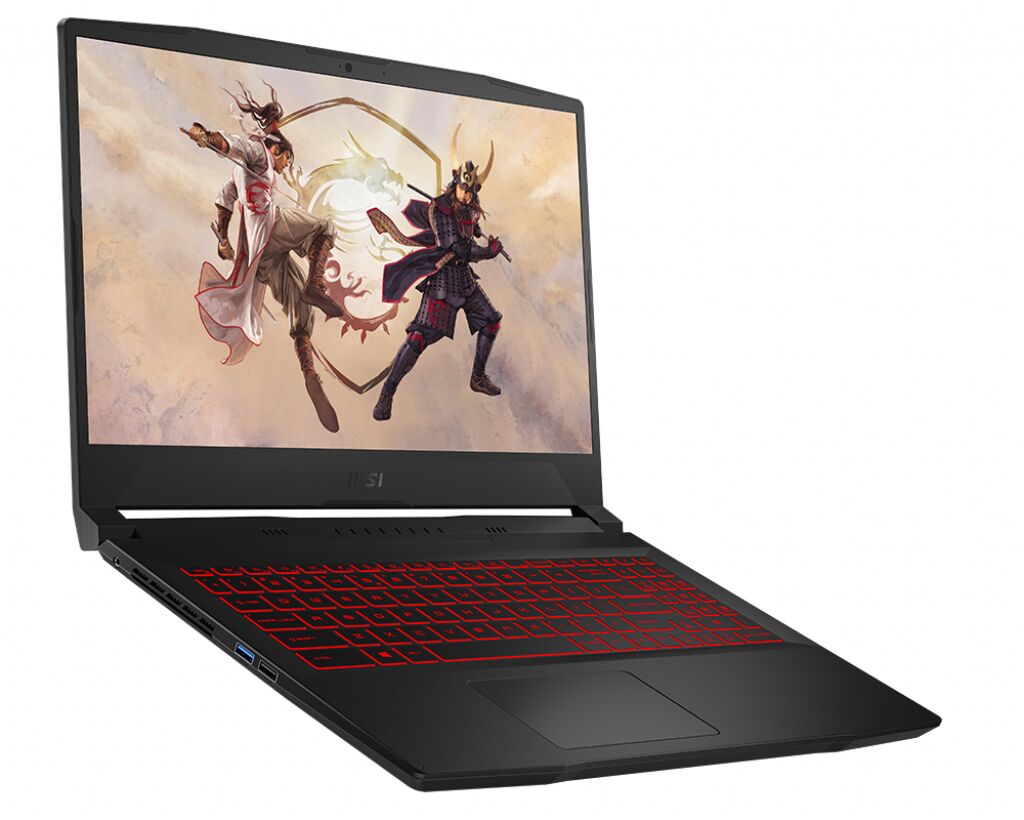
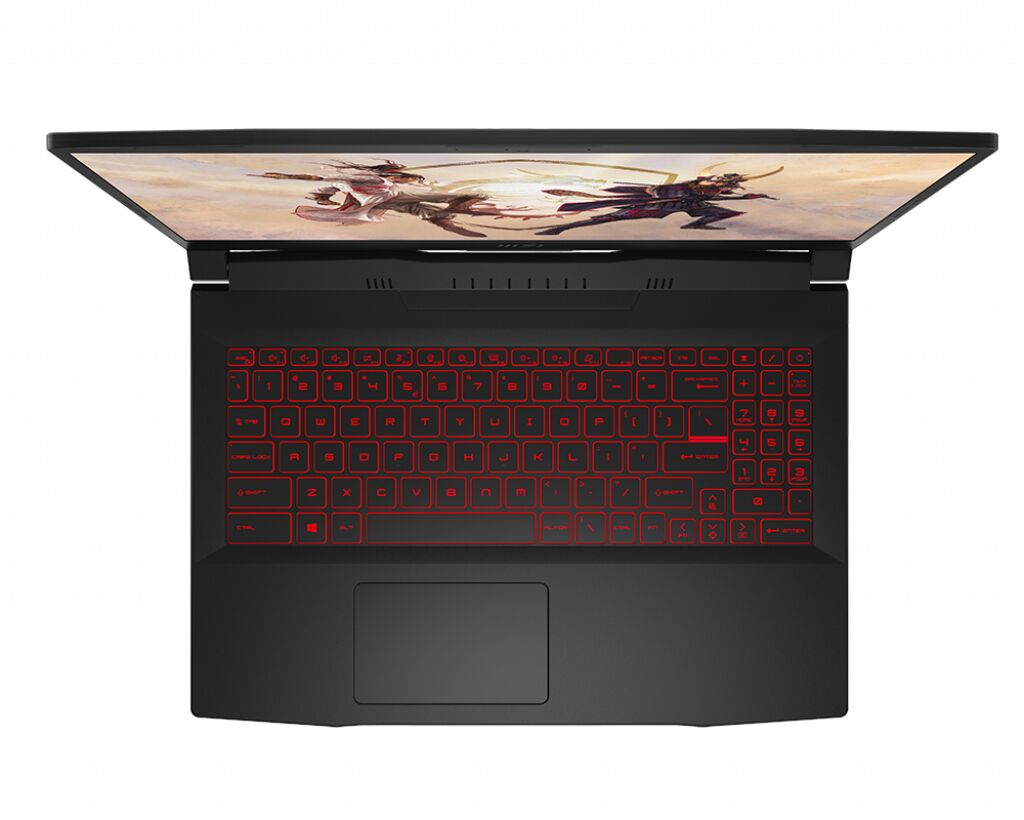
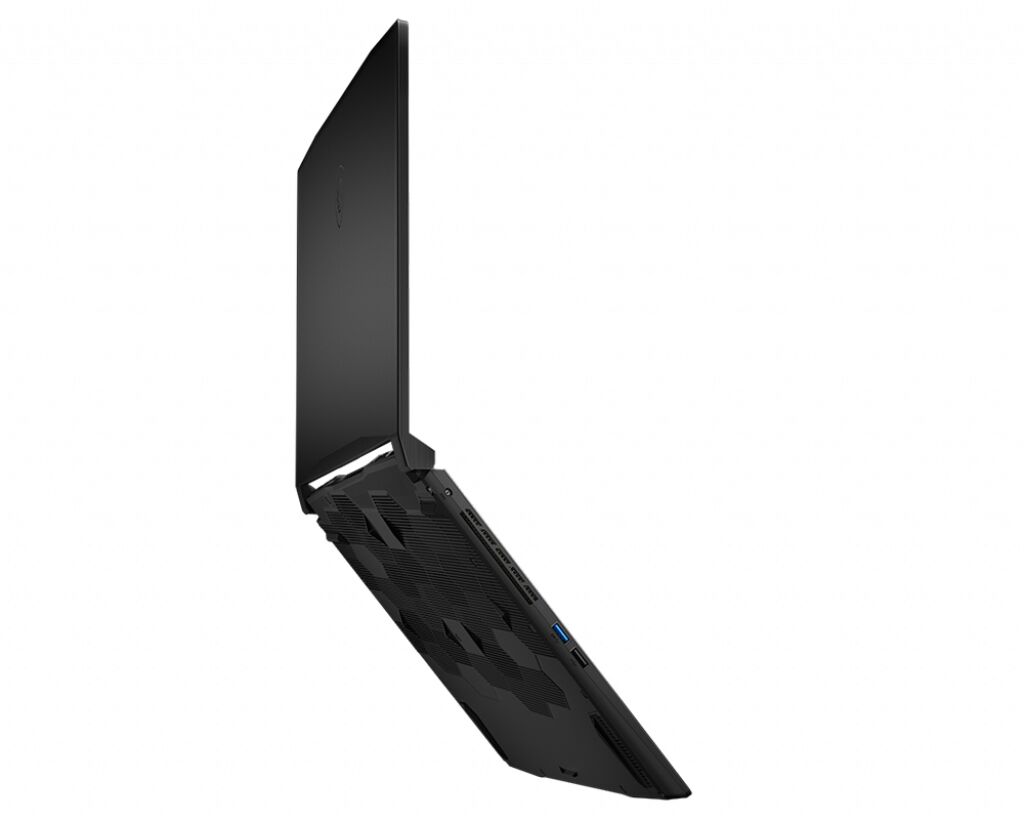
The MSI GF66 11UE-810 Katana gaming laptop contains 2x SO-DIMM memory slots supporting DDR4-SDRAM modules. Maximum RAM capacity reaches 64 GB with compatible DDR4 memory operating at 3200 MHz frequency. Upgrade specifications indicate SO-DIMM form factor modules are required for memory expansion on the GF series Katana model. The laptop's memory configuration supports standard DDR4 specifications for gaming performance upgrades.
Memory Upgrade Specifications
| Specification | Value |
|---|---|
| Memory slots | 2x SO-DIMM |
| Form factor | SO-DIMM |
| Memory type | DDR4-SDRAM |
| Frequency | 3200 MHz |
| Maximum RAM | 64 GB |
| Voltage | 1.2V |
| Number of pins | 260-pin |
| Interface | PC4 |
| PC Speed Rating | PC4-3200 (PC4-25600) |
| Bandwidth | 25.6 GB/s |
| Laptop Release date | 22 January 2022 |
Additional Notes
- The MSI GF66 11UE-810 Katana supports dual-channel memory architecture, which requires matched pairs in both slots to achieve maximum bandwidth of 51.2 GB/s rather than the 25.6 GB/s available in single-channel mode.
- The 3200 MHz native support eliminates automatic downclocking penalties that occur when mixing modules of different speeds, as the controller will default to the slowest module frequency.
- The 64 GB ceiling requires 2x32 GB SO-DIMM modules, which limits future expansion headroom once maximum capacity is installed.
- DDR4 SO-DIMM physical specifications mandate 260-pin modules with a 69.6 mm length constraint, preventing standard desktop DIMM installation regardless of electrical compatibility.
- Non-ECC unbuffered modules are required, as the mobile platform does not support registered or error-correcting configurations that would introduce latency overhead.
- Memory operating voltage must remain at standard 1.2V specification, as higher-voltage enthusiast modules designed for overclocking may exceed thermal design limits in the laptop chassis.
- Accessing both SO-DIMM slots typically requires complete bottom panel removal rather than dedicated access doors, extending installation time and necessitating static discharge precautions.
- The Intel 11th generation platform supports JEDEC standard timings at 3200 MHz, meaning CL22 modules will function identically to lower-latency CL20 or CL18 modules if the controller does not expose timing adjustment options.
- Mixing module capacities such as 8 GB with 16 GB will still enable dual-channel operation but only for the matched capacity range, reverting to single-channel for addresses beyond the smaller module size.