MSI Gaming GF66 12UC-018AU Katana RAM upgrade specifications

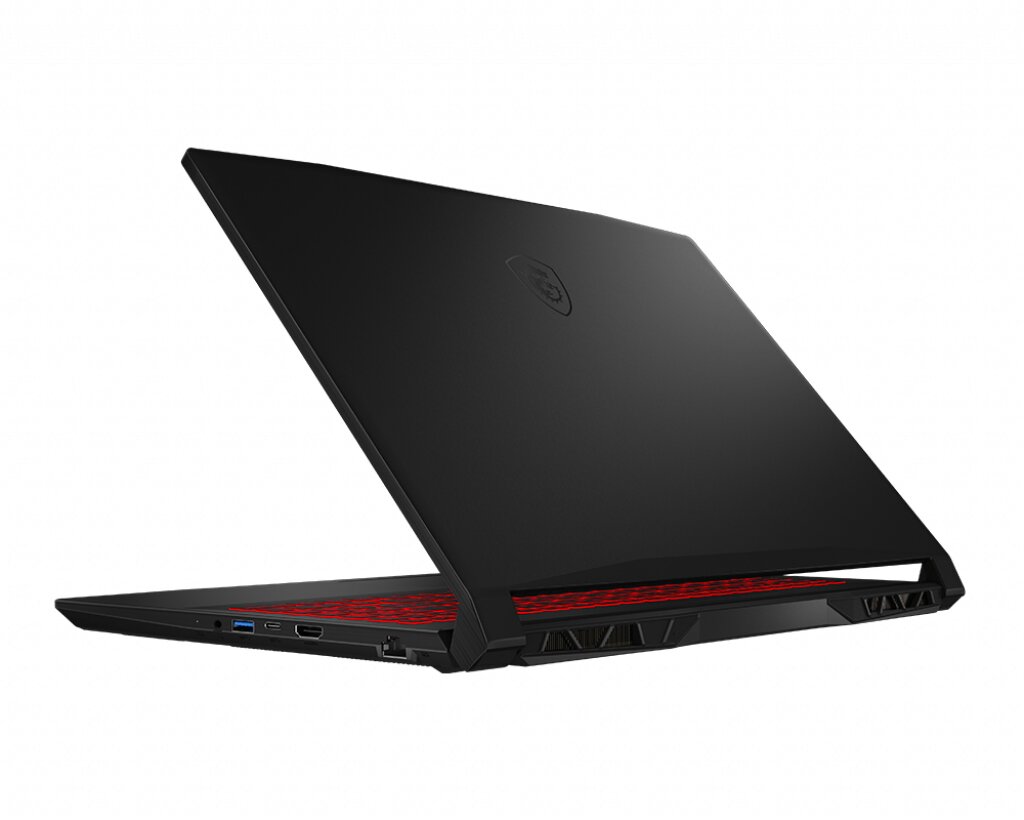
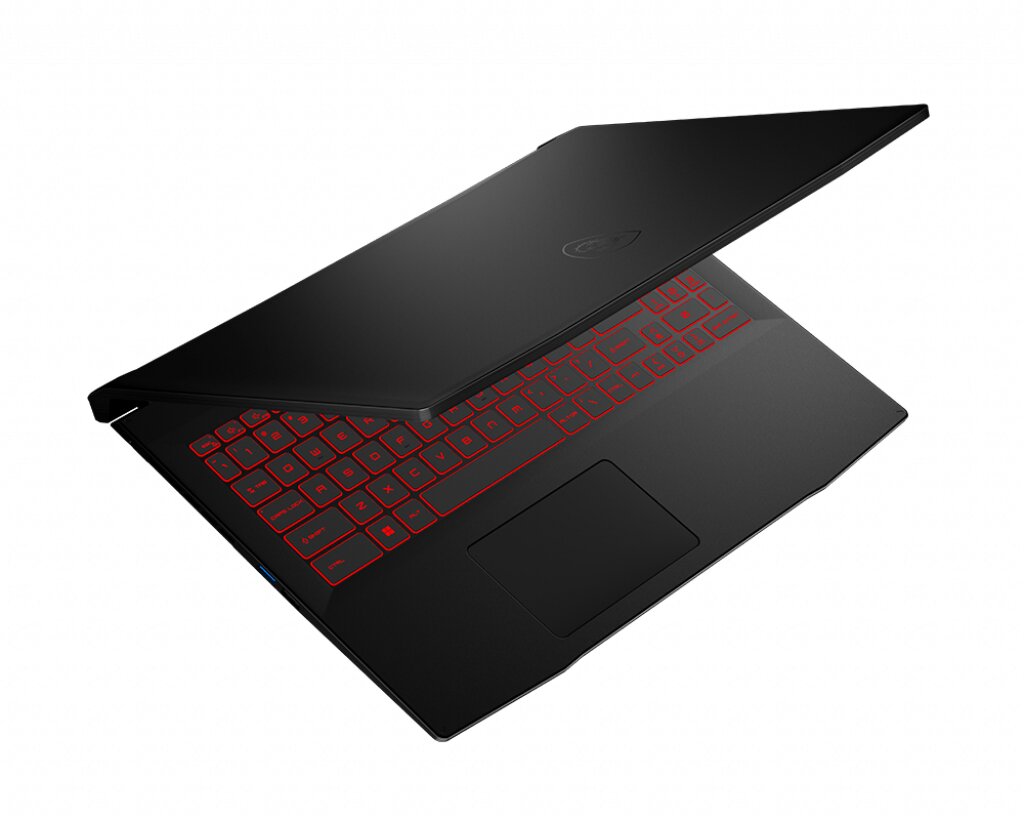

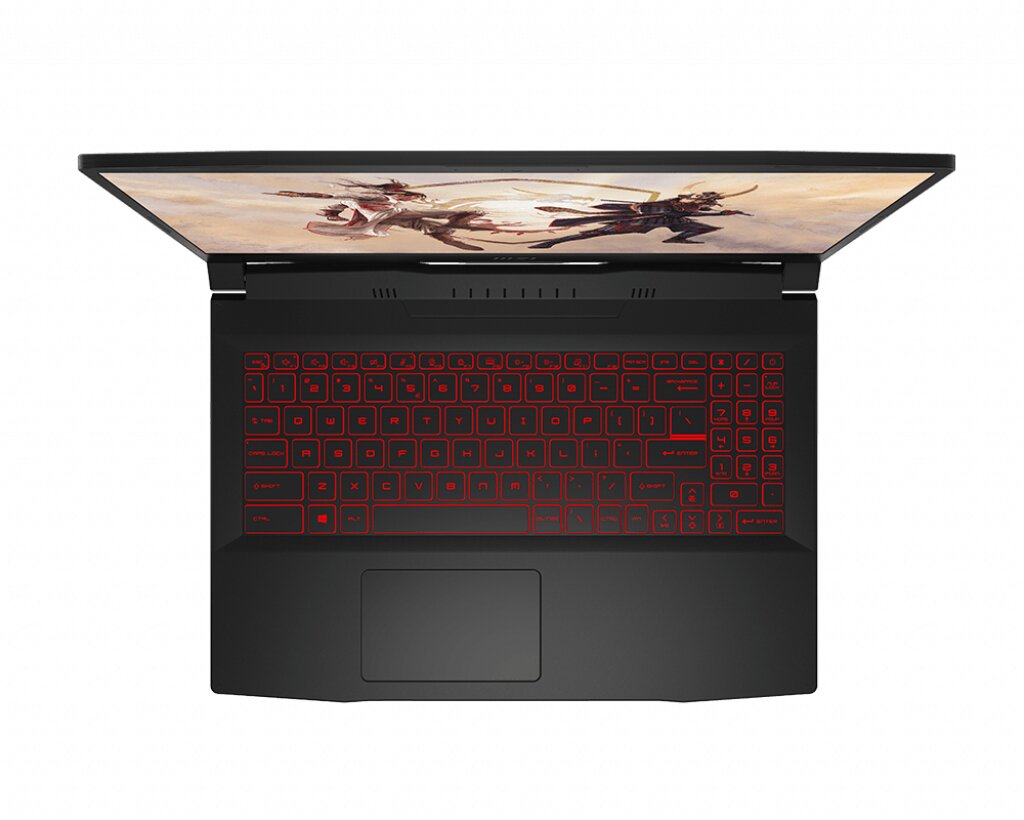
The MSI GF66 12UC-018AU Katana gaming laptop features DDR4-SDRAM memory upgrade specifications with two SO-DIMM slots supporting maximum capacity of 64 GB. Memory operates at 3200 MHz frequency. Compatible RAM upgrades utilize SO-DIMM form factor modules. Specifications indicate available slots for memory expansion to achieve maximum supported capacity on the GF series Katana model.
Memory Upgrade Specifications
| Specification | Value |
|---|---|
| Memory slots | 2x SO-DIMM |
| Form factor | SO-DIMM |
| Memory type | DDR4-SDRAM |
| Frequency | 3200 MHz |
| Maximum RAM | 64 GB |
| Voltage | 1.2V |
| Number of pins | 260-pin |
| Interface | PC4 |
| PC Speed Rating | PC4-3200 (PC4-25600) |
| Bandwidth | 25.6 GB/s |
| Laptop Release date | 05 January 2023 |
Additional Notes
- The MSI GF66 12UC-018AU Katana supports dual-channel memory architecture, enabling higher bandwidth when identical modules populate both slots rather than operating in single-channel mode with only one slot filled.
- DDR4 modules running at frequencies above 3200 MHz will downclock to match the supported speed, potentially wasting premium pricing on higher-spec RAM that cannot operate at advertised performance levels.
- The 64 GB maximum capacity indicates compatibility with 32 GB individual SO-DIMM modules, which require dual-rank architecture and may exhibit different latency characteristics compared to single-rank 16 GB modules.
- SO-DIMM installation typically requires removing the bottom panel and potentially voiding seals, though memory upgrades generally preserve manufacturer warranty coverage unlike storage modifications in some regions.
- Mixing RAM modules with different timings forces the system to adopt the slower timing profile across both slots, degrading overall memory subsystem performance even when frequencies match.
- DDR4-3200 operates at approximately 25.6 GB/s theoretical bandwidth per channel, yielding 51.2 GB/s combined when dual-channel configuration functions correctly with matched modules.
- Intel 12th generation processors paired with 3200 MHz memory create balanced performance, as higher frequencies provide diminishing returns unless engaging memory-intensive workloads like video rendering or large dataset processing.
- Non-standard voltage modules rated above 1.2V may encounter stability issues or outright incompatibility, as laptop platforms enforce stricter power delivery constraints than desktop motherboards.
- Upgrading from soldered memory configurations does not apply here since both slots accept user-replaceable modules, simplifying capacity expansion without specialized desoldering equipment.
- The 260-pin SO-DIMM standard prevents accidental installation of incompatible 204-pin DDR3 modules through physical key notch positioning differences.