MSI Gaming GF66 12UC-040AU Katana RAM upgrade specifications
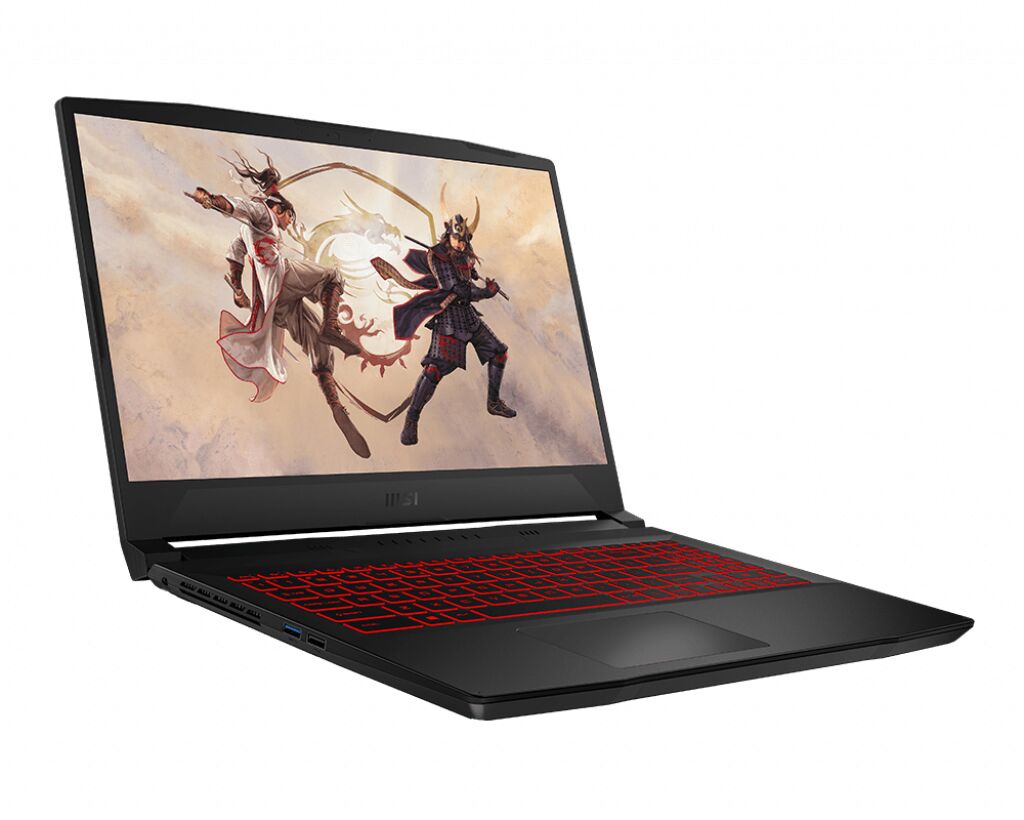
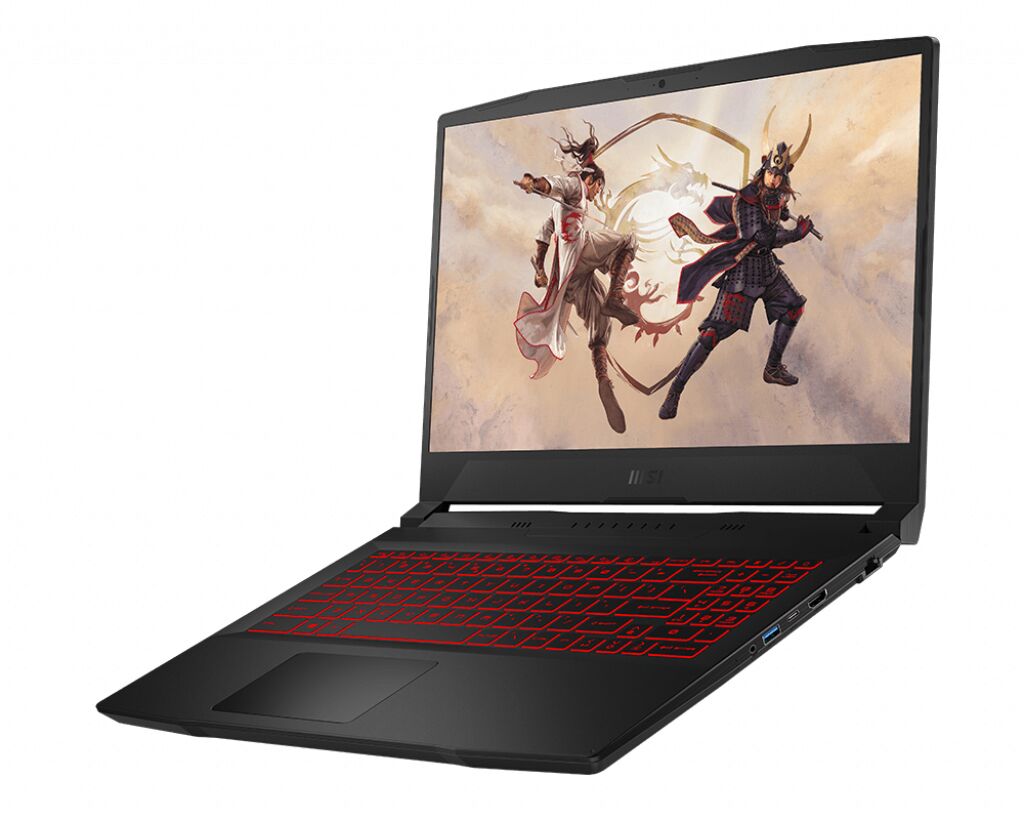
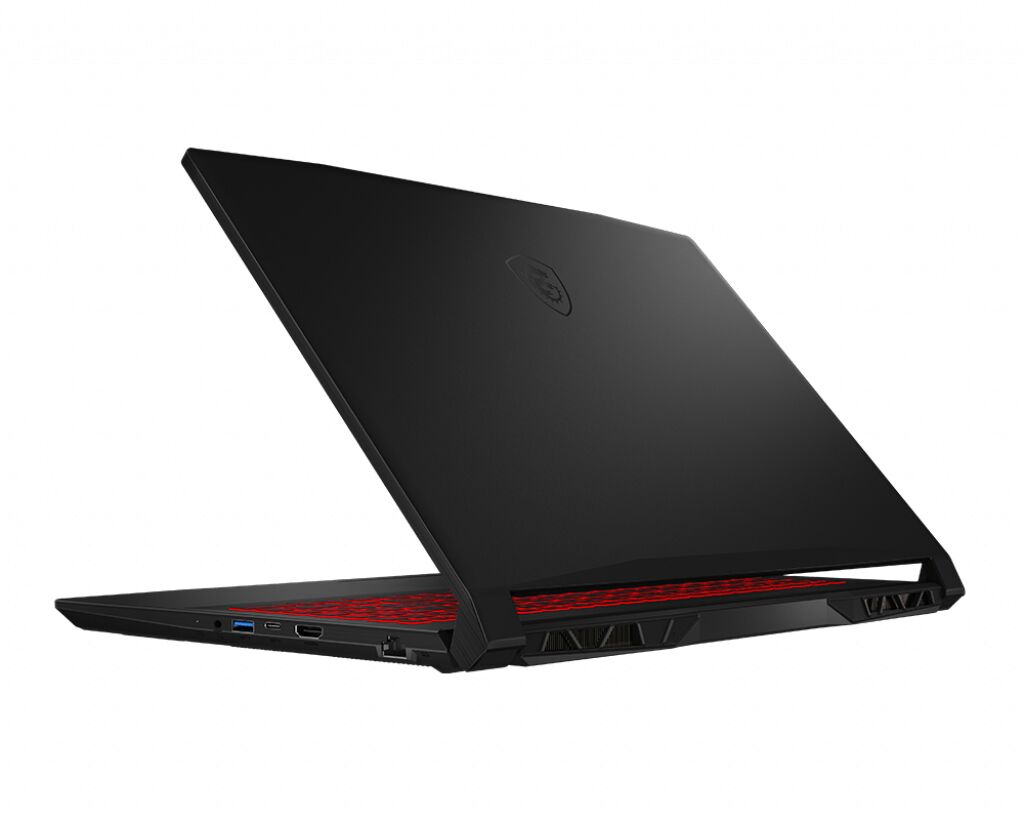
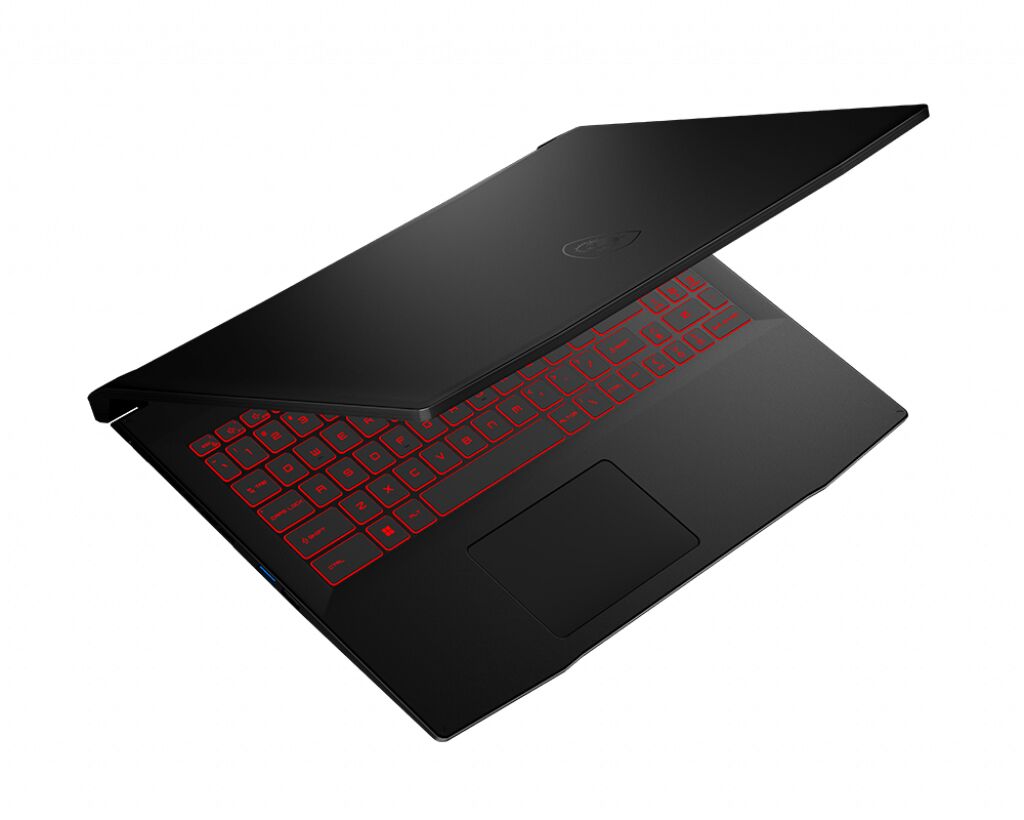
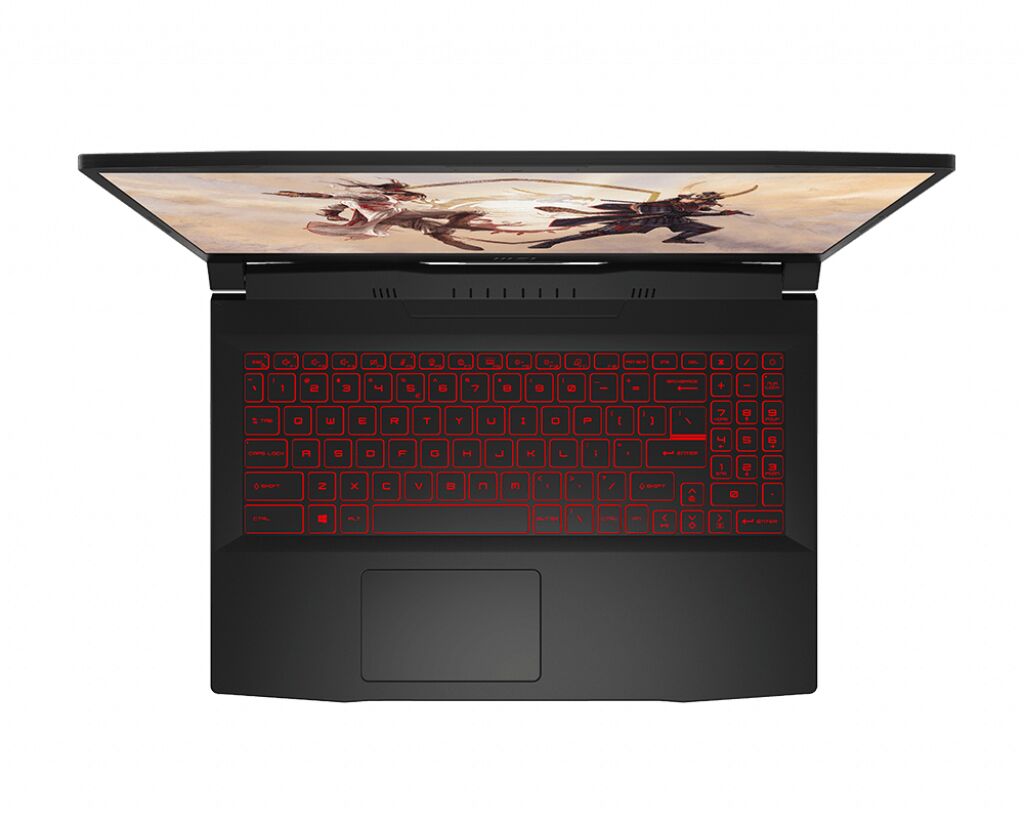
The MSI GF66 12UC-040AU Katana gaming laptop features DDR4-SDRAM memory configuration with 2x SO-DIMM slots supporting maximum capacity of 64 GB RAM. Upgrade specifications indicate compatible memory operates at 3200 MHz frequency using SO-DIMM form factor. Current memory slots accommodate individual modules up to 32 GB each, allowing users to expand total system RAM capacity to 64 GB maximum. DDR4-SDRAM specifications define the memory upgrade compatibility parameters for the GF66 Katana model series.
Memory Upgrade Specifications
| Specification | Value |
|---|---|
| Memory slots | 2x SO-DIMM |
| Form factor | SO-DIMM |
| Memory type | DDR4-SDRAM |
| Frequency | 3200 MHz |
| Maximum RAM | 64 GB |
| Voltage | 1.2V |
| Number of pins | 260-pin |
| Interface | PC4 |
| PC Speed Rating | PC4-3200 (PC4-25600) |
| Bandwidth | 25.6 GB/s |
| Laptop Release date | 01 August 2022 |
Additional Notes
- The MSI GF66 12UC-040AU Katana accommodates only laptop-form DDR4 memory, making desktop RAM incompatible with this system regardless of capacity or speed rating.
- Dual SO-DIMM slots create a hard ceiling at 64 GB total capacity; expanding beyond this threshold requires replacing both modules rather than adding a third slot, as no additional slots exist.
- DDR4-3200 MHz represents the rated frequency ceiling; modules rated higher than 3200 MHz will operate at reduced speed on this platform due to controller limitations, negating speed premium costs.
- Both memory slots occupy the same physical space beneath the keyboard deck, necessitating removal of the input assembly to access installed modules and increasing installation complexity compared to desktop systems.
- SO-DIMM modules occupy significantly less board real estate than standard UDIMM counterparts, constraining heat dissipation around memory; high-capacity modules (32 GB per stick) may generate elevated operating temperatures under sustained workloads.
- Asymmetrical dual-channel configurations (pairing 8 GB with 16 GB modules, for instance) remain fully functional but reduce effective bandwidth utilization during memory-intensive gaming or rendering tasks.
- Factory warranty typically covers memory upgrades using approved vendor lists; third-party DDR4-3200 SO-DIMM modules from reputable manufacturers generally avoid warranty complications if system stability remains unaffected.