MSI Gaming GF66 12UD-064FR Katana RAM upgrade specifications



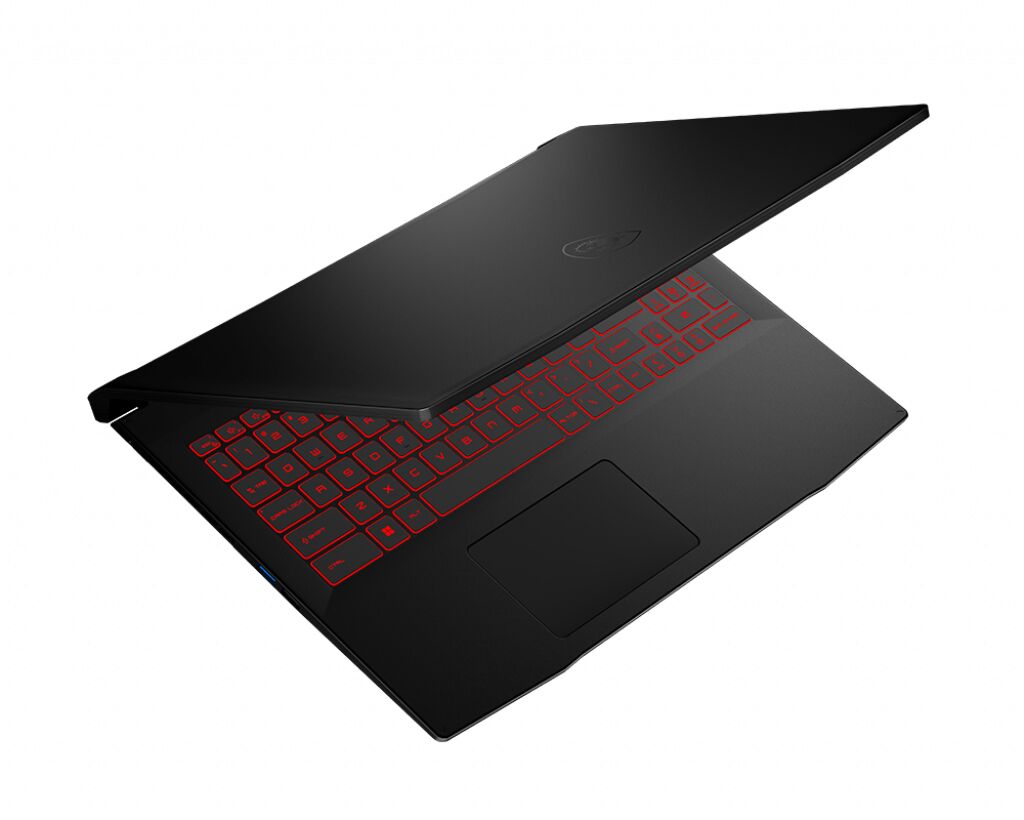
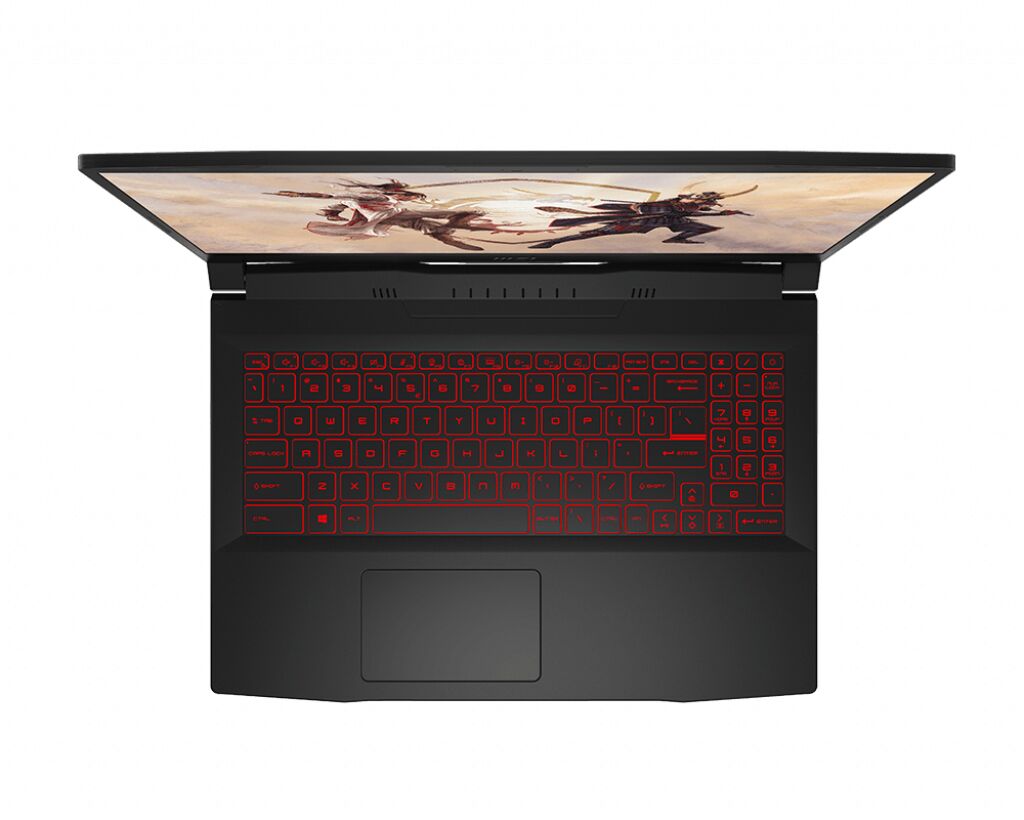
The MSI GF66 12UD-064FR Katana gaming laptop features DDR4-SDRAM memory upgrade specifications with 2x SO-DIMM slots supporting maximum capacity of 64 GB. Compatible memory modules operate at 3200 MHz frequency. The upgrade slots accommodate SO-DIMM form factor components. Current specifications allow for memory expansion within the Gaming GF series configuration parameters. Users seeking RAM upgrades must select DDR4-SDRAM modules matching 3200 MHz specifications and SO-DIMM form factor compatibility standards established for the Katana model line.
Memory Upgrade Specifications
| Specification | Value |
|---|---|
| Memory slots | 2x SO-DIMM |
| Form factor | SO-DIMM |
| Memory type | DDR4-SDRAM |
| Frequency | 3200 MHz |
| Maximum RAM | 64 GB |
| Voltage | 1.2V |
| Number of pins | 260-pin |
| Interface | PC4 |
| PC Speed Rating | PC4-3200 (PC4-25600) |
| Bandwidth | 25.6 GB/s |
| Laptop Release date | 16 March 2022 |
Additional Notes
- The dual-channel architecture requires matching memory modules in both slots to achieve peak data transfer rates and minimize CPU wait cycles.
- Installing a single 32 GB module instead of two 16 GB modules results in single-channel operation, which creates a bandwidth bottleneck in memory-intensive gaming scenarios.
- The 64 GB limit indicates the motherboard firmware supports high-density 32 GB sticks, providing a significant runway for professional virtualization or video editing tasks.
- System stability depends on using non-ECC unbuffered modules, as the MSI GF66 12UD-064FR Katana chipset lacks the hardware parity required for error-correcting code memory.
- Replacing existing factory modules is necessary for total capacity increases because the absence of vacant slots prevents adding memory without removing the original hardware.
- The 3200 MHz frequency reflects the maximum supported JEDEC standard, meaning modules with higher rated speeds will automatically downclock to match the hardware controller limitations.
- Accessing the SO-DIMM slots involves removing the entire bottom chassis plate, which may require breaking a factory seal depending on regional service center policies.
- Lower latency modules with tighter CAS timings offer better performance gains at the native 3200 MHz frequency than attempting to overclock beyond the rated speed.