MSI Gaming GF66 12UD-065FR Katana RAM upgrade specifications
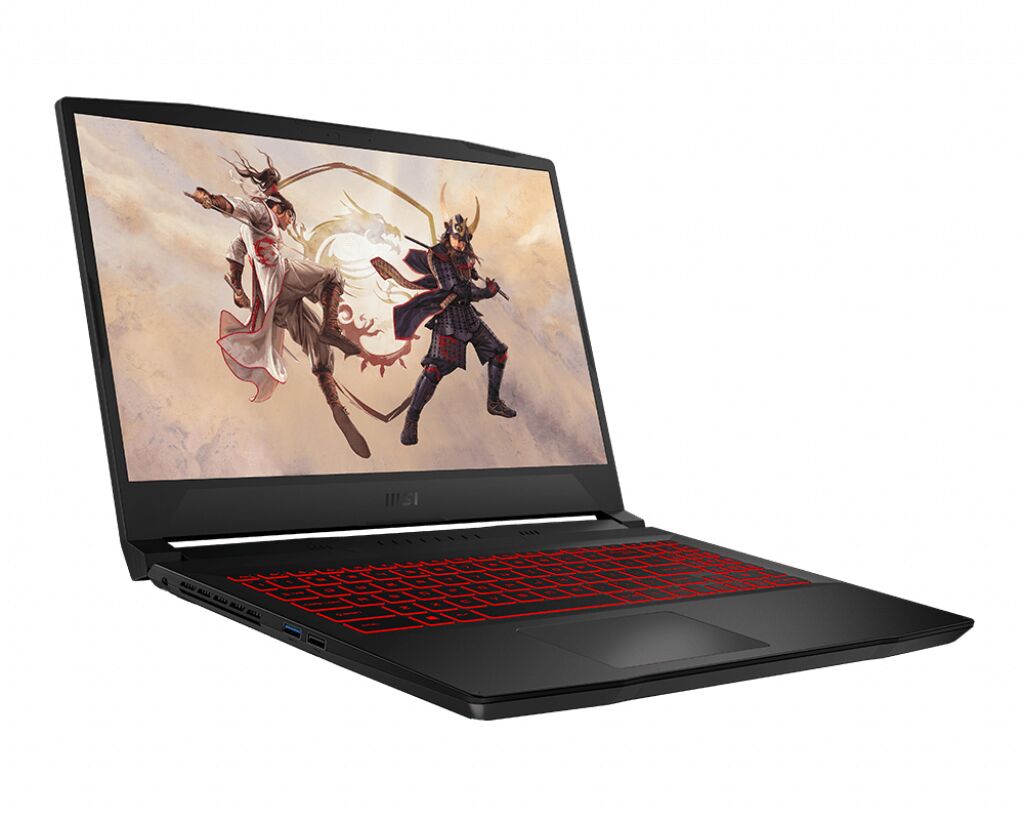
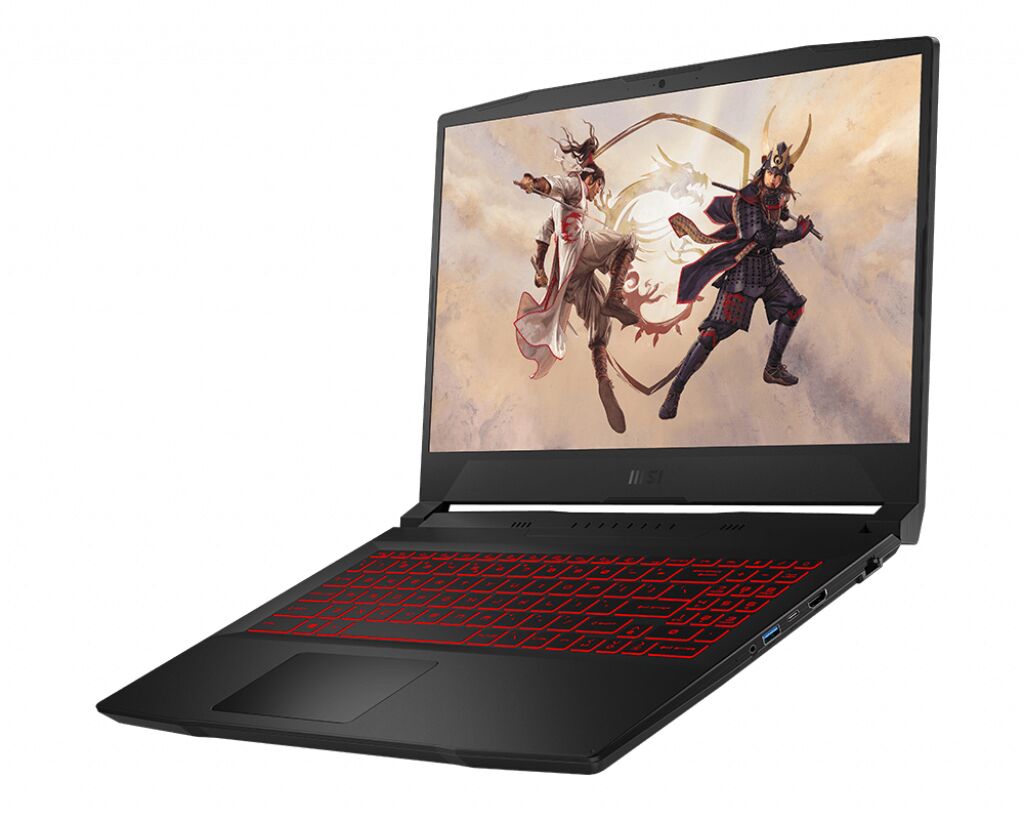
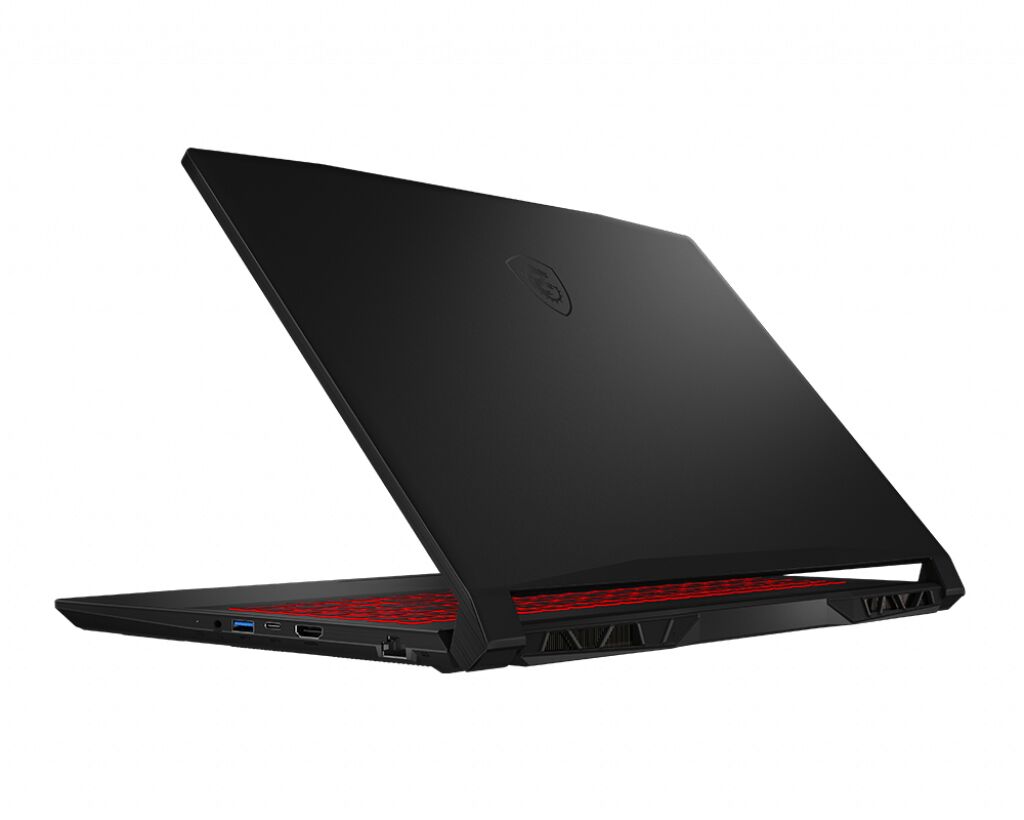
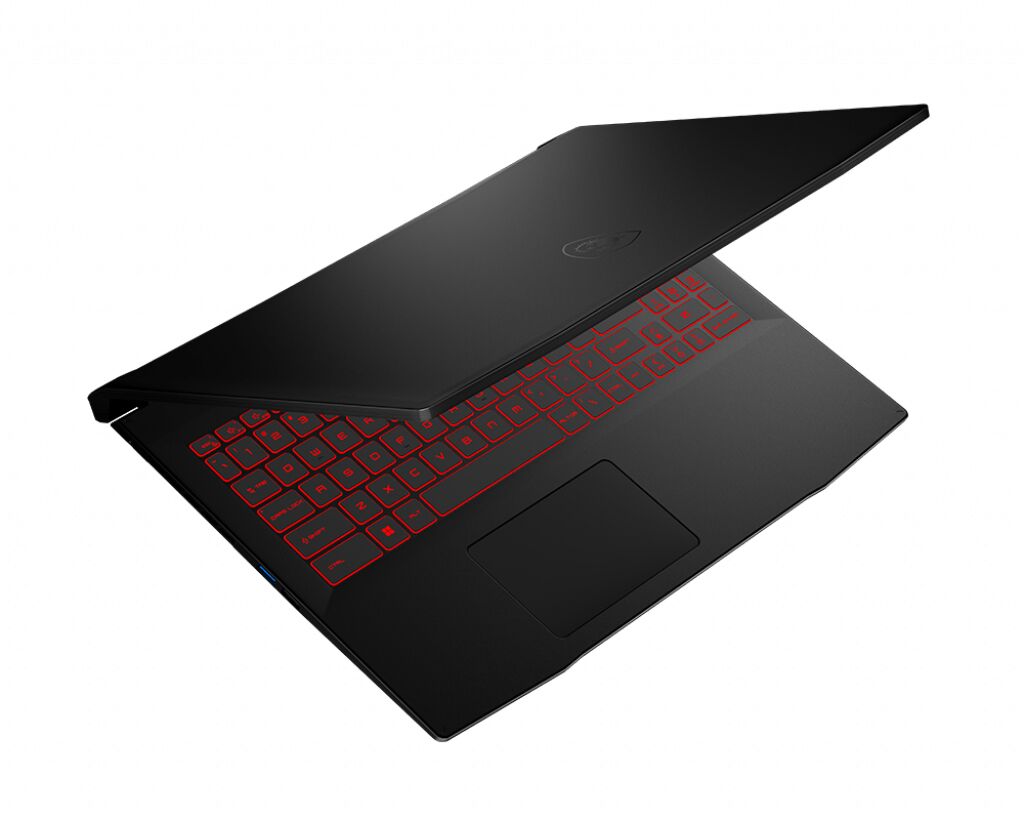
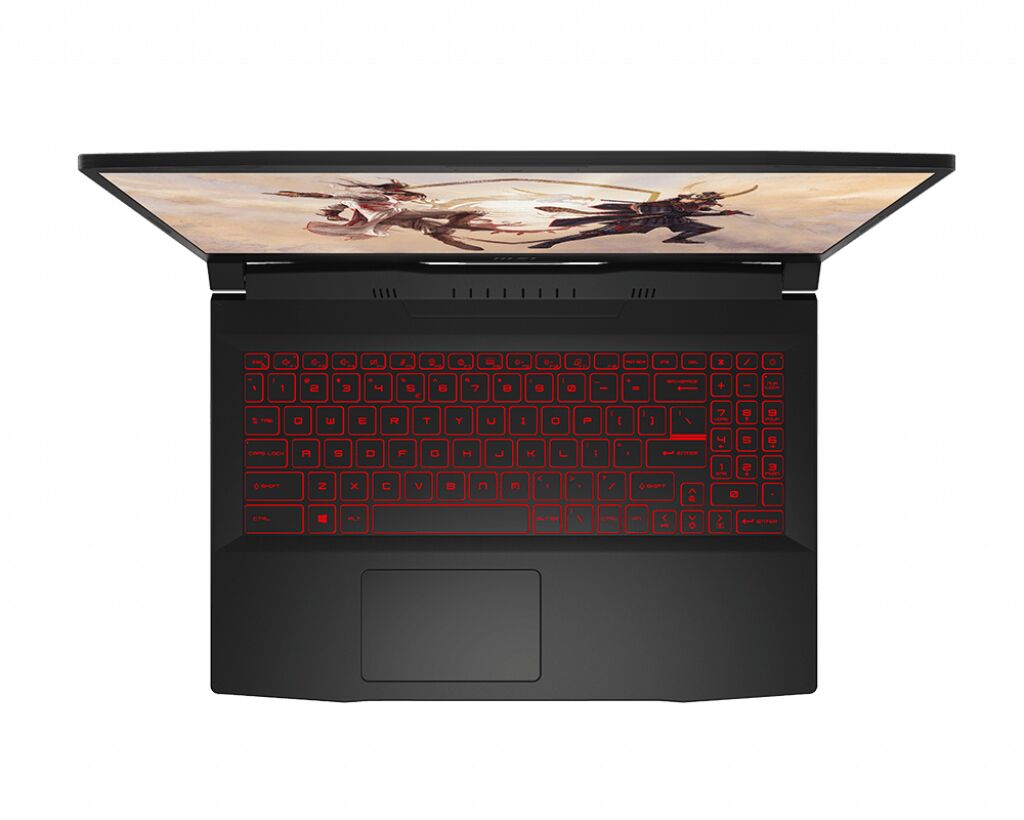
The MSI GF66 12UD-065FR Katana Gaming series laptop supports DDR4-SDRAM memory upgrades through 2x SO-DIMM slots. Maximum RAM capacity reaches 64 GB with memory operating at 3200 MHz frequency. Compatible SO-DIMM modules enable memory expansion for enhanced multitasking and performance. Current specifications define upgrade parameters for the GF66 12UD-065FR Katana model within MSI's Gaming family lineup.
Memory Upgrade Specifications
| Specification | Value |
|---|---|
| Memory slots | 2x SO-DIMM |
| Form factor | SO-DIMM |
| Memory type | DDR4-SDRAM |
| Frequency | 3200 MHz |
| Maximum RAM | 64 GB |
| Voltage | 1.2V |
| Number of pins | 260-pin |
| Interface | PC4 |
| PC Speed Rating | PC4-3200 (PC4-25600) |
| Bandwidth | 25.6 GB/s |
| Laptop Release date | 31 December 2021 |
Additional Notes
- The MSI GF66 12UD-065FR Katana uses laptop-specific SO-DIMM modules rather than full-size DIMM sticks, restricting compatible RAM to mobile-grade hardware and preventing desktop RAM repurposing.
- DDR4-3200 MHz frequency represents a mid-tier standard for 12th-generation Intel mobile platforms; newer DDR5 systems will not function in these 2 slots, establishing a permanent architectural ceiling for memory upgrades.
- 64 GB maximum capacity requires both slots filled with 32 GB SO-DIMM modules; single-slot upgrades cannot exceed half this theoretical maximum, creating a choice between incomplete capacity or full replacement of existing memory.
- DDR4-SDRAM bandwidth saturates at approximately 51 GB/s; GPU and CPU memory requests above this threshold experience latency delays, particularly affecting large file transfers between discrete graphics and system RAM during rendering tasks.
- The 2-slot configuration offers no spare slots for future expansion; any memory upgrade necessitates removal and replacement of original modules rather than additive installation.
- SO-DIMM modules generate more localized heat than desktop equivalents due to component density; cooling airflow patterns in the Katana chassis may become a limiting factor when both slots contain high-capacity, high-speed modules simultaneously.
- Warranty implications exist with non-MSI-certified memory; third-party DDR4-3200 SO-DIMM modules meeting JEDEC standards typically remain covered under hardware warranty, whereas performance overclocking of memory frequency voids protection.