MSI Gaming GF66 12UD-207XPT Katana RAM upgrade specifications



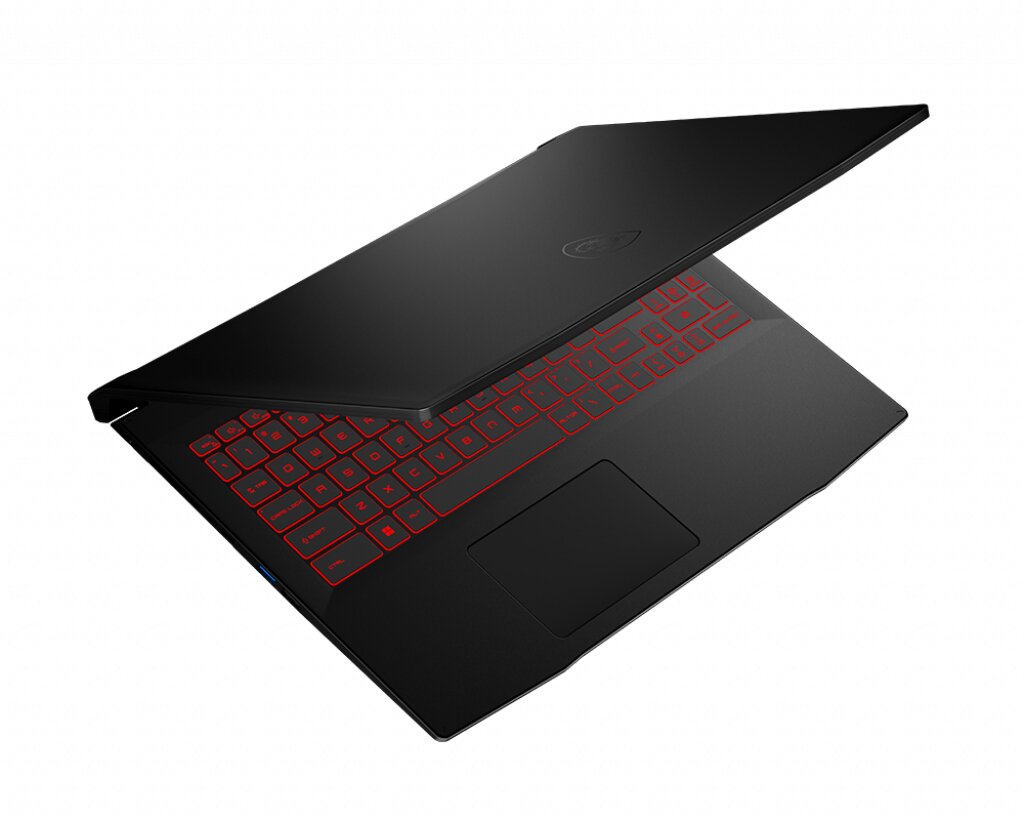
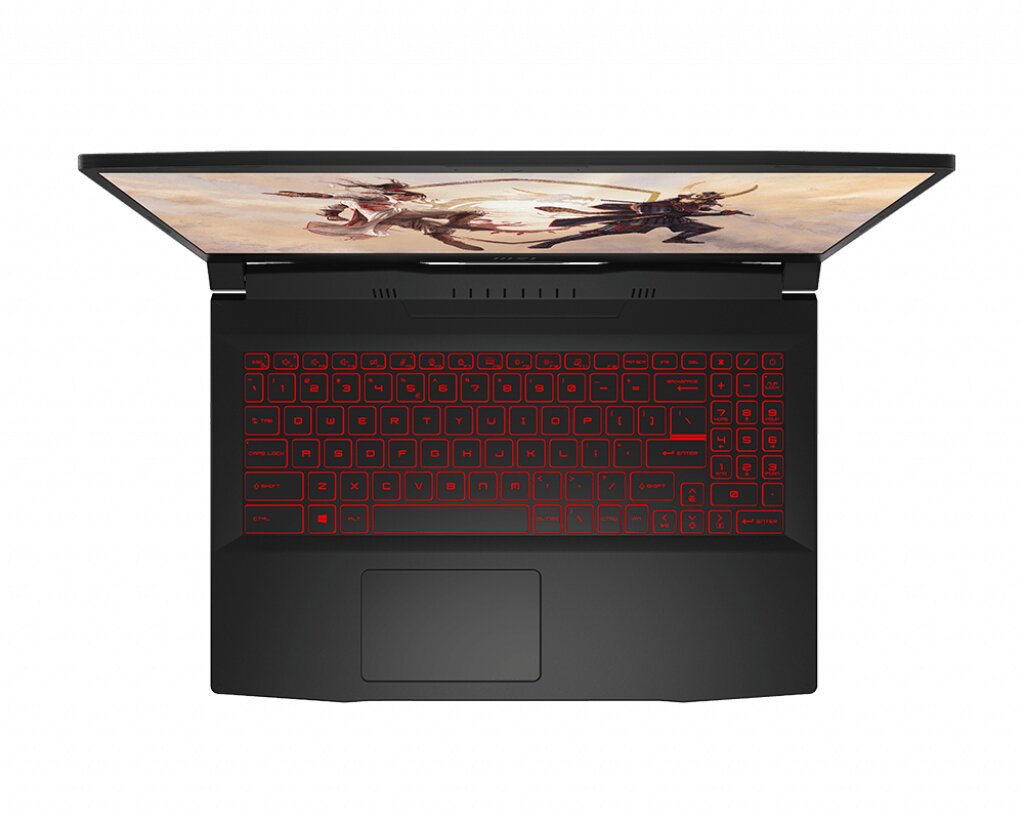
MSI GF66 12UD-207XPT Katana gaming laptop memory upgrade specifications detail DDR4-SDRAM compatibility with 2x SO-DIMM slots supporting maximum RAM capacity of 64 GB. Upgrade specifications indicate 3200 MHz frequency operation. Compatible memory modules feature SO-DIMM form factor for this MSI Gaming GF series model. Memory specifications establish upgrade parameters and slot configuration for RAM installation.
Memory Upgrade Specifications
| Specification | Value |
|---|---|
| Memory slots | 2x SO-DIMM |
| Form factor | SO-DIMM |
| Memory type | DDR4-SDRAM |
| Frequency | 3200 MHz |
| Maximum RAM | 64 GB |
| Voltage | 1.2V |
| Number of pins | 260-pin |
| Interface | PC4 |
| PC Speed Rating | PC4-3200 (PC4-25600) |
| Bandwidth | 25.6 GB/s |
| Laptop Release date | 03 January 2023 |
Additional Notes
- DDR4-3200 memory operates within laptop thermal constraints but provides limited overclocking headroom compared to desktop equivalents, making frequency stability the primary consideration during upgrades rather than speed potential.
- SO-DIMM form factor requires removal of the bottom panel for access; replacement modules must maintain sub-30mm height to clear internal components, eliminating standard desktop UDIMM options entirely.
- The 2-slot architecture creates a single-channel bottleneck if populated with 1 module; dual-channel operation requires 2 matching modules, affecting both memory bandwidth and gaming frame consistency in CPU-intensive titles.
- 64 GB maximum capacity establishes a practical ceiling; exceeding this specification through any module combination will cause boot failures or BIOS rejection, making verification against the motherboard's qualified vendor list essential before purchase.
- DDR4-3200 specification indicates this MSI GF66 12UD-207XPT Katana generation shipped with 12th-gen Intel processors; compatibility extends exclusively to DDR4 chemistry, eliminating any DDR5 upgrade path regardless of future socket availability.
- Mixing different capacities across the 2 slots (e.g., 16 GB plus 32 GB) remains compatible but forces the memory controller to operate at the speed of the slowest module, potentially degrading the faster module's performance to match lower-frequency counterparts.
- SO-DIMM latency tolerance is tighter than desktop configurations; modules rated for 3200 MHz at 16CAS or higher may experience stability issues, requiring validation of CAS latency specs rather than reliance on frequency alone.
- Factory warranty protection typically survives RAM replacement provided modules are installed correctly and no physical damage occurs; thermal paste disturbance during panel removal carries higher risk to warranty status than the memory swap itself.