MSI Gaming GF66 12UD-224IT Katana RAM upgrade specifications
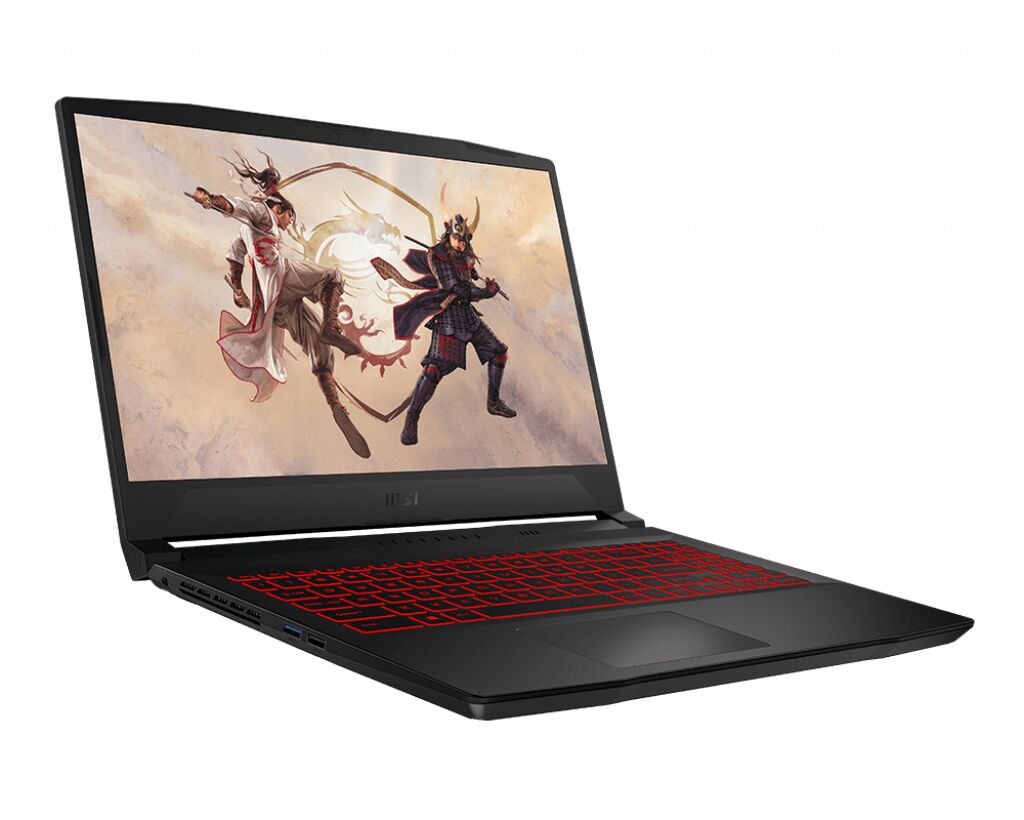
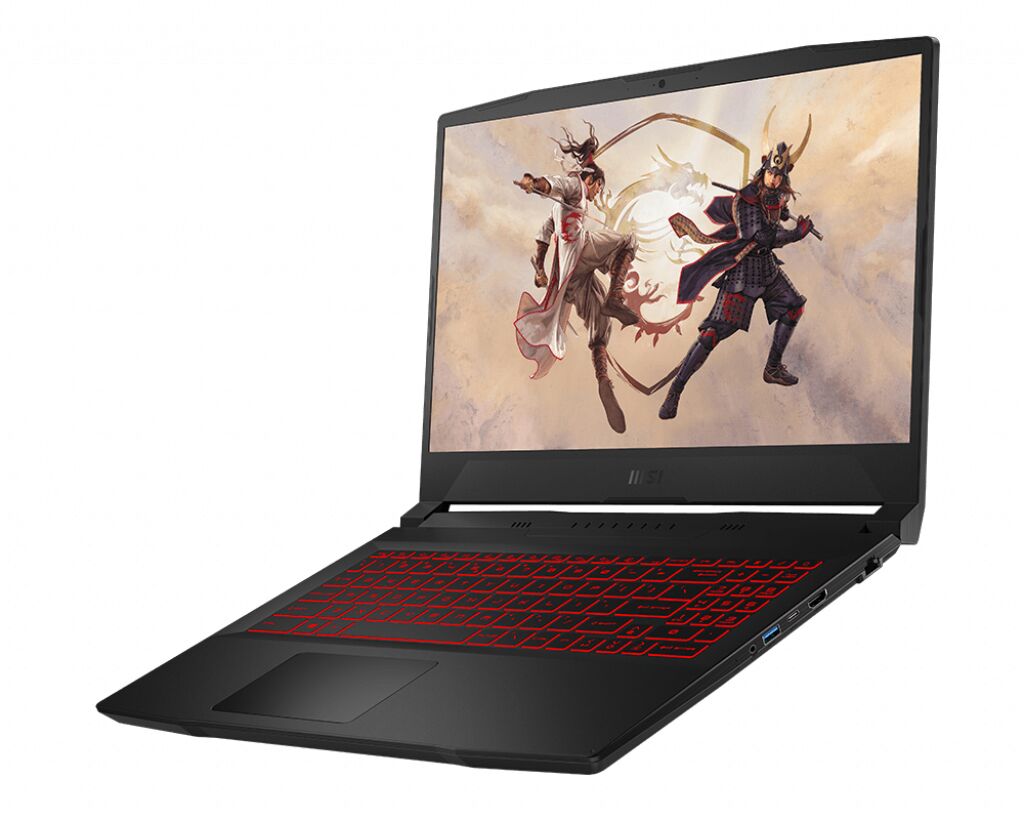
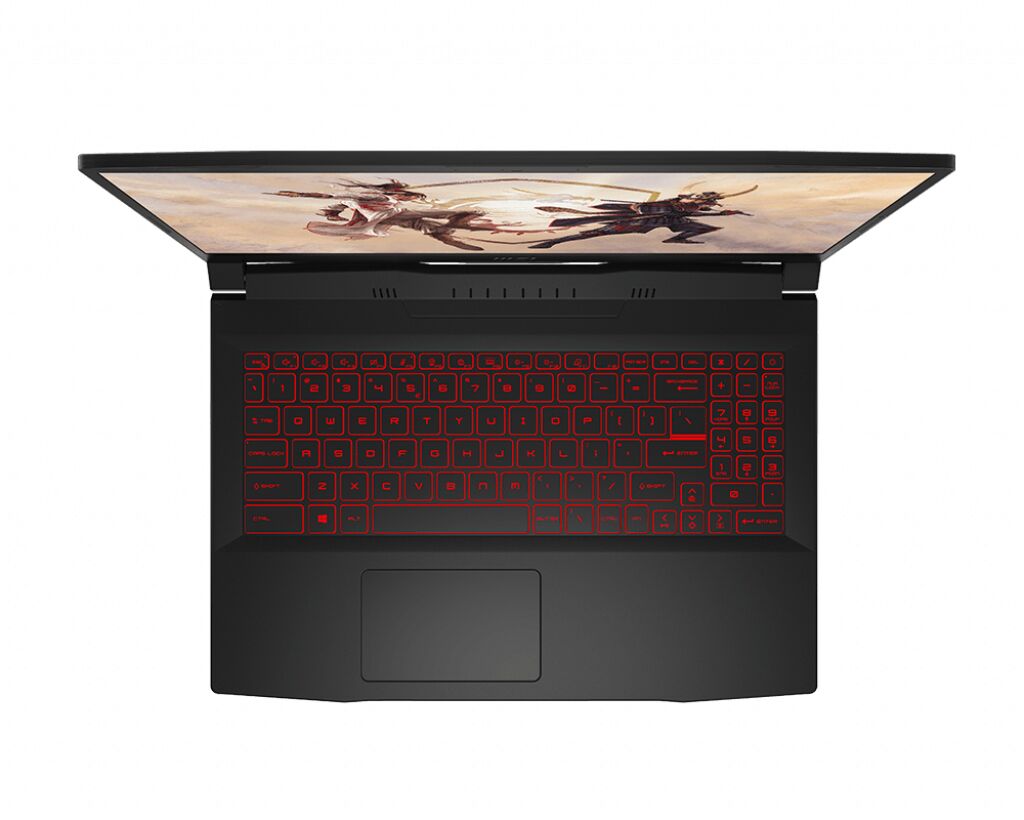
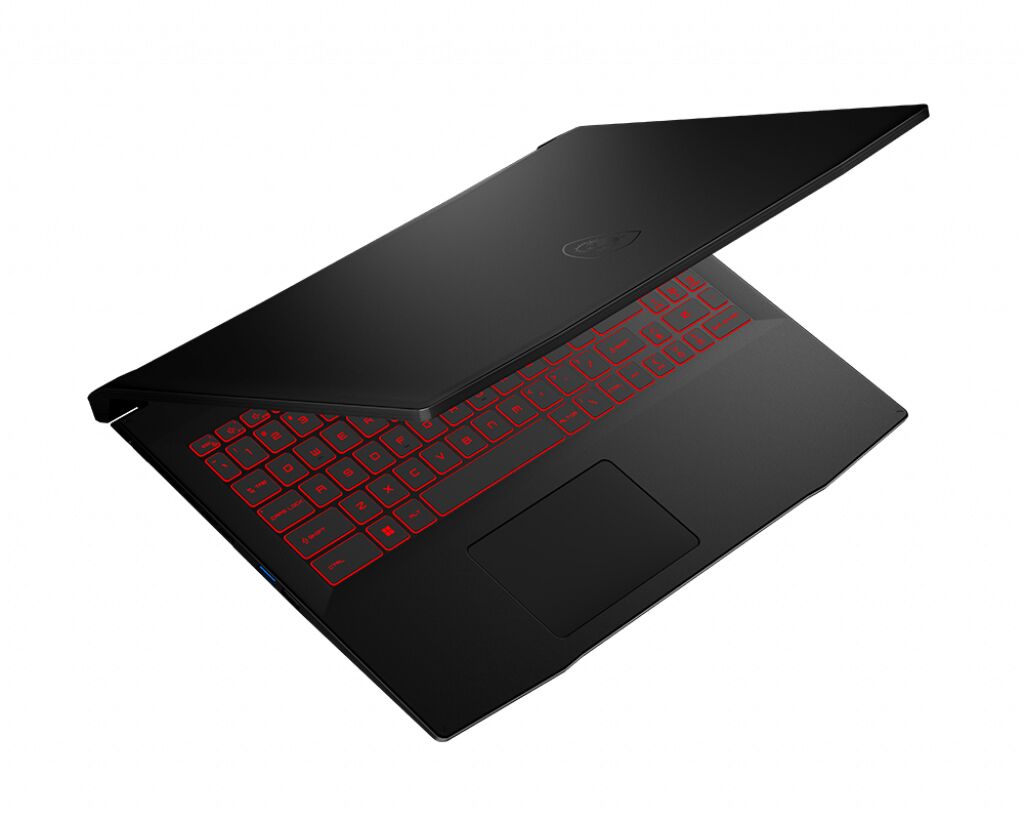
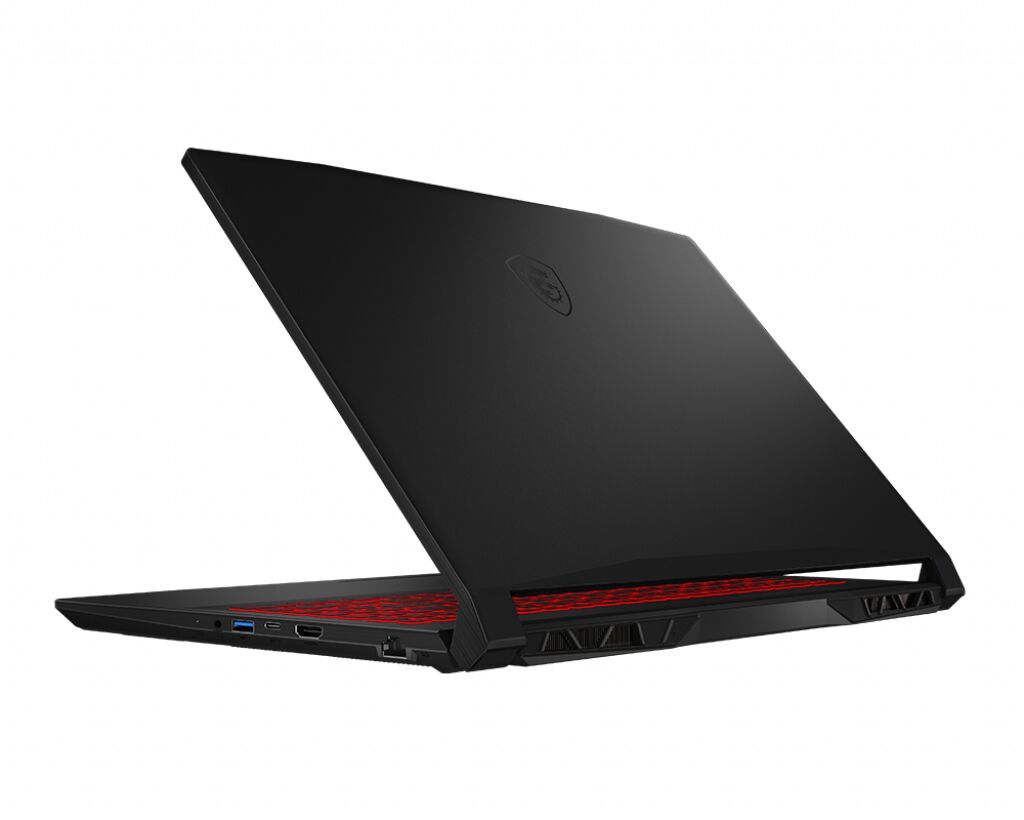
MSI GF66 12UD-224IT Katana gaming laptop features DDR4-SDRAM memory upgrade specifications with 2x SO-DIMM slots supporting maximum capacity of 64 GB total RAM. Compatible memory modules operate at 3200 MHz frequency. Upgrade slots accommodate SO-DIMM form factor modules, enabling users to expand system memory from factory-installed capacity to maximum supported specifications for enhanced multitasking and performance capabilities.
Memory Upgrade Specifications
| Specification | Value |
|---|---|
| Memory slots | 2x SO-DIMM |
| Form factor | SO-DIMM |
| Memory type | DDR4-SDRAM |
| Frequency | 3200 MHz |
| Maximum RAM | 64 GB |
| Voltage | 1.2V |
| Number of pins | 260-pin |
| Interface | PC4 |
| PC Speed Rating | PC4-3200 (PC4-25600) |
| Bandwidth | 25.6 GB/s |
| Laptop Release date | 22 April 2022 |
Additional Notes
- The MSI GF66 12UD-224IT Katana uses SO-DIMM form factor, which means replacement modules must measure 67.6 mm in length. Desktop DDR4 modules (UDIMM) will not fit physically into the available slots.
- DDR4-3200 specification indicates memory bandwidth of 25.6 GB/s per channel. Upgrading to faster DDR4 modules (such as 3600 MHz variants) will not increase effective throughput on this platform, as the memory controller will downclock to the motherboard's maximum supported frequency of 3200 MHz.
- With 2 SO-DIMM slots and 64 GB maximum capacity, single-slot configuration yields 32 GB modules per slot. Dual-channel operation requires matching capacity and speed on both slots; mismatched configurations result in asymmetric bandwidth degradation.
- DDR4 modules operate at 1.2V nominal voltage. Aftermarket high-performance variants often require 1.35V or higher, which may void the warranty if the motherboard voltage regulator sustains damage from sustained overvoltage conditions outside manufacturer specifications.
- The 12th-generation Intel processor in this platform supports Intel XMP 3.0 profiles. Memory modules listing XMP 2.0 compatibility only will require manual timing entry, increasing compatibility risk compared to native DDR4-3200 operation without profile activation.