MSI Gaming GF66 12UD-251 Katana RAM upgrade specifications
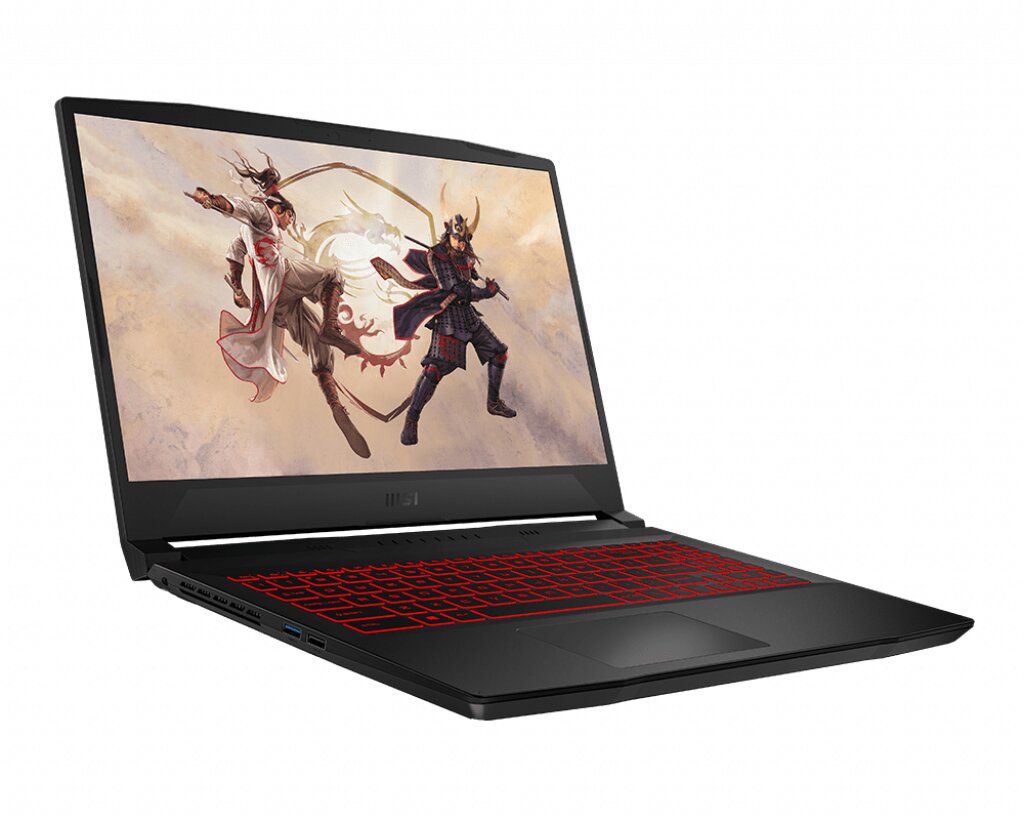
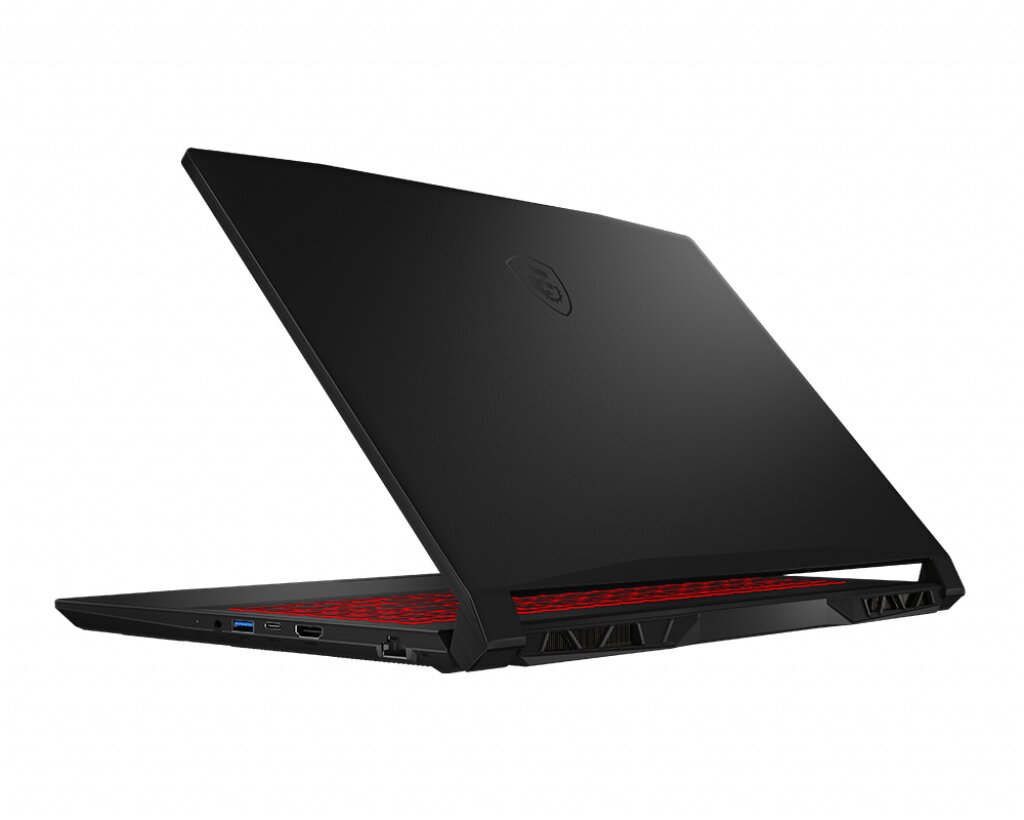
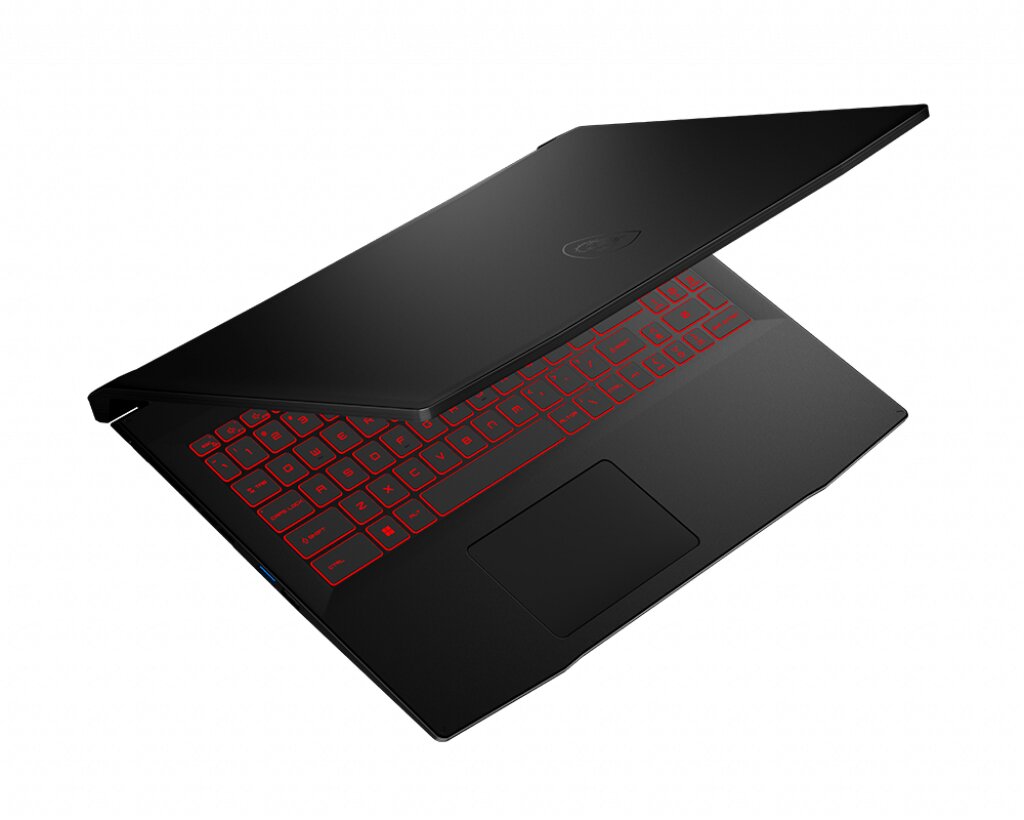
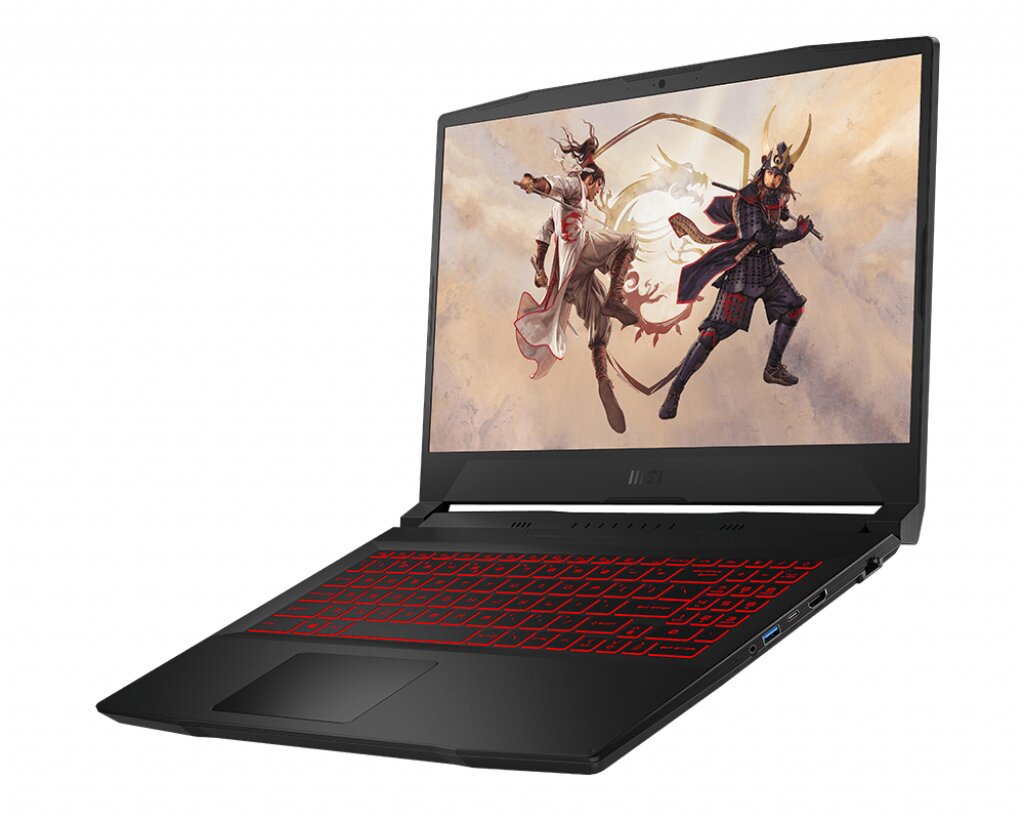
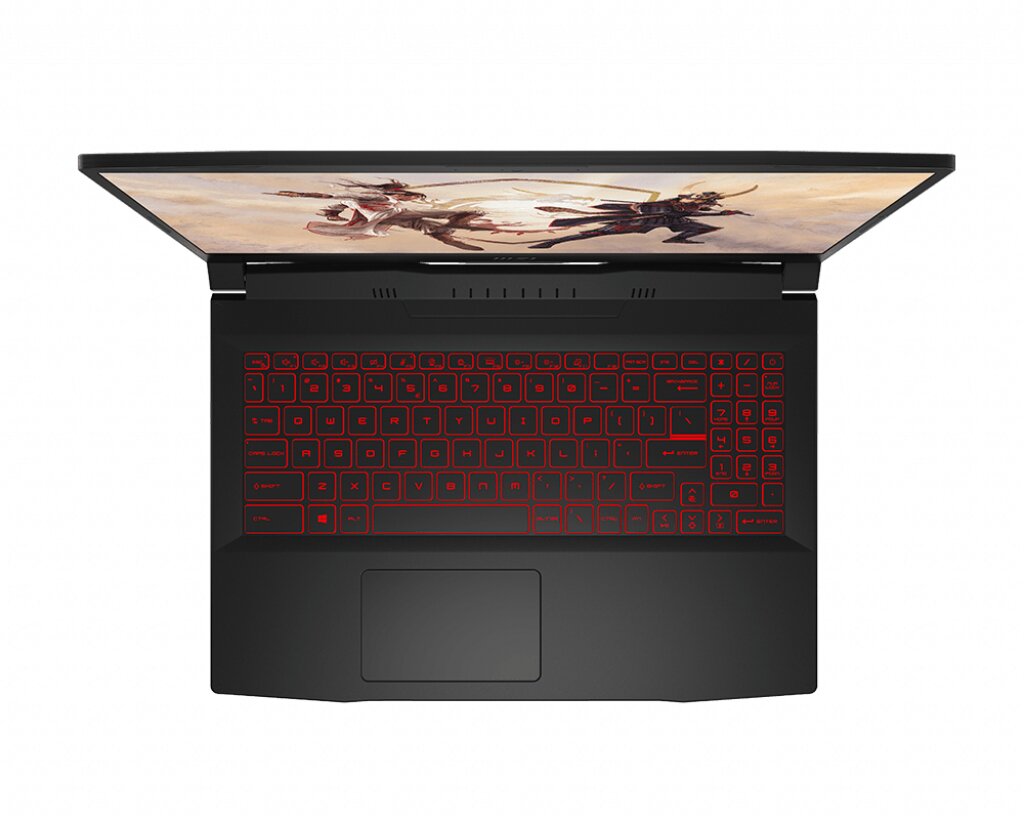
MSI GF66 12UD-251 Katana gaming laptop supports DDR4-SDRAM memory upgrades through dual SO-DIMM slots. The system accommodates maximum RAM capacity of 64 GB, with memory operating at 3200 MHz frequency. Compatible upgrade modules must utilize SO-DIMM form factor specifications. The GF series Katana model provides expandable memory configuration for enhanced multitasking and performance capabilities within the Gaming family product line.
Memory Upgrade Specifications
| Specification | Value |
|---|---|
| Memory slots | 2x SO-DIMM |
| Form factor | SO-DIMM |
| Memory type | DDR4-SDRAM |
| Frequency | 3200 MHz |
| Maximum RAM | 64 GB |
| Voltage | 1.2V |
| Number of pins | 260-pin |
| Interface | PC4 |
| PC Speed Rating | PC4-3200 (PC4-25600) |
| Bandwidth | 25.6 GB/s |
| Laptop Release date | 10 October 2022 |
Additional Notes
- The dual-slot configuration permits the use of dual-channel memory architecture which doubles the available bandwidth for the processor compared to single-stick configurations.
- Upgrading the MSI GF66 12UD-251 Katana to the maximum supported 64 GB capacity necessitates the removal of all existing factory modules due to the lack of spare slots.
- Integrating modules with speeds exceeding 3200 MHz will result in an automatic downclocking to match the system bus limitations regardless of the rated XMP profile.
- Standard voltage DDR4 SO-DIMM modules are required to ensure stability since high-voltage desktop memory is physically and electrically incompatible with this motherboard.
- Physical access to the internal memory resides behind the bottom chassis cover where breaking the factory seal may impact regional warranty coverage depending on local consumer laws.
- Mismatched latency timings between secondary market sticks and original hardware will force the system to operate at the slowest common denominator potentially increasing memory cycle delays.
- Total memory capacity across 2 slots allows for high-density 32 GB modules but requires a 64-bit operating system to address and utilize the full overhead.