MSI Gaming GF66 12UG-404UK Katana RAM upgrade specifications
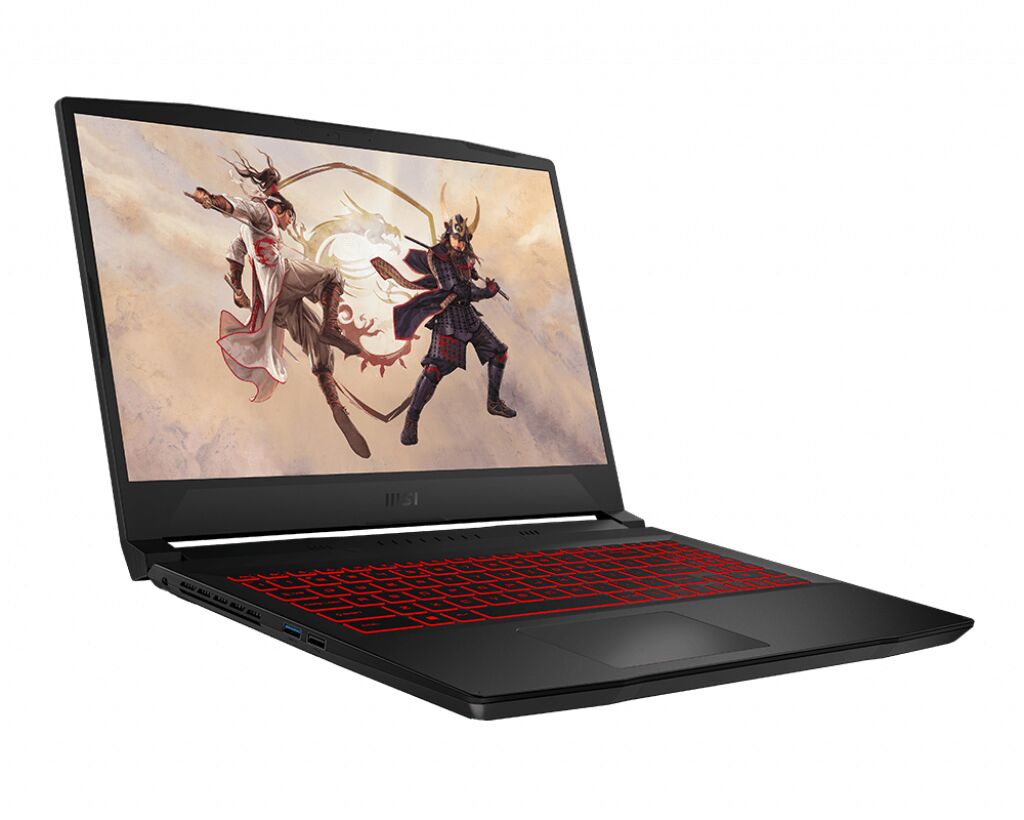
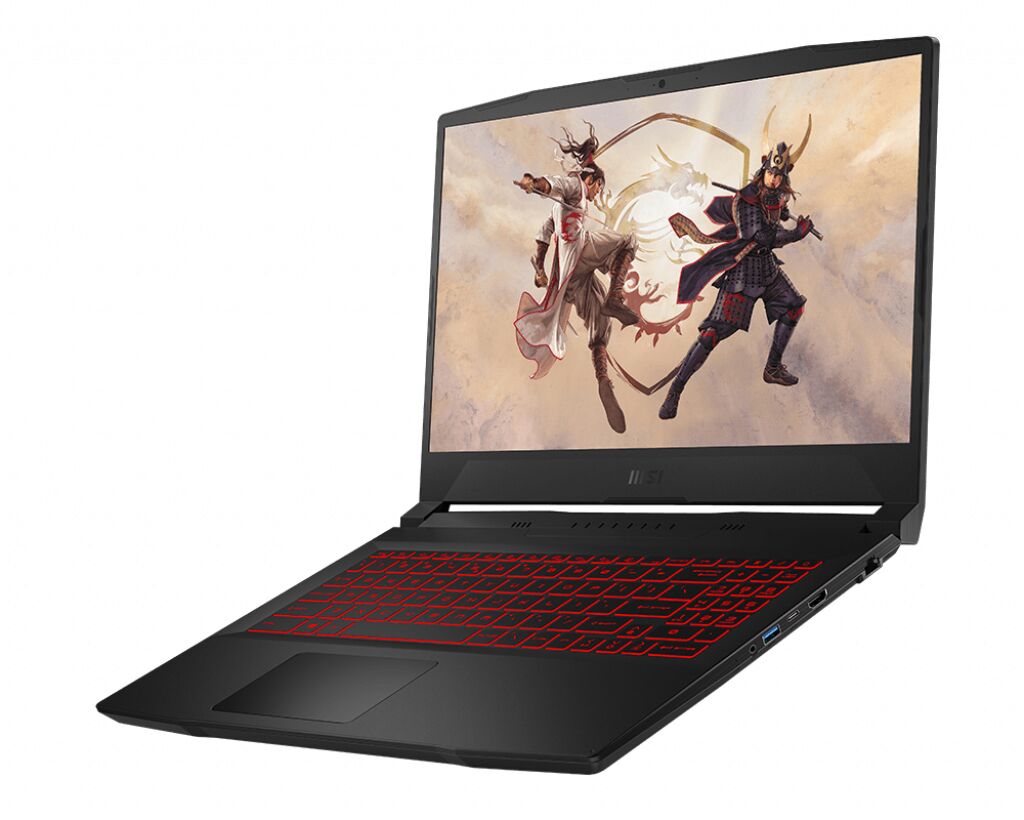
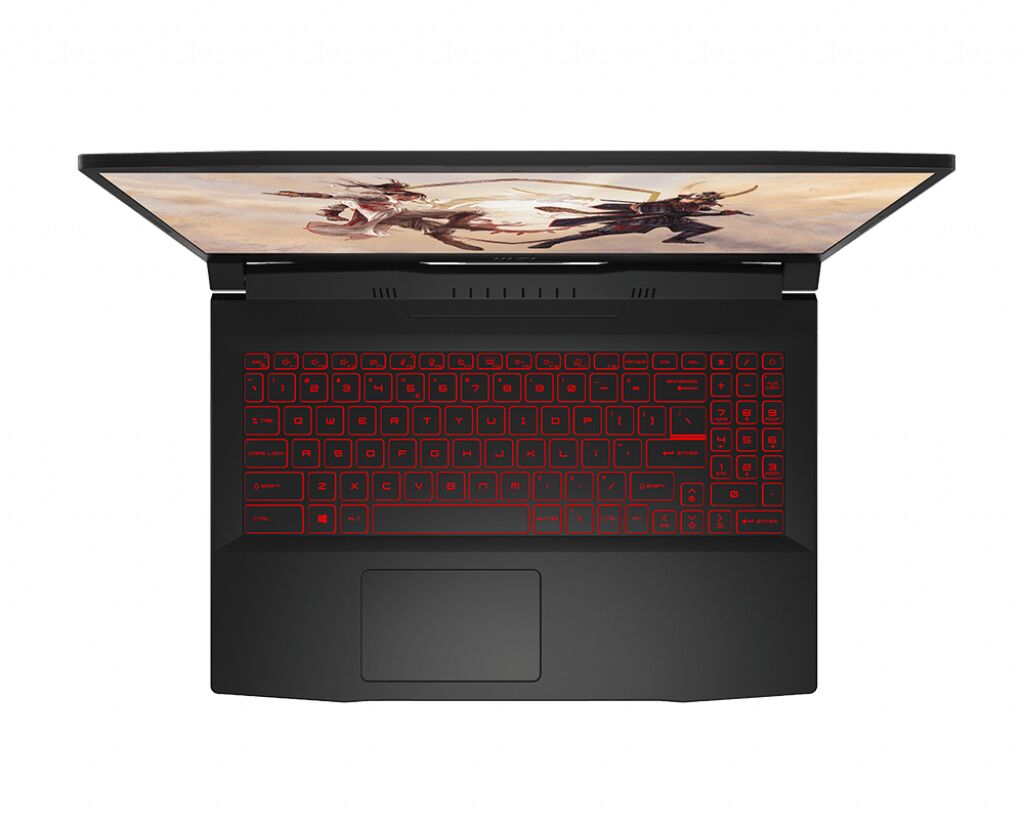
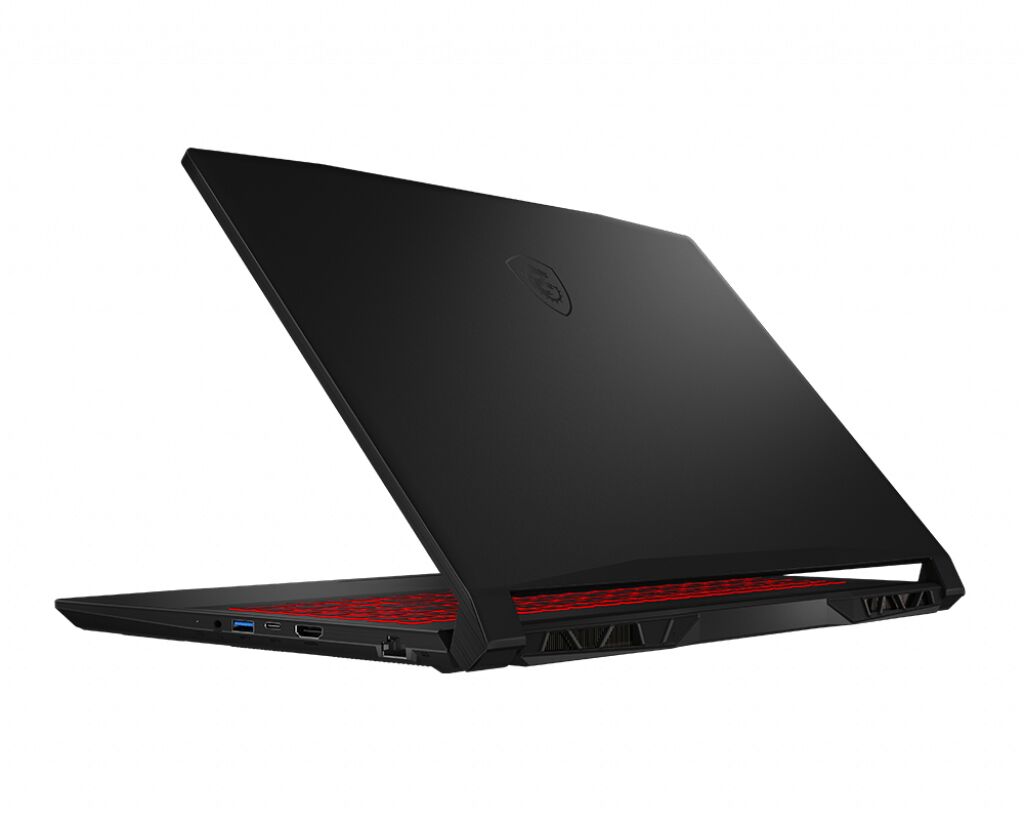
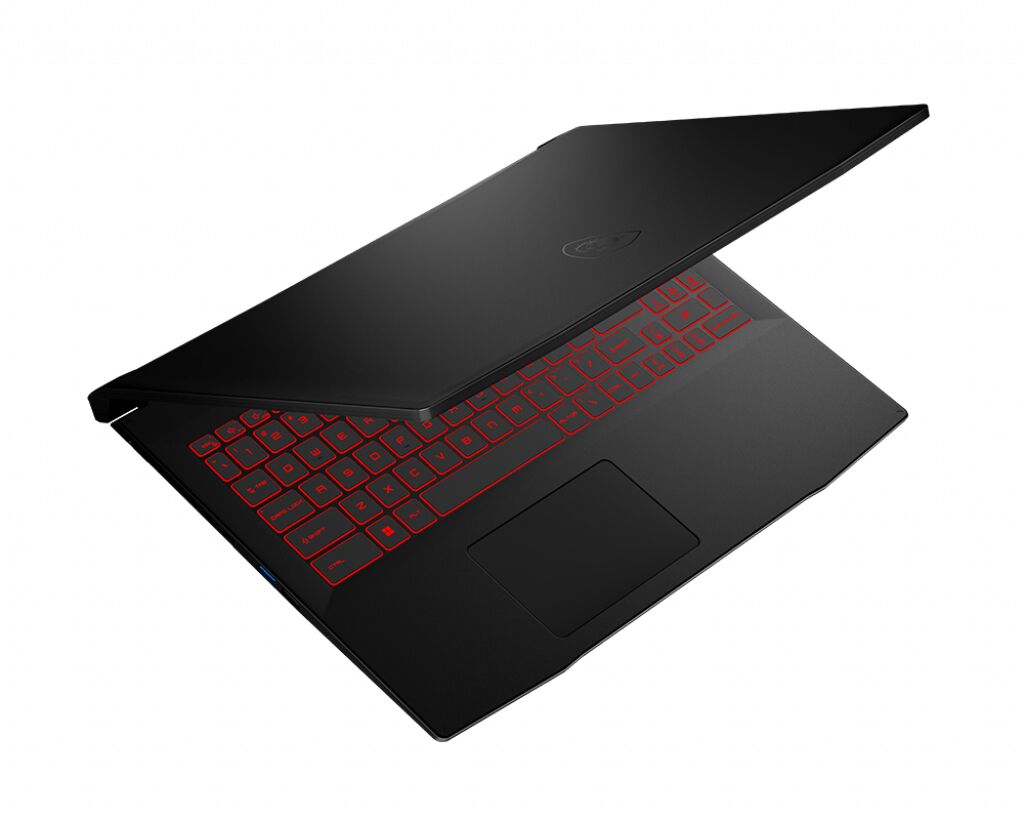
The MSI GF66 12UG-404UK Katana gaming laptop features DDR4-SDRAM memory upgrade capabilities. The Gaming GF series model contains 2x SO-DIMM memory slots supporting SO-DIMM form factor modules. Maximum RAM capacity specifications indicate a 64 GB upgrade potential. Compatible memory operates at 3200 MHz frequency. Upgrade specifications for the Katana GF66 12UG-404UK series enable memory expansion through the available SO-DIMM slots to reach maximum supported capacity.
Memory Upgrade Specifications
| Specification | Value |
|---|---|
| Memory slots | 2x SO-DIMM |
| Form factor | SO-DIMM |
| Memory type | DDR4-SDRAM |
| Frequency | 3200 MHz |
| Maximum RAM | 64 GB |
| Voltage | 1.2V |
| Number of pins | 260-pin |
| Interface | PC4 |
| PC Speed Rating | PC4-3200 (PC4-25600) |
| Bandwidth | 25.6 GB/s |
| Laptop Release date | 19 January 2022 |
Additional Notes
- Dual channel memory architecture requires installing modules in pairs to utilize the full available memory bandwidth for the processor.
- The MSI GF66 12UG-404UK Katana utilizes 260 pin physical interfaces which excludes compatibility with older DDR3 or newer DDR5 hardware generations.
- Upgrading to the maximum 64 GB capacity necessitates the removal of all factory installed modules because the system lacks vacant expansion slots.
- Installing modules with speeds exceeding 3200 MHz results in automatic downclocking to match the hardwired limitations of the motherboard chipset.
- The use of high density 32 GB modules per slot increases thermal output within the chassis during sustained memory intensive workloads.
- Mixing modules with different CAS latencies causes the system to default to the timing of the slowest installed chip to maintain platform stability.
- Accessing the internal hardware requires breaching the factory seal on the bottom panel which may impact warranty coverage depending on local regional policies.
- System stability depends on using unbuffered non ECC memory as the integrated controller lacks support for error correcting code functionality.