MSI Gaming GF66 12UG-209ES Katana RAM upgrade specifications


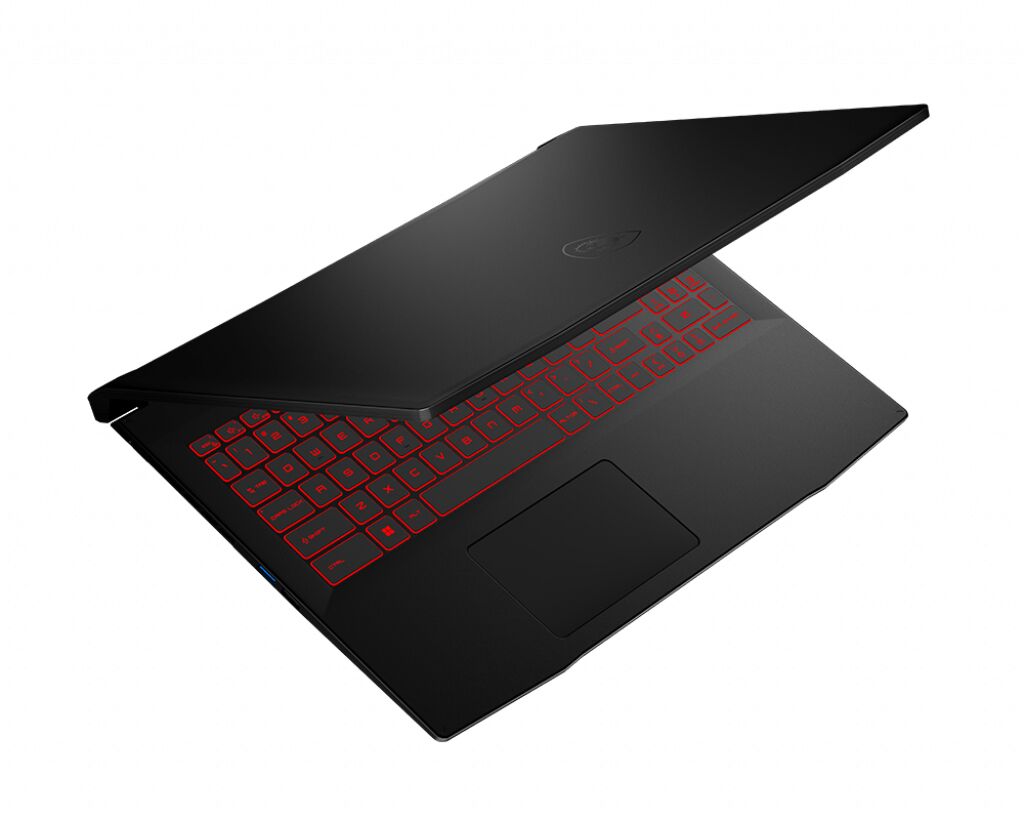


The MSI GF66 12UG-209ES Katana gaming laptop features DDR4-SDRAM memory upgrade specifications. The system contains two SO-DIMM slots supporting maximum RAM capacity of 64 GB total. Compatible memory modules operate at 3200 MHz frequency. The Gaming GF series supports DDR4 memory upgrades with dual slot configuration, allowing users to expand RAM specifications from the factory baseline. Maximum memory specifications accommodate up to 64 GB capacity across the two available SO-DIMM slots on this Katana model.
Memory Upgrade Specifications
| Specification | Value |
|---|---|
| Memory slots | 2x SO-DIMM |
| Form factor | SO-DIMM |
| Memory type | DDR4-SDRAM |
| Frequency | 3200 MHz |
| Maximum RAM | 64 GB |
| Voltage | 1.2V |
| Number of pins | 260-pin |
| Interface | PC4 |
| PC Speed Rating | PC4-3200 (PC4-25600) |
| Bandwidth | 25.6 GB/s |
| Laptop Release date | 26 April 2022 |
Additional Notes
- Dual channel architecture requires matching memory modules in both slots to achieve peak memory bandwidth and prevent CPU performance throttling during heavy gaming loads.
- The MSI GF66 12UG-209ES Katana relies on 260 pin physical interfaces which precludes the use of desktop style memory or newer DDR5 modules due to voltage and pinout incompatibilities.
- Expanding to the 64 GB limit necessitates the removal of all factory installed hardware because the motherboard lacks additional vacant sockets for incremental additions.
- System stability at the 3200 MHz frequency depends on the internal memory controller maintaining 1.2V operation without exceeding the thermal thresholds of the SODIMM compartments.
- Integration of modules with lower latency timings can improve frame time consistency in modern titles even if the raw clock speed remains at the supported maximum.
- Physical access to the memory slots requires traversing the bottom chassis panel which may involve piercing factory seals depending on regional service policies.
- The memory controller will automatically downclock any high performance modules exceeding 3200 MHz to ensure signal integrity across the motherboard traces.