MSI Gaming GF66 12UE-457 Katana RAM upgrade specifications
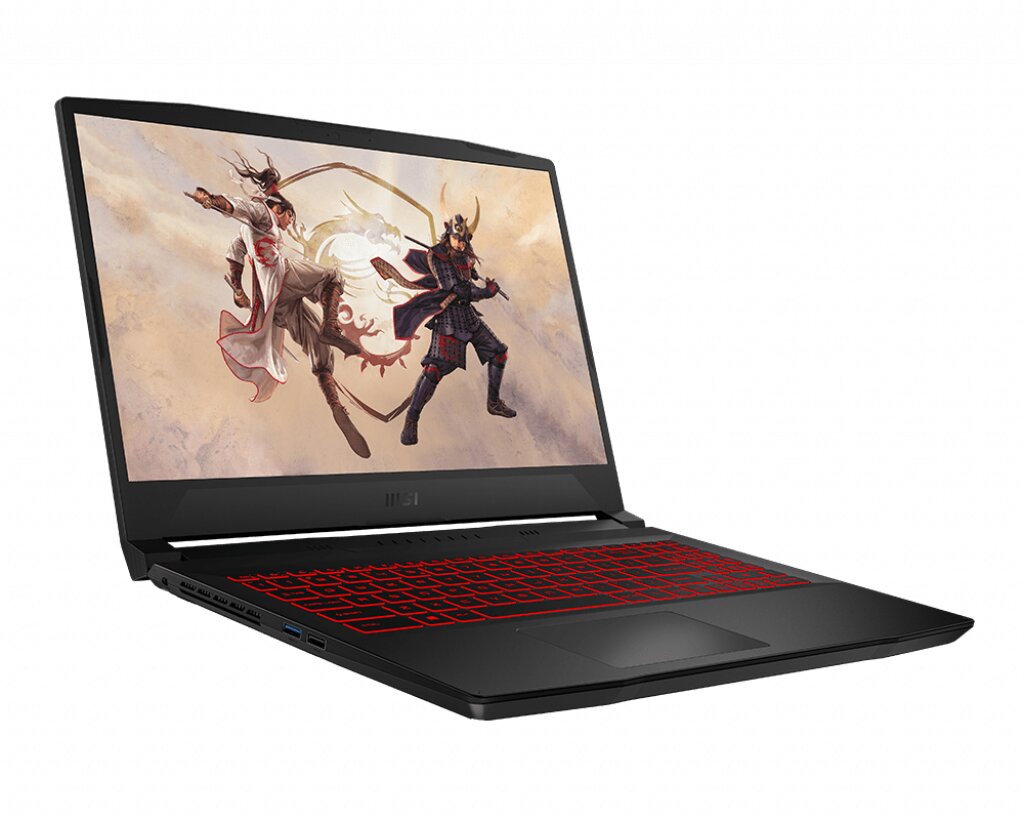
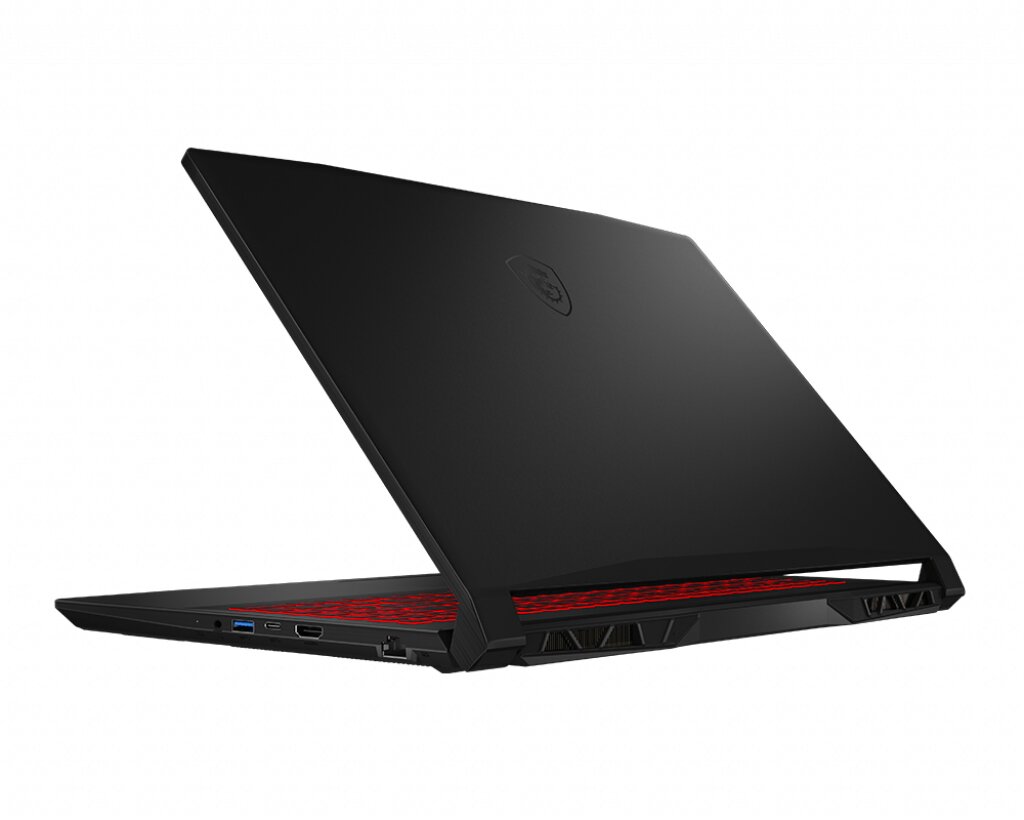
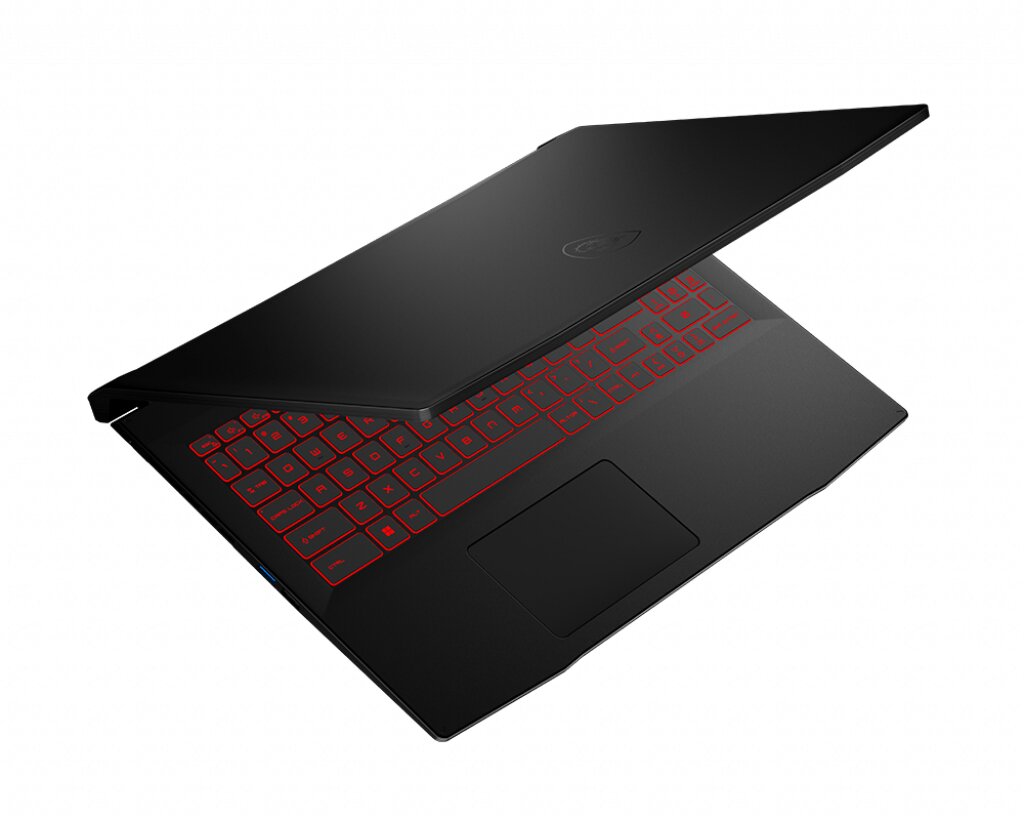
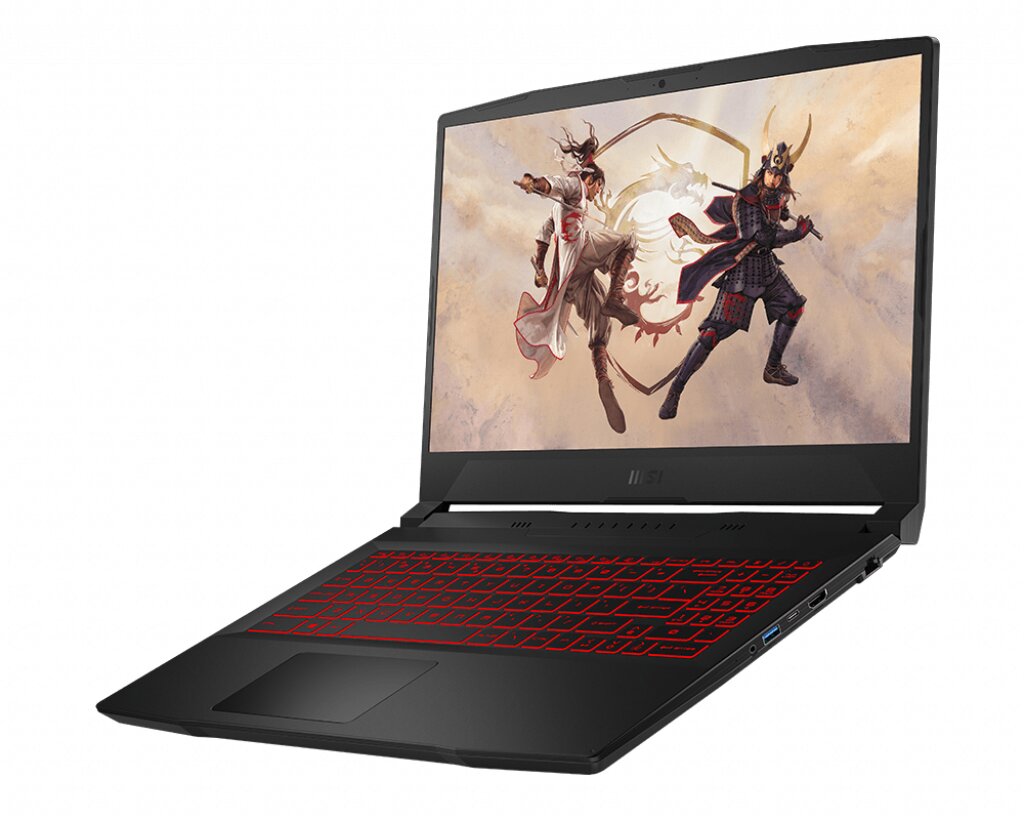
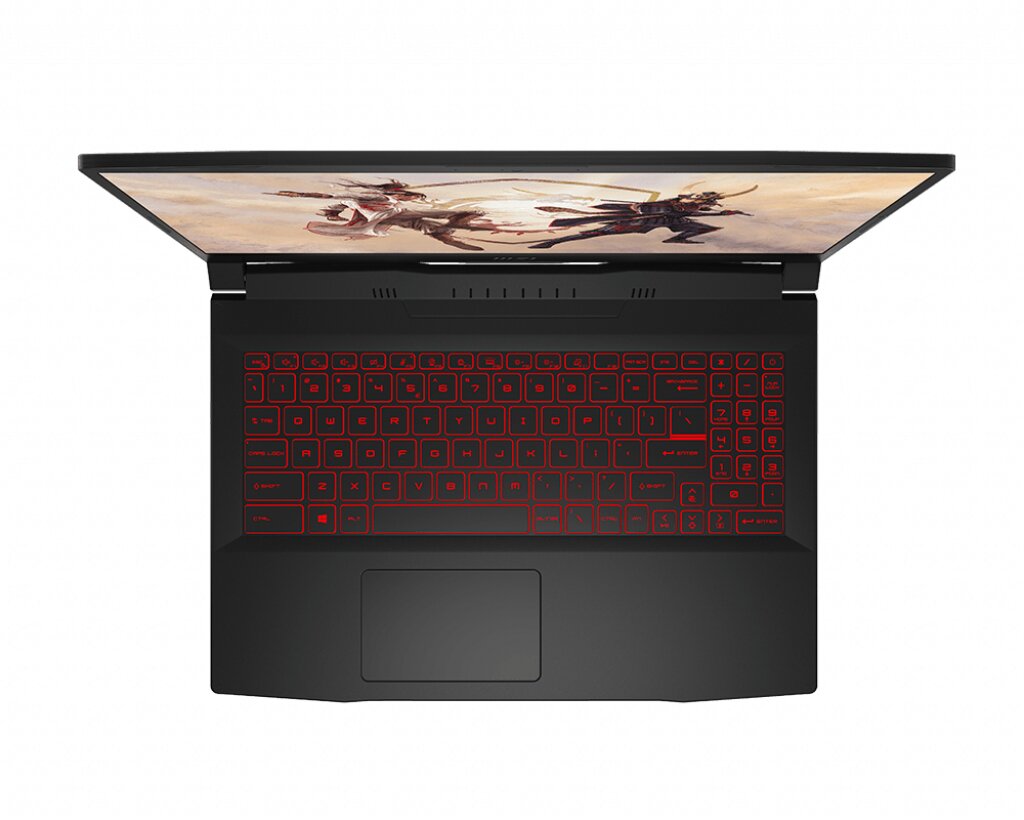
The MSI GF66 12UE-457 Katana gaming laptop features two SO-DIMM memory slots supporting DDR4-SDRAM technology. The upgrade specifications indicate a maximum RAM capacity of 64 GB with compatible memory modules operating at 3200 MHz frequencies. Current memory configuration accommodates expandable DDR4 memory in the SO-DIMM form factor, allowing users to upgrade from the factory-installed RAM capacity to the maximum supported specifications. The GF series from MSI's Gaming family supports dual-channel memory architecture through its two accessible slots, enabling performance optimization via RAM expansion.
Memory Upgrade Specifications
| Specification | Value |
|---|---|
| Memory slots | 2x SO-DIMM |
| Form factor | SO-DIMM |
| Memory type | DDR4-SDRAM |
| Frequency | 3200 MHz |
| Maximum RAM | 64 GB |
| Voltage | 1.2V |
| Number of pins | 260-pin |
| Interface | PC4 |
| PC Speed Rating | PC4-3200 (PC4-25600) |
| Bandwidth | 25.6 GB/s |
| Laptop Release date | 03 May 2022 |
Additional Notes
- Dual-channel memory architecture requires installing modules in pairs to maximize the processor integrated graphics performance and memory bus throughput.
- The mechanical design of the MSI GF66 12UE-457 Katana requires a complete removal of the lower chassis panel for internal access which exposes sensitive components to electrostatic discharge.
- Utilizing the 64 GB capacity threshold necessitates the total replacement of factory-installed modules because both available slots must be occupied by 32 GB sticks.
- Mixing modules with different CAS latencies or timings results in the system defaulting to the slowest common denominator which creates a performance bottleneck.
- Standard voltage DDR4 SO-DIMM modules are required as the motherboard firmware does not support the XMP profiles often found in high-performance desktop memory.
- Existing storage and cooling assembly proximity to the memory banks may lead to thermal throttling of the RAM during sustained high-load gaming sessions.
- Physical clearance within the tight laptop enclosure prevents the installation of modules equipped with oversized aftermarket heat spreaders.