MSI Gaming GF66 12UE-260AU Katana RAM upgrade specifications
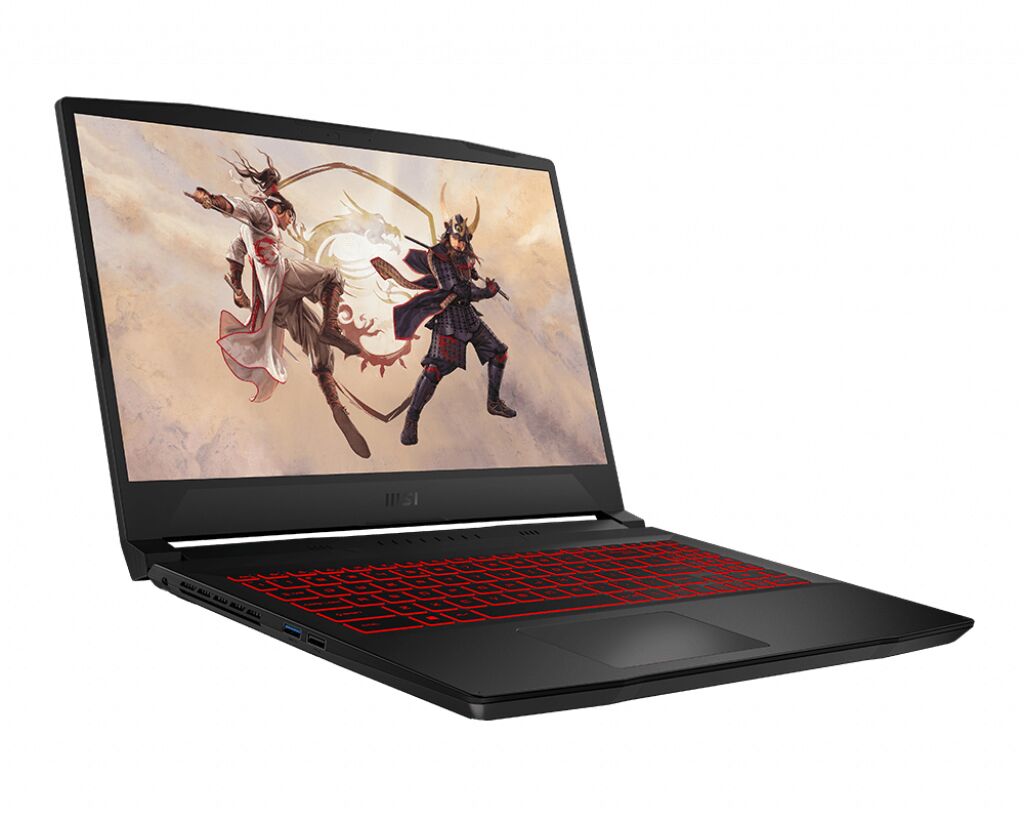
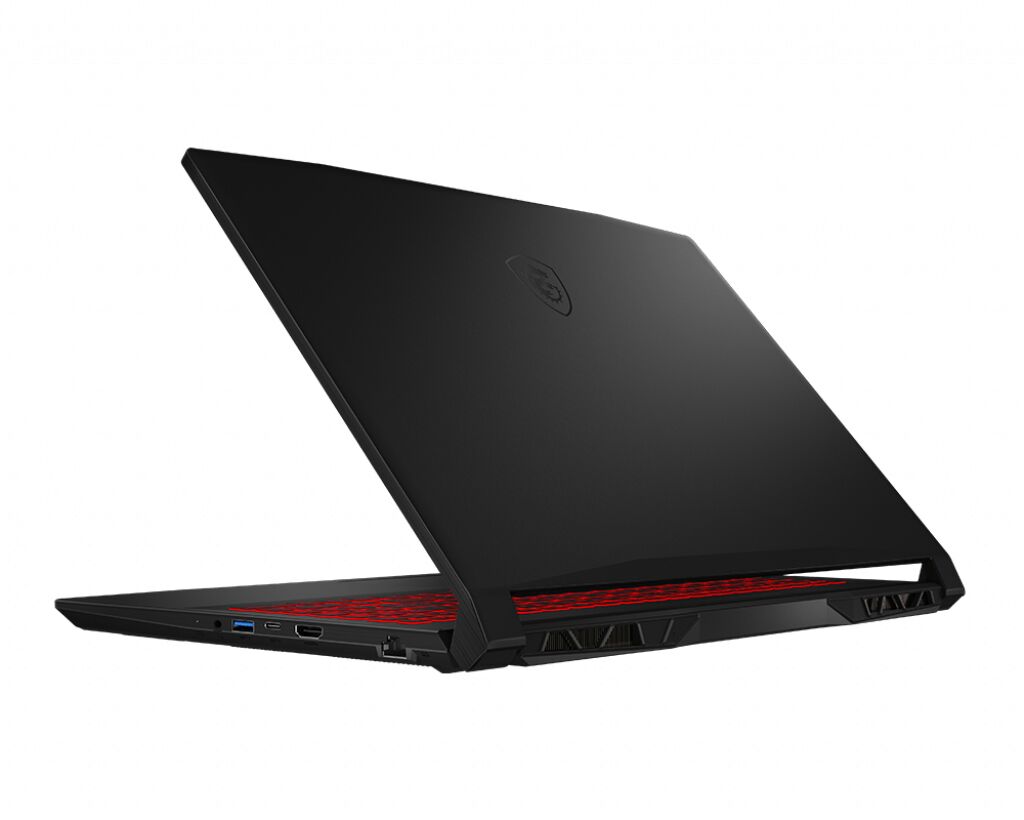
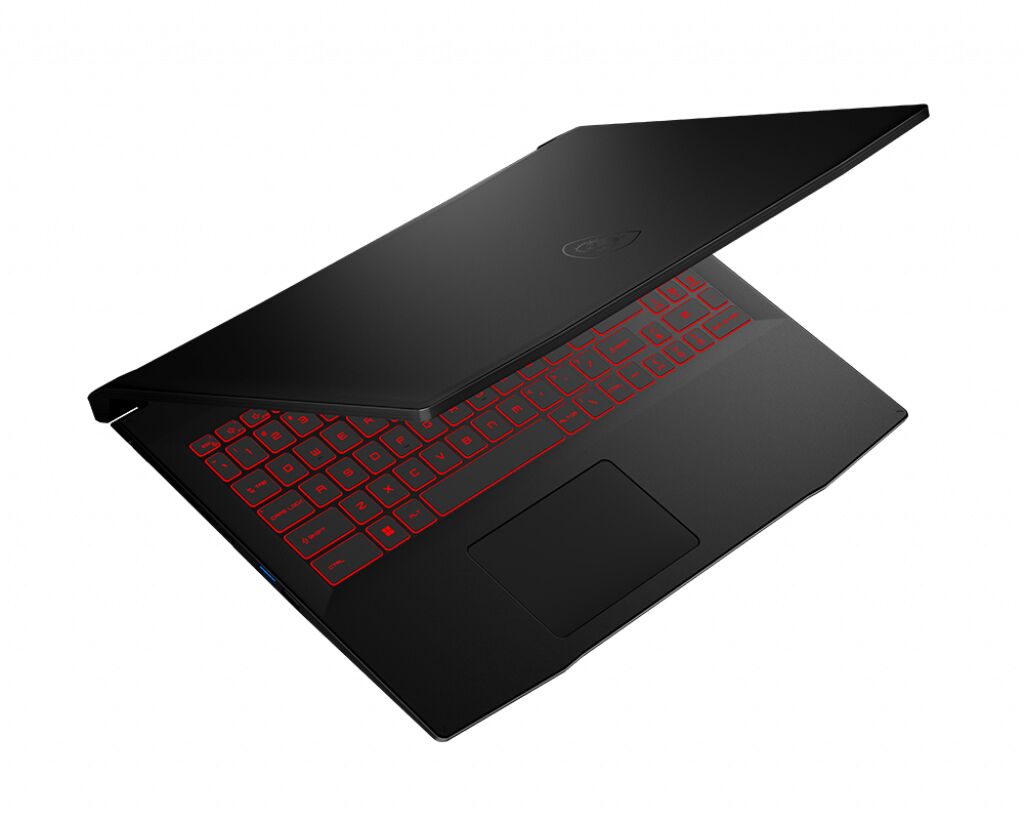
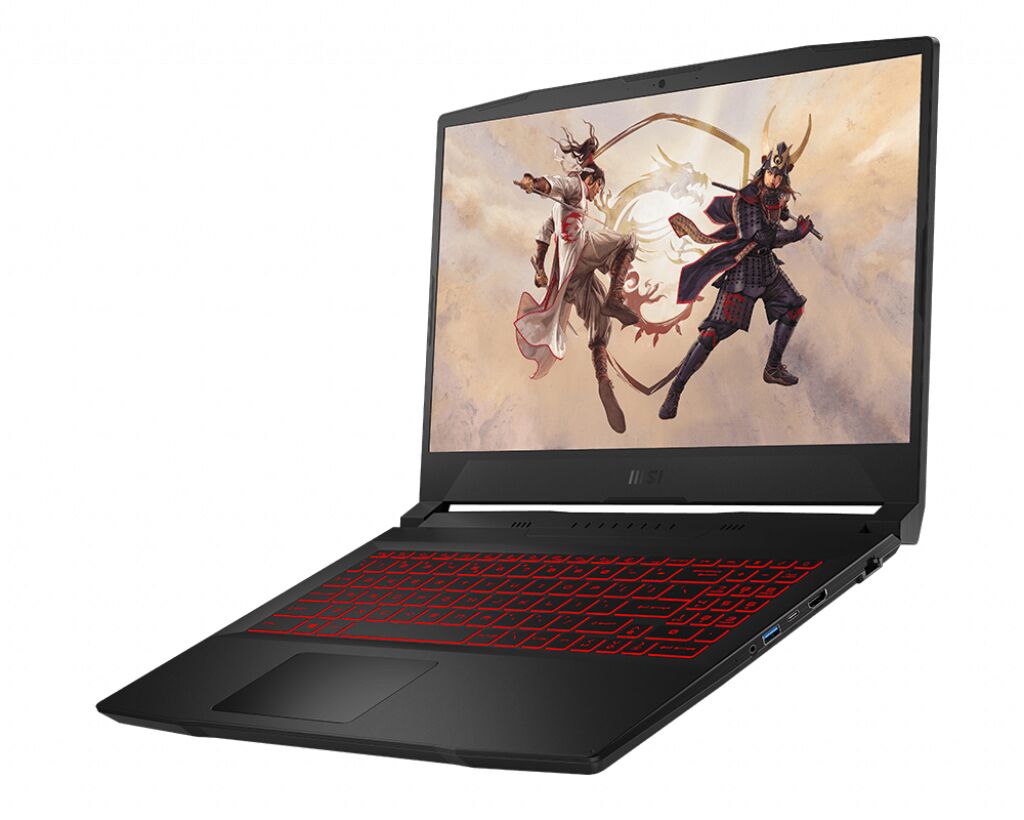
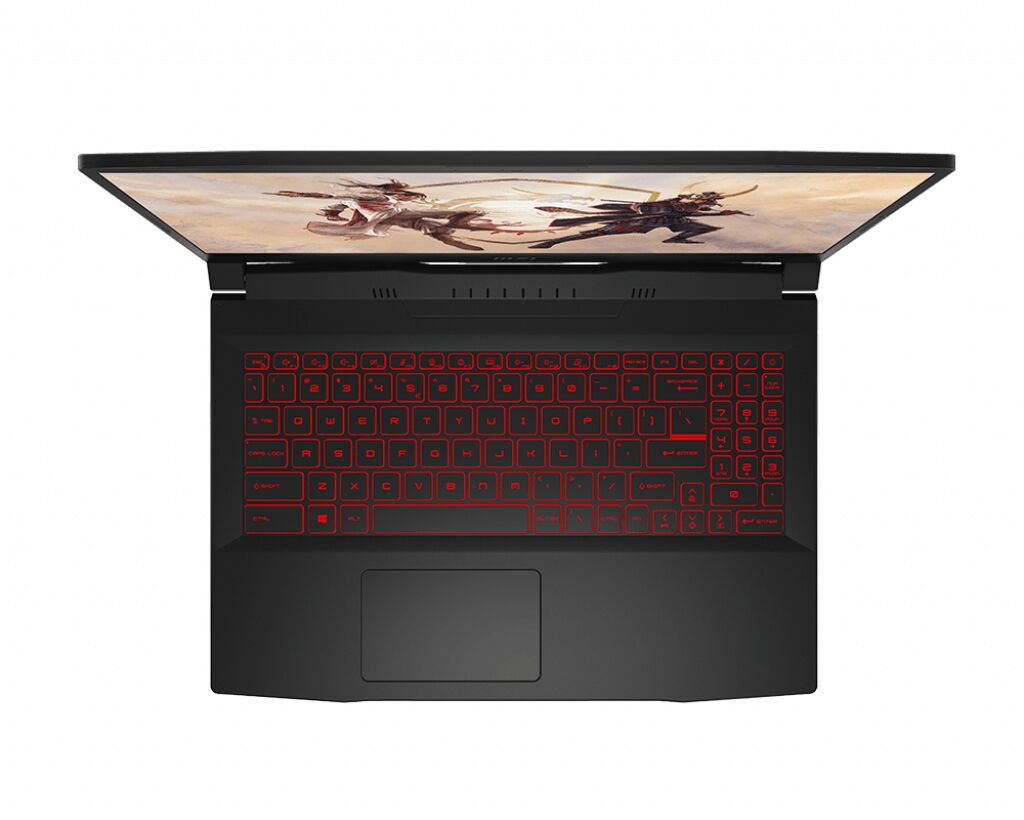
The MSI GF66 12UE-260AU Katana gaming laptop features DDR4-SDRAM memory configuration with two SO-DIMM slots. The upgrade specifications support a maximum RAM capacity of 64 GB total memory. Compatible modules operate at 3200 MHz frequency. Current memory can be replaced or additional slots utilized to reach maximum capacity specifications. The GF series gaming family supports standard SO-DIMM form factor upgrades for enhanced multitasking and performance capabilities.
Memory Upgrade Specifications
| Specification | Value |
|---|---|
| Memory slots | 2x SO-DIMM |
| Form factor | SO-DIMM |
| Memory type | DDR4-SDRAM |
| Frequency | 3200 MHz |
| Maximum RAM | 64 GB |
| Voltage | 1.2V |
| Number of pins | 260-pin |
| Interface | PC4 |
| PC Speed Rating | PC4-3200 (PC4-25600) |
| Bandwidth | 25.6 GB/s |
| Laptop Release date | 22 July 2022 |
Additional Notes
- The MSI GF66 12UE-260AU Katana dual-channel architecture requires matched module pairs to achieve optimal memory bandwidth, as asymmetric configurations will force single-channel operation and halve throughput.
- DDR4-3200 represents the maximum JEDEC-standard speed supported by 12th generation Intel mobile platforms without entering overclocked XMP territory, which may void manufacturer warranties.
- SO-DIMM height clearance typically ranges between 30mm to 32mm in gaming chassis designs, though low-profile modules offer no performance advantage in this form factor.
- The 64 GB ceiling necessitates 2x 32 GB module deployment, a configuration that eliminates future expansion headroom without complete replacement of existing memory.
- Mixing memory modules with different densities or timings will force all installed RAM to operate at the lowest common specifications, potentially degrading system performance.
- Consumer-grade DDR4 SO-DIMMs operate at 1.2V standard voltage, while overvolting capability remains locked in most laptop BIOS implementations to maintain thermal compliance.
- Bottom-panel access designs in gaming laptops typically require complete disassembly for memory slot access, unlike older top-access configurations with dedicated service hatches.
- Non-ECC unbuffered modules represent the only compatible memory type for this consumer platform, as registered or error-correcting variants require server-class chipset support.
- CAS latency variations between CL16, CL18, and CL22 modules at 3200 MHz produce measurable differences in memory-sensitive workloads, though gaming frame rates show minimal variance.
- Thermal throttling risks increase with higher-density modules due to concentrated heat generation across fewer memory chips per module.