MSI Gaming GF66 12UE-1203XES Katana RAM upgrade specifications
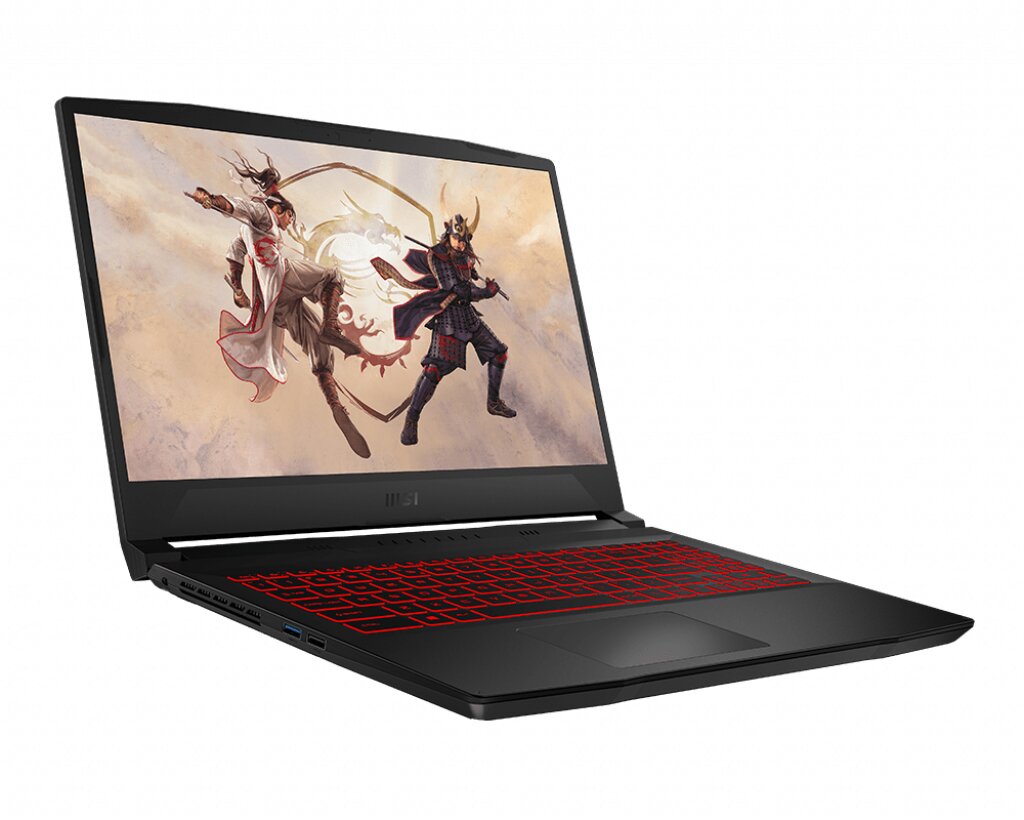
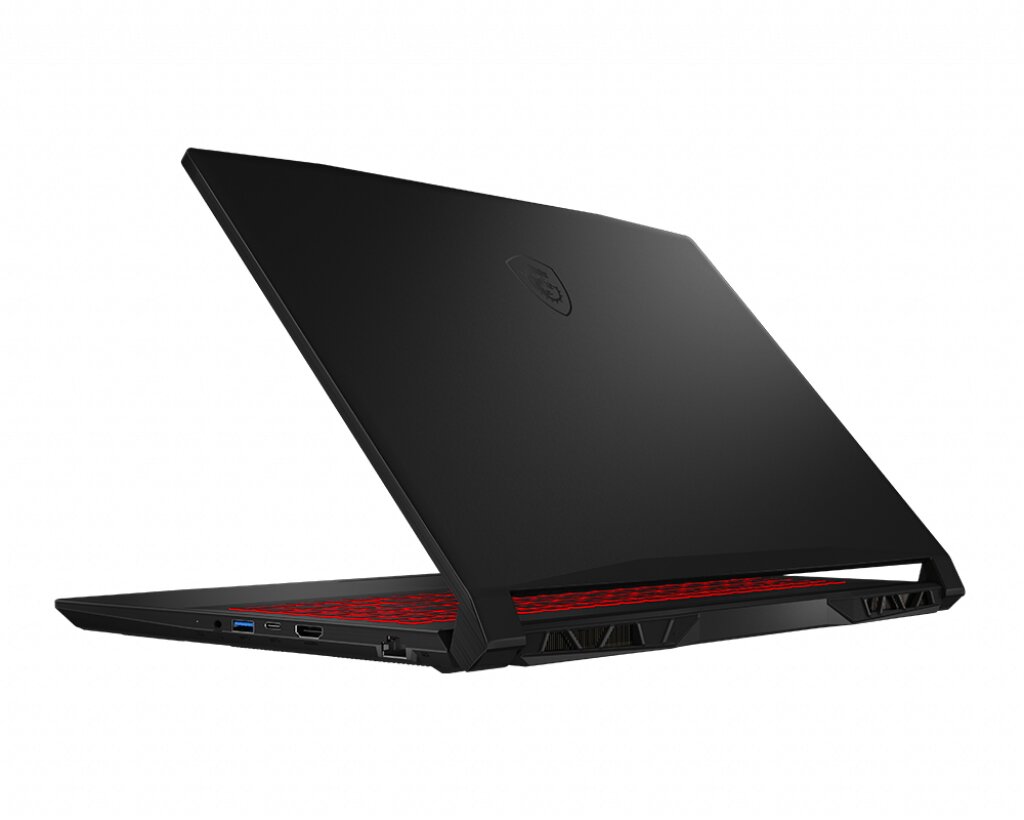
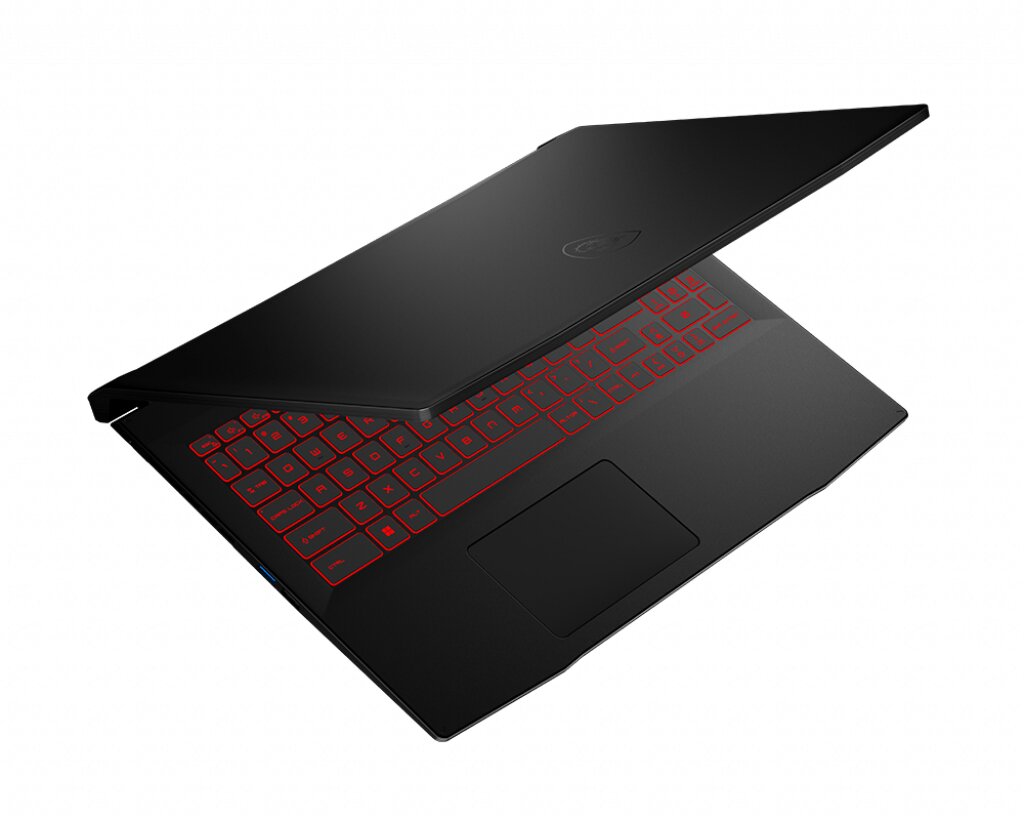
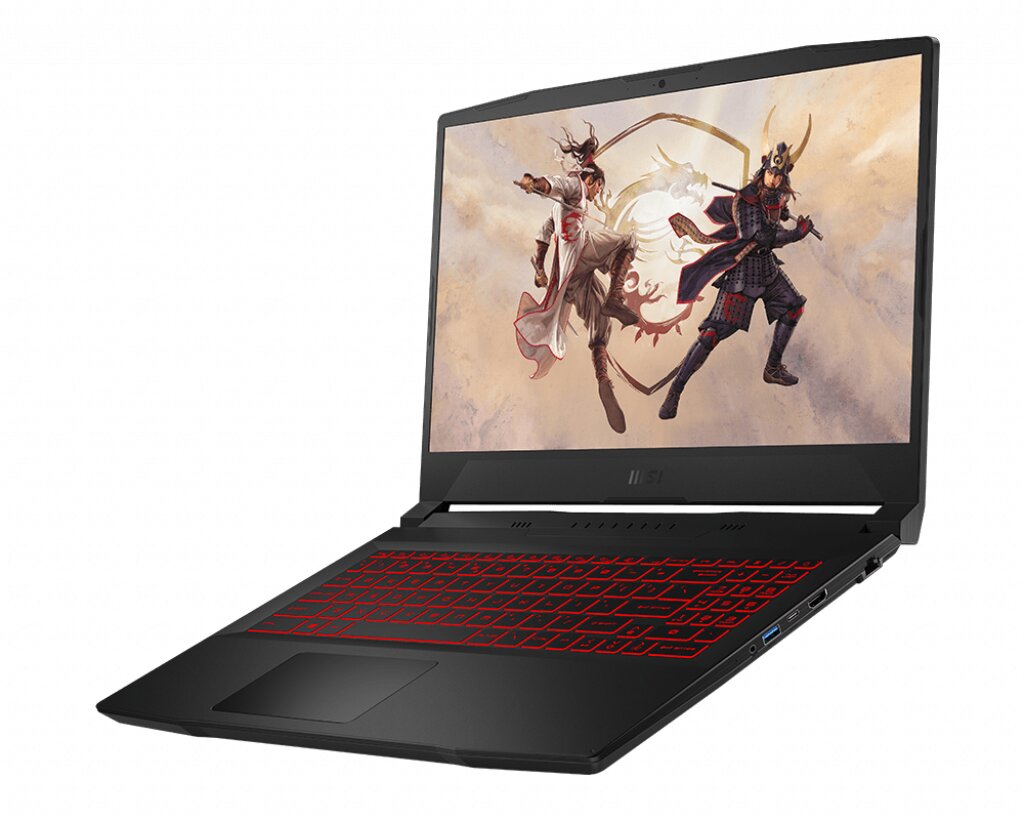
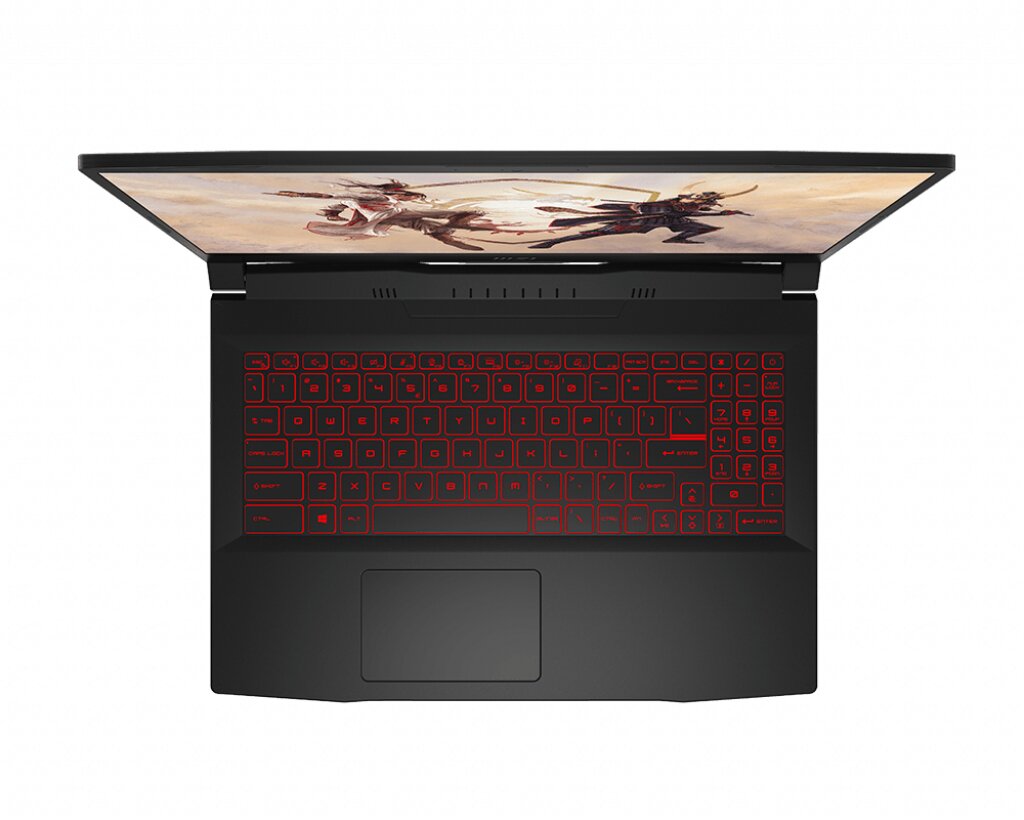
MSI GF66 12UE-1203XES Katana gaming laptop supports DDR4-SDRAM memory upgrades with two SO-DIMM slots. Maximum RAM capacity reaches 64 GB, operating at 3200 MHz frequency. Compatible SO-DIMM modules enable memory expansion for enhanced multitasking and performance. Specifications support standard DDR4 memory configurations with dual-slot upgrade capability.
Memory Upgrade Specifications
| Specification | Value |
|---|---|
| Memory slots | 2x SO-DIMM |
| Form factor | SO-DIMM |
| Memory type | DDR4-SDRAM |
| Frequency | 3200 MHz |
| Maximum RAM | 64 GB |
| Voltage | 1.2V |
| Number of pins | 260-pin |
| Interface | PC4 |
| PC Speed Rating | PC4-3200 (PC4-25600) |
| Bandwidth | 25.6 GB/s |
| Laptop Release date | 19 September 2022 |
Additional Notes
- The MSI GF66 12UE-1203XES Katana supports dual-channel memory architecture through its 2 SO-DIMM slots, enabling potential bandwidth doubling compared to single-channel configurations when populated with matched pairs.
- DDR4-3200 operates at PC4-25600 standard, delivering 25.6 GB/s theoretical bandwidth per channel or 51.2 GB/s combined in dual-channel mode.
- The 64 GB maximum capacity requires 2x32 GB modules, which operate at higher density than 16 GB modules and may exhibit slightly different latency characteristics due to rank configuration.
- SO-DIMM installation requires accessing the bottom panel of the chassis, typically secured by multiple screws with potential warranty seal considerations depending on regional regulations.
- Memory slots positioned beneath the motherboard in many gaming laptops may require removal of additional components such as battery connectors or cooling assemblies for access.
- DDR4-3200 modules running at JEDEC specifications typically operate at CL22 timings, while aftermarket modules may offer CL20 or lower for reduced latency at identical frequency.
- The controller supports native DDR4-3200 without requiring XMP profiles, ensuring compatibility across various module manufacturers adhering to JEDEC standards.
- Mixing modules with different capacities between slots maintains functionality but may disable dual-channel operation or force asymmetric (flex) mode with performance implications.
- Thermal constraints in compact gaming chassis may favor modules with lower-profile heatspreaders or bare PCBs to maintain clearance beneath the bottom cover.
- Voltage specifications for DDR4-3200 standard modules remain at 1.2V, ensuring consistent power delivery without requiring BIOS adjustments for non-overclocked configurations.