MSI Gaming GF66 12UE-090ES Katana RAM upgrade specifications

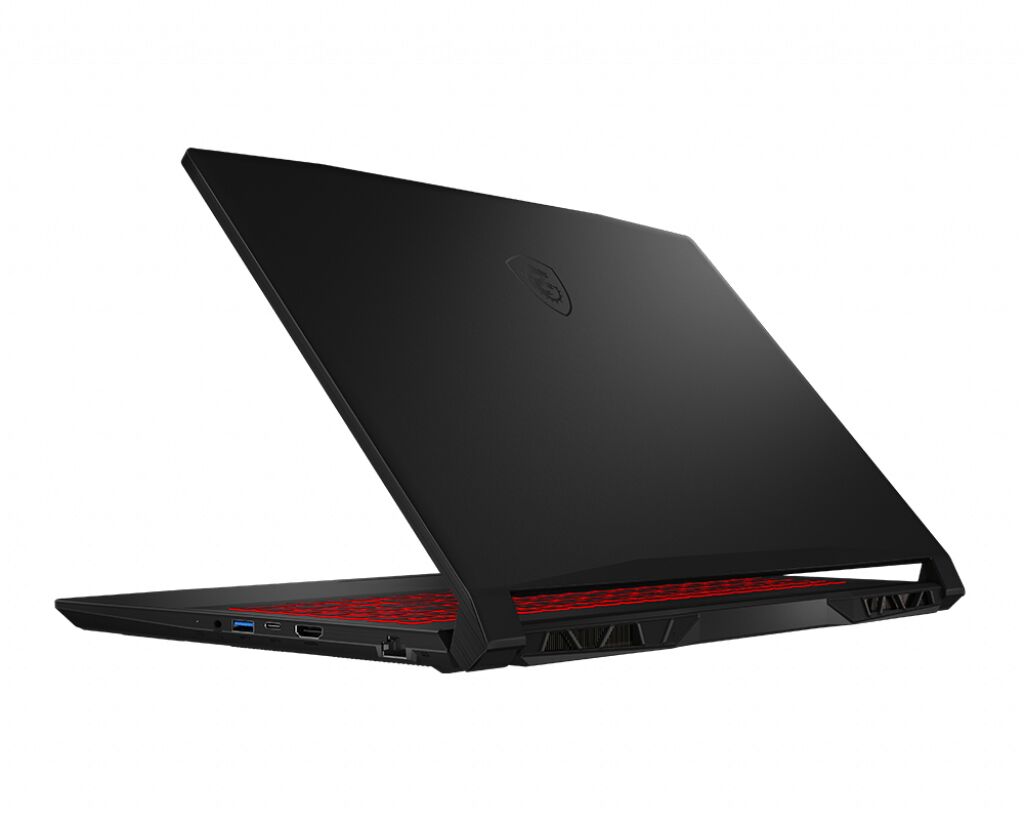
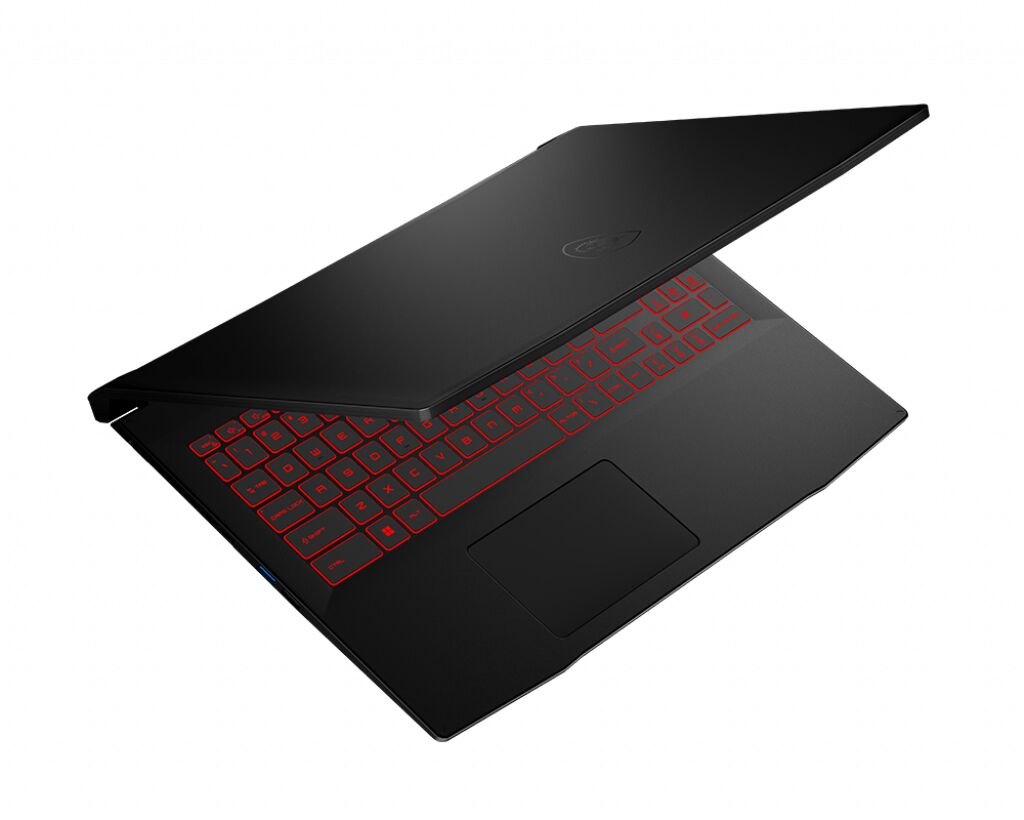

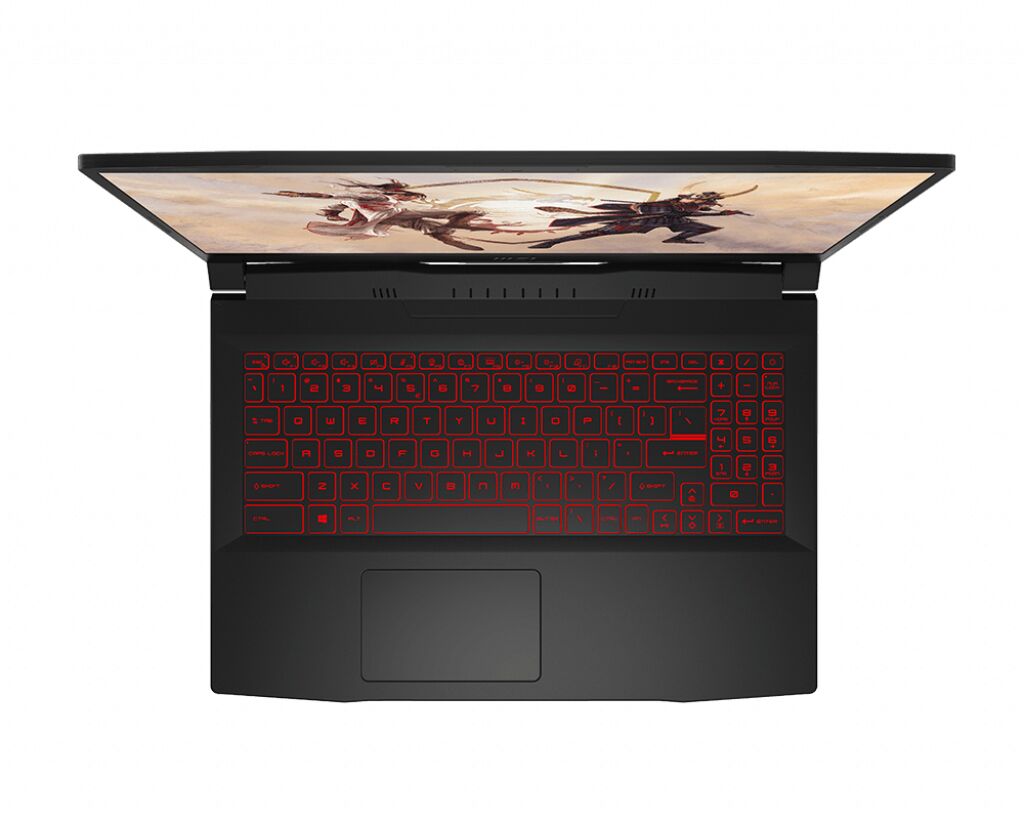
MSI GF66 12UE-090ES Katana gaming laptop memory upgrade specifications include DDR4-SDRAM support with dual SO-DIMM slots for maximum capacity expansion to 64 GB. Compatible RAM operates at 3200 MHz frequency. The GF series model accommodates SO-DIMM form factor memory modules. Existing memory configuration can be upgraded by installing additional DDR4 modules in available slots. Maximum supported memory capacity of 64 GB provides upgrade potential for enhanced multitasking and gaming performance on the Katana gaming platform.
Memory Upgrade Specifications
| Specification | Value |
|---|---|
| Memory slots | 2x SO-DIMM |
| Form factor | SO-DIMM |
| Memory type | DDR4-SDRAM |
| Frequency | 3200 MHz |
| Maximum RAM | 64 GB |
| Voltage | 1.2V |
| Number of pins | 260-pin |
| Interface | PC4 |
| PC Speed Rating | PC4-3200 (PC4-25600) |
| Bandwidth | 25.6 GB/s |
| Laptop Release date | 23 February 2022 |
Additional Notes
- The MSI GF66 12UE-090ES Katana chipset supports dual-channel architecture, meaning optimal performance requires matched memory modules installed in pairs to achieve full bandwidth potential of 51.2 GB/s.
- Standard desktop memory modules are physically incompatible due to the SO-DIMM specification, which measures 67.6mm versus 133.35mm for full-size DIMMs.
- The 64 GB maximum capacity indicates compatibility with high-density modules up to 32 GB per slot, requiring double-sided module construction with 16 memory chips per stick.
- JEDEC standard latency at 3200 MHz typically operates at CL22 timings, while performance-grade modules rated at CL20 or lower can reduce memory access latency by approximately 9 to 12 nanoseconds.
- The 3200 MHz frequency operates at 1.2V standard voltage for DDR4, meaning higher voltage XMP profiles designed for desktop overclocking will likely fail to initialize or force the system to downclock.
- Installation requires both slots to remain accessible without motherboard removal, though the bottom panel must be detached to expose the memory compartment without voiding manufacturer warranty seals.
- The controller bandwidth ceiling at 3200 MHz prevents faster DDR4 modules rated at 3600 MHz or 4000 MHz from operating above the native speed, automatically downclocking to the supported frequency.
- Single-channel operation with one occupied slot reduces memory bandwidth to 25.6 GB/s, creating a bottleneck for integrated graphics tasks and memory-intensive applications.
- Non-ECC unbuffered modules are required, as registered or error-correcting memory types will fail POST diagnostics on consumer mobile platforms.
- Mixed module configurations with different capacities per slot remain functional but disable rank interleaving optimizations, introducing minor latency penalties during cross-rank memory access patterns.