MSI Gaming GF66 12UG-806AU Katana RAM upgrade specifications
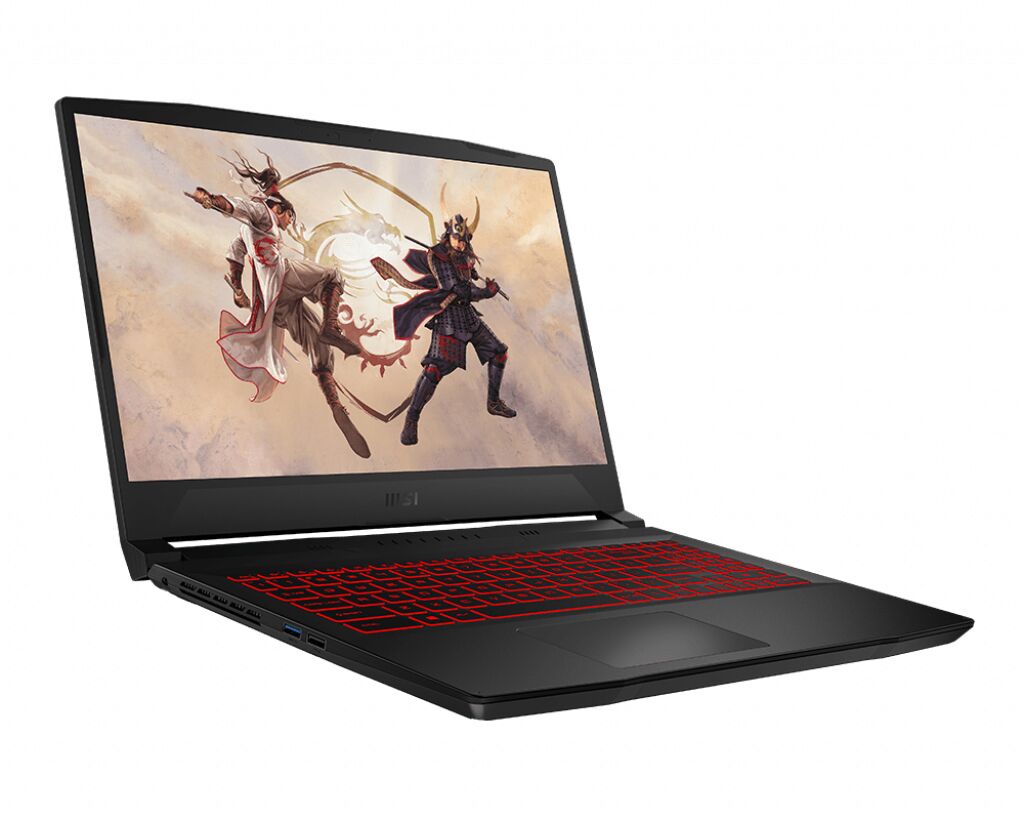
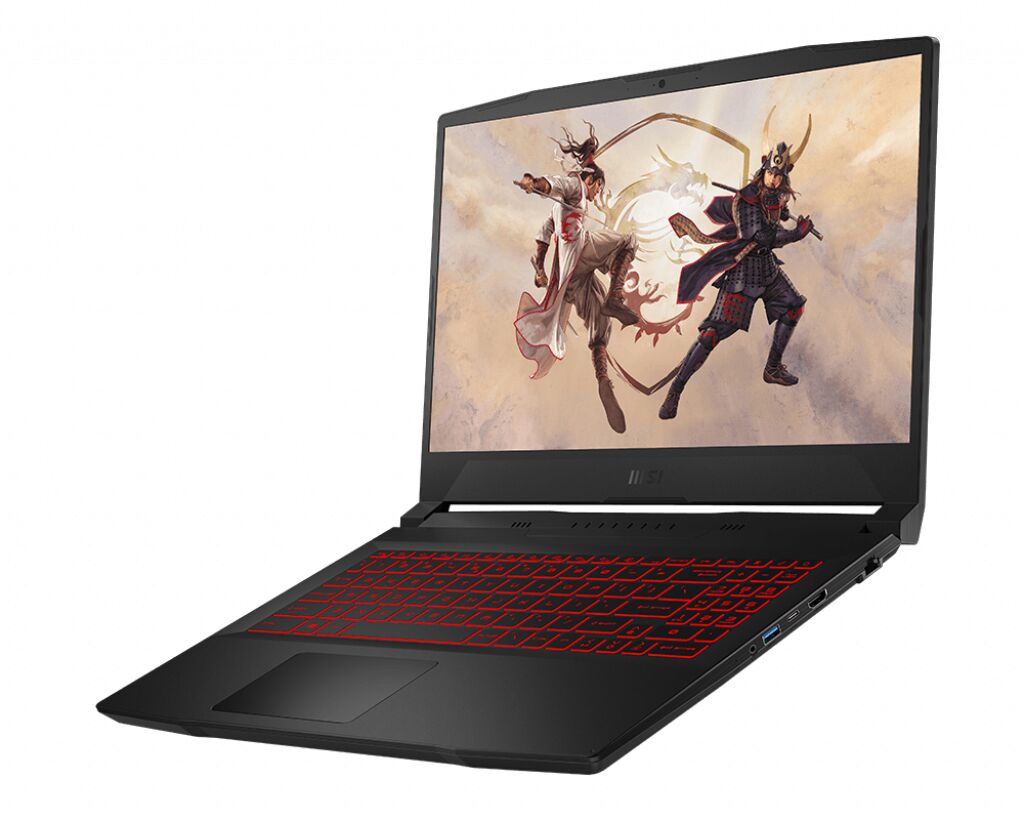
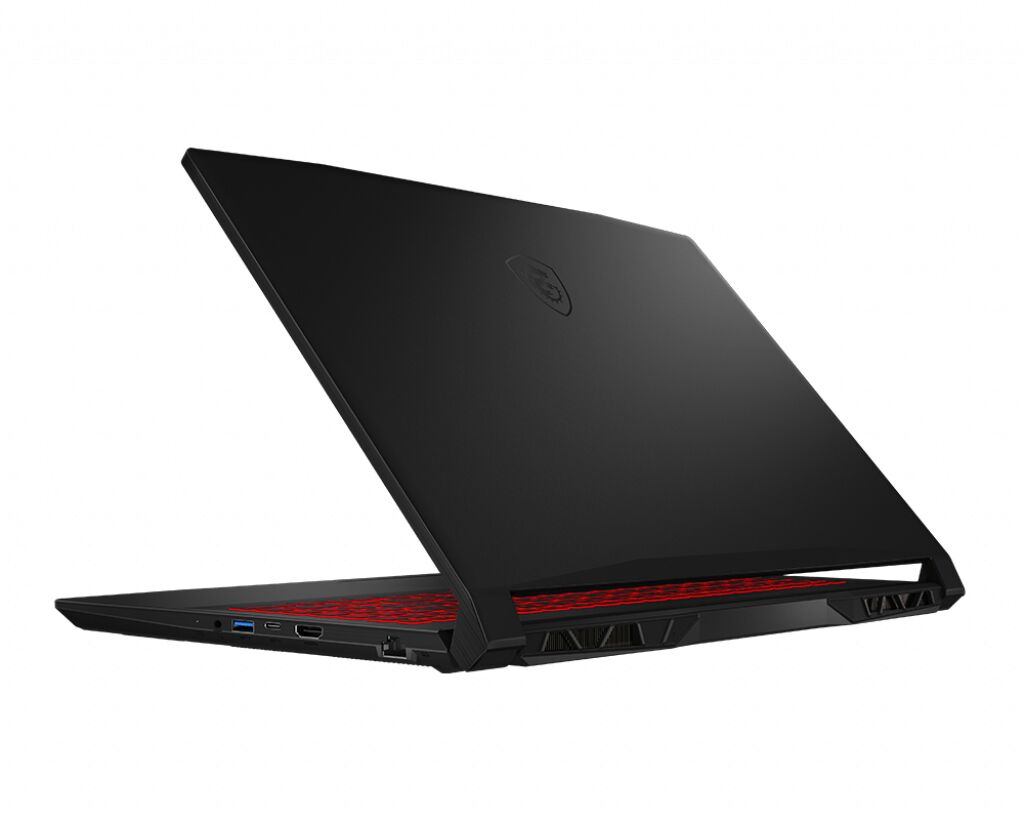
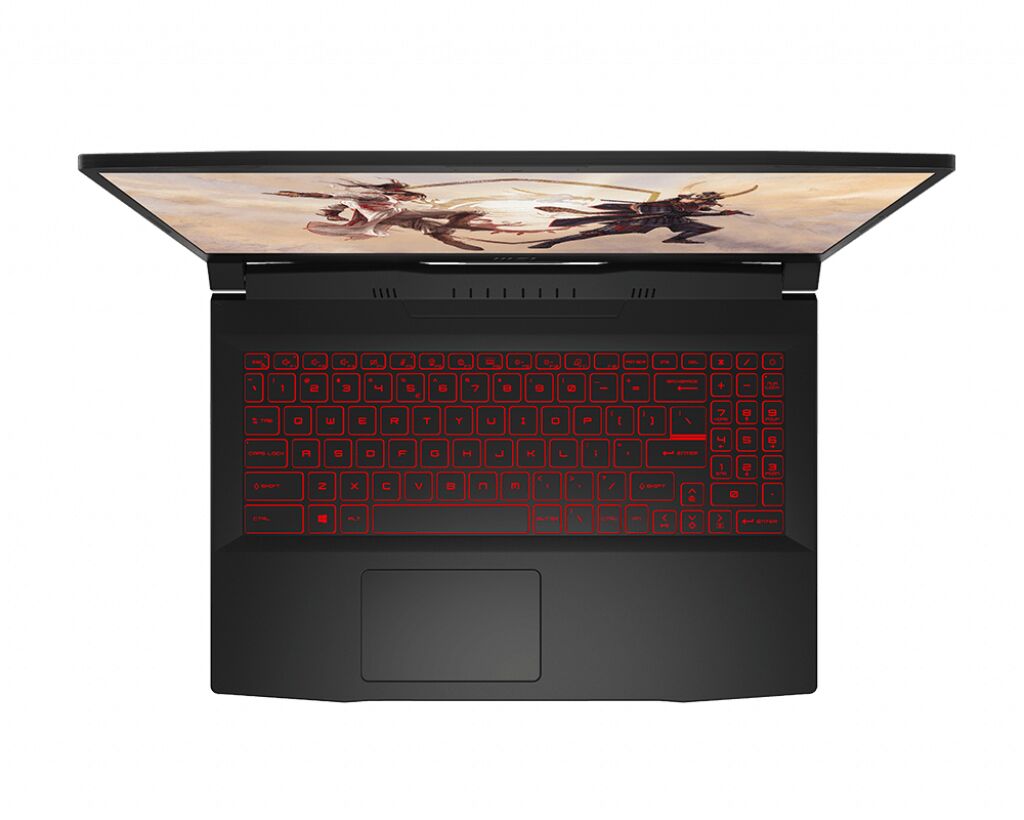
The MSI GF66 12UG-806AU Katana gaming laptop features DDR4-SDRAM memory upgrade specifications with two SO-DIMM slots supporting maximum capacity of 64 GB. Compatible memory operates at 3200 MHz frequency. Existing memory modules can be replaced or additional modules installed in available slots to increase system RAM. Specifications indicate DDR4 SO-DIMM form factor components are required for upgrade compatibility with this GF series model.
Memory Upgrade Specifications
| Specification | Value |
|---|---|
| Memory slots | 2x SO-DIMM |
| Form factor | SO-DIMM |
| Memory type | DDR4-SDRAM |
| Frequency | 3200 MHz |
| Maximum RAM | 64 GB |
| Voltage | 1.2V |
| Number of pins | 260-pin |
| Interface | PC4 |
| PC Speed Rating | PC4-3200 (PC4-25600) |
| Bandwidth | 25.6 GB/s |
| Laptop Release date | 28 July 2022 |
Additional Notes
- The MSI GF66 12UG-806AU Katana contains 2 SO-DIMM slots operating as a dual-channel configuration, which means both slots must be populated to achieve full memory bandwidth for gaming workloads; single-slot population reduces effective throughput by approximately 50%.
- DDR4-3200 modules are mature commodity components with stable pricing and wide availability, but sourcing matched pairs from the same manufacturer and production batch minimizes potential compatibility issues and memory training failures during boot.
- The 64 GB ceiling is sufficient for current gaming titles and content creation tasks, but represents a hard limit; future memory-intensive applications cannot be addressed through capacity expansion beyond this point on this platform.
- SO-DIMM form factor requires laptop-specific modules rather than desktop DDR4 variants; desktop DIMM physical dimensions prevent insertion into the slot regardless of electrical compatibility.
- Upgrading from factory-installed capacity to the 64 GB maximum requires two 32 GB SO-DIMM modules; mixing 32 GB with smaller capacities wastes the dual-channel configuration's potential and creates imbalanced memory addressing.
- DDR4-3200 specification indicates the memory controller supports this frequency, but actual performance gains from higher-speed modules (DDR4-3600 or DDR4-4000) are marginal for gaming; frequency scaling benefits are typically under 3% for this class of processor.
- Warranty coverage typically remains intact when replacing pre-installed memory with compatible SO-DIMM modules, as memory upgrades are considered user-serviceable components on this platform.