MSI Gaming GF66 12UGS-029AU Katana RAM upgrade specifications



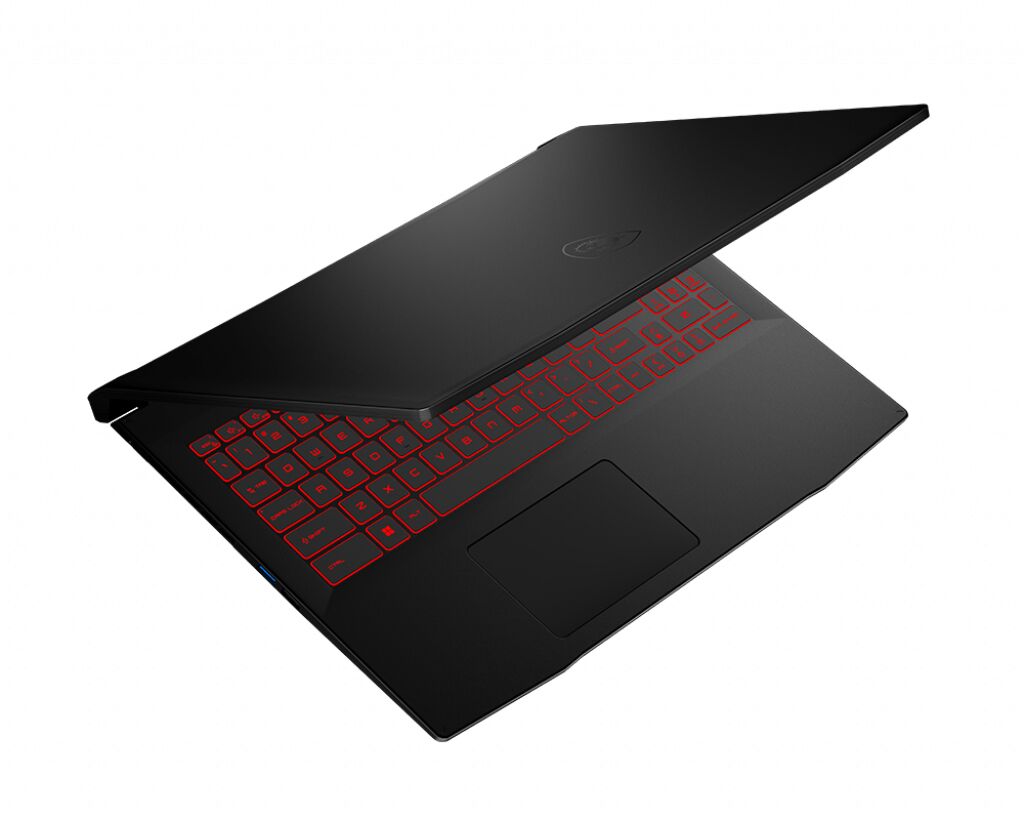
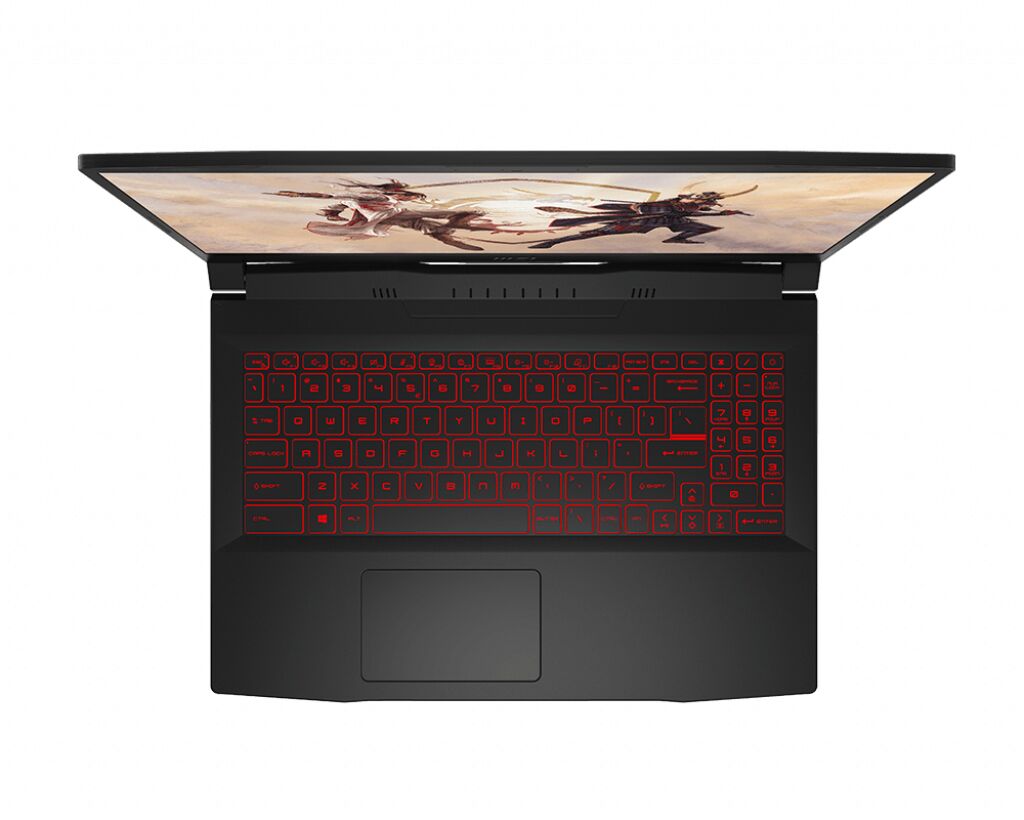
MSI GF66 12UGS-029AU Katana gaming laptop supports DDR4-SDRAM memory upgrade configurations. The system features 2x SO-DIMM slots for expansion, accommodating a maximum RAM capacity of 64 GB total. Compatible memory modules operate at 3200 MHz frequency and utilize SO-DIMM form factor. Upgrade specifications enable users to expand memory beyond stock configurations for enhanced multitasking performance and gaming capabilities. Memory upgrade compatibility adheres to DDR4 standards across both available slots.
Memory Upgrade Specifications
| Specification | Value |
|---|---|
| Memory slots | 2x SO-DIMM |
| Form factor | SO-DIMM |
| Memory type | DDR4-SDRAM |
| Frequency | 3200 MHz |
| Maximum RAM | 64 GB |
| Voltage | 1.2V |
| Number of pins | 260-pin |
| Interface | PC4 |
| PC Speed Rating | PC4-3200 (PC4-25600) |
| Bandwidth | 25.6 GB/s |
| Laptop Release date | 01 August 2022 |
Additional Notes
- The MSI GF66 12UGS-029AU Katana supports dual-channel memory operation through both SO-DIMM slots, which doubles theoretical bandwidth compared to single-channel configurations.
- DDR4-3200 represents the official JEDEC specification for this system, though actual operating frequency depends on CPU memory controller capabilities and installed module SPD profiles.
- The 64 GB maximum capacity indicates 32 GB modules per slot represent the upper compatibility boundary for this motherboard's memory controller.
- Upgrading to mismatched module capacities or speeds forces the memory controller to operate all modules at the lowest common denominator specifications.
- SO-DIMM form factor modules measure 67.6 mm in length versus 133.35 mm for desktop UDIMM modules, preventing physical installation of standard desktop RAM.
- Accessing memory slots typically requires bottom panel removal, which may void warranty seals depending on regional consumer protection regulations.
- Mixing DDR4 generations like PC4-21300 with PC4-25600 modules results in all memory operating at the slower 2666 MHz frequency rather than 3200 MHz.
- Non-ECC unbuffered modules represent the only compatible architecture, as SO-DIMM slots lack the pin count and power delivery for registered or error-correcting memory.
- Voltage specification remains fixed at 1.2V for standard DDR4 operation, while XMP/overclocking profiles may request 1.35V or higher depending on module specifications.
- The memory controller supports burst lengths of 8 for sequential access patterns, affecting application performance differently than random access workloads.
- CAS latency timings scale proportionally with frequency increases, meaning CL22 at 3200 MHz delivers similar absolute latency to CL16 at 2400 MHz.