MSI Gaming GF66 12UGS-402UK Katana RAM upgrade specifications
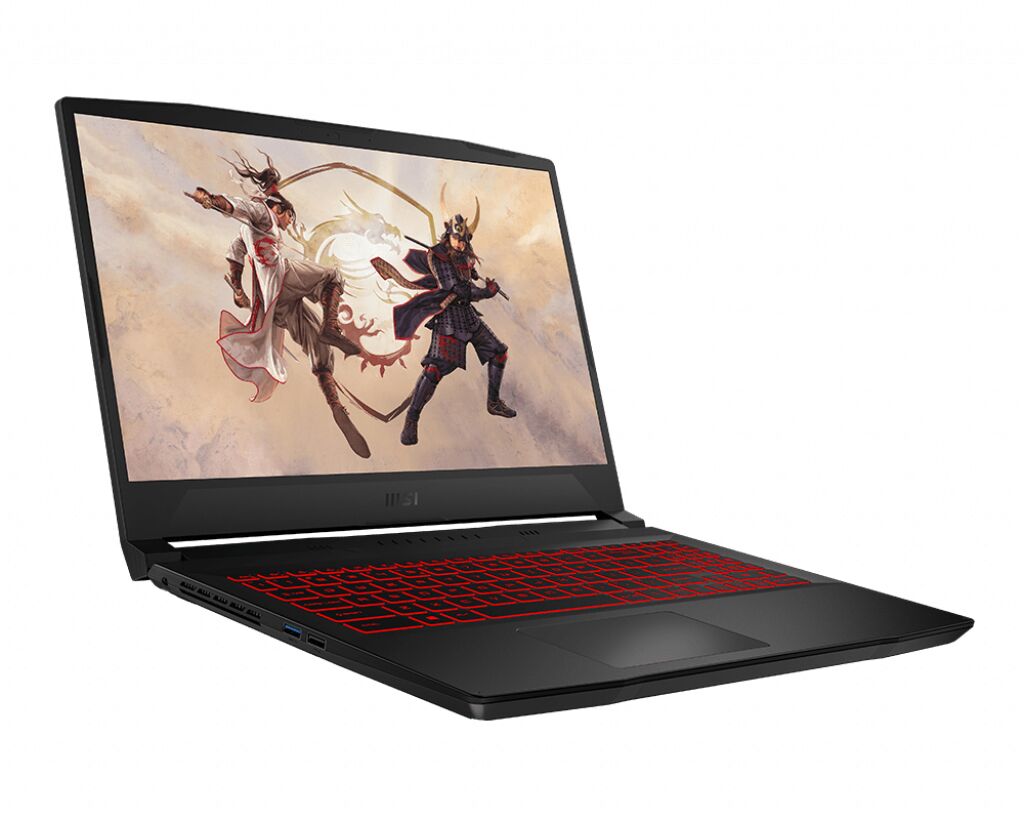
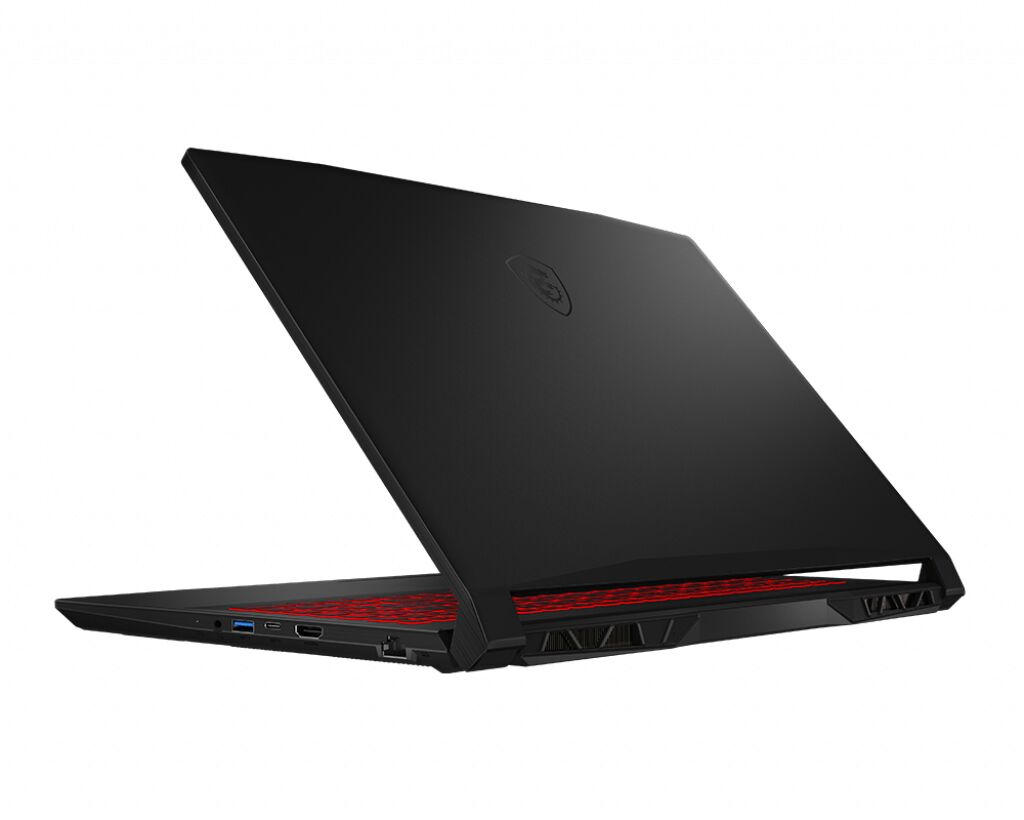
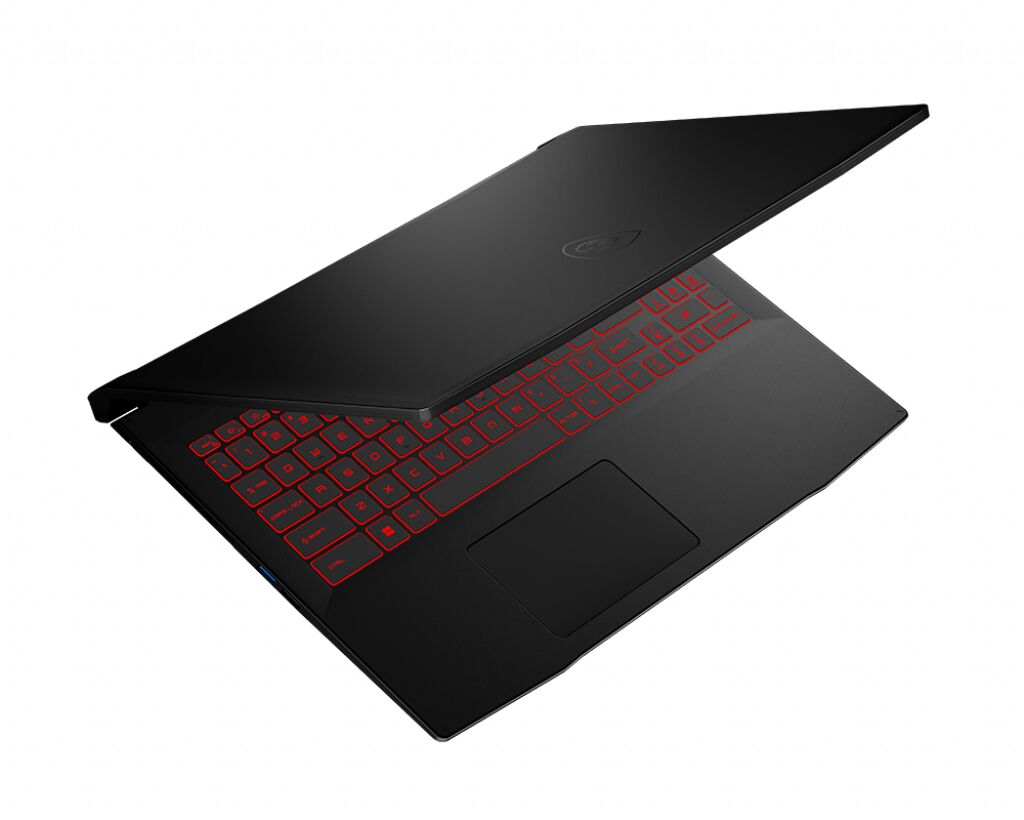
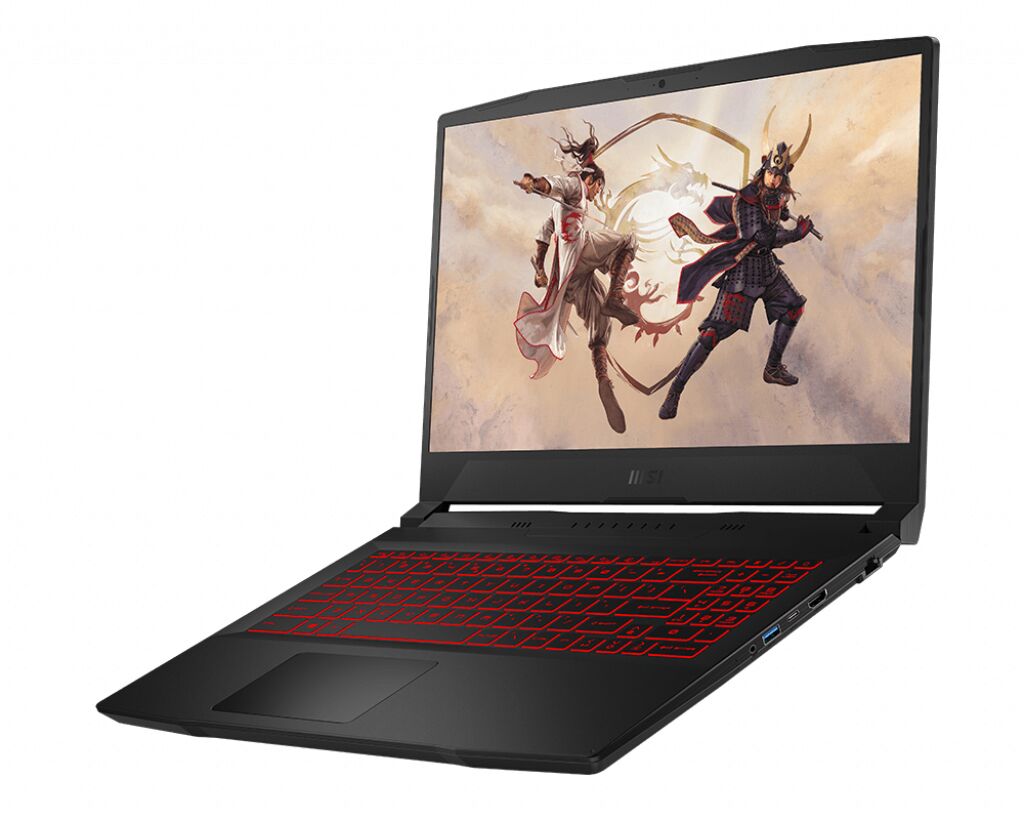
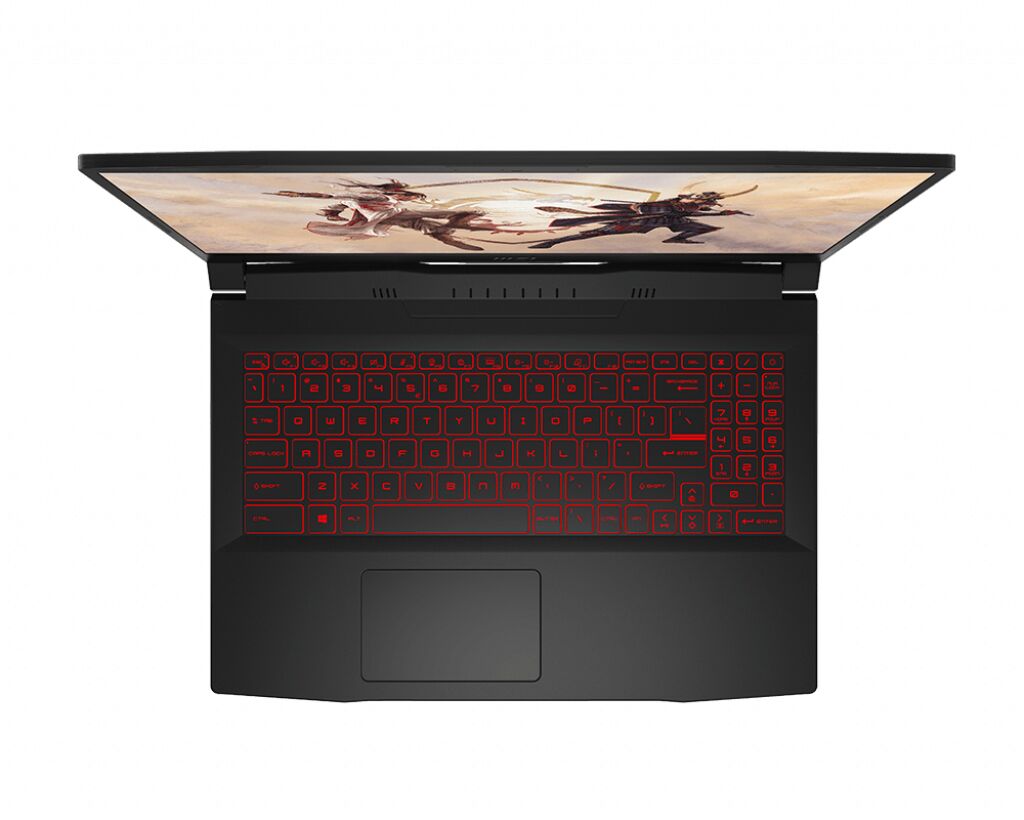
MSI GF66 12UGS-402UK Katana Gaming series laptop features two SO-DIMM slots supporting DDR4-SDRAM memory upgrades. Maximum compatible RAM capacity reaches 64 GB with DDR4-3200 MHz specifications. Current memory configuration utilizes SO-DIMM form factor modules. Upgrade specifications enable expansion of existing memory modules to enhance system performance and multitasking capabilities on Gaming family platforms.
Memory Upgrade Specifications
| Specification | Value |
|---|---|
| Memory slots | 2x SO-DIMM |
| Form factor | SO-DIMM |
| Memory type | DDR4-SDRAM |
| Frequency | 3200 MHz |
| Maximum RAM | 64 GB |
| Voltage | 1.2V |
| Number of pins | 260-pin |
| Interface | PC4 |
| PC Speed Rating | PC4-3200 (PC4-25600) |
| Bandwidth | 25.6 GB/s |
| Laptop Release date | 23 March 2022 |
Additional Notes
- The MSI GF66 12UGS-402UK Katana uses laptop-grade SO-DIMM modules rather than desktop DIMMs, restricting upgrade sourcing to mobile-specific memory products and eliminating compatibility with standard desktop RAM.
- DDR4-3200 specification indicates the system operates below contemporary DDR5 standards, creating a performance ceiling on memory bandwidth that cannot be overcome through firmware updates or BIOS modifications once the maximum 64 GB capacity is installed.
- Two SO-DIMM slots mean both memory banks must be populated simultaneously to avoid single-channel operation, which reduces memory throughput by approximately 50 percent compared to dual-channel configuration during intensive gaming or content creation workloads.
- The 64 GB maximum capacity limit prevents future scaling beyond this threshold; any expansion beyond this point requires complete module replacement rather than additive upgrades.
- SO-DIMM form factor requires manual disassembly of the chassis to access the memory compartment, and manufacturer specifications should be consulted before opening to confirm whether this procedure voids the warranty or requires specific precautions.
- Mixing DDR4 modules from different manufacturers or production batches can result in instability or failure to boot, necessitating matched-pair purchases with identical part numbers, speed ratings, and CAS latency values.