MSI Gaming GF66 12UGS-663XES Katana RAM upgrade specifications

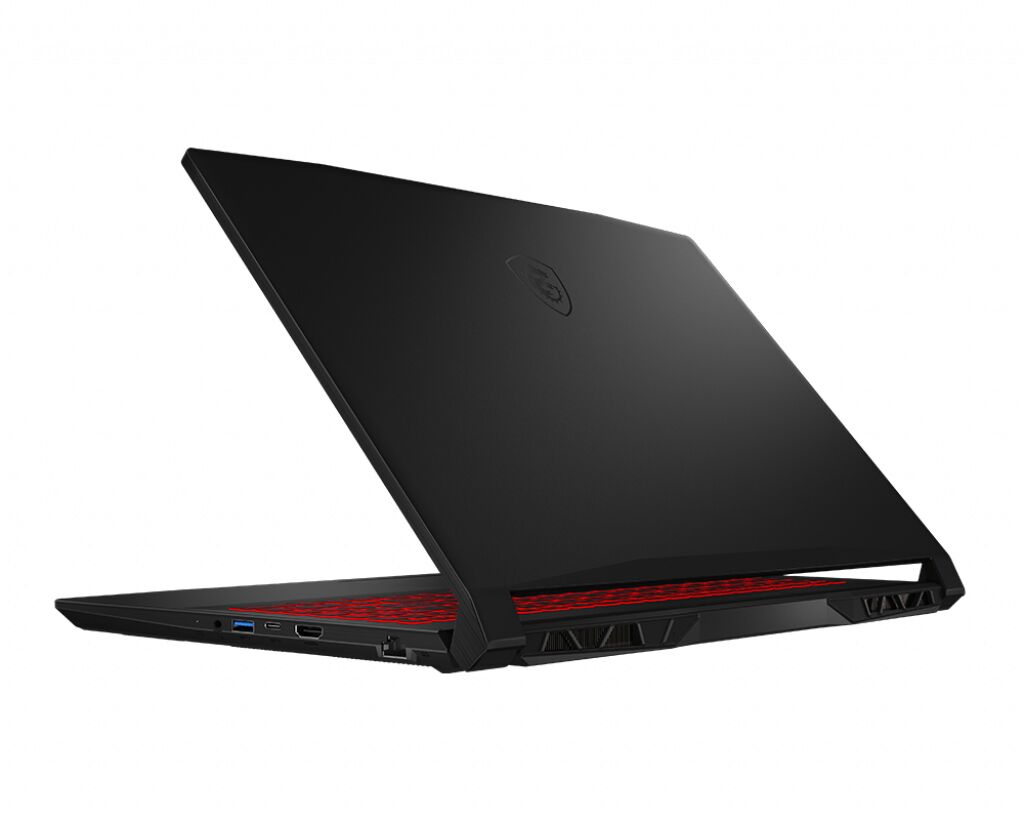
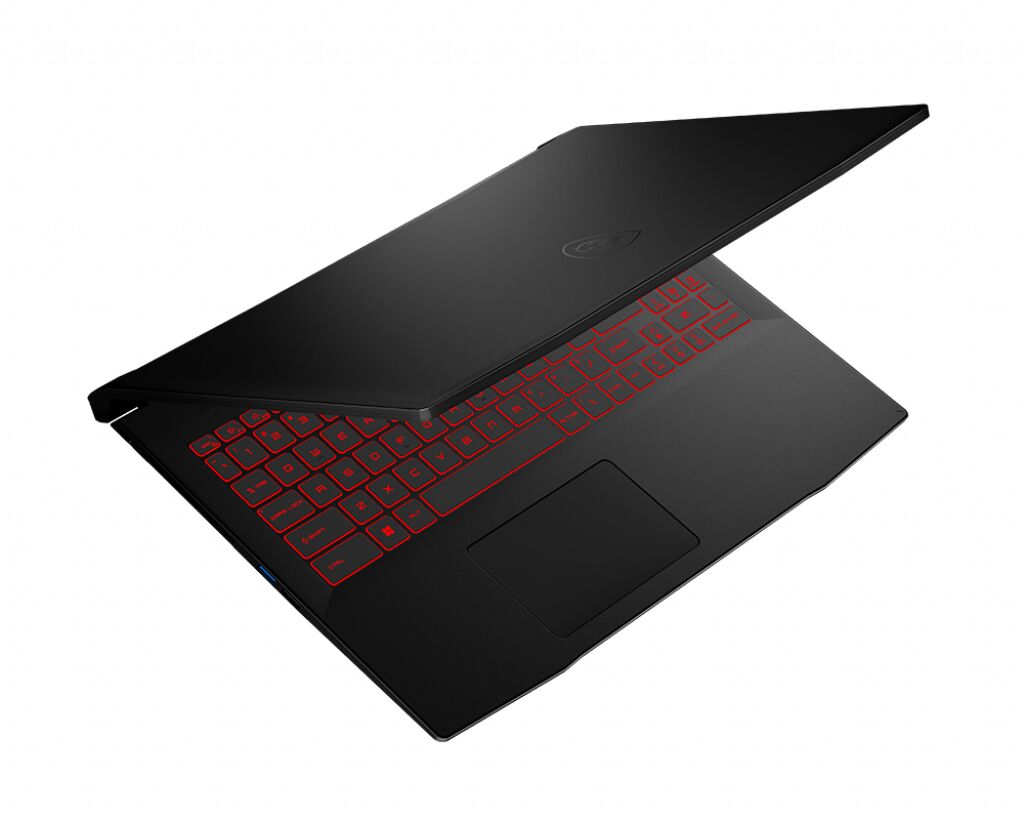

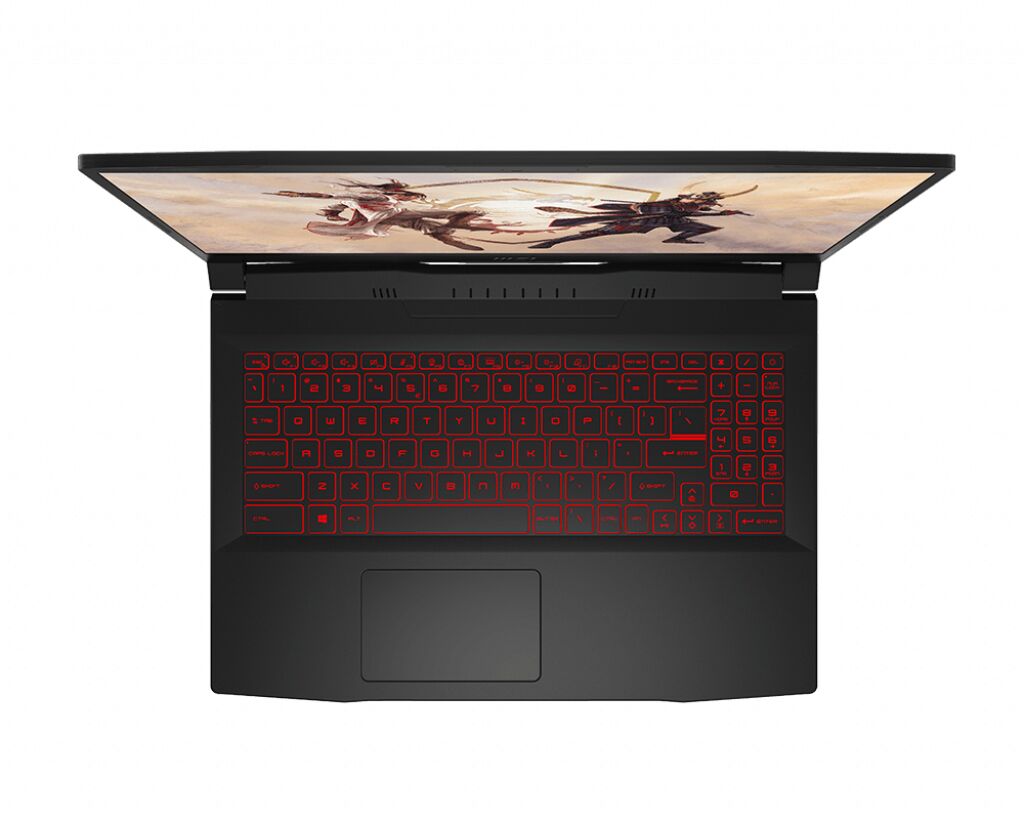
MSI GF66 12UGS-663XES Katana gaming laptop supports DDR4-SDRAM memory upgrades through two SO-DIMM slots. Maximum RAM capacity reaches 64 GB total, operating at 3200 MHz frequency. Compatible memory modules utilize SO-DIMM form factor specifications. The Gaming GF series model accommodates dual-channel memory configuration for enhanced performance. Upgrade options allow users to expand existing RAM capacity by replacing or supplementing current memory modules within the available slots. Specifications indicate compatible DDR4 memory at 3200 MHz frequency to ensure optimal system operation and stability.
Memory Upgrade Specifications
| Specification | Value |
|---|---|
| Memory slots | 2x SO-DIMM |
| Form factor | SO-DIMM |
| Memory type | DDR4-SDRAM |
| Frequency | 3200 MHz |
| Maximum RAM | 64 GB |
| Voltage | 1.2V |
| Number of pins | 260-pin |
| Interface | PC4 |
| PC Speed Rating | PC4-3200 (PC4-25600) |
| Bandwidth | 25.6 GB/s |
| Laptop Release date | 13 March 2022 |
Additional Notes
- The 2 SO-DIMM slot configuration on the MSI GF66 12UGS-663XES Katana creates a symmetric upgrade path where both slots must be populated identically to achieve dual-channel operation, which is critical for gaming performance in this form factor.
- DDR4-3200 memory speed represents the baseline supported frequency; any DDR4 modules rated above 3200 MHz will downclock to 3200 MHz due to JEDEC standard compliance in the laptop's memory controller.
- The 64 GB maximum capacity ceiling indicates that each SO-DIMM slot accepts 32 GB modules maximum, making any upgrade beyond 32 GB per slot incompatible regardless of module specifications.
- SO-DIMM form factor requires low-profile modules or standard height modules depending on chassis clearance; removal of the keyboard deck or bottom panel is mandatory for access, which may void certain warranty coverage depending on MSI's service policies.
- Mixing memory modules of different capacities (for example, 16 GB and 32 GB) will function but prevents symmetric dual-channel configuration on the second slot pair, reducing memory bandwidth by approximately 50 percent compared to matched-pair configurations.
- DDR4 memory exhibits higher latency variability than DDR5 at equivalent speeds, meaning gaming frame rate variance may increase under thermal load if replacement modules use higher CAS latencies than original equipment specifications.