MSI Gaming GF66 2UC-083ES Katana RAM upgrade specifications
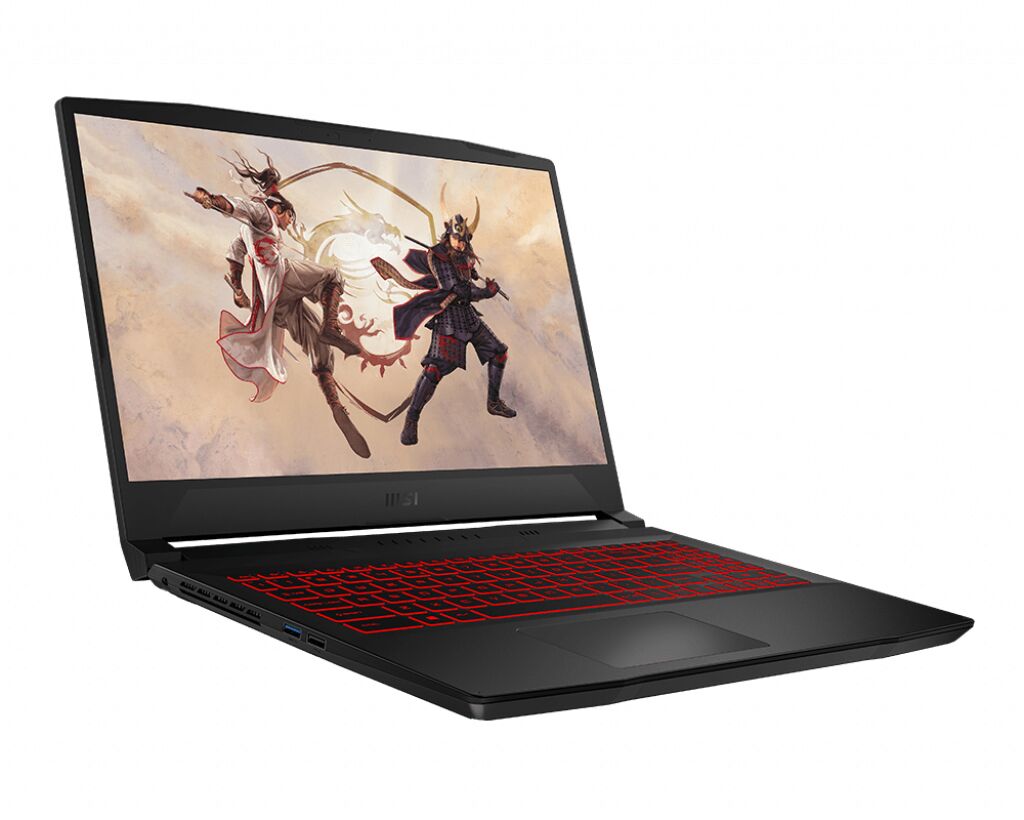
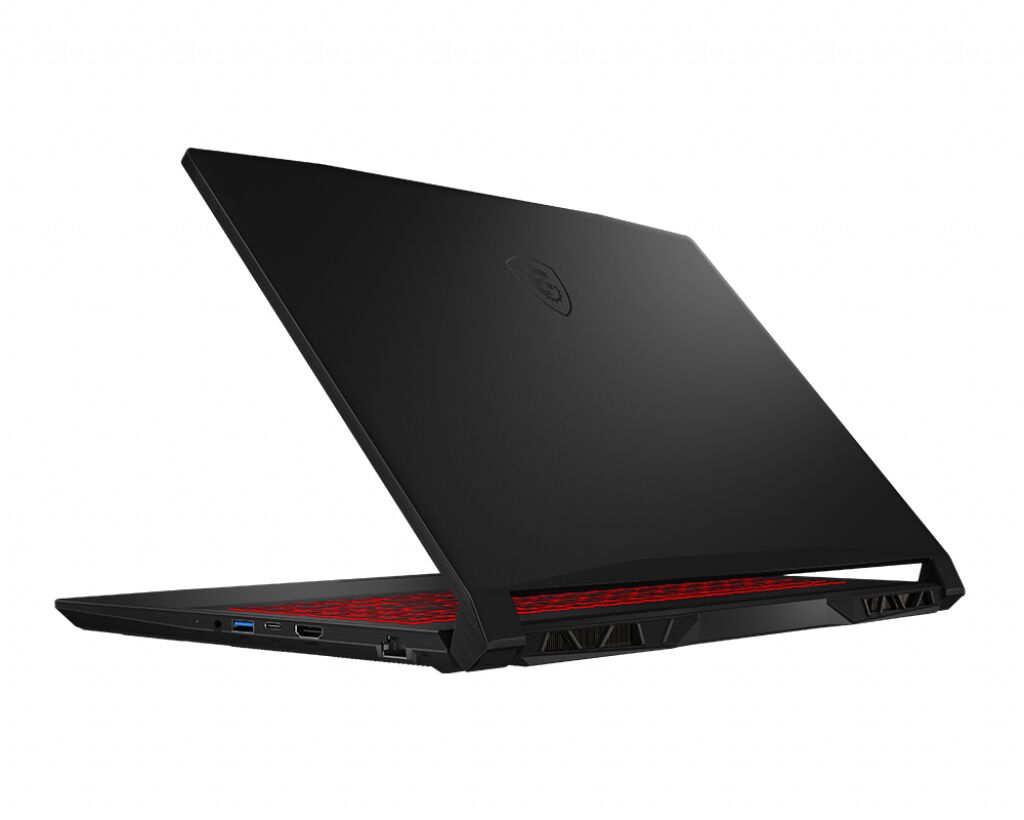
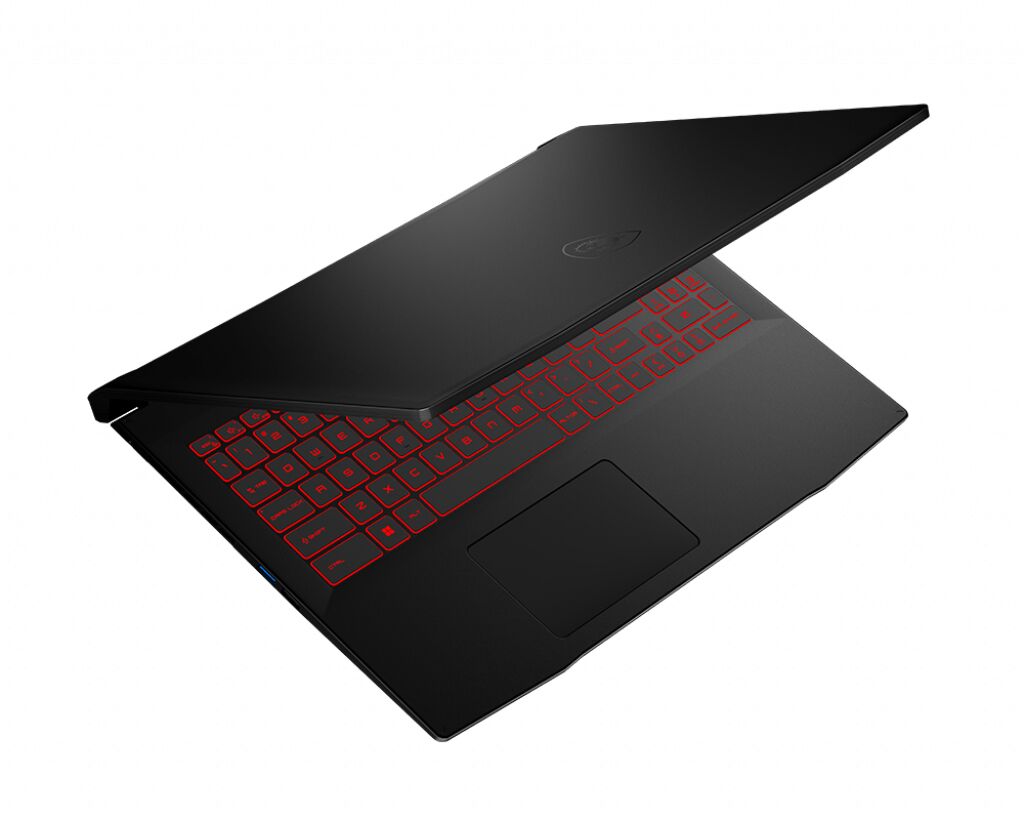
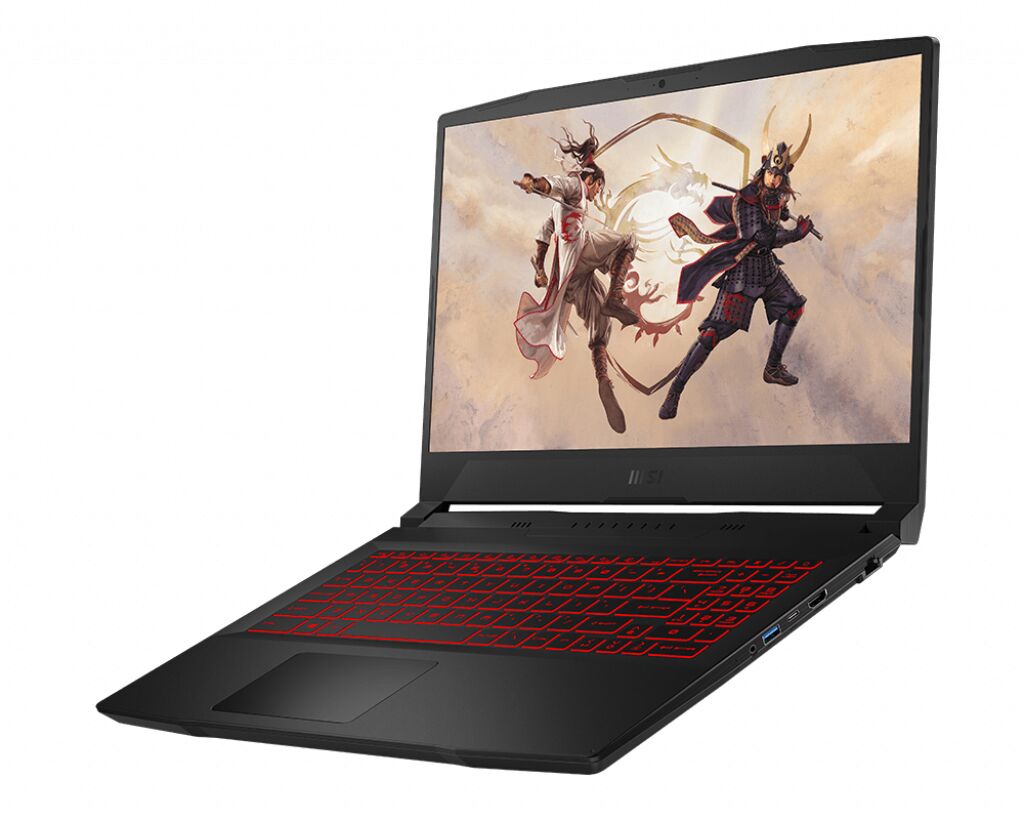
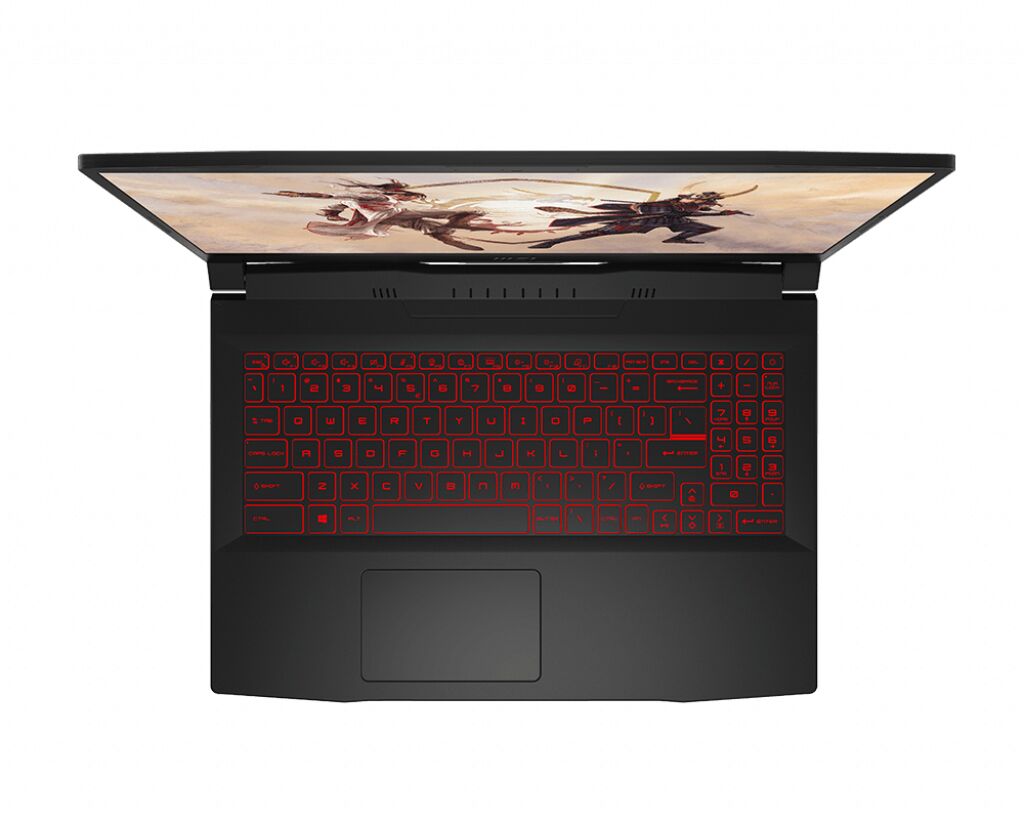
The MSI GF66 2UC-083ES Katana gaming laptop features DDR4-SDRAM memory upgrade specifications with two SO-DIMM slots available for expansion. Maximum compatible RAM capacity reaches 64 GB total. Memory modules operate at 3200 MHz frequency. The GF series Katana model supports DDR4 SO-DIMM memory form factor upgrades. Specifications indicate the gaming laptop accepts standard DDR4 memory modules in the two dedicated slots for performance enhancement and multitasking capabilities.
Memory Upgrade Specifications
| Specification | Value |
|---|---|
| Memory slots | 2x SO-DIMM |
| Form factor | SO-DIMM |
| Memory type | DDR4-SDRAM |
| Frequency | 3200 MHz |
| Maximum RAM | 64 GB |
| Voltage | 1.2V |
| Number of pins | 260-pin |
| Interface | PC4 |
| PC Speed Rating | PC4-3200 (PC4-25600) |
| Bandwidth | 25.6 GB/s |
| Laptop Release date | 23 February 2022 |
Additional Notes
- The MSI GF66 2UC-083ES Katana dual-channel memory architecture requires matched pairs of modules for optimal bandwidth utilization, as asymmetric configurations reduce throughput by forcing single-channel operation.
- DDR4-3200 represents the upper frequency ceiling for stability, as exceeding this specification may trigger automatic downclocking to JEDEC fallback speeds or cause POST failures.
- Both SO-DIMM slots must remain accessible without requiring dedicated bottom panel removal tools, though warranty seals may be positioned near memory compartment access points.
- The 64 GB ceiling requires 2x32 GB density modules using dual-rank chip configurations, which may introduce minor latency penalties compared to single-rank 8 GB or 16 GB options.
- Mixing existing factory-installed memory with aftermarket modules creates potential for timing mismatch issues, as SPD profile discrepancies between manufacturers can prevent stable dual-channel operation.
- Voltage specifications must remain at standard 1.2V for DDR4 SO-DIMMs, as low-voltage variants designed for ultrabooks may not initialize correctly in gaming-oriented memory controllers.
- Gaming workloads benefit minimally from capacity beyond 16 GB in current titles, making the 64 GB maximum primarily relevant for virtualization, content creation, or RAM disk implementations.
- SO-DIMM module height restrictions prevent compatibility with desktop-class heat spreaders, limiting thermal management options during sustained memory-intensive operations.
- CAS latency variations between CL22 and CL16 modules at 3200 MHz produce measurable frame time consistency differences in CPU-bound gaming scenarios.