MSI Gaming GF75 RAM upgrade specifications
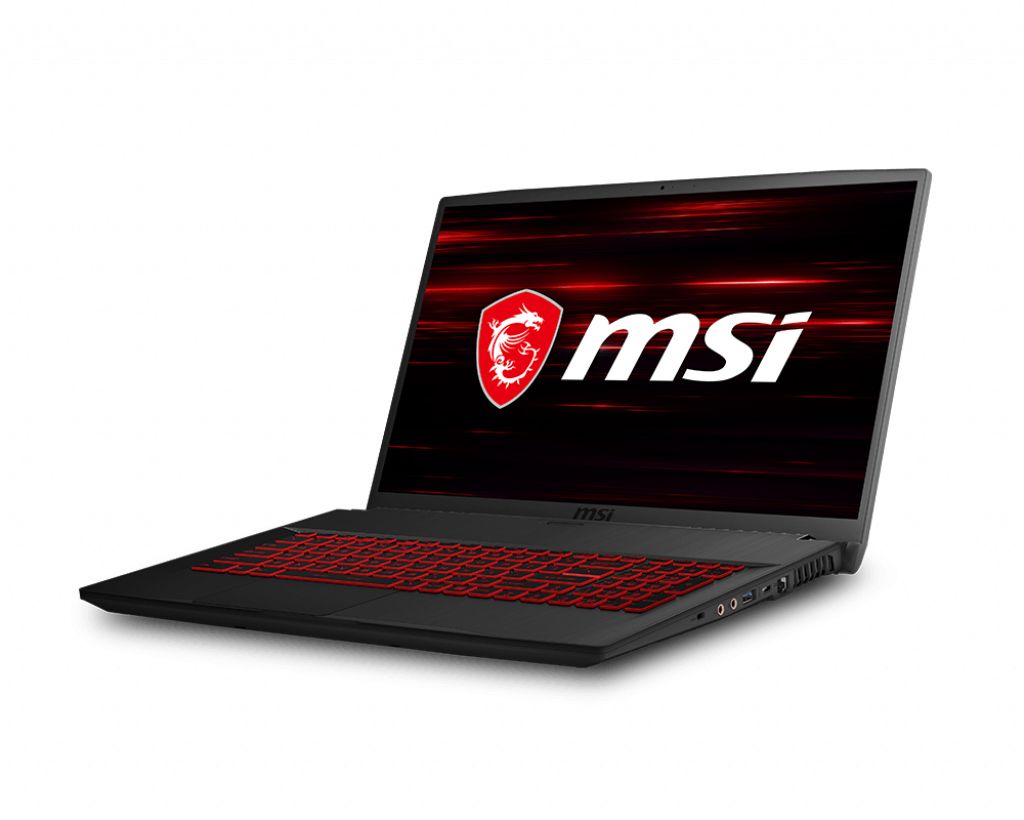
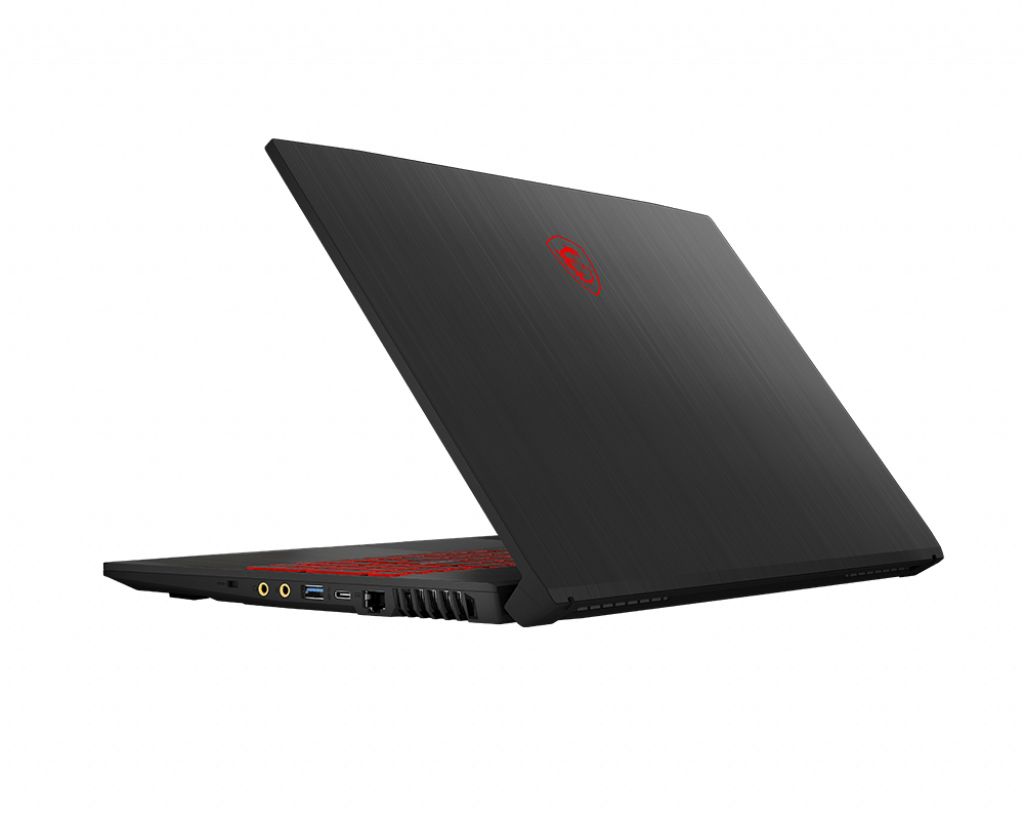
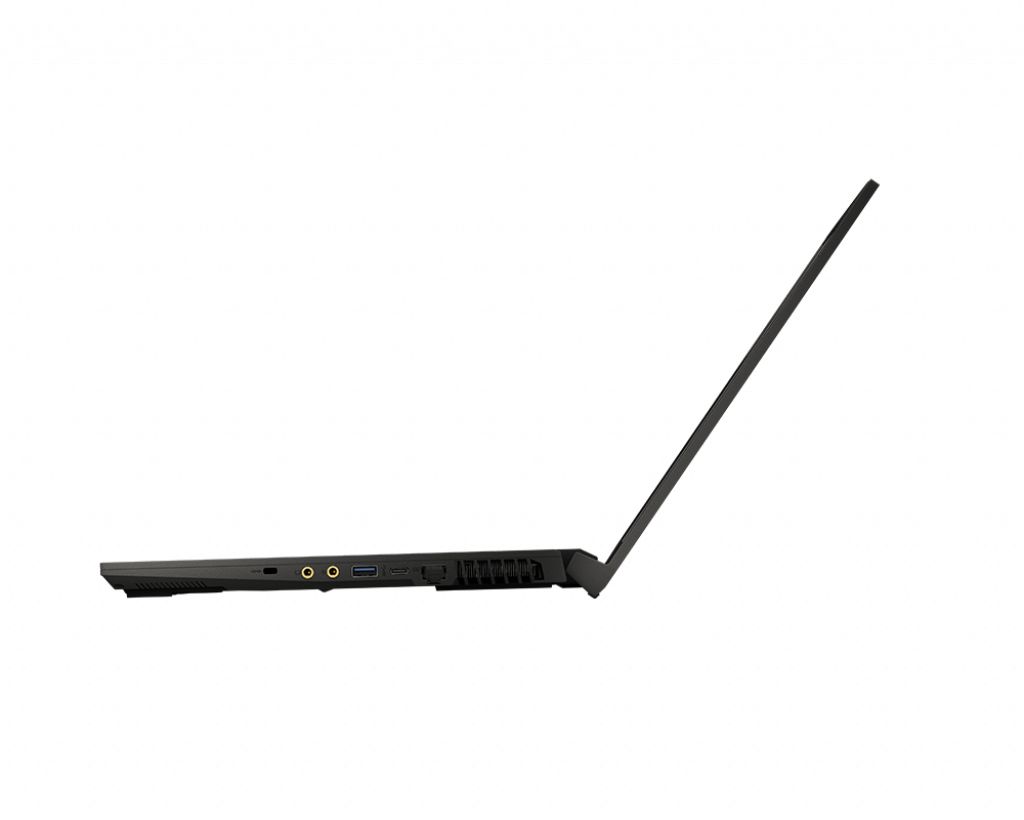
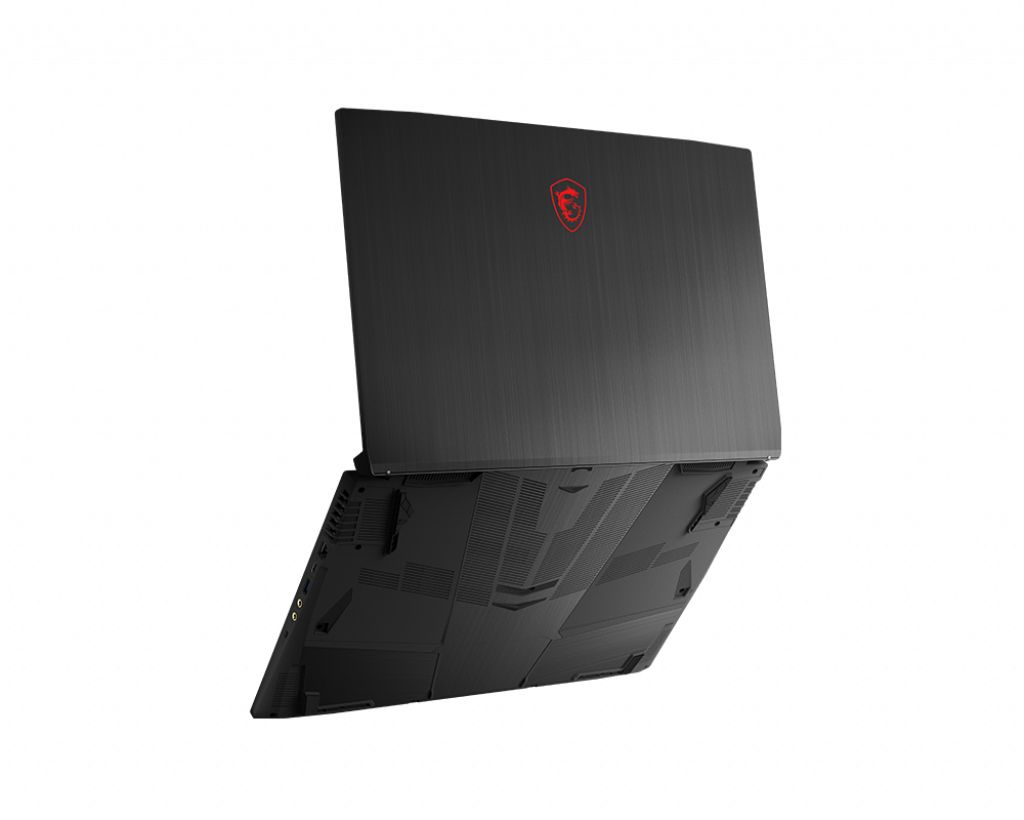
The MSI GF75 Gaming series laptop features two SO-DIMM slots for DDR4-SDRAM memory upgrade capability. Maximum supported RAM capacity reaches 64 GB, with compatible memory operating at 2666 MHz frequency. Specifications indicate the GF75 model supports SO-DIMM form factor modules. Memory upgrade slots allow users to expand total system RAM by installing compatible DDR4-SDRAM modules into available SO-DIMM slots. The Gaming GF series specifications confirm DDR4 memory compatibility with defined frequency parameters for system performance optimization.
Memory Upgrade Specifications
| Specification | Value |
|---|---|
| Memory slots | 2x SO-DIMM |
| Form factor | SO-DIMM |
| Memory type | DDR4-SDRAM |
| Frequency | 2666 MHz |
| Maximum RAM | 64 GB |
| Voltage | 1.2V |
| Number of pins | 260-pin |
| Interface | PC4 |
| PC Speed Rating | PC4-2666 (PC4-21328) |
| Bandwidth | 21.3 GB/s |
| Laptop Release date | 27 September 2019 |
Additional Notes
- The 2666 MHz frequency specification indicates DDR4-2666 modules will operate at their rated speed, while faster modules such as DDR4-3200 will downclock to match the motherboard's supported frequency.
- SO-DIMM modules for the MSI GF75 Gaming measure 67.6 mm in length compared to standard desktop DIMM modules at 133.35 mm, making desktop memory physically incompatible with this laptop.
- The 2 memory slots allow for dual-channel configuration when both slots are populated with matched modules, which doubles memory bandwidth compared to single-channel operation with one module.
- Reaching the 64 GB maximum requires 2 modules of 32 GB each, as no single SO-DIMM module exceeds 32 GB capacity in DDR4 technology.
- Memory upgrades on laptops typically do not void manufacturer warranty if the bottom panel removal does not break warranty seals, though this varies by region and specific warranty terms.
- DDR4-2666 operates at 1.2 volts standard, and modules rated at different voltages such as 1.35 volts may cause compatibility issues or fail to boot if the motherboard does not support voltage adjustment.
- Single-rank versus dual-rank module configuration affects performance, with dual-rank modules providing marginal performance benefits in memory-intensive tasks when the chipset supports interleaving across ranks.
- The SO-DIMM form factor requires modules with 260 pins, distinct from older DDR3 SO-DIMM modules that use 204 pins, preventing accidental insertion of incompatible memory generations.
- Mixed module capacities in the 2 slots, such as 16 GB plus 8 GB, will function but limit dual-channel mode to the capacity of the smaller module, with remaining capacity operating in slower single-channel mode.
- ECC (Error-Correcting Code) memory, while available in SO-DIMM form factor, is generally not supported by consumer gaming laptop chipsets and will either operate without ECC functionality or fail to initialize.