MSI Gaming GF75 10SCSR-023 Thin RAM upgrade specifications



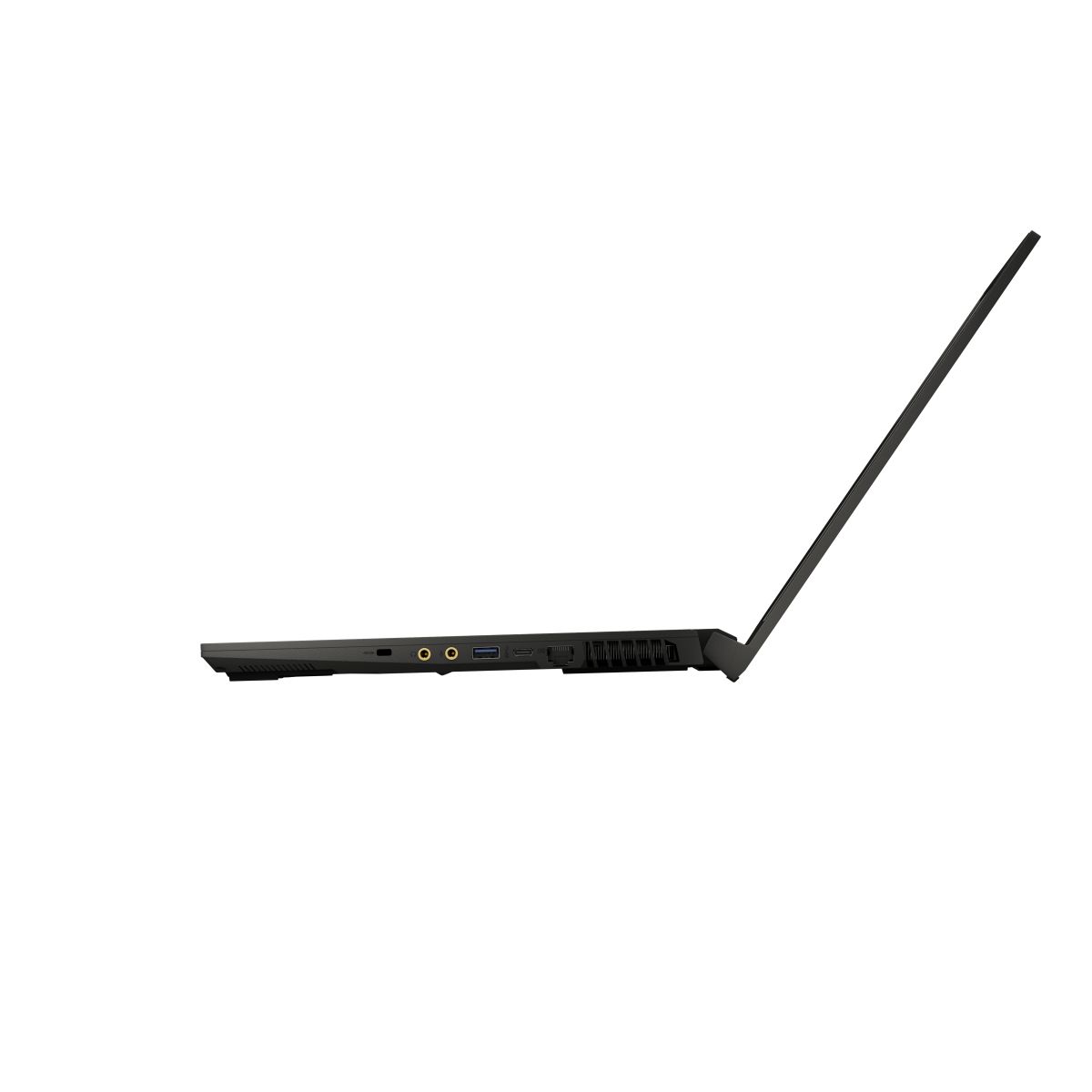

The MSI GF75 10SCSR-023 Thin Gaming series laptop features DDR4-SDRAM memory upgrade capabilities. This model supports 2x SO-DIMM slots with maximum memory capacity of 64 GB. Compatible RAM operates at 2666 MHz frequency using SO-DIMM form factor. The MSI Gaming GF series specifications allow for modular memory upgrades to enhance system performance. Current memory configurations can be expanded through available slots to reach the stated maximum capacity of 64 GB total RAM installation.
Memory Upgrade Specifications
| Specification | Value |
|---|---|
| Memory slots | 2x SO-DIMM |
| Form factor | SO-DIMM |
| Memory type | DDR4-SDRAM |
| Frequency | 2666 MHz |
| Maximum RAM | 64 GB |
| Voltage | 1.2V |
| Number of pins | 260-pin |
| Interface | PC4 |
| PC Speed Rating | PC4-2666 (PC4-21328) |
| Bandwidth | 21.3 GB/s |
| Laptop Release date | 11 May 2020 |
Additional Notes
- The MSI GF75 10SCSR-023 Thin accepts only DDR4 modules, rendering DDR3 or DDR5 memory physically incompatible due to differing notch positions on the module edge.
- The 2666 MHz frequency represents the maximum supported speed, meaning higher-rated modules will automatically downclock to this specification through JEDEC SPD profiles.
- SO-DIMM architecture restricts thermal dissipation compared to full-size DIMMs, making passive cooling through the chassis critical during sustained memory-intensive operations.
- Dual-channel operation requires matched pairs in both slots to enable simultaneous read/write operations across both channels, effectively doubling theoretical memory bandwidth to 42.6 GB/s.
- The 64 GB ceiling indicates BIOS support for 32 GB modules per slot, though availability of DDR4 SO-DIMMs at this density may limit practical upgrade options in certain markets.
- Accessing the SO-DIMM slots typically requires bottom panel removal, which may involve breaking manufacturer seals that could affect warranty coverage depending on regional consumer protection laws.
- Non-ECC unbuffered memory remains the only compatible type, as SO-DIMM slots in consumer laptops lack the electrical pathways for error-correction circuitry found in server-grade systems.
- Mixing modules with different latency timings will force all installed memory to operate at the slowest common denominator, potentially degrading performance below advertised specifications.
- Single-rank versus dual-rank module architecture affects interleaving efficiency, with dual-rank configurations sometimes providing marginal performance gains in bandwidth-sensitive applications despite identical capacity.
- Voltage tolerance remains fixed at 1.2V for standard DDR4, eliminating low-voltage DDR4L as a consideration while preventing damage from incorrect module installation.