MSI Gaming GF75 10SCSR-245XES RAM upgrade specifications
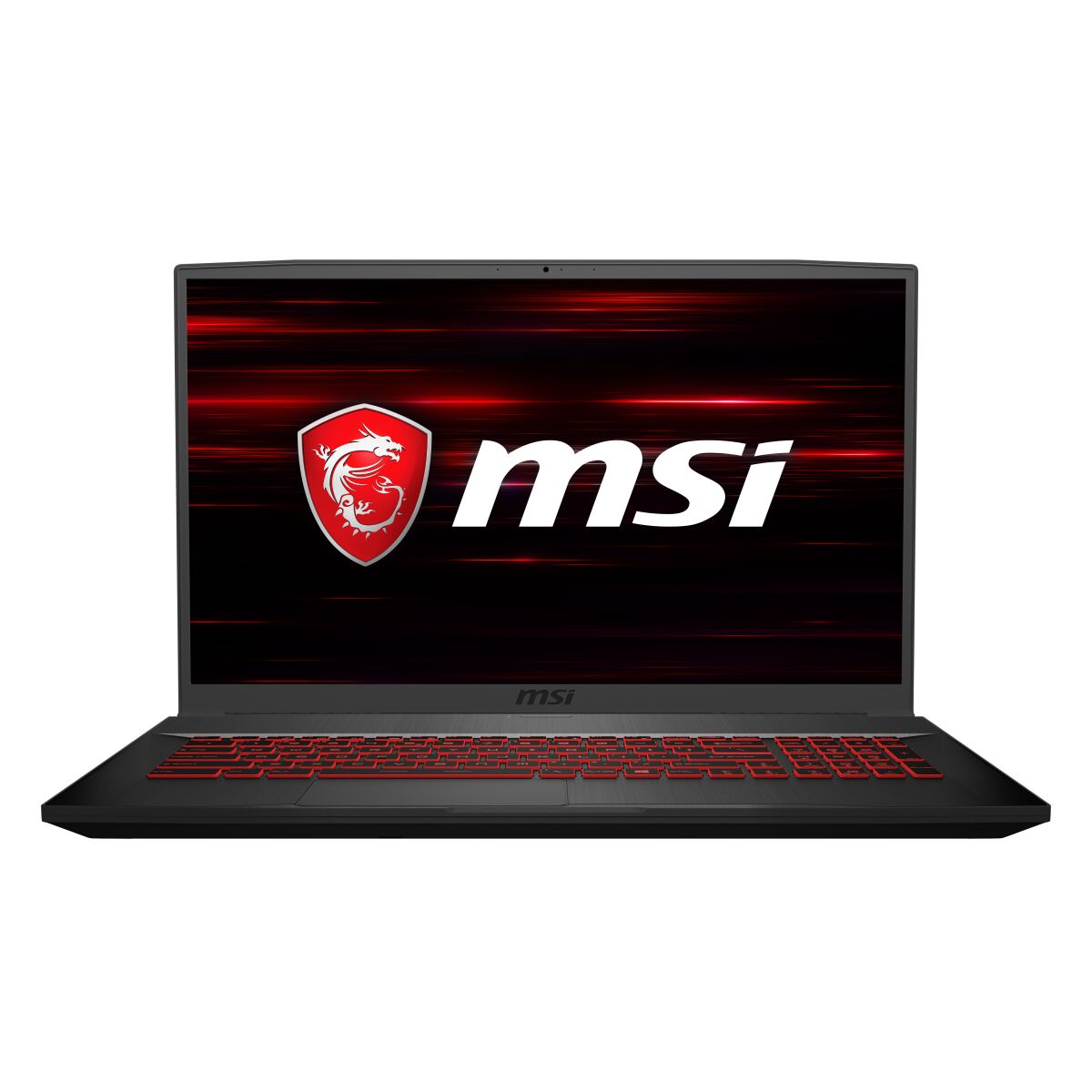
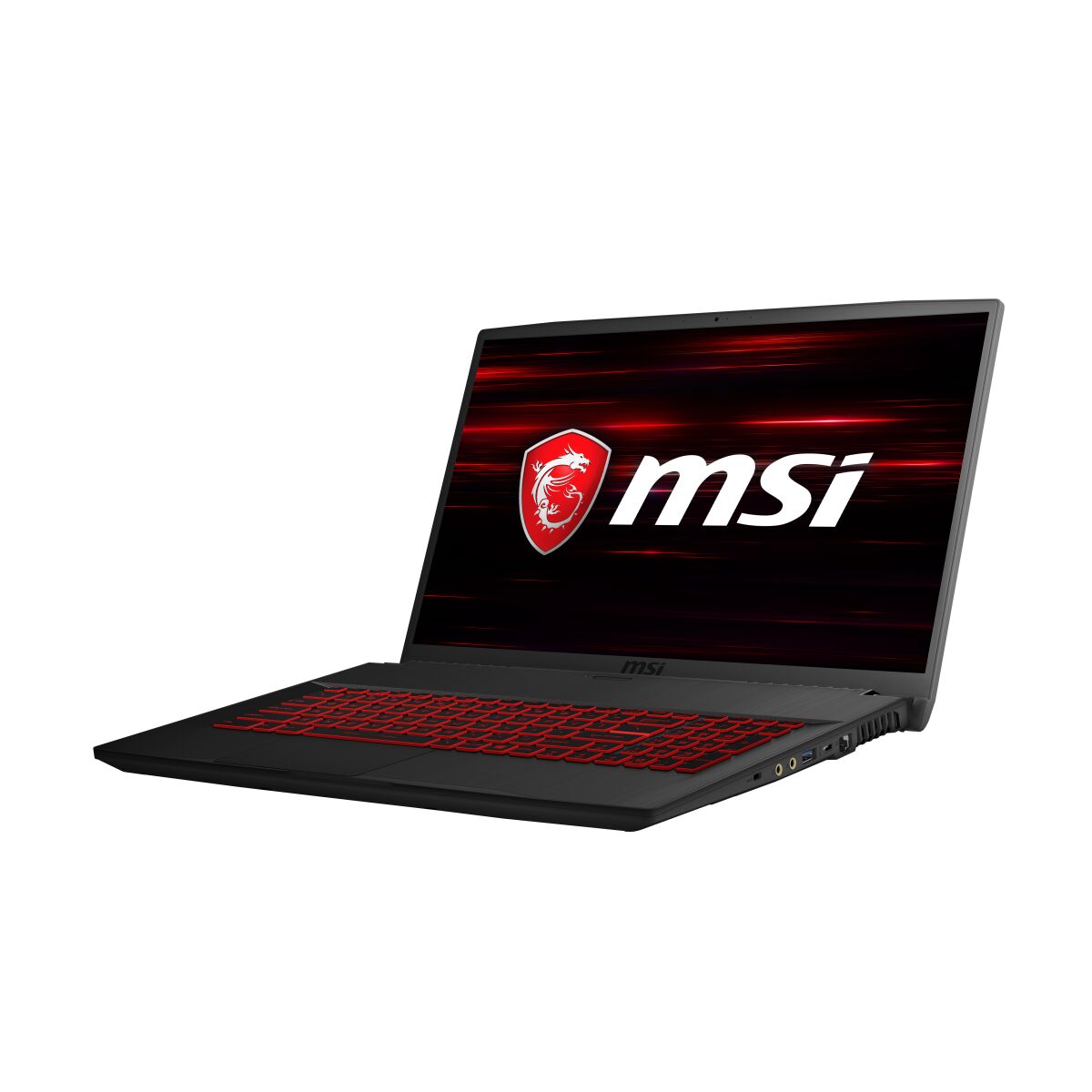

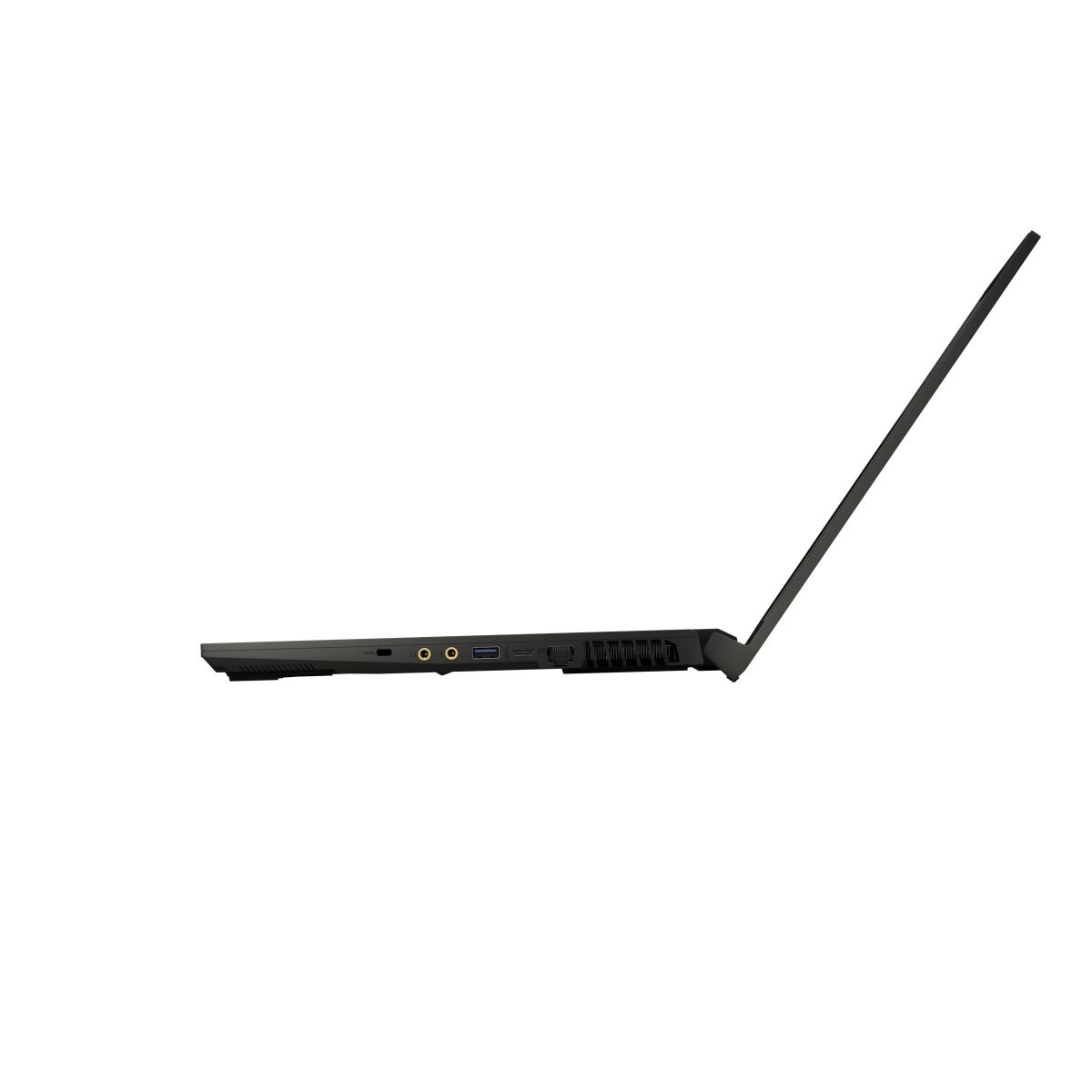

The MSI GF75 10SCSR-245XES gaming laptop features DDR4-SDRAM memory with two SO-DIMM slots supporting maximum RAM capacity of 64 GB. Memory upgrade specifications indicate compatibility with DDR4 modules operating at 2666 MHz frequency. The GF Gaming series laptop accommodates SO-DIMM form factor memory modules. Compatible RAM upgrades for the MSI GF75 10SCSR-245XES model allow expansion from factory-installed configuration to maximum 64 GB total capacity through populated memory slots.
Memory Upgrade Specifications
| Specification | Value |
|---|---|
| Memory slots | 2x SO-DIMM |
| Form factor | SO-DIMM |
| Memory type | DDR4-SDRAM |
| Frequency | 2666 MHz |
| Maximum RAM | 64 GB |
| Voltage | 1.2V |
| Number of pins | 260-pin |
| Interface | PC4 |
| PC Speed Rating | PC4-2666 (PC4-21328) |
| Bandwidth | 21.3 GB/s |
| Laptop Release date | 17 February 2021 |
Additional Notes
- The MSI GF75 10SCSR-245XES supports dual-channel memory configuration through its 2 slots, enabling bandwidth of up to 42.6 GB/s when both slots are populated with identical modules.
- Non-ECC unbuffered modules are required, as gaming platforms lack server-grade memory controller features.
- While the 10th generation Intel mobile platform in this chassis accepts modules up to 3200 MHz, the system downclocks them to 2666 MHz, rendering higher-speed purchases unnecessary.
- The 64 GB ceiling allows for 2x32 GB configuration, which requires single-rank or dual-rank modules as quad-rank SO-DIMMs exceed physical slot specifications.
- Access to SO-DIMM slots typically requires bottom panel removal, with manufacturer warranty remaining intact for user-performed memory upgrades in most regions.
- Mixing module capacities maintains functionality but forces the system into asymmetric dual-channel mode, reducing theoretical bandwidth by approximately 10 to 15 percent compared to matched pairs.
- Voltage must conform to JEDEC standard of 1.2V for DDR4, as gaming laptops lack BIOS options to adjust voltage for memory overclocking.
- Operating temperature thresholds for SO-DIMM modules range from 0 to 85 degrees Celsius, though sustained gaming workloads may benefit from aftermarket cooling pads to prevent thermal throttling.
- CAS latency variations between CL19 and CL22 at 2666 MHz produce minimal real-world performance differences in gaming scenarios, typically under 3 percent frame rate variance.
- The absence of XMP profile support in mobile platforms means advertised timings on retail packaging often reflect desktop configurations rather than the SPD values actually used.