MSI Gaming GF75 10SCSR-435XIT Thin RAM upgrade specifications

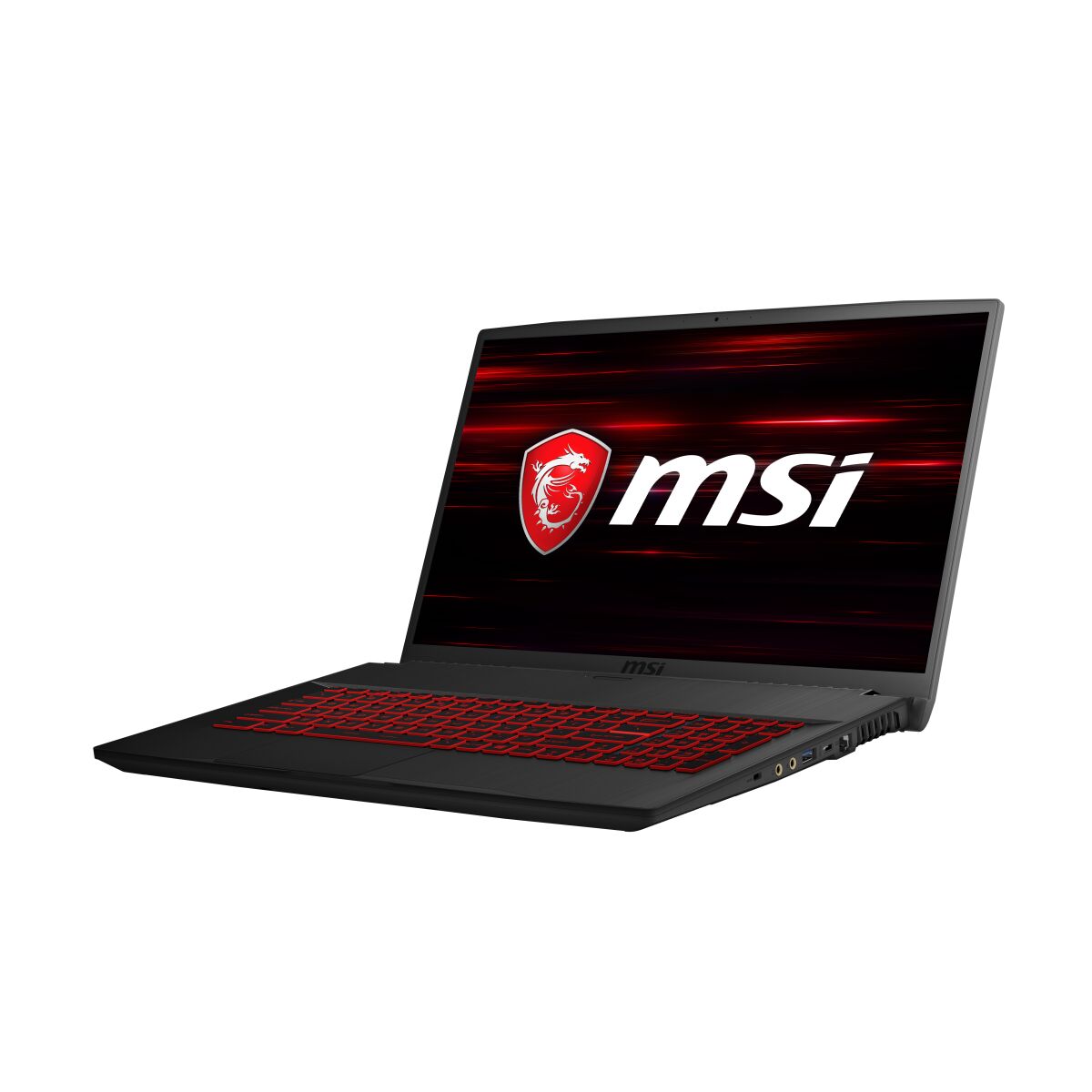

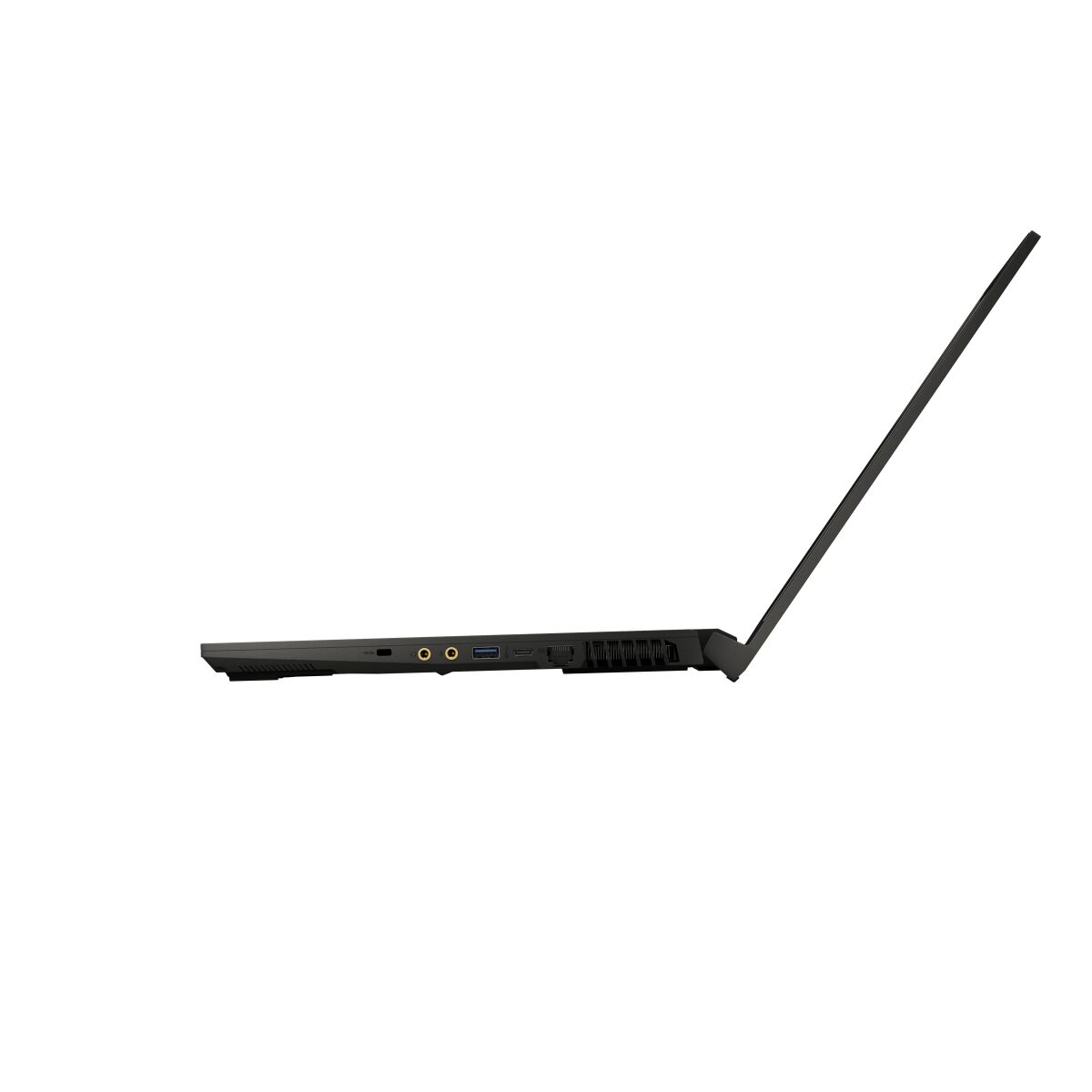

The MSI GF75 10SCSR-435XIT Thin Gaming series laptop features DDR4-SDRAM memory specifications with two SO-DIMM slots for RAM upgrade capability. Compatible memory modules support frequencies of 2666 MHz. Maximum supported capacity reaches 64 GB total memory, enabling users to configure the system for enhanced multitasking and performance. The upgrade slots accommodate standard SO-DIMM form factor modules, providing flexibility for memory expansion within the specifications of this gaming laptop model.
Memory Upgrade Specifications
| Specification | Value |
|---|---|
| Memory slots | 2x SO-DIMM |
| Form factor | SO-DIMM |
| Memory type | DDR4-SDRAM |
| Frequency | 2666 MHz |
| Maximum RAM | 64 GB |
| Voltage | 1.2V |
| Number of pins | 260-pin |
| Interface | PC4 |
| PC Speed Rating | PC4-2666 (PC4-21328) |
| Bandwidth | 21.3 GB/s |
| Laptop Release date | 21 September 2020 |
Additional Notes
- The MSI GF75 10SCSR-435XIT Thin supports dual-channel memory architecture through its 2 SO-DIMM slots, enabling potential bandwidth doubling when matched modules are installed in pairs.
- DDR4-2666 represents a transfer rate of 21.3 GB/s per module in single-channel mode, scaling to 42.6 GB/s in dual-channel configuration when both slots are populated with identical specifications.
- The 64 GB maximum capacity requires 32 GB modules per slot, though module availability at this density may be limited compared to standard 8 GB or 16 GB configurations.
- SO-DIMM form factor mandates laptop-specific modules measuring 67.6mm in length, incompatible with desktop DIMM standards despite sharing DDR4 technology.
- Memory speed compatibility falls within JEDEC standard DDR4-2666 specification, eliminating the need for XMP profile support or BIOS-level frequency adjustments.
- Upgrading from single to dual-channel configuration affects integrated graphics performance more significantly than discrete GPU tasks, as system memory serves as video memory allocation for iGPU operations.
- Voltage requirement adheres to DDR4 standard of 1.2V, ensuring compatibility across manufacturers without thermal or power delivery concerns within the laptop's design envelope.
- CAS latency variations at 2666 MHz typically range from CL17 to CL19, with timing differences producing minimal real-world performance deltas in gaming or productivity workloads.
- Non-ECC unbuffered modules are required for consumer-grade compatibility, as registered or error-correcting memory types function exclusively in server and workstation platforms.
- Accessing memory slots may require bottom panel removal and potential warranty seal disturbance, depending on manufacturer service policies for user-accessible components.