MSI Gaming GF75 10SCSR-475XFR Thin RAM upgrade specifications
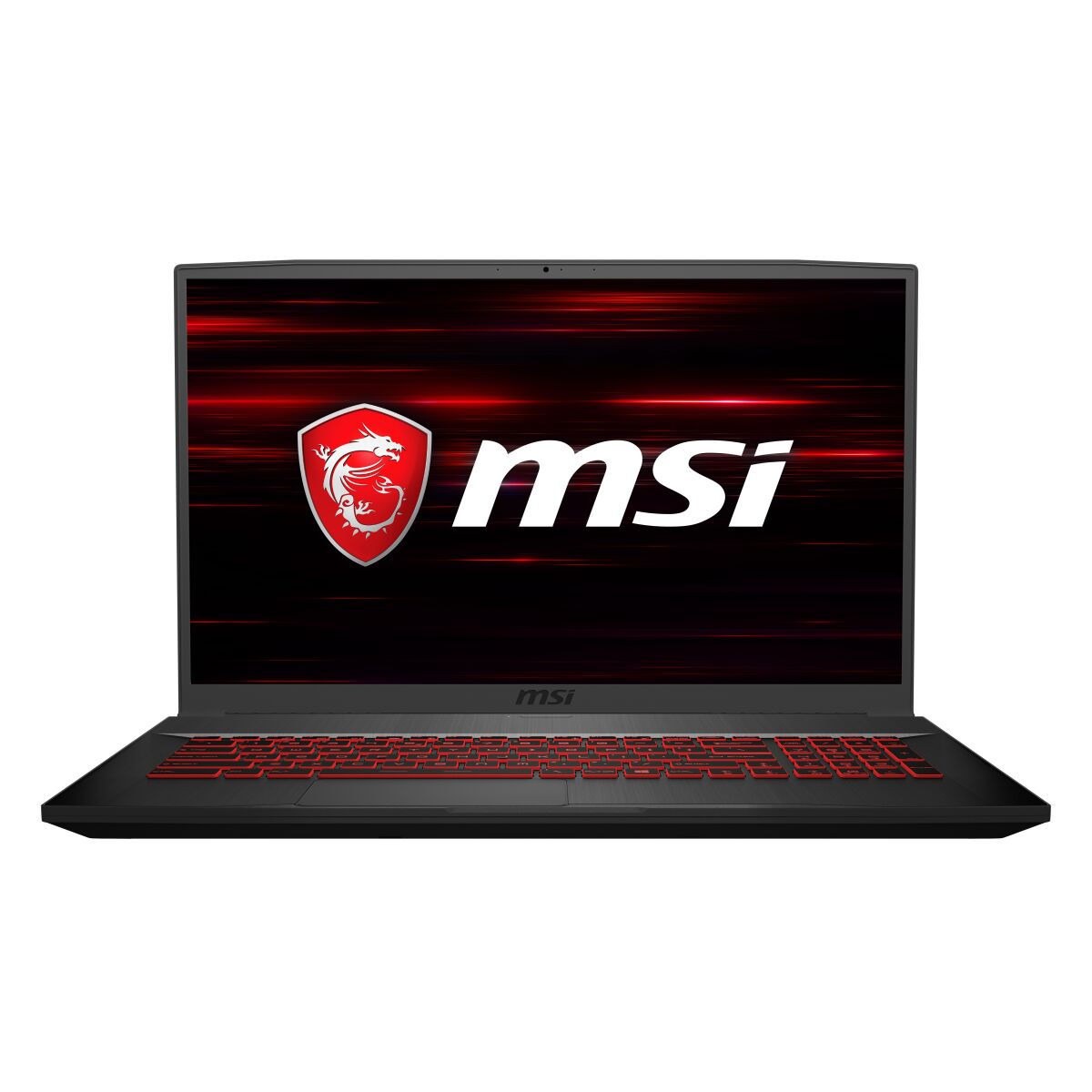
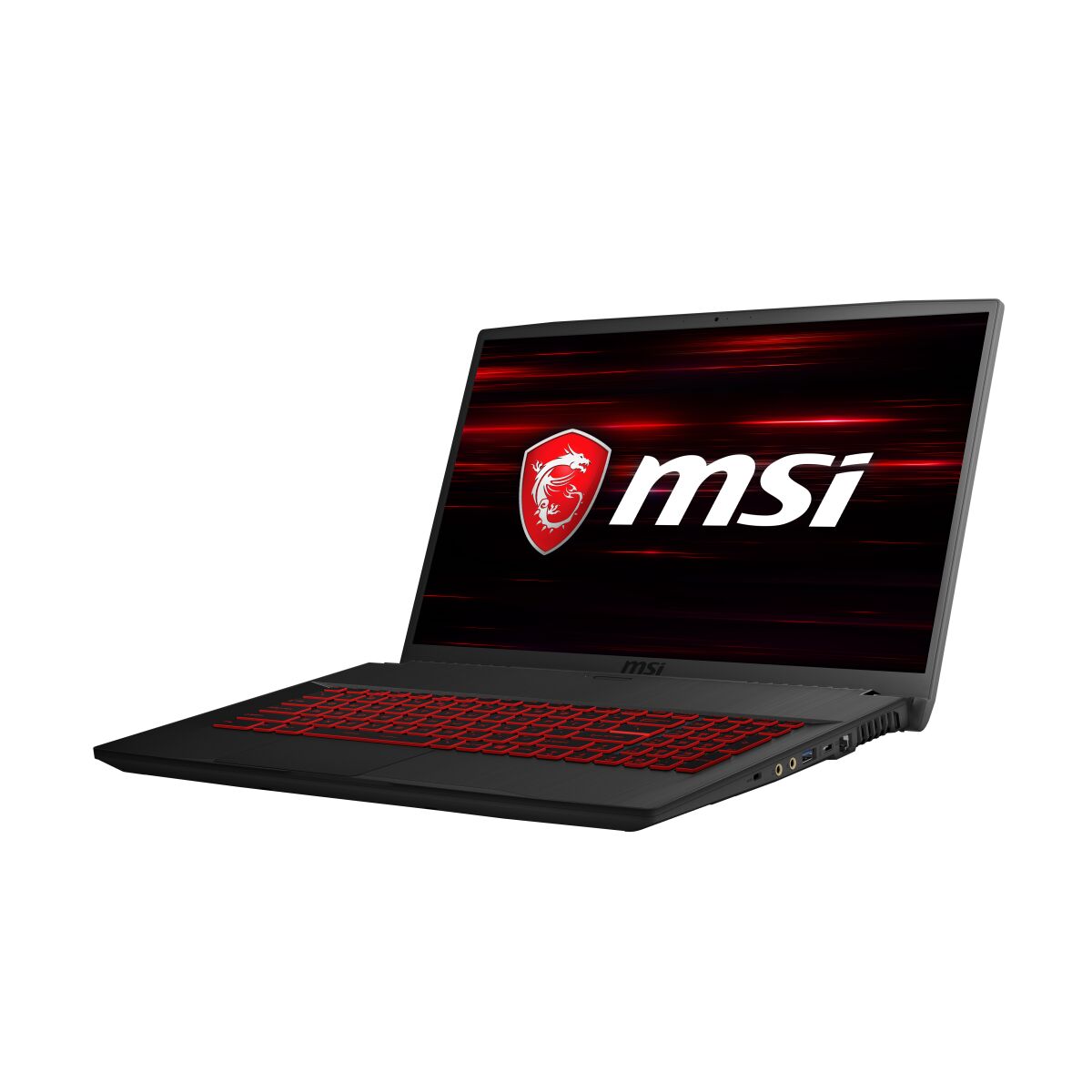
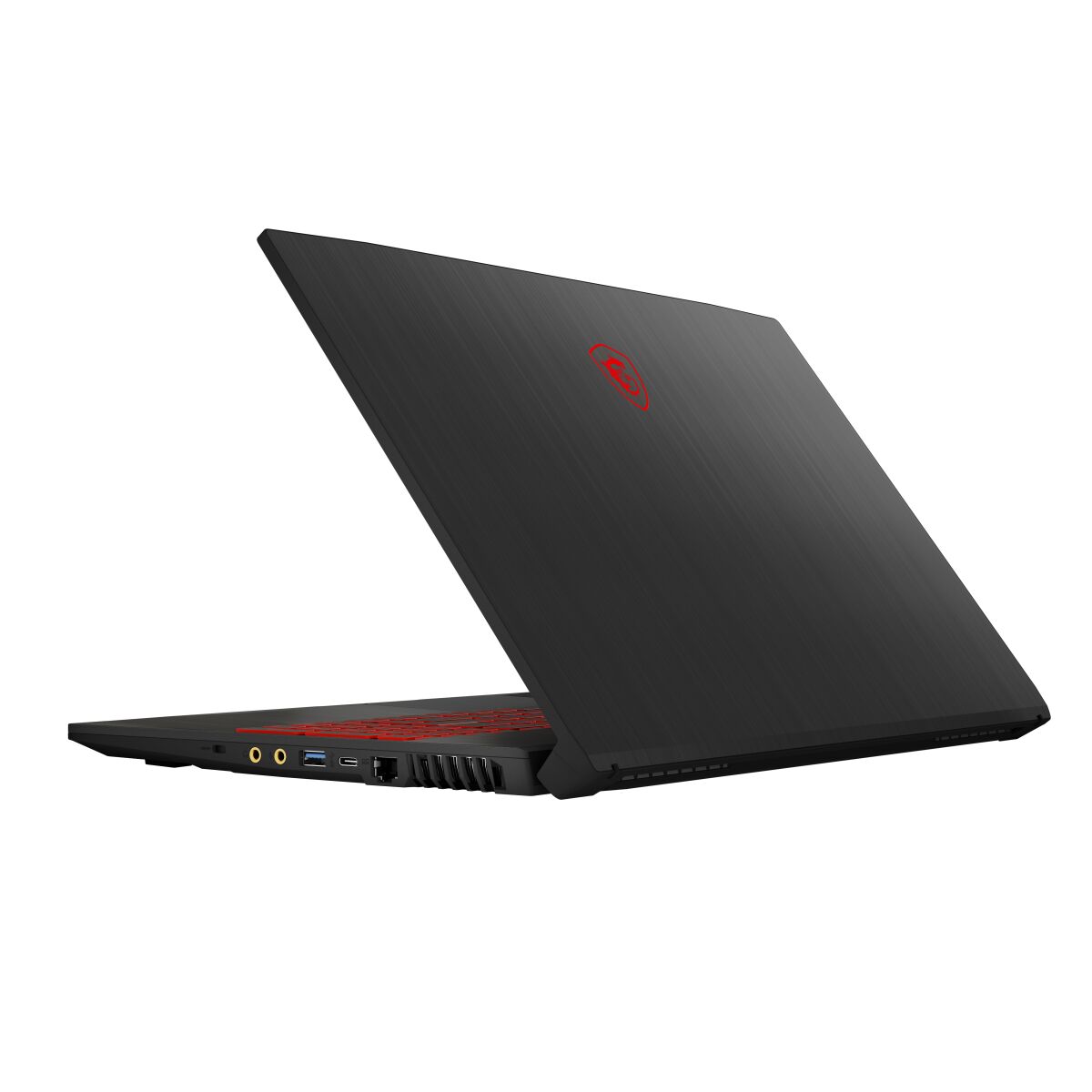
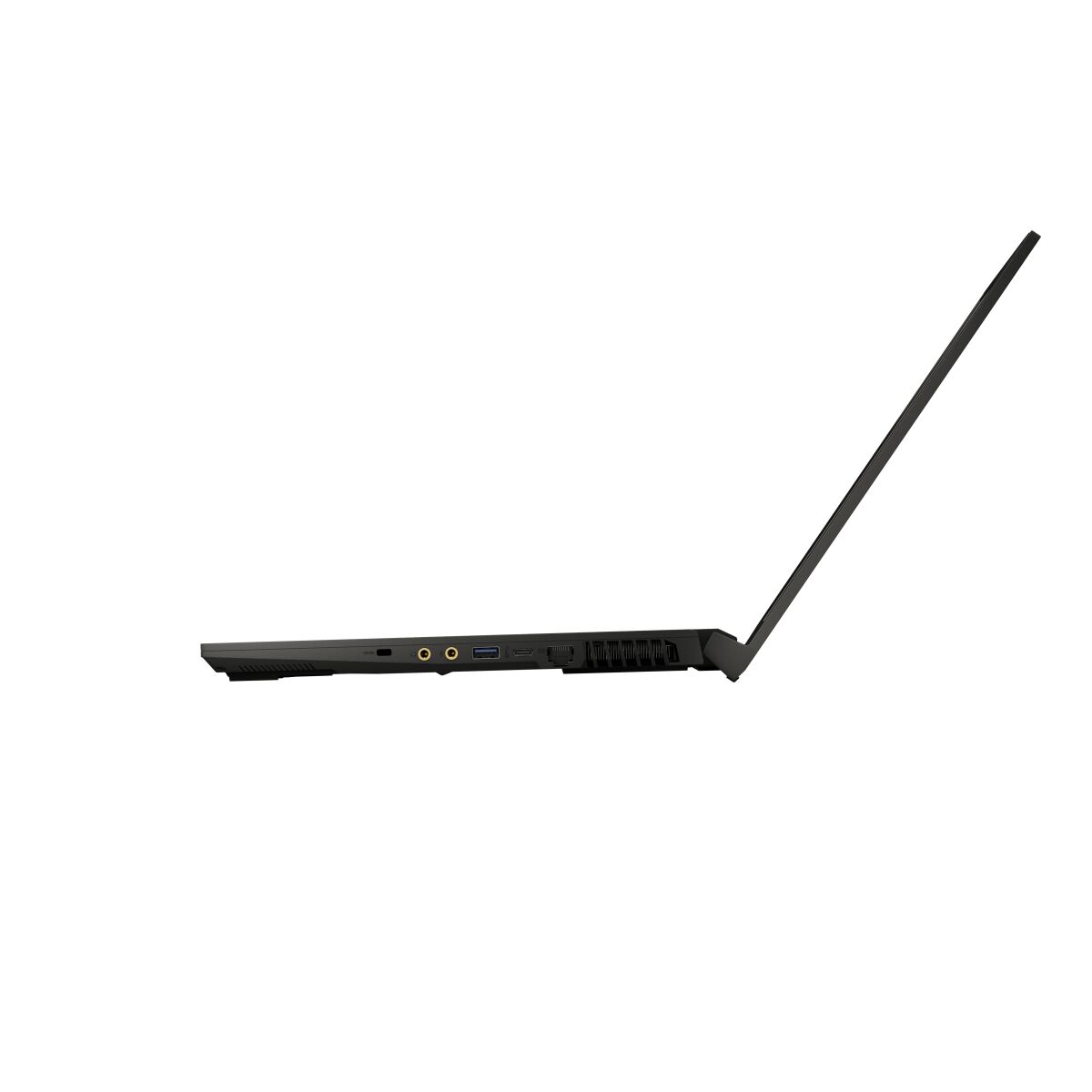
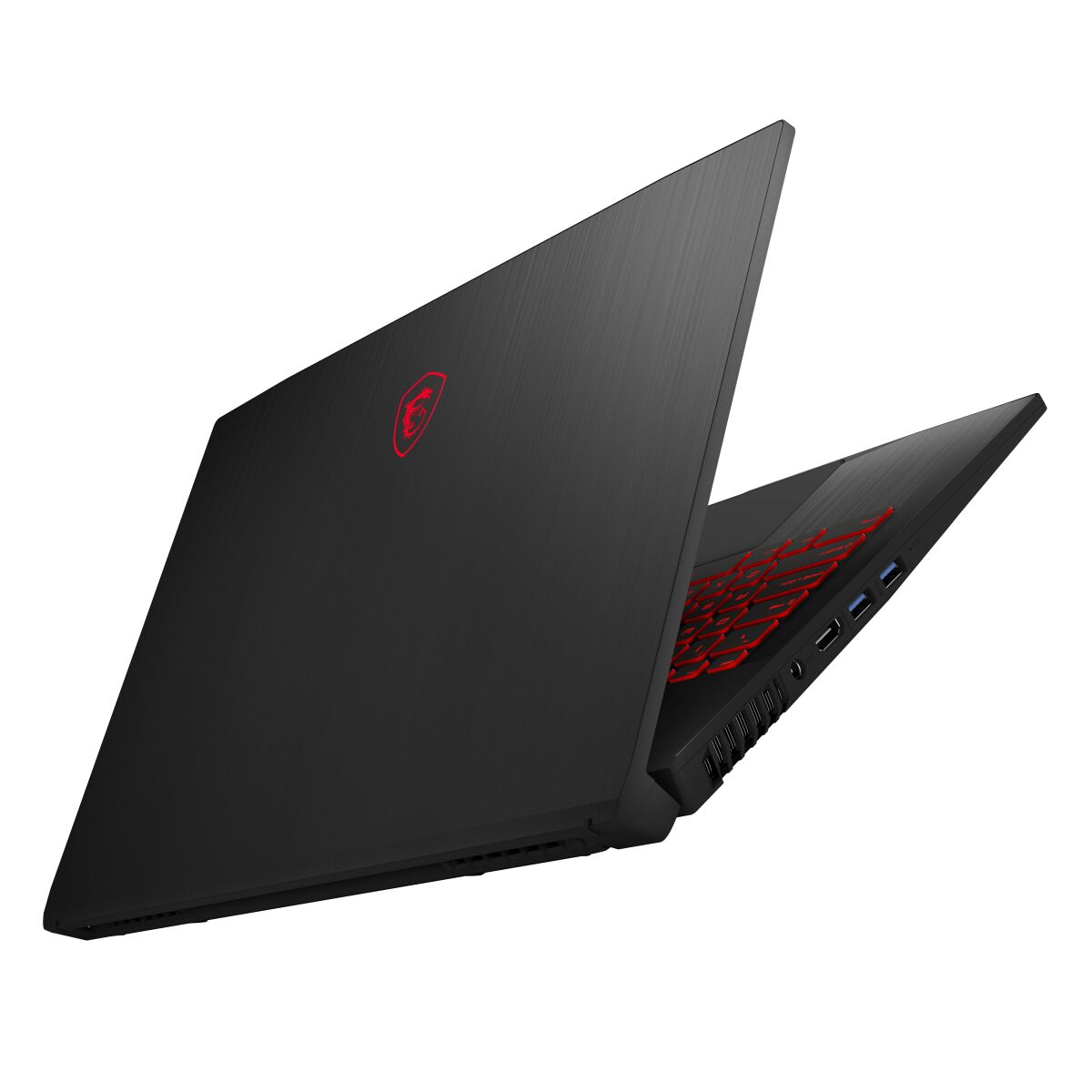
MSI GF75 10SCSR-475XFR Thin gaming laptop features DDR4-SDRAM memory upgrade capabilities with two SO-DIMM slots supporting maximum RAM capacity of 64 GB. Compatible memory operates at 2666 MHz frequency. Specifications indicate the laptop accepts standard SO-DIMM form factor modules, enabling users to expand memory beyond factory configuration. RAM upgrade slots allow installation of higher-capacity modules for enhanced multitasking and performance requirements. Maximum supported memory reaches 64 GB total across both SO-DIMM slots on the GF75 Thin series.
Memory Upgrade Specifications
| Specification | Value |
|---|---|
| Memory slots | 2x SO-DIMM |
| Form factor | SO-DIMM |
| Memory type | DDR4-SDRAM |
| Frequency | 2666 MHz |
| Maximum RAM | 64 GB |
| Voltage | 1.2V |
| Number of pins | 260-pin |
| Interface | PC4 |
| PC Speed Rating | PC4-2666 (PC4-21328) |
| Bandwidth | 21.3 GB/s |
| Laptop Release date | 01 December 2020 |
Additional Notes
- The MSI GF75 10SCSR-475XFR Thin supports a maximum memory configuration that requires 32 GB modules in both slots, which may be challenging to source as this density was less common in DDR4 SO-DIMM production compared to 8 GB or 16 GB modules.
- Operating at 2666 MHz places this system below the JEDEC standard DDR4-3200 specification that became widespread in laptops from 2020 onward, creating a performance gap with newer titles optimized for higher bandwidth.
- The dual-channel SO-DIMM architecture enables symmetrical memory configurations, where installing matching capacity modules in both slots delivers superior bandwidth compared to single-stick or asymmetric configurations.
- The memory controller enforces the 2666 MHz frequency ceiling regardless of module capability, meaning that DDR4-3200 or faster modules will downclock to match the system specification without delivering their rated performance.
- The SO-DIMM form factor requirement excludes standard desktop DIMM modules, which are physically incompatible despite sharing the DDR4 protocol and voltage specifications.
- Accessing the memory slots typically requires bottom panel removal on this chassis design, which may involve disengaging multiple fasteners and potentially voiding warranty seals depending on regional consumer protection regulations.
- The 64 GB ceiling creates headroom for workloads involving large datasets, virtual machines, or content creation pipelines that exceed the 16 GB or 32 GB thresholds common in gaming-focused configurations.
- Memory timing variations between manufacturers operating at the same 2666 MHz frequency can produce measurable latency differences in frame pacing and minimum frame rates, though all modules meeting JEDEC standards remain functionally compatible.
- The platform lacks support for DDR5 technology, which introduces a forward compatibility barrier as software developers increasingly optimize for the higher bandwidth and improved power efficiency of the newer standard.